
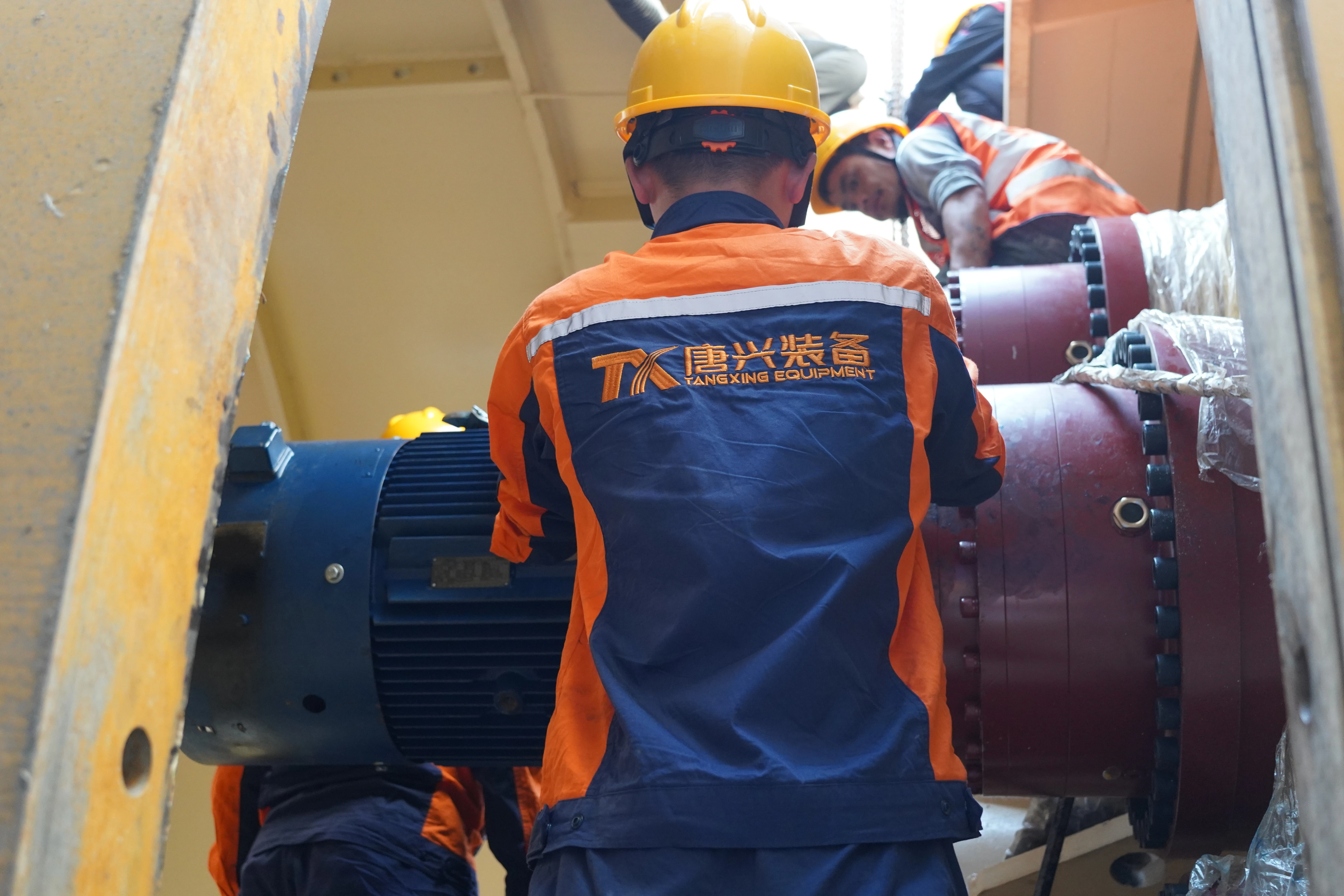
Effective grout control in microtunneling projects is a key factor in building client trust and securing repeat contracts. Many contractors in North America now choose partners who excel in micro tunneling grout control, recognizing its impact on project success. CEGC delivers this advantage by providing robust tunnel machines and Microtunnelling Machines engineered for optimal grout management. These machines ensure precise grout flow, offer advanced guidance systems, and help achieve accurate pipe alignment. As a result, micro tunneling grout control wins repeat contracts for companies that prioritize quality and reliability in their operations.
Key Takeaways
-
Good grout control is very important for microtunneling to work well. It helps clients trust the workers and makes them want to hire them again.
-
Contractors need to use better ways to manage grout. This means they should always check and test the grout to make sure it is good and to stop problems before they happen.
-
Using new grout technology can make projects better. It helps microtunneling be safer, quicker, and more dependable.
microtunneling grout control: foundation for repeat contracts
what is microtunneling and grout control
Microtunneling is a modern way to build tunnels underground. It uses a shield machine that is controlled from a distance. This machine puts pipes under the ground. The method causes less mess above ground. It also avoids problems with digging big trenches. Contractors like microtunneling because it is accurate and fast.
Grout control is very important in microtunneling. Contractors mix grout with Portland Cement, sand, and water. This mixture fills empty spaces and makes pipes stronger. Grouting keeps pipes steady and stops the ground from moving. Contractors use grout control at every step to keep projects safe and high quality.
-
Microtunneling uses a shield machine to install pipes.
-
The method keeps the surface neat and clean.
-
Grout control uses a special mix to fill spaces and keep pipes steady.
-
Contractors depend on grouting to get good results.
why grout control matters for project success
Grout control affects every microtunneling job. Contractors must handle grout carefully. This keeps the ground steady, pipes straight, and stops leaks. Grouting makes the ground stronger and controls sinking. It also keeps water out and gives more time to finish work underground.
Picking the best way to improve the ground depends on soil and project goals.
Good grout management fills spaces the right way. Mixing machines help keep the grout the same every time. Pumps send grout at the right speed and pressure. This stops pipes from getting pushed too hard. Contractors use grouting to stop sinking and keep pipes in place.
-
Stronger ground helps pipes and soil stay safe.
-
Controlling sinking stops holes and ground movement.
-
Less water gets in when permeability is reduced.
-
More time underground means safer and faster work.
Contractors face problems with grout control in microtunneling. Keeping slurry pressure steady is hard when the ground changes. Sinking or holes make grout control tricky. Fast river water makes sealing leaks tough. Rocks can block slurry lines. Workers need to clear blocked lines. Porous ground uses more bentonite, which affects grout. High torque and stuck cutting heads make work harder. Too much pushing force adds more problems. Slow progress makes projects take longer. Equipment can get damaged from rubbing, which hurts grout control.
client expectations and contract renewals
Clients want contractors to do microtunneling with great grout control. Contractors must meet tough rules for steady ground, straight pipes, and no leaks. Micro tunneling grout control wins repeat contracts when contractors do better than expected.
Contractors check grout control in different ways:
|
Method |
Description |
|---|---|
|
Continuous Monitoring |
Makes sure grout stays good all through the job. |
|
Testing Grout Samples |
Checks if the grout mix is right. |
|
Monitoring Injection Volumes |
Shows if spaces are filled well and stops sinking later. |
|
Excessive Grout Consumption |
May mean ground is lost or not steady, so changes are needed. |
|
Insufficient Grout Volume |
Means spaces are not filled, which can cause sinking later. |
Skilled contractors make good grout plans and designs. Quality checks help finish projects on time and within budget. Clients give more contracts to contractors who always do well. Micro tunneling grout control wins repeat contracts by being reliable, safe, and excellent.
key factors and project examples in micro tunneling grout control wins repeat contracts

quality assurance and risk mitigation
Quality assurance is very important in microtunneling. Contractors use careful checks to keep grouting reinforcement strong. They test grout mixes before the job starts. They also test during the project. This helps stop weak spots in the tunnel. Risk mitigation means planning for problems early. Contractors watch for ground movement and water leaks. They use sensors to track the tunnel and grouting reinforcement. These steps help finish the project safely and on time.
innovation in grout technology
Innovation helps microtunneling projects succeed. Contractors use new grouting reinforcement methods like TAM Grouting and jet grouting. These methods make the ground stronger near the tunnel. Onsite batch plants let contractors mix grout close to the project. This keeps grout fresh and strong. The microtunneling method uses these tools to keep tunnels safe. Contractors always look for better ways to use grouting reinforcement.
case study: charlotte interstate expansion project
The Charlotte Interstate Expansion Project shows how microtunneling wins repeat contracts. The contractor used advanced grouting reinforcement to keep the tunnel stable. They checked grout quality every day. The tunnel had no leaks or ground movement. The client gave the contractor another contract because of this success.
case study: new york city sewer overflow reduction
In New York City, a contractor worked on a sewer overflow reduction project. They used microtunneling and strong grouting reinforcement. The contractor set up an onsite batch plant for fresh grout. They used sensors to check the tunnel during the project. The client saw the safe and fast work. The contractor won more projects because of their microtunneling skills.
Note: Contractors who use the best grouting reinforcement and microtunneling methods win more contracts and build trust with clients.
Great grout control in microtunneling helps clients trust contractors. It also helps contractors get more jobs. Contractors who use new ideas and good skills finish projects safely and quickly. Their work is more reliable. CEGC’s tunnel machines work well every time. New technology brings many good changes:
|
Benefit |
Description |
|---|---|
|
Grouting is better and more dependable |
|
|
Reduced Operational Costs |
Less material is wasted and less energy is used |
|
Enhanced Safety Performance |
Safety gets better and risks go down |
|
Increased Efficiency |
Projects finish faster with machines doing more work |
Contractors need to focus on grout management. They should pick CEGC because their solutions work well.
FAQ
What pipe sizes can microtunneling machines install?
Microtunneling machines from CEGC can put in pipes from 200 mm up to 3,000 mm. Contractors pick the pipe size that fits their project and the ground.
How accurate is microtunneling grout control?
Microtunneling grout control keeps pipes lined up within ±25 mm. Sensors and monitors help contractors stay exact during the whole job.
What ground conditions suit microtunneling best?
Microtunneling works in clay, silt, and sandy soils. Contractors use grout control to handle water and keep loose ground steady for safe tunnel work.


