
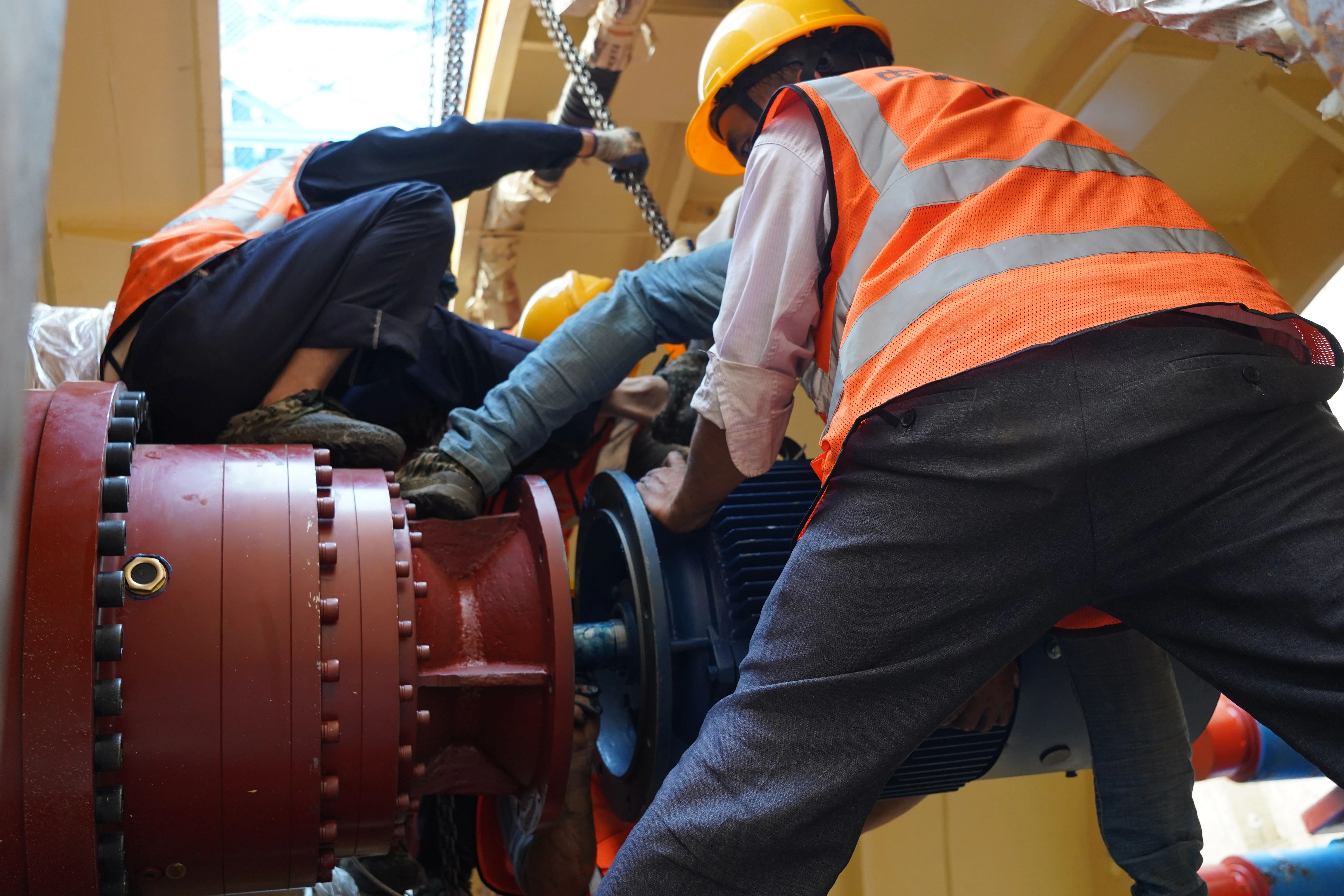
For tunnel projects, TBM machine grout control reduces tail void migration by effectively filling the spaces behind tunnel lining, ensuring ground stability. Without proper grout control, tail void migration can lead to settlement and water ingress. CEGC provides expert guidance and local support for TBM machines and auger boring machines, helping you maintain project integrity and performance.
Key Takeaways
-
Tail void grouting puts grout in spaces behind tunnel linings. This stops soil and water from getting into the tunnel.
-
Good grout control lowers risks like ground sinking and tunnel harm. It keeps the project safe.
-
Watching grout pressure and material traits is important. It helps tail void grouting work well and keeps the tunnel stable.
Tail Void Migration in TBM Tunneling
What Is Tail Void Migration?
Tail void migration happens when gaps appear behind the tunnel lining. The tunnel boring machine makes a space between the lining and the ground. This space is called the tail void. If you leave the void empty, soil and water can get into the tunnel. Tail void grouting fills these gaps and stops movement. You use tail void grouting to keep the tunnel safe and protect the lining. Workers inject grout into the void as the tunnel boring machine moves forward. You must watch the grout flow and pressure to fill the void completely. Tail void grouting acts like a shield for the tunnel. It keeps soil and water out.
Tip: Always check the tail void grouting system before you start the tunnel boring machine. This step helps you avoid trouble later.
Risks of Tail Void Migration
Ignoring tail void migration brings many risks. Soil can enter the tunnel and cause the ground above to settle. Water can leak through the void and damage the tunnel. Tail void grouting lowers these risks by sealing the space behind the lining. Without good tail void grouting, you may see cracks, uneven surfaces, or even tunnel collapse. You need tail void grouting to keep workers and equipment safe. The tunnel boring machine depends on tail void grouting for safe work. You make the project safer and better by controlling tail void migration with tail void grouting.
-
Key risks you stop with tail void grouting:
-
Ground settlement
-
Water ingress
-
Tunnel lining damage
-
Safety hazards
-
TBM Machine Grout Control Reduces Tail Void Migration
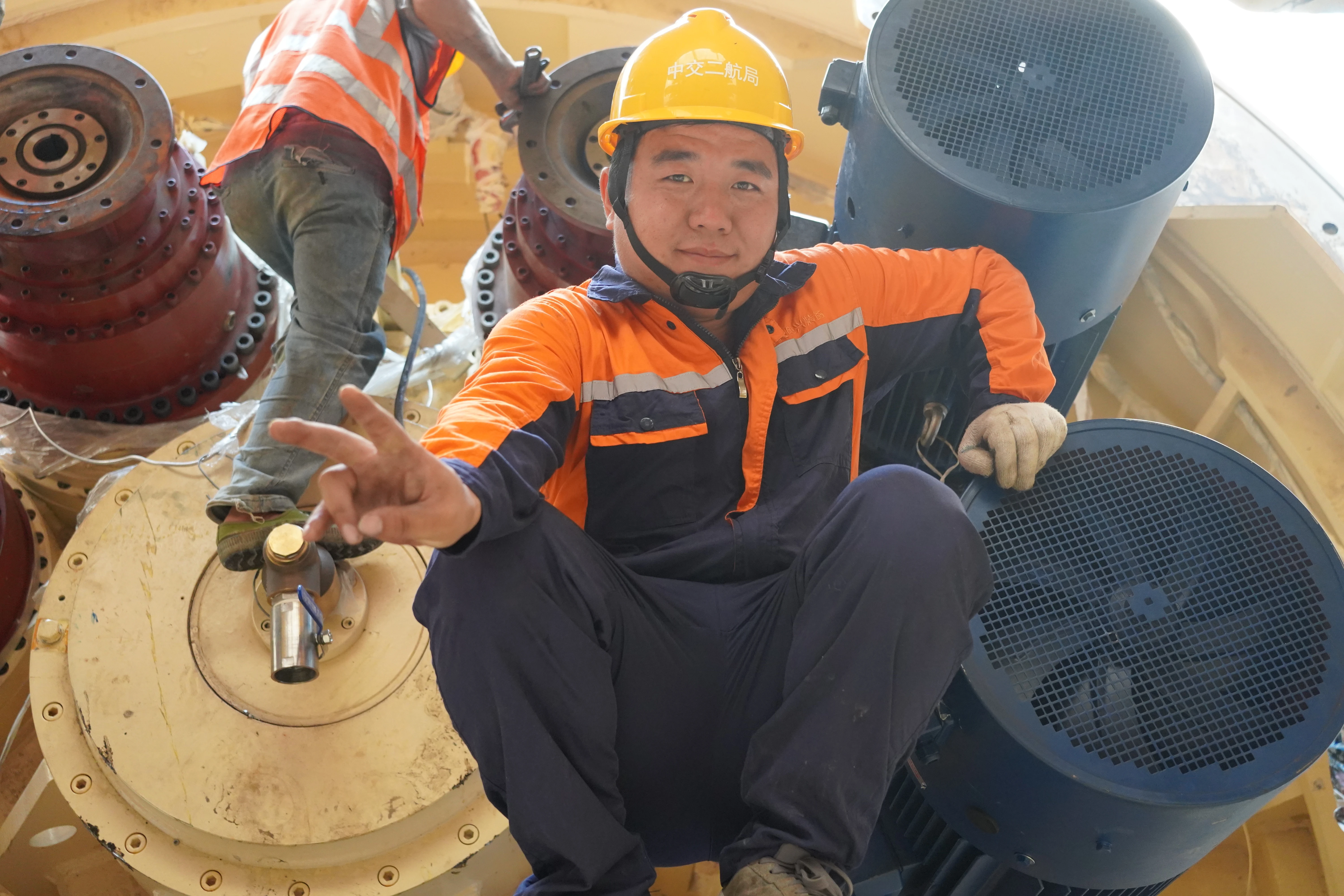
Role of Tail Void Grouting
Tail void grouting fills the gap behind the tunnel lining. The tunnel boring machine moves forward and removes soil. This leaves an empty space between the lining and the ground. Hydraulic jacks push the machine ahead. This creates a ring-shaped gap. If you do not fill the gap, soil and water can get in. This causes trouble for the tunnel. Workers inject grouting material into the gap to stop this. The material fills about 16 to 37 centimeters thick. This is about 3 to 16 percent of the tunnel’s volume. The grouting material gets hard and supports the tunnel. You must control the process to fill the gap fully. This step keeps the ground stable and the tunnel safe.
-
Steps in tail void grouting during mechanized tunneling:
-
The cutterhead digs out the tunnel face.
-
Hydraulic jacks push the TBM forward.
-
A ring-shaped gap forms behind the lining.
-
Workers inject grouting material into the gap.
-
The material hardens and supports the tunnel.
-
TBM machine grout control stops soil and water from entering the tunnel. CEGC gives advanced grouting systems for TBM and Microtunnelling Machine projects. You can count on their help for good tail void grouting in your area.
Grout Pressure and Properties
You must watch grout pressure and the grouting material’s properties. The pressure used to inject grout affects how well you fill the gap. Too little pressure means the gap may not be filled. Too much pressure can cause the ground to lift or make new holes. You need to find the right amount. Studies show higher grout pressure can lower surface settlement. But you should not use too much.
The grouting material’s properties are important too. You want a mix that flows easily and sets fast. The table below shows the main things to check:
|
Parameter Type |
Description |
|---|---|
|
Fresh Properties |
Fluidity, bleeding rate, setting time, consistency, hydration heat. |
|
Mechanical Properties |
Compressive strength, flexural and shear strength, volume shrinkage, micro-expansibility. |
|
Scour Resistance |
pH and water-land strength ratio (WLSR). |
|
Durability |
Impermeability, creep behavior, water corrosion resistance (WCR). |
|
Grouting Ratios |
Water to cement (W/C), binder to sand (B/S), water to binder (W/B) ratios. |
You should always check these properties during tunneling. Good control of grout pressure and material properties means TBM machine grout control reduces tail void migration. CEGC gives high-quality grouting material and automated systems for accurate injection. You can use their solutions to make your project safer and better.
Mechanisms Preventing Migration
Controlled tail void grouting stops tail void migration. Injecting grouting material into the gap keeps the tunnel lining in place. The material fills the space and supports the tunnel. This lowers ground movement and keeps the tunnel steady. It also protects the tunnel from water and soil loss.
During tunneling, you must inject grout at the right time and with the right pressure. If you wait too long, soil can move and cause trouble. Real project data shows delays in grouting cause soil to move and cannot be fixed. TBM machine grout control reduces tail void migration by acting fast and using good methods.
Modern technology helps you control the process better. You can use artificial intelligence to watch the process in real time. Automation in grout mixing and handling gives you more control. CEGC offers advanced solutions like high-output mixing systems and modular grout plants. You can trust their help for TBM and Microtunnelling Machine projects.
Note: Always check your grouting system before you start tunneling. Good preparation means TBM machine grout control reduces tail void migration and keeps your tunnel safe.
Benefits and Best Practices for Grout Control
Ground Stability and Settlement Reduction
Tail void grouting helps make the ground stable. The grouting material hardens the soil near the tunnel. This makes the ground stronger. It also stops water from getting in. You can control how the ground improves. This works even in tough conditions. Injecting grout behind tunnel segments lowers settlement. Stiffer grout spreads the weight and reduces movement. You need to set the right grout pressure. Keeping gaps even helps stop surface settlement.
|
Evidence Description |
Key Insight |
|---|---|
|
Stiffer grouting material spreads weight and lowers movement. |
Stiffer grout means less surface settlement. |
|
Grout injection behind segments controls settlement. |
Pressure and gap shape matter a lot. |
|
Medium grout pressure and good stiffness cause less disturbance. |
Follow rules for best results. |
|
Uneven gaps cause more settlement. |
Place segments evenly. |
Tunnel Durability and Water Ingress Prevention
Grouting material keeps tunnels strong for a long time. It stops water from coming in. Chemical grout makes barriers that block water. Cement grout fills spaces and makes soil steady. Pre-grouting umbrellas make a ring that lowers water pressure. Grouting material changes to fit the ground. It can resist pressure and chemicals for many years.
Systematic pre-grouting umbrellas ahead of the tunnel boring machine make a strong ring. This ring lowers water pressure against the tunnel lining.
Monitoring and Quality Control
You check grouting material during tunneling to keep quality high. Measurement While Drilling tells you about the rock. Water loss tests show if you need pre-grouting. You look at how much grout you use to make better guesses. Automated batching systems mix grout in the right amounts. Automation keeps pressure and flow steady. You record data for quick checks and fast fixes. Two-liquid cement-sodium silicate grout lets you change setting times. One-liquid grout works well for river and subway tunnels. Plan how much grout to use based on tests. Change amounts as you tunnel. CEGC helps with local knowledge and advanced systems for tunneling.
You make tunnels safer by controlling grout in TBM projects. This stops the ground from moving and keeps water out. Here are some important points:
|
Key Takeaway |
Description |
|---|---|
|
Fill the gap so the ground does not move. |
|
|
Avoid Floating of Segments |
Use good grout to hold segments in place. |
|
Water Ingress Prevention |
Stop water by filling the gap all the way. |
CEGC gives you expert help and tunnel machine solutions you can trust.
FAQ
What is the main purpose of tail void grouting?
You use tail void grouting to fill the gap behind tunnel lining. This step keeps soil and water out and helps prevent ground settlement.
How do you know if your grout control is working?
You check grout pressure, flow, and volume during tunneling. Automated systems and regular inspections help you spot problems early and keep the tunnel safe.
Can you use the same grout for every tunnel project?
No, you should match the grout mix to your ground conditions and tunnel design. CEGC can help you choose the right grout for your project.


