
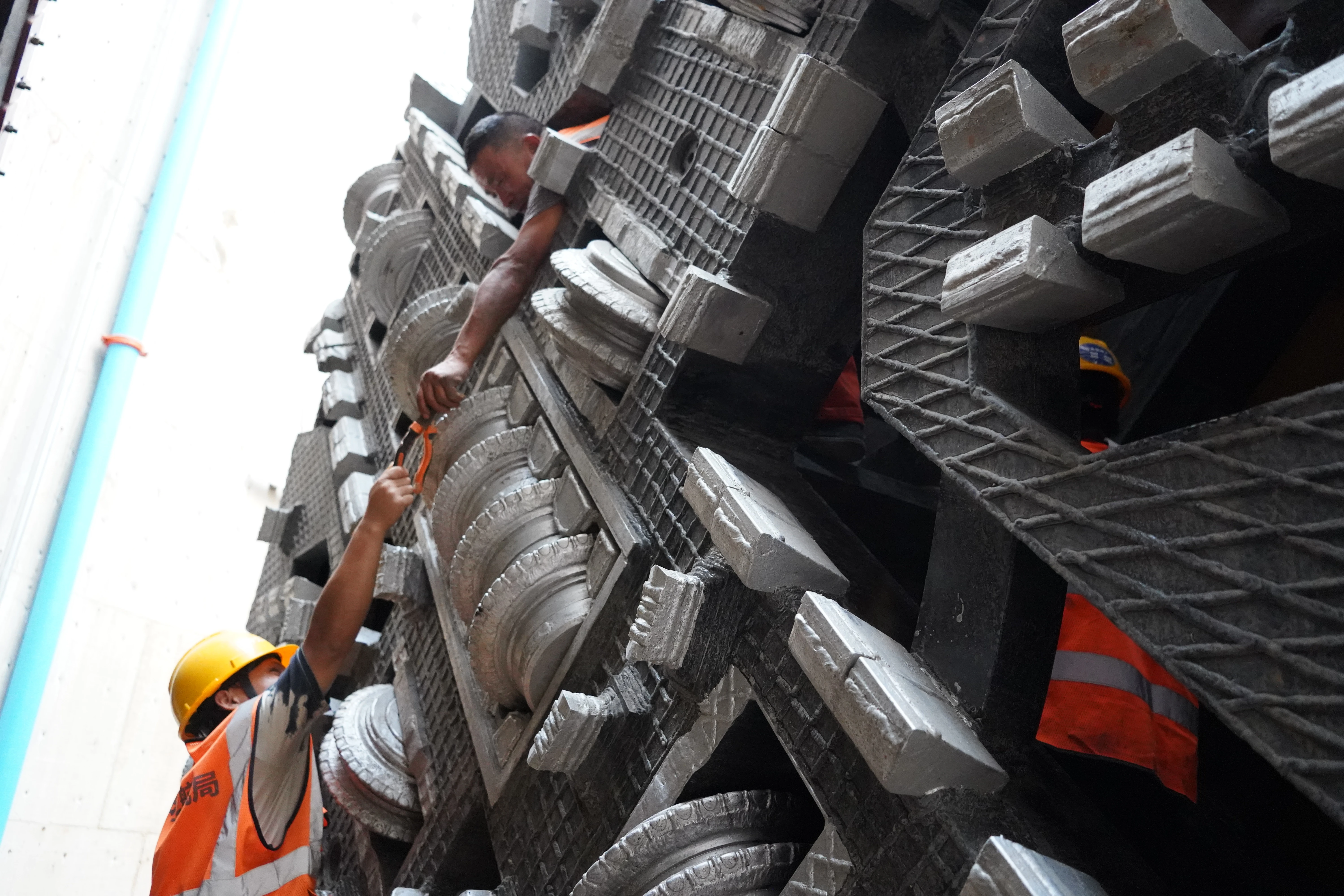
You face real risks when micro tunneling heat can wreck pumps and seals. Pumps in your tunnel machine work under extreme pressure. Each pump must handle abrasive materials. Pumps often run nonstop. Pump failure can lead to costly delays. CEGC helps you protect every pump from dangerous heat.
Key Takeaways
-
Check your slurry pump often to spot overheating early. Watch for odd sounds, leaks, or quick drops in how well it works.
-
Use self-healing seals and the right oil to stop heat damage. These materials help keep seals working and stop expensive fixes.
-
Follow a strict plan to care for your tunneling equipment. Regular checks can lower wear and help pumps and seals last longer.
micro tunneling heat and excessive heat risks
Causes of excessive heat in pumps and seals
There are many dangers when you use tunneling equipment like a CEGC tunnel boring machine or microtunnelling machine. The slurry pump often gets too hot first. This pump works hard to move rough fluid. When it runs for a long time, friction happens. Friction makes heat. If you do not keep the temperature down, micro tunneling heat can wreck pumps and seals.
Not enough lubrication is a big reason for overheating in hydraulic and lubrication systems. If you do not use enough lubricant, metal parts rub together and wear out. This makes some spots get very hot. If the lubricant breaks down, it gets thick and cannot cool the pump. Sometimes, grease does not reach every part of the slurry pump. Some spots dry out and wear faster. The table below shows how lubrication problems cause too much heat:
|
Lubrication Issue |
Description |
|---|---|
|
Insufficient Lubrication |
Metal parts touch and wear out, leading to overheating in certain spots. |
|
Lubricant Degradation |
High heat causes the lubricant to thicken or break down, worsening overheating. |
|
Poor Distribution |
Uneven grease application results in some areas drying out and wearing faster. |
Dry running is another problem. If the slurry pump runs without fluid, it loses both lubrication and cooling. This can happen during cement grouting. No fluid means fast wear and overheating. You might see stator damage in the pump. Dry running and heat buildup are common in micro tunneling projects.
High pressure also makes too much heat more likely. If you push the slurry pump to work in tough ground or with water coming in, the load goes up. The pump works harder. Friction and heat go up. If you do not watch the hydraulic and lubrication systems, the pump can fail suddenly.
Ground instability and water coming in make things harder. Unstable ground can make the slurry pump work unevenly. Water changes the fluid. Both problems make it harder to keep the pump cool. Maintenance gets tough. You need to check the pump and seals often to stop overheating.
How heat leads to mechanical seal failure
Too much heat is a main reason for mechanical seal failure in tunneling equipment. When the slurry pump gets too hot, the seals get stressed. The table below explains the main technical reasons:
|
Mechanism |
Description |
|---|---|
|
Thermal Shock |
Sudden temperature changes can crack seal faces or degrade elastomers, leading to leaks. |
|
Temperature Extremes |
High temperatures can warp, crack, or degrade seal faces and secondary sealing elements. |
|
Thermal Cycling Effects |
Repeated expansion and contraction create stress concentrations, leading to cracking or separation. |
|
Chemical Aggression |
Elevated temperatures can make process fluids more chemically aggressive, affecting seal integrity. |
|
Lubrication Degradation |
High temperatures reduce the lubricating properties of fluids, increasing wear on seal components. |
|
Surface Finish Changes |
Temperature changes can affect the flatness and surface finish of seal faces, creating leak paths. |
Elastomers in seals are very weak against heat. High temperature makes them stiff and easy to break. Cracks form, and the seal stops working. Engineering plastics also get weaker as heat speeds up chemical reactions. Metals like stainless steel handle heat better, so they last longer in hot slurry pump jobs. If the temperature goes over 400°F (204°C), regular elastomeric seals break down fast. Chemical attacks from rough fluid make things worse.
Cavitation is another danger. If the slurry pump runs with not enough fluid or high pressure, vapor bubbles form. These bubbles pop and make shock waves. Cavitation hurts the pump and the seals. You might see pits, cracks, or leaks. Cavitation also makes the temperature rise, so seal failure is more likely.
Warning signs of heat damage
You need to look for early warning signs to stop pump failure. The most common signs are:
-
Strange noise from the slurry pump
-
Vibration or shaking in the tunneling equipment
-
Leaks around the seals or pump housing
-
Sudden drops in pump performance
-
Burnt smell or odd color from the hydraulic and lubrication systems
-
Cracks or wear you can see on the seals
If you notice these signs, act quickly. Too much heat can ruin the slurry pump and seals for good. Cavitation often sounds like rattling or feels like vibration. If you ignore these signs, micro tunneling heat can wreck pumps and seals. Regular maintenance helps you find problems early. You should check the slurry pump, look at fluid levels, and watch the temperature. This keeps your tunneling equipment working well and protects your money.
Tip: Plan regular maintenance for your slurry pump and seals. Acting early stops too much heat and mechanical seal failure.
seal integrity and leak prevention strategies
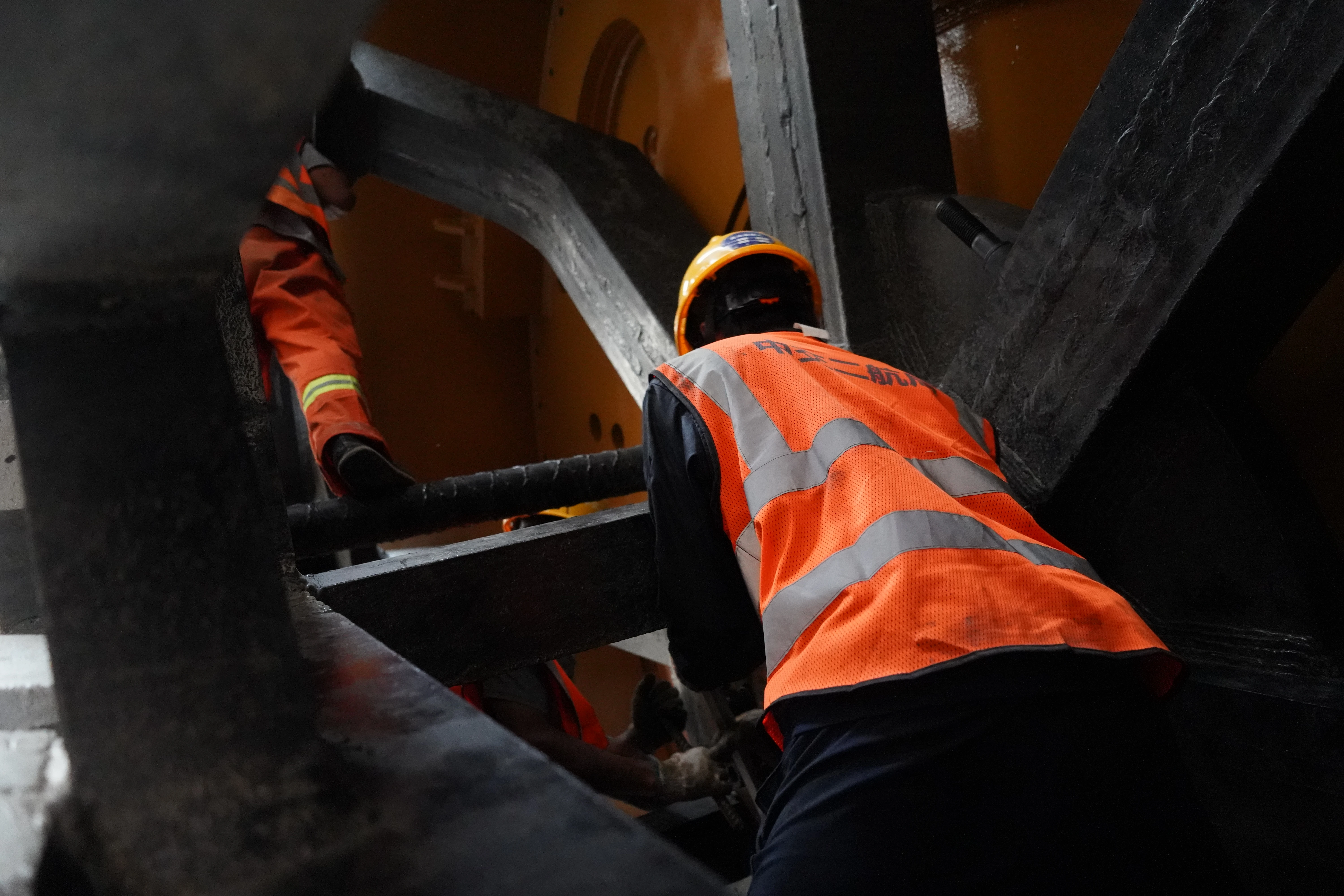
Preventing mechanical seal failure from heat
You can stop mechanical seal failure by using smart steps. Heat makes seals break down. This causes leaks and expensive repairs. Pick self-healing lip seals and grease barriers. These materials fix themselves when they get hot. Nanocomposite coatings on seal seats help stop corrosion and make seals last longer. The table below shows good ways to protect seals:
|
Strategy |
Description |
|---|---|
|
Self-Healing Lip Seals |
Restore sealing function under thermal stress. |
|
Self-Healing Grease Barriers |
Swell and flow into cracks, blocking contaminants. |
|
Self-Healing Coatings on Seal Seats |
Heal scratches, reduce corrosion, and improve longevity. |
Do not let lubrication run low. Change fluids on schedule and add lubricant often. This keeps the pump cool and protects seals. Maintenance helps you find seal problems early. If you skip maintenance, micro tunneling heat can wreck pumps and seals.
Maintaining seal integrity in TBM and microtunneling machines
Keep seal integrity by following a strict maintenance plan. CEGC gives closed-mode face support and advanced sealing architecture. These systems stop leaks and keep your pump working well. Customization lets you change thrust tuning, sealing systems, and pressure retention features. The table below shows these choices:
|
Customization Option |
Description |
|---|---|
|
Thrust Tuning |
Reduces joint leakage risk for safer project completion. |
|
Sealing Systems |
Prevent water and soil from entering pipe joints. |
|
Pressure Retention Features |
Relief valves open if pressure is too high, preventing leaks and sudden changes. |
Plan checks for structural integrity and use colloidal mixing for sealing jobs. Automated batching and data logging help seals work better and make operations smoother. Maintenance and repairs keep your tunnel boring machine ready for anything.
Immediate actions for overheating
If you see overheating in your pump or seals, act fast. Follow these steps:
-
Stop the pump and let it cool all the way.
-
Check for blockages, tight tubing, or dirty filters.
-
Make ventilation better or lower the load before restarting.
Check structural integrity and plan repairs if you find damage. Maintenance and care help tunneling succeed and protect seal integrity. Regular inspections cut hydraulic system problems by 35% and lower wear by 60%. Over 68% of early main bearing failures happen because seals break down. Maintenance and repairs make seals last longer and keep your tunnel machine running.
You can have big problems if micro tunneling heat ruins pumps and seals. Heat can make the mechanical seal in your pump stop working. Losing fluid makes the mechanical seal fail even more. You might notice leaks and damage in your pump. When the fluid changes, it can make the seal problem worse. You need to check your pump a lot. If you act fast, you can stop the seal from failing. CEGC solutions help keep your pump safe and the fluid moving. You can stop seal failure by using strong seals and checking fluid levels. Regular checks help keep your pump working well. You get good results when you follow these best steps:
-
Using better ground conditioning and strong materials saves resources.
-
Waterproofing systems help you need less maintenance.
-
Cleaner ways of working and recycling help the environment.
-
Good water management keeps the tunnel safe.
-
Strong waterproofing designs block water from getting in.
FAQ
What causes pumps to overheat in micro tunneling?
Pumps can get too hot if they run dry. Not enough lubrication also causes overheating. High pressure makes pumps heat up quickly. Friction creates heat fast. Regular checks help you find problems early.
How can you prevent seal failure in tunnel boring machines?
You protect seals by using strong materials. Keep lubrication at the right level. Inspect seals often to catch issues. CEGC gives advanced sealing systems for extra safety.
What should you do if you notice leaks or strange noises?
Turn off the machine right away. Look at seals and pumps for damage. Fix any problems before you start again. Acting fast stops bigger trouble.


