
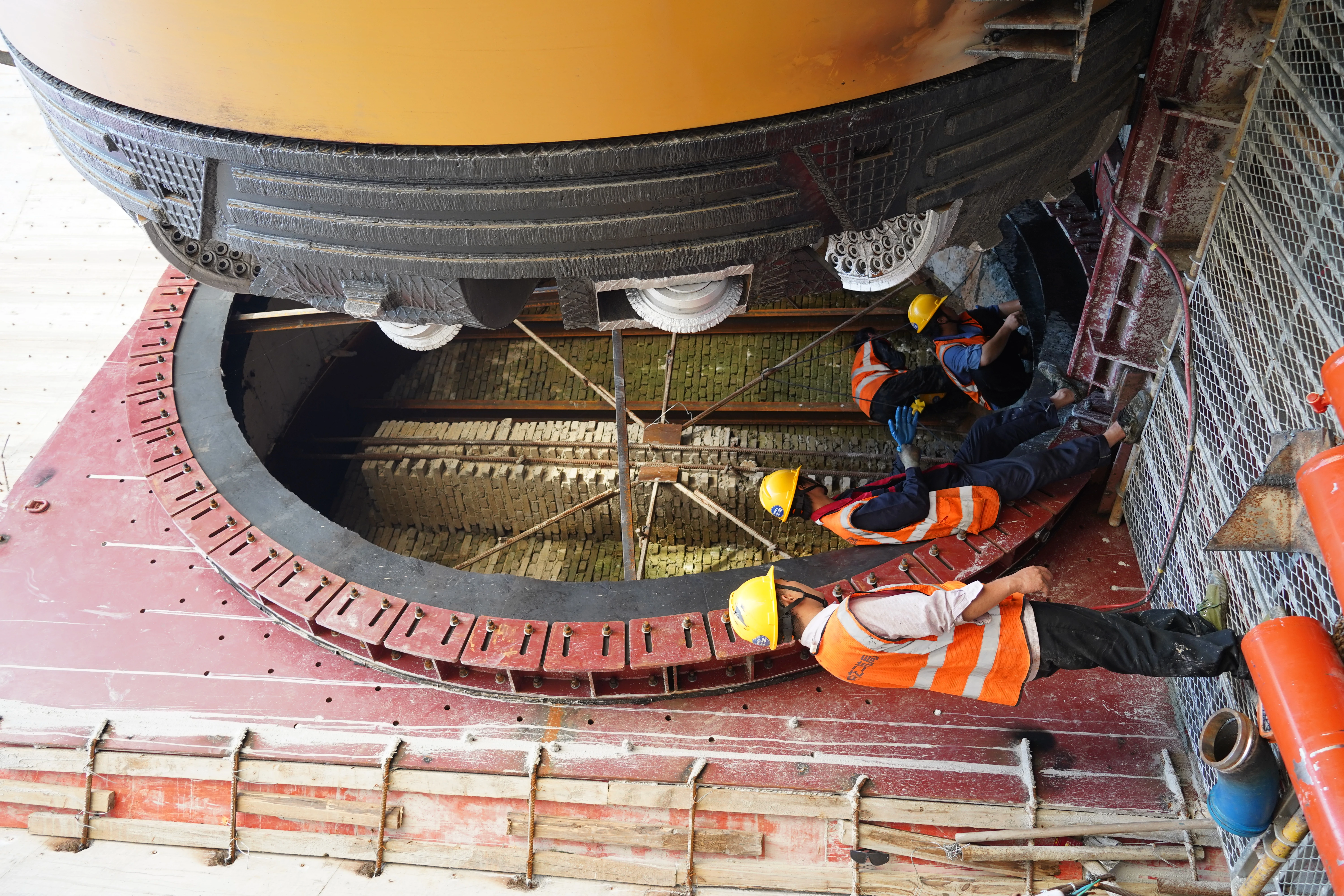
Micro tunneling long drives need stable density control for safety. This helps keep the tunnel accurate and safe. It stops the ground from sinking and keeps the tunnel face steady. It also helps control water coming in and keeps the tunnel straight. Stable density control is important for staying on schedule and saving money. It is needed to keep everyone safe. You need stable density control at every step. CEGC helps you with tunnel machine solutions.
|
CEGC’s Capabilities |
Type of Expertise |
|---|---|
|
Equipment design |
|
|
Trenchless engineering for microtunnelling |
Complex project solutions |
|
Technical consulting for planning |
Efficiency and optimization |
Micro tunneling long drives need stable density control to get good results.
Key Takeaways
-
Stable density control is very important for safe micro tunneling. It stops the ground from sinking and keeps the tunnel straight.
-
Advanced slurry systems and closed-mode face support help control the soil. This lowers risks and makes the project faster and better.
-
Checking soil density and pressure often is very important. It helps the tunnel boring machine work well and avoids expensive delays.
Stable Density Control in Microtunneling
Role in Long Drives
Stable density control is needed for microtunneling, especially on long drives. It keeps the soil steady near the tunnel face. This stops the soil from moving and keeps the ground from sinking. Microtunneling uses trenchless technology to dig tunnels without hurting the surface. You must watch soil conditions to keep the tunnel safe and straight. Soil can change along the tunnel drive and cause trouble. Stable density control helps you deal with these changes. It keeps soil pressure even and supports the tunnel face. You stop soil loss and keep the tunnel path straight. Microtunneling projects use slurry earth-balance control to manage soil and water. This technology protects the tunnel from unstable soil and water coming in. You get better results when you use stable density control for long drives.
How It Supports Tunnel Machine Performance
Microtunneling machines and TBM tunnel boring machines need stable density control to work well. You must change control settings when soil changes. Tunnel machines touch the soil and can go off track if density is not managed. Operators use technology to keep the tunnel machine on the planned path. Microtunneling technology helps you disturb less soil. TBMs use careful engineering to make smooth tunnels and lower lining costs. You save time with trenchless technology instead of old methods. Soil can change from hard rock to soft soil along the drive. Stable density control helps you handle these changes. Closed-mode face support, soil conditioning, and pressure retention are important solutions. These technologies help keep soil steady and protect the tunnel machine. You get safer, faster, and more accurate microtunneling drives.
Impact on Project: Risks and Solutions
Settlement, Alignment, and Laser Accuracy
If you do not control density in microtunneling, you face risks. The ground can sink. This means the surface above the tunnel goes down. Roads, buildings, and pipes can get damaged. You might get claims or have to stop working. The tunnel can move off the planned path. It becomes hard to connect pipes or reach the right spot. Laser accuracy drops if the tunnel machine moves away from the line. The laser guides the tunnel boring machine. If the laser is not straight, you lose accuracy. You may need to redo work. This takes more time and money.
Bad density control can cause laser diffraction. The laser beam bends or scatters in unstable ground. You cannot trust your readings. You lose accuracy and control. Tunnel machines wear out faster in bad soil. The cutterhead and bearings break sooner. You need more repairs. This slows down your project. Delays happen when you stop to fix things. Project costs and schedule get worse.
Stable density control helps you avoid these risks. You keep the ground steady. The tunnel stays on the planned path. You keep accuracy high. You avoid settlement and misalignment. You protect the laser system. You reduce equipment wear. You finish the project on time. CEGC’s tunnel machine solutions use closed-mode face support and soil conditioning. These systems keep pressure steady and support the tunnel face. You get better accuracy and less risk.
Tip: Always check density and pressure during long drives. This keeps your tunnel boring machine on track and protects your project.
Managing Ground and Equipment Challenges
Microtunneling brings many challenges. The ground can change from soft clay to hard rock. Each type brings new problems. Soft, wet soil can move or collapse. Hard rock can wear out your cutterhead. You need special machines and skilled workers. Sometimes, you cannot find enough skilled labor. This causes more problems and delays.
Here is a table that shows the main ground and equipment challenges you may face:
|
Challenge Type |
Description |
|---|---|
|
Soil Condition |
Soft, saturated clay or silt can lead to stability and control issues, alignment problems, and equipment damage. |
|
Hard Rock Formations |
Requires specialized equipment and techniques, leading to increased abrasion and density issues. |
|
Technical Complexity |
The method is complex, requiring special equipment and skilled labor, which are often hard to find. |
|
Specialized Equipment Needs |
Advanced machines are necessary, which must be carefully controlled in unstable soil conditions. |
|
Skilled Labor Shortage |
A lack of skilled workers can cause delays, increased costs, and quality issues in projects. |
Stable density control helps you manage these challenges. You keep the soil steady, even when it changes. You protect your tunnel machine from damage. You keep accuracy high, even in hard rock. You reduce technical problems. You make it easier for your team to do good work. CEGC’s microtunnelling machine uses advanced face support and sealing systems. These features help you handle changing ground and keep your project safe.
You also get help with equipment challenges. CEGC’s tunnel boring machine has a modular design. You can fix or replace parts fast. You spend less time on repairs. Your project keeps moving. You lower downtime. You finish on schedule.
Note: Good density control means fewer surprises. You can plan better and avoid costly mistakes.
Stable density control helps every part of your project. You get better accuracy, less risk, and more control. You protect your team and your investment. You meet your goals and deliver a successful project.
Best Practices for Micro Tunneling Long Drives
Technologies and Methods
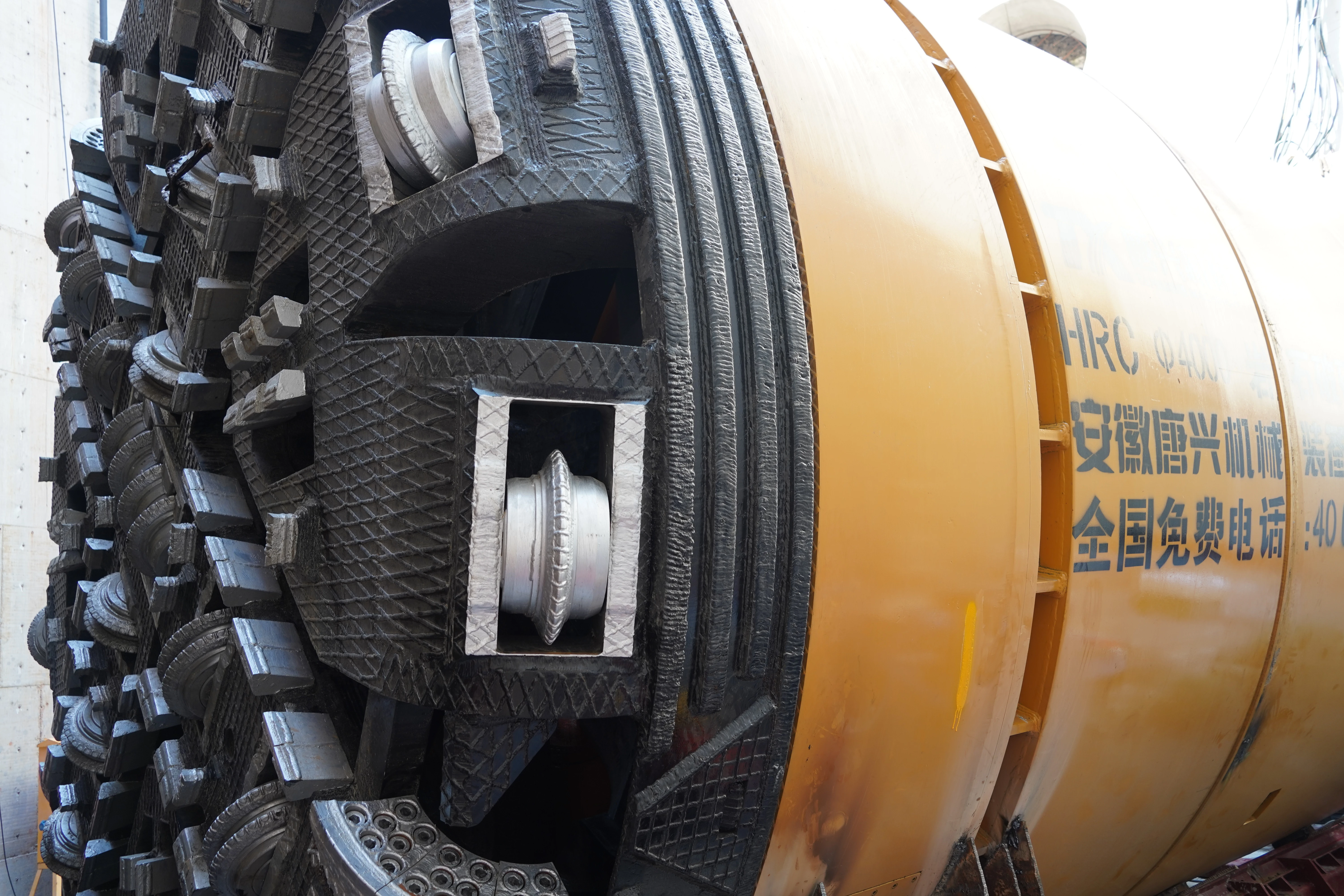
You need good tools and ways to keep density steady. Start with a strong slurry system. This system moves soil and water from the tunnel face. It keeps pressure steady and stops the ground from moving. Use sensors to check slurry density often. Change the mix if you see something different. This keeps the tunnel face safe. It helps the tunnel go in smoothly.
Pick a tunnel machine with closed-mode face support. This design holds the ground in place. It stops water from coming in. Use soil conditioning to make spoil easier to handle. This helps slurry flow better. It keeps pressure even. Plan your steps for installation. Move in stages to control the ground. This avoids sudden changes. CEGC gives tunnel machines with standard specs and custom options. You can match the machine to your project.
Tip: Always teach your team how to watch and change the slurry system. Good training makes installation safer and faster.
Case Studies and Results
You can see stable density control helps in real projects. When you use staged installation, you make small zones. The soil moves in a controlled way. This works well in weak soils. Projects with stable slurry systems need less force and energy. You save power and lower equipment wear.
-
Staged installation lowers force and torque for tunneling.
-
You use less energy and power than old methods.
-
Lower earth pressure and stress mean safer installation.
A project used CEGC’s microtunneling machine with a custom slurry system. It finished ahead of schedule. The team had fewer delays and less equipment wear. The installation stayed on line and grade, even in mixed ground. You can get the same results by using these best practices and picking the right equipment.
You must have stable density control for microtunneling long drives. This helps you work safely and accurately. You get good results and save money as time goes on. CEGC’s tunnel machine solutions give you strong equipment and trusted help. Look at the benefits below:
|
Technology Type |
Key Benefits |
|---|---|
|
Fast digging, less mess |
-
Great knowledge
-
Projects end when planned
FAQ
Why is stable density control important for microtunneling?
It keeps the tunnel safe. Stable density control stops the tunnel from moving. It helps you make the tunnel accurate and steady.
How does ground control help with microtunneling?
You control how soil moves and water flows. Ground control helps you fix problems in microtunneling. It keeps your tunnel boring machine working well.
Do trenchless solutions help with accuracy and precision?
Trenchless solutions cause less mess on the surface. These methods help you keep the tunnel straight. You get better results for your project.


