
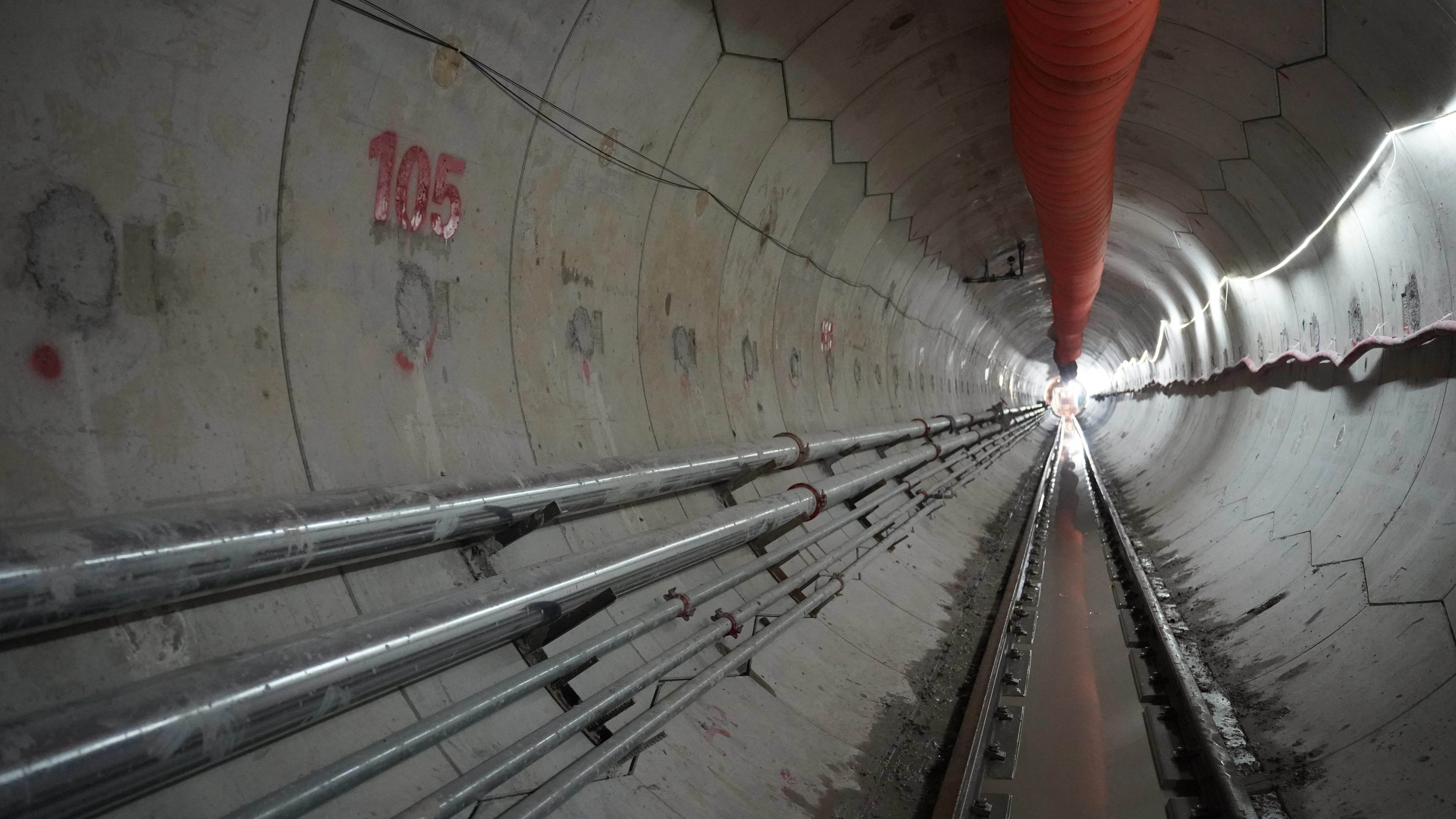
You get strong stability with microtunneling. Advanced machines and control systems help you maintain tight tolerances. CEGC provides tunnel boring machine solutions that address issues such as settlement, instability, and deviation. Microtunneling keeps alignment accuracy within 0.4% of perfect straightness, which is significantly better than traditional trenchless methods. Additionally, micro tunneling stability supports tighter tolerances in urban projects.
Key Takeaways
-
Microtunneling is very accurate. It keeps tunnels straight with 0.4% accuracy. This leads to fewer errors and less fixing needed.
-
Special machines and systems, like laser guidance and slurry support, help keep things stable. They also lower the chance of the ground sinking during building.
-
Microtunneling causes less mess on the surface. This makes it great for city projects. It helps protect nature and lets traffic move as usual.
microtunneling and equipment overview
What is microtunneling?
Microtunneling helps install pipelines without digging big trenches. It keeps the ground steady and the tunnel straight. Microtunneling uses a machine to make small tunnels. You control the machine from a distance. The machine digs dirt and pushes pipes into place. Hydraulic jacks help move the machine forward. Slurry or earth pressure balance systems support the tunnel face. These systems fight against water and soil pressure. Laser guidance helps steer the machine exactly. Microtunneling causes little surface disturbance. It is very accurate, especially for gravity-flow pipelines.
Keeping the tunnel face stable is very important for safety. Good face support stops sudden collapses and ground sinking. Bentonite suspension can leak into coarse soils and weaken face support. In loose sand, it can cause extra pore pressure and possible liquefaction. This can be dangerous.
Key features of micro tunneling equipment
Micro tunneling equipment has many benefits. You get a cutting head that you control remotely. Laser guidance helps keep the tunnel straight. You can build tunnels with curves and slopes. Slurry keeps the tunnel face safe and moves dirt away. You can make long tunnels and keep them accurate. The equipment has jacking systems, guidance controls, and slurry circulation. The tunnel face gets constant support. Bentonite slurry helps pipes slide and supports the ground. You can stop sinking under roads or train tracks. Real-time controls help keep the tunnel in line. Jacking forces are balanced with thrust blocks and lubrication. The equipment works in soft or mixed ground. It causes less surface disturbance. Micro tunneling is not disruptive. It works well in cities and sensitive places. It can handle bigger tunnels. It installs pipes precisely. It lowers risk and makes tunnels more stable.
Comparison with auger boring and TBM tunnel boring machine
The table below shows how micro tunneling, auger boring, and TBM tunnel boring machine are different:
|
Feature |
Microtunneling |
Auger Boring |
TBM Tunnel Boring Machine |
|---|---|---|---|
|
Precision |
High (±0.1%) |
Moderate |
High |
|
Settlement Control |
Excellent |
Variable |
Excellent |
|
Alignment Accuracy |
Very High |
Lower |
High |
|
Disruption Level |
Minimal |
Moderate |
Minimal |
|
Ground Support |
No-dig, jacks, slurry |
Augers, limited support |
Hydraulic jacks, concrete rings |
|
Space Requirement |
Less |
Moderate |
More |
Micro tunneling equipment is very precise and controls settlement well. Auger boring is less accurate and settlement control changes. TBM tunnel boring machine is also accurate but needs more space. Micro tunneling is special because it does not disturb the area and fits in tight city spaces.
micro tunneling stability supports tighter tolerances
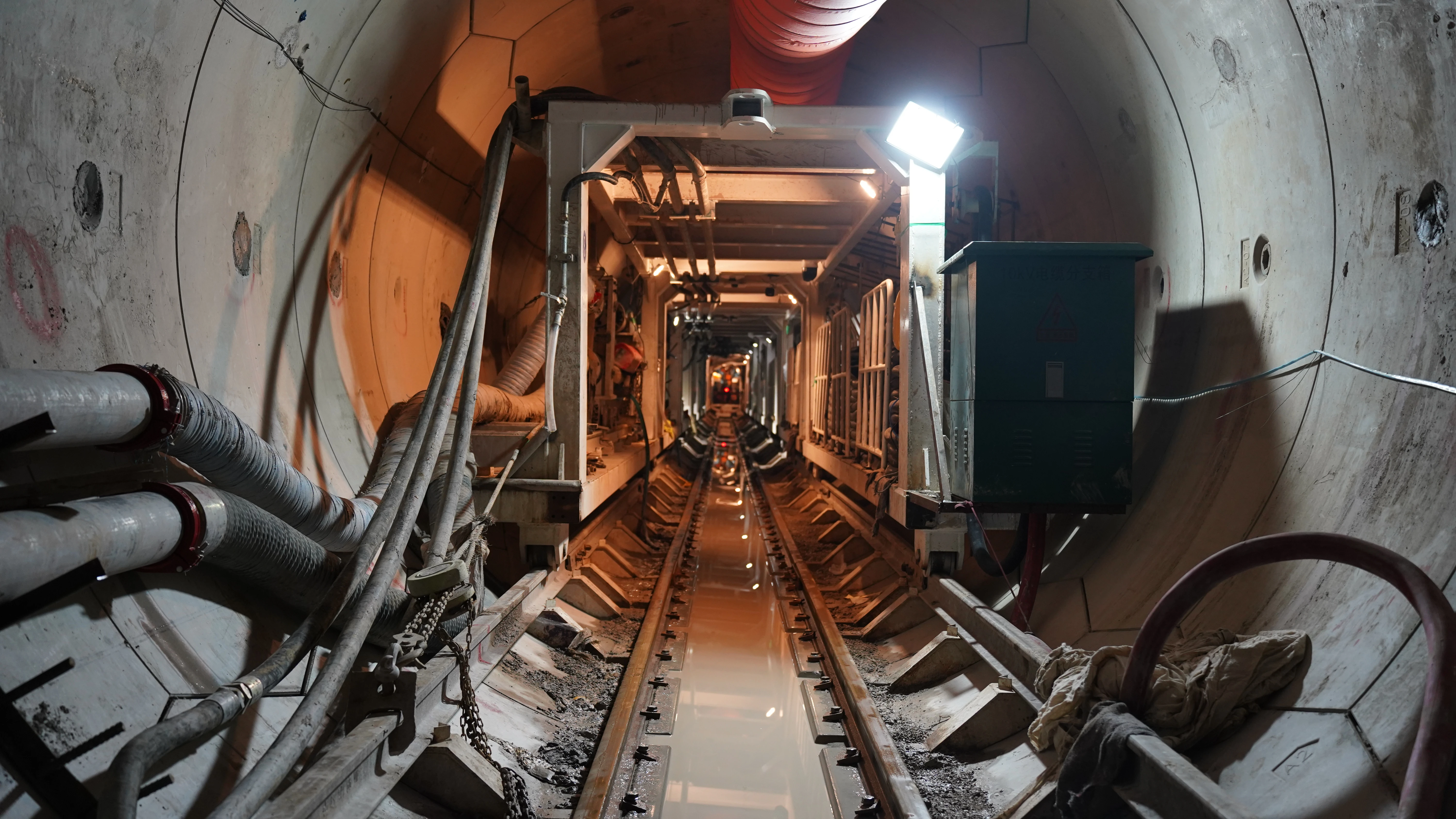
Stability mechanisms in microtunneling
Microtunneling helps keep the ground safe during building. It uses smart ways to hold up the tunnel face and stop ground loss. Here are some main ways micro tunneling stability supports tighter tolerances:
-
Closed-face excavation stops soil and water from rushing in. The tunnel machine has a sealed chamber at the front.
-
Slurry systems use bentonite and water to fill space in front of the cutting head. The slurry holds up the tunnel face and controls ground and water pressure. It also carries away the dug-up soil.
-
Special cutting heads work for different types of ground. These heads keep the tunnel face steady and stop collapses, even in soft or wet soils.
-
You can control how fast you dig. This helps avoid shaking the ground too much. Careful digging stops sudden movement or sinking above the tunnel.
-
By making the overcut small and filling space around the pipe with bentonite, you can control surface sinking.
Bentonite slurry does more than just hold up the tunnel face. It also controls the pressure from soil and water around the tunnel. This keeps digging safe and steady. Slurry systems make positive pressure in the chamber. This stops collapses in soft ground or places with lots of water. The slurry also helps move dirt back to the plant, keeping the tunnel clean and safe.
Achieving tight tolerances in alignment and grade
You need to be very accurate when building tunnels under roads or city streets. Micro tunneling stability supports tighter tolerances by using advanced guidance and navigation systems. These systems help keep the tunnel on the right path and slope.
-
Laser guidance tracks the tunnel machine’s position and direction. If the machine moves off the planned path, you can fix it fast.
-
Calibration and setup are important for good results. The laser gives a fixed point along the tunnel’s center.
-
Some projects use gyro navigation for small tunnels or sharp curves. These work well when lasers are hard to use.
-
Navigation systems can change based on tunnel shape, size, and the machine you use.
You can see the results in the numbers. In many cities, microtunneling projects set strict limits for how much the tunnel can move off course. For example:
|
Tolerance Type |
Value |
|---|---|
|
Maximum Deviation |
50 mm |
|
Overall Tolerance |
75 mm |
Microtunneling often does even better than these numbers. In hard rock, the adjustment-to-deviation ratio can reach 1, showing great control. Even in soft clay, you can keep the tunnel close to the planned line. This control means you do not need to redo work and you meet owner rules for accuracy.
Practical outcomes and project examples
Micro tunneling stability supports tighter tolerances and gives real benefits. CEGC’s tunnel machine and microtunnelling machine solutions help you finish jobs faster and safer. Here’s how:
-
Remote operation means fewer workers inside the tunnel. This makes the job safer and lowers mistakes.
-
Advanced controls let you react fast to changes in the ground. You can keep the project on track, even if things change.
-
Regular checks and maintenance keep machines working well. You avoid long delays and stay on schedule.
-
Modular designs make it easy to move and set up the equipment, even in small city spaces.
In one project, two microtunnel boring machines helped the team finish early. The advanced systems let them fix problems quickly. In Waikiki, microtunneling worked in very soft soils by changing the machine and adding extra ground support. This shows how micro tunneling stability supports tighter tolerances, even in hard places.
Microtunneling is also better for the environment. It causes less surface damage than open-cut methods. You can put pipes under busy streets without stopping traffic or hurting the area above. Continuous checks stop sinking and keep the ground steady.
CEGC’s solutions for face support, guidance, and wear management give you confidence. You can meet strict city rules, avoid claims, and get high-quality results. Whether you work for a B2B owner, an EPC contractor, or a city utility, you get reliable work and long-term value.
You get more accuracy and less risk with microtunneling. CEGC’s tunnel machine and TBM solutions help you follow rules and keep quality high.
Microtunneling makes building go faster and helps protect nature.
|
Cost Saving Aspect |
Description |
|---|---|
|
You finish jobs quicker by using smart ways. |
|
|
Lower Community Disruption |
You do not bother local shops or slow down traffic. |
FAQ
What makes microtunneling more precise than other trenchless methods?
Microtunneling uses special guidance systems. These systems help keep the tunnel straight. Closed-face excavation also helps the tunnel stay on track. This means the tunnel does not move off the planned path much.
How does microtunneling reduce ground settlement?
Microtunneling keeps the pressure steady at the tunnel face. Slurry systems support the ground above the tunnel. These steps stop the soil from moving or sinking.
What are future developments in micro tunneling technology?
Micro tunneling will get smarter control systems. Cutterheads will work better. Data tracking will improve. These changes will make tunnels even safer and more exact.


