
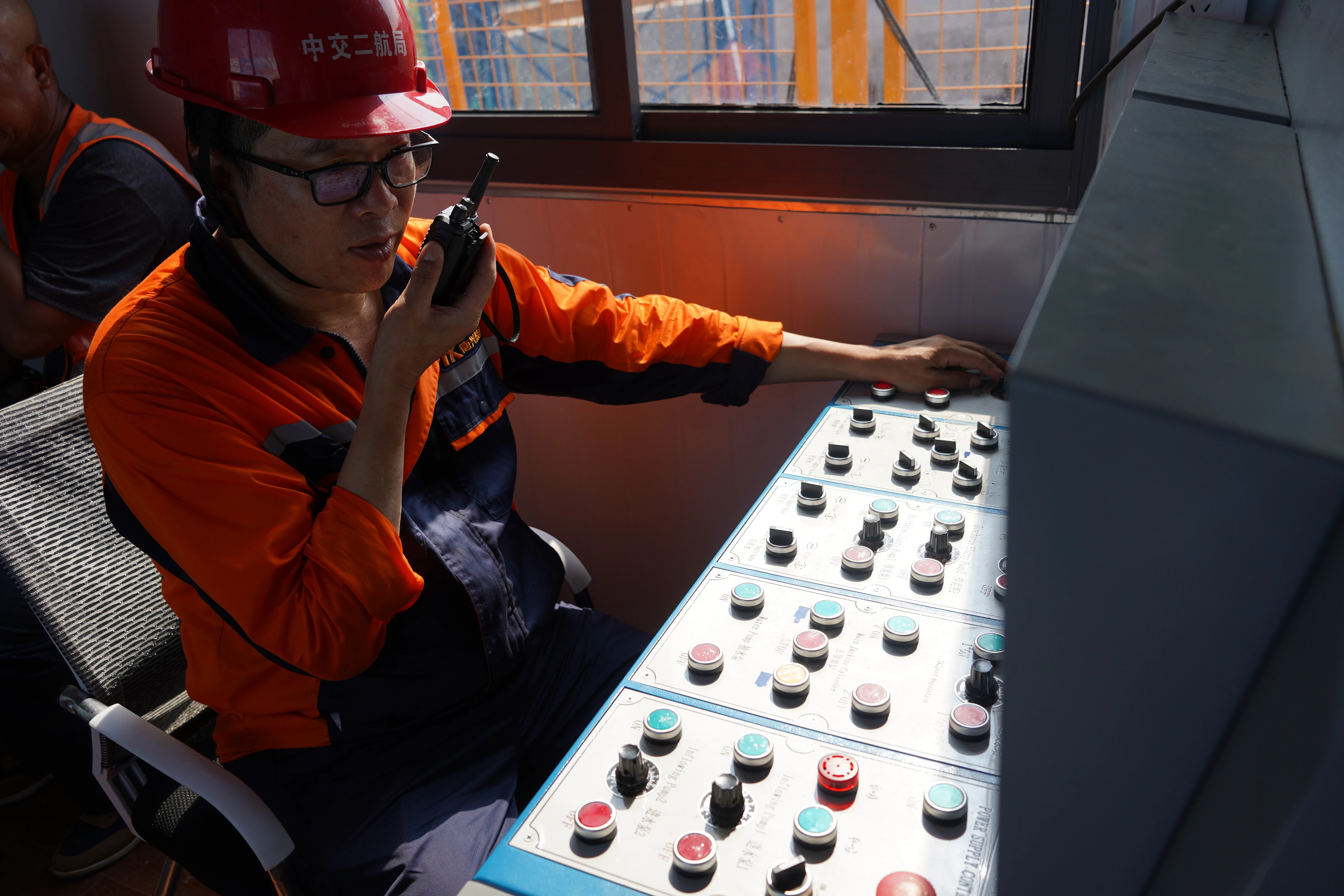
You should always put safety first in every microtunneling project. Safety keeps your team safe. Safety also protects your equipment. Safety makes sure your tunnel boring machine works right. Safety stops expensive delays. Safety lowers risk for all people on site. Safety helps you feel sure about your plan. Safety helps you reach your project goals. Safety is important for your reputation. Safety helps you handle sudden inflow events. Micro tunneling needs a plan for sudden inflow events, and CEGC can give you strong technical help to make your safety better.
Key Takeaways
-
Safety should always come first in microtunneling projects. A good safety plan keeps your team and tools safe. This also stops expensive delays from happening.
-
Use real-time monitoring systems to watch for groundwater changes. Finding problems early helps you act fast during sudden inflow events.
-
Pick a tunnel machine supplier who knows about water risks. The right tools and help keep your project safe and on schedule.
sudden inflow events and groundwater risks
defining sudden inflow events
Working underground has many risks. Sometimes things happen that you do not expect. In microtunneling, sudden inflow events are when a lot of water or groundwater comes into the tunnel very fast. These events can make the tunnel flood. You have to move quickly to keep your team and equipment safe. Water can hurt your tunnel boring machine. Water can also make the ground weak. You need a plan for these events to keep everyone safe and stop delays.
causes in microtunneling
Unplanned events can start if groundwater or soil changes. You might find a spot with water under pressure. Loose soil lets water move fast. Mistakes during construction can let water rush in. You need to look for these risks all the time. If you do not control groundwater, safety can drop and your tunnel can get damaged. Water can wash away soil and make the tunnel weak. You need the right tunnel boring machine to deal with water and groundwater. This helps you keep safety first.
groundwater impact and monitoring
Groundwater is important in microtunneling. You have to check groundwater and water pressure all the time. If you do not, you might get surprised by unplanned events. You can use vibrating wire piezometers to watch groundwater and water pressure. These tools help you see changes before they cause trouble. You need a drainage system to take water out of the tunnel. You also need a dewatering plan to lower groundwater before digging. Good checking and planning keep safety strong and help you finish on time.
Tip: Always look at your groundwater data before you start work. This helps you find unplanned events early and keep your team safe.
-
Water and groundwater can:
-
Make the tunnel flood
-
Hurt your tunnel boring machine
-
Slow down your project
-
Lower safety for everyone
-
You have to be ready for unplanned events. You need to control water and groundwater to keep your project safe and moving forward.
micro tunneling needs a plan for sudden inflow events
risk assessment and early detection
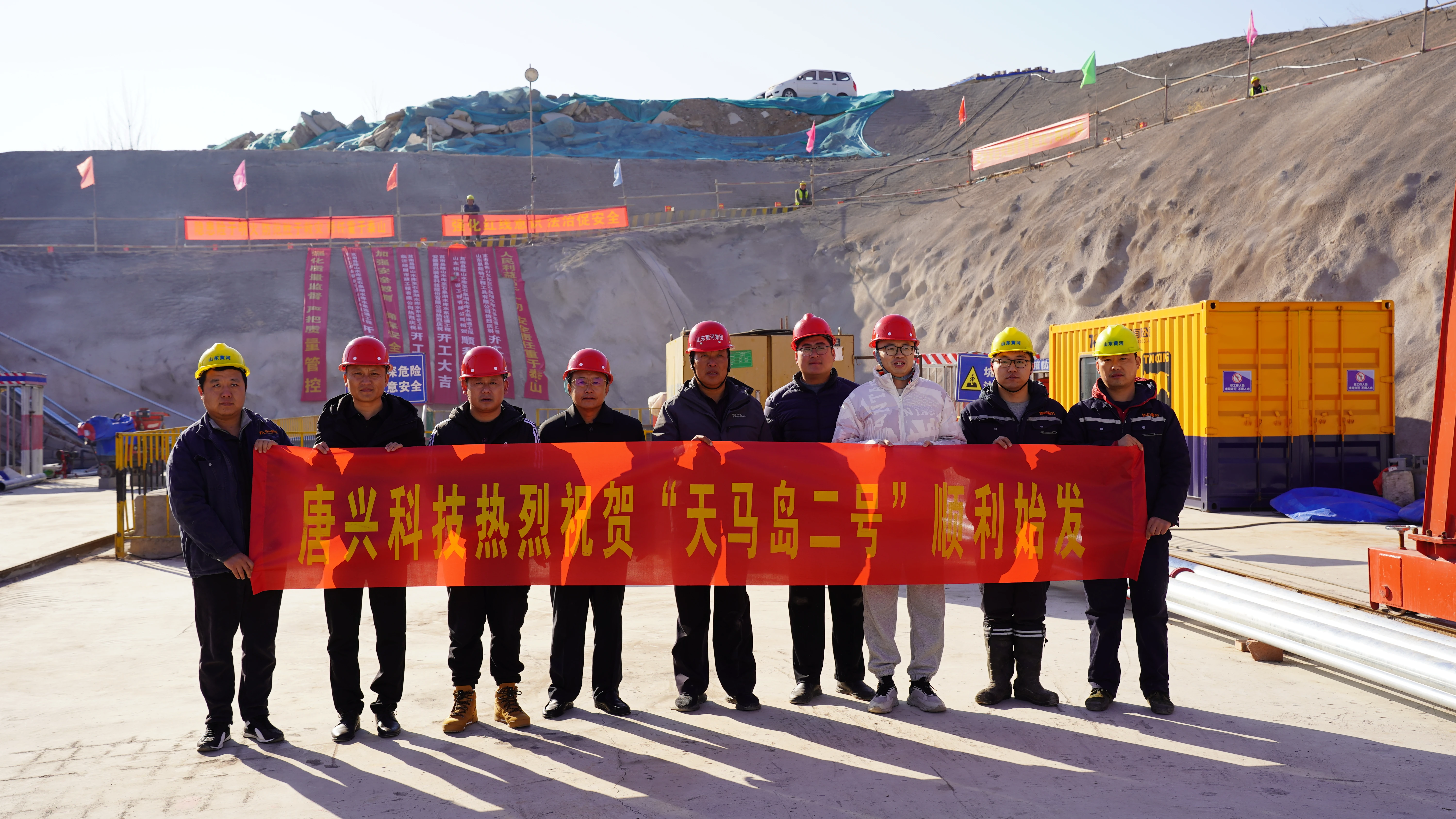
You should always start with a good risk check. Micro tunneling needs a plan for sudden inflow events because water can rush in fast. This can put your team and equipment in danger. You have to look for signs of water before digging. Use site checks to find where water could cause trouble.
-
Trial pits let you see the ground about 4-5 meters deep. You can look for water and changes in the soil.
-
Boreholes help you reach deeper ground layers. You can test for water pressure and soil type.
-
Probing uses a steel rod to check how strong the soil is and if there is water. This gives you a clear idea of the ground.
You should use all these ways together. They help you find water risks early. Finding problems early is important for safety. You need to set up tools like piezometers to watch water pressure. These tools give you real-time data. If you see a sudden change, you can act fast. Kick detection systems help you notice when water starts to flow in. This helps you avoid a well control problem. You must always watch for water signs. Good checking and early warning keep your project safe.
Tip: Check your site data every day. This helps you find water risks before they turn into big problems.
planning and mitigation strategies
Micro tunneling needs a plan for sudden inflow events at every step. You must have emergency steps ready. Train your team so they know what to do if water comes in. Practice drills so everyone can act fast. Keep loss prevention material on site. This helps you stop water quickly if needed.
You need to set up real-time water checks. Use sensors to watch water pressure and flow. If you see a spike, you can act right away. Kick detection systems warn you if water rushes in. This helps you avoid a well control problem and keeps safety high.
Make sure you have a plan to lower groundwater. Lower the groundwater before you dig. Set up drains to take water out of the tunnel. Always check your monitoring data. If you see changes, update your plan. Micro tunneling needs a plan for sudden inflow events that covers every risk.
Note: Training your team and having clear emergency steps saves time and keeps everyone safe during water problems.
supplier selection and equipment readiness
Picking the right tunnel machine supplier is very important. Micro tunneling needs a plan for sudden inflow events, and your equipment must be ready for water risks. Look for suppliers who know about different tunnel machines and how they work in wet ground. CEGC connects you with good TBM tunnel boring machine and auger boring machine choices. They give strong technical help and fast spare parts.
You need a supplier who helps you match the tunnel machine to your ground and water needs. This keeps safety high and stops delays. Ask your supplier for project examples. Make sure they know how to handle water risks and sudden inflow events. Good suppliers give after-sales help, operator training, and local spare parts. This keeps your tunnel machine ready for any water problem.
You also need to focus on ground and water design. Micro tunneling needs a plan for sudden inflow events that uses local knowledge and checks for old pipes or blocks. Make sure you can see between shafts. Look at past projects in the area to learn about water issues. If you find high water pressure or loose soil, update your plan. Monitoring and early warning tools help you stay ahead of water risks.
Callout: 42% of projects cost more when water inflow surprises the team. Good planning and the right tunnel machine supplier help you avoid these problems.
Micro tunneling needs a plan for sudden inflow events at every step. You must use strong risk checks, early warning, and real-time monitoring. You need emergency steps, trained staff, and loss prevention material. Pick a supplier like CEGC who helps you with the right tunnel machine and technical support. Always update your plan as you learn more about water risks. This keeps safety high and your project moving forward.
You must have a good plan for sudden inflow events in microtunneling. Risk checks help you find problems early. Real-time monitoring lets you see water changes fast. A good supplier helps you fix issues quickly.
-
Look at your plan often
-
Teach your team what to do
-
Pick equipment partners who know what they are doing
Be ready. Good planning keeps your team and tunnel machine safe.
FAQ
What should you do if you see water entering the tunnel fast?
You must act quickly. Tell your team. Use your emergency plan. Check your water sensors. Stop the water flow. Keep everyone safe.
How can you check for water risks before you start microtunneling?
You should use trial pits, boreholes, and probes. These tools help you find water in the ground. Always check your water data before you dig.
Why does your tunnel boring machine need to handle water?
Your tunnel boring machine must work in wet ground. Water can rush in at any time. You need strong machines to keep water out and protect your project.


