
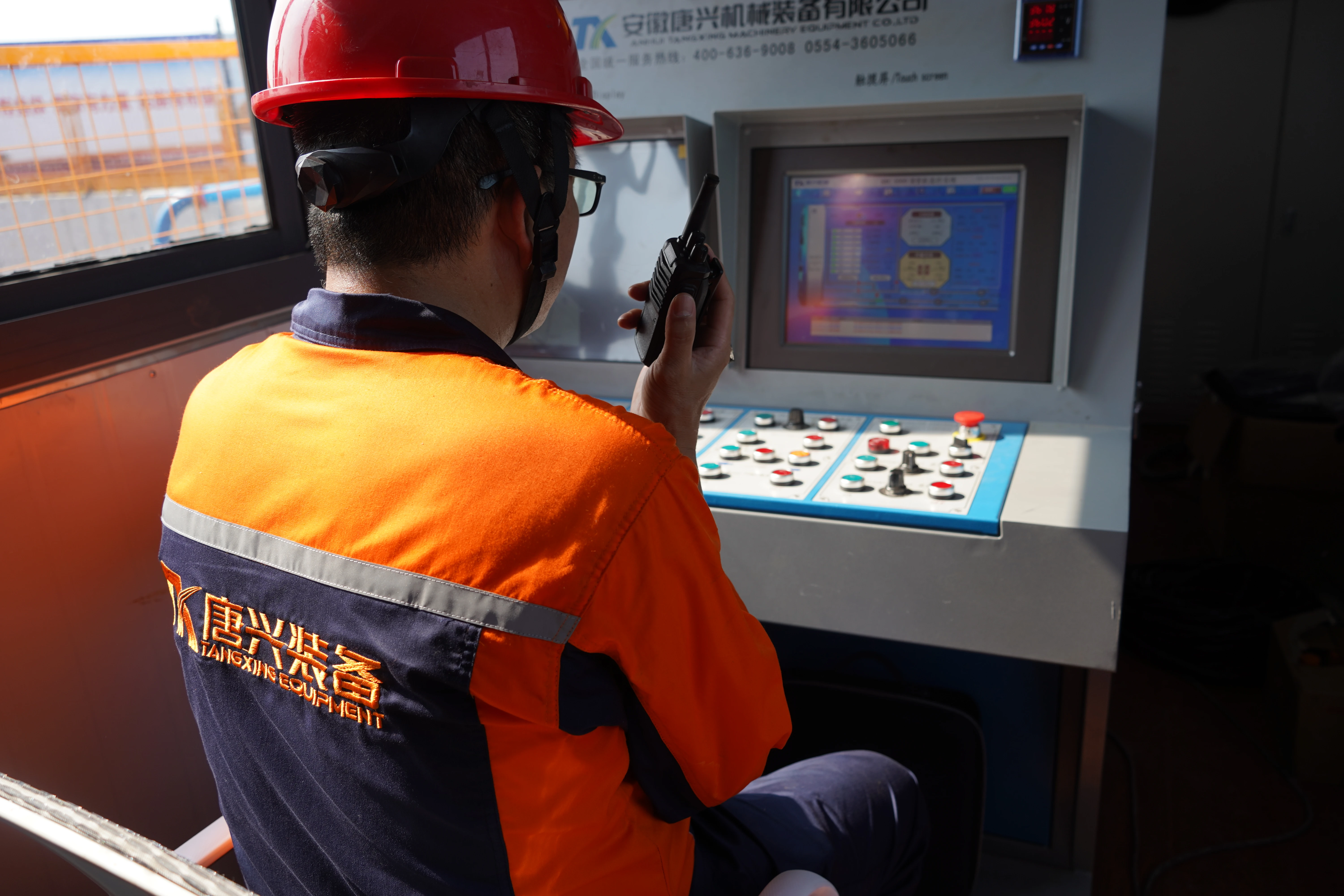
You need adaptable TBM machine settings to effectively control settlement in every tunnel project. Ground movement can cause buildings and utilities to shift or break, making tunnels unsafe. New tunnel boring machine technology, such as real-time monitoring and pressure control, enables you to respond quickly. CEGC provides assistance and solutions to ensure that settlement control improves with adaptable TBM machine settings. Settlement control enhances with adaptable TBM machine settings when you select the right tunnel boring machine. This is particularly important in urban tunnel construction, where settlement control improves with adaptable TBM machine settings. When you modify your tunnel boring machine, settlement control benefits from adaptable TBM machine settings. In challenging tunnel projects, settlement control improves with adaptable TBM machine settings.
Key Takeaways
-
Adaptable TBM machine settings are very important for controlling ground settlement during tunnel projects. Changing settings like face pressure and advance rate can stop damage to buildings and roads.
-
Real-time monitoring and predictive tools help find ground movement early. This lets workers change TBM settings quickly, lowering risks and keeping projects on time.
-
Picking the right tunnel boring machine supplier is very important. Choose suppliers who give strong technical support, fast spare parts, and options to fit your project needs.
Settlement Control with Adaptable TBM Settings
What Is Settlement Control?
It is important to know about settlement control for tunnel projects. Settlement control means you watch how much the ground moves when you build a tunnel. If you do not control this, buildings and roads can crack or sink. This can make the area dangerous and cost a lot to fix. Deformation control keeps the tunnel safe and helps you finish on time. You want to stop delays and extra spending.
There are different ways to manage ground settlement. One way is to make a digital twin of the tunnel site. This is a computer model that shows what is happening underground. You can also use machine learning to study how the ground moves. This helps you find problems before they happen. Every tunnel project is different, so you need to change your plan for each one. Using data-driven methods can help you improve shield tunneling and keep the ground steady.
Key TBM Settings to Adjust
You can control tbm-induced building settlement by changing some settings on your tunnel boring machine. The most important ones are face pressure, advance rate, cutterhead speed, and thrust. Each one changes how the ground acts during tunneling.
-
Face Pressure: You need to watch face pressure closely. If it is too low, the ground can sink. If it is too high, the ground can rise. When earth pressure is less than active earth pressure, the ground sinks. If you make tunneling pressure too high, you get more surface settlement. You must keep the pressure just right to stop problems.
-
Advance Rate (Driving Speed): The speed of the tbm is important. Studies show that faster speeds cause less surface settlement. For example, if you drive the tbm faster, the ground above moves less. Here is a list of surface settlement at different speeds:
-
2.55 m/h: 3.22 mm
-
2.11 m/h: 3.43 mm
-
1.8 m/h: 3.63 mm
-
1.56 m/h: 3.96 mm
-
1.38 m/h: 4.18 mm You can see that slower speeds cause more settlement.
-
-
Cutterhead Speed and Thrust: You can also change the cutterhead speed and thrust to make things better. These settings help match the tbm to the ground. If you set them right, you lower the risk of tbm-induced building settlement and keep the tunnel safe.
You should check these settings often. How the tbm affects the ground depends on how you use these controls. If you use the right settings, you get better results and less settlement.
Real-Time Monitoring and Predictive Tools
You can use real-time monitoring to find ground movement early when building tunnels. Real-time monitoring lets you see changes as they happen. This helps you change your tbm settings fast and stop problems. There are different monitoring systems you can use:
|
Type of Monitoring System |
Description |
|---|---|
|
In-Tunnel and Face Monitoring |
Uses Ground Penetrating Radar (GPR) and Tunnel Seismic Prediction (TSP) to find problems ahead of the tbm face. Sensors track face pressure and ground settlement in real time. |
|
Surface Monitoring |
Uses InSAR for real-time surface settlement checks and Automated Total Stations (ATS) for tracking ground movement. |
|
Integrated Digital Monitoring |
Connects geotechnical data with tbm control software. Uses AI and machine learning for predictive alerts and cloud dashboards for easy access. |
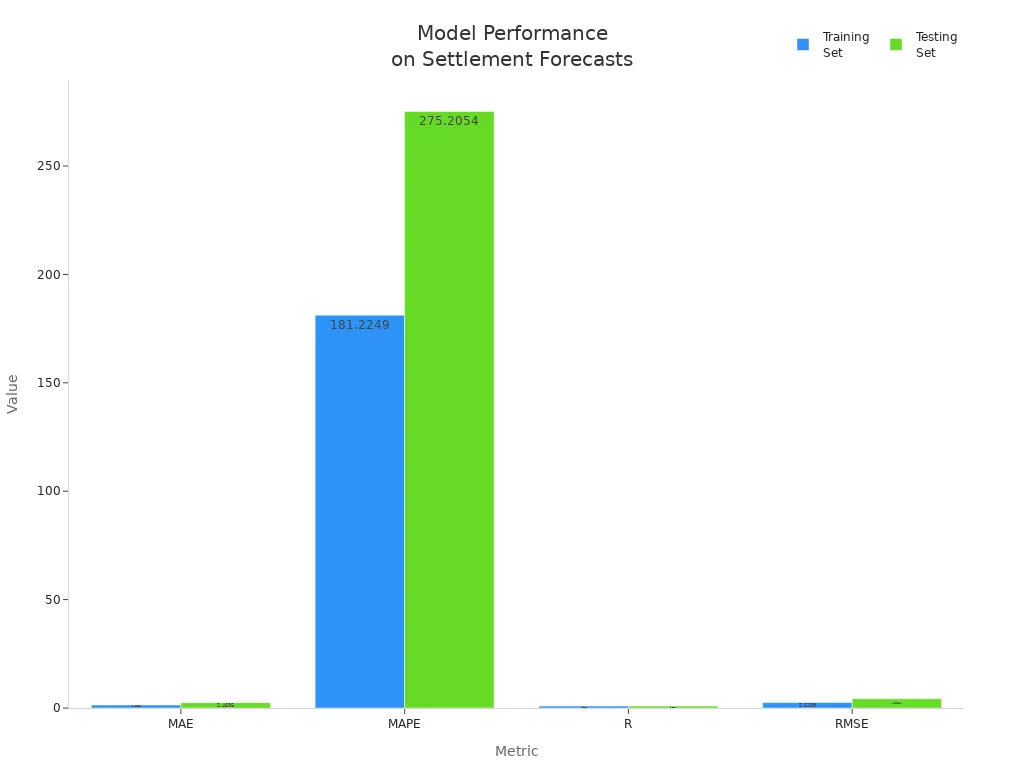
You can also use predictive modeling tools to guess how much settlement will happen. These tools use machine learning to study data from the tunnel site. They help you know how the ground will move. The chart below shows how machine learning models make settlement forecasts more accurate:
When you use digital monitoring platforms with your tbm control system, you get many good things:
|
Benefit |
Description |
|---|---|
|
Early Detection of Anomalies |
You can find weak zones, water, or mixed ground before the tbm reaches them. |
|
Operational Optimization |
You can adjust thrust, torque, and face pressure based on real-time feedback. |
|
Risk Mitigation |
You can avoid collapses, excessive settlement, and costly delays. |
|
Documentation and Claims |
You get real-time data for insurance and contractor claims. |
|
Improved Safety |
You keep workers safer by reducing risky interventions. |
You can use machine learning to make a digital twin of the tunnel site. This helps you see the effects of tbm-induced building settlement before you dig. You can teach the model using old projects. This makes your guesses better and helps you plan. You can also use machine learning to change your plan for each tunnel. This gives you better results and performance.
Tip: Always use real-time monitoring and machine learning tools together. This is the best way to control tbm-induced building settlement and keep your tunnel project on track.
Supplier Selection and Best Practices
Evaluating Technical Capability
You must check each tunnel boring machine supplier’s skills before starting. Pick machines that fit your ground and project needs. Suppliers should have safety features and water systems. They should also let you change the machine for your project. The table below lists what to look for when picking a tunnel boring machine:
|
Criteria |
Description |
|---|---|
|
Lowers risks during tunnel work. |
|
|
Ventilation and air quality management |
Keeps workers safe in the tunnel. |
|
Water management and sealing systems |
Stops water from getting in and keeps the tunnel steady. |
|
Noise and vibration control |
Meets rules and keeps workers comfortable. |
|
Energy recovery and efficiency systems |
Saves money and helps the tunnel boring machine work better. |
|
Customisation for geological conditions |
Lets the machine work at different tunnel sites. |
|
Project management software integration |
Makes planning and control of the tunnel easier. |
You should also pick suppliers who use automation and data tools. These help the tunnel boring machine work better.
After-Sales Support and Spare Parts
You need good after-sales support for your tunnel boring machine. Good suppliers give training, help, and quick spare parts. CEGC gives on-site setup, checks, and has many real parts in stock. The table below shows what you should get:
|
Aspect |
Description |
|---|---|
|
Gives help and training for using the tunnel boring machine. |
|
|
Maintenance Services |
Does regular checks and fixes for tunnel boring machines. |
|
Spare Parts Availability |
Has lots of parts to stop long waits in tunnel projects. |
Implementation Challenges and Solutions
You might have problems when you change tunnel boring machine settings. Things like tunnel bending, weak rocks, and water can slow your project. You can use models and real-time checks to find risks early. Machine learning helps you change speed and pressure for the ground. You should test your tunnel boring machine in many ways before you start. This stops delays and keeps your tunnel safe.
Tip: Always pick a tunnel boring machine supplier with strong support and fast spare parts. This keeps your tunnel project going well and helps you control settlement.
You get better settlement control by using adaptable TBM machine settings. Real-time changes help keep the ground from moving too much. The table below shows how some tunnel projects stayed safe:
|
Metric |
Value |
|---|---|
|
Maximum recorded settlement |
|
|
Average subsidence range |
-8 mm to -10 mm |
|
Allowable subsidence limit |
30 mm |
You get good results when you pick suppliers with technical support and quick spare parts. Many tunnel teams kept subsidence under 10 mm by using real-time monitoring and new tunnel boring machine designs. CEGC helps you reach your tunnel goals with expert advice and dependable machines. Ask for a technical proposal for your tunnel project today.
FAQ
What warranty should you expect with a tunnel boring machine?
Most tunnel boring machines come with a 12-month warranty. Some also have a 2,000 working hour warranty. This means your tunnel machine is protected from early problems. The warranty helps cover issues that happen at the start of your tunnel project.
How do you compare tunnel boring machine supplier proposals for a tunnel project?
You need to look at technical support and after-sales service. Check if the tunnel machine can be changed for your project. Make sure spare parts are easy to get. Always ask for references from other tunnel projects. Look at data about how the tunnel machine worked before.
Why is local after-sales support important for your tunnel project?
Local support lets you fix tunnel machine problems quickly. This means your tunnel project does not get delayed for a long time. You can also get spare parts for your tunnel boring machine fast.


