
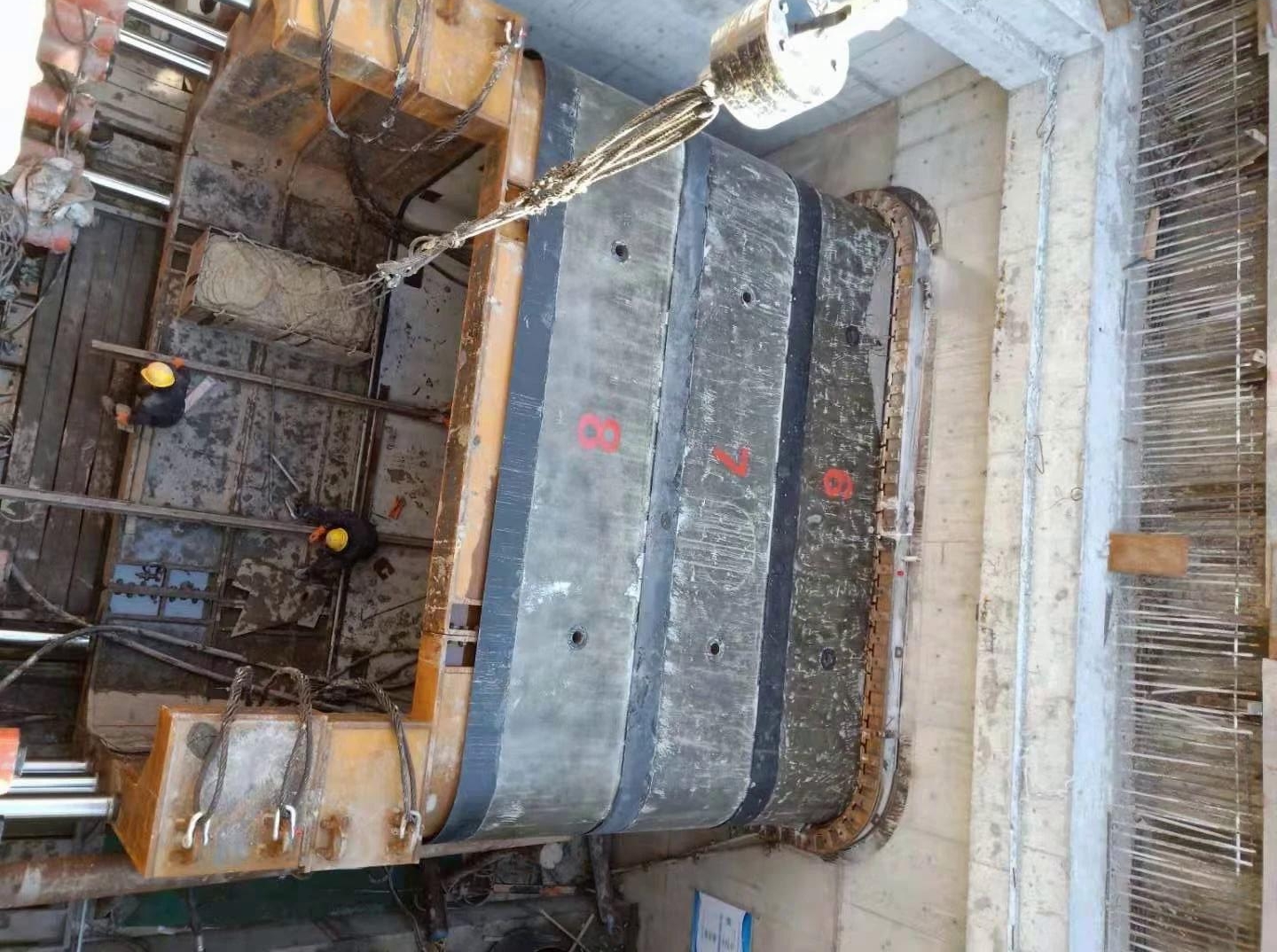
Micro tunneling overload events often follow clogging, leading to increased resistance and pressure that can cause your tunnel machine to stop or break. CEGC provides smart solutions to address these challenges, ensuring you achieve better results and reduced risks during your tunneling operations.
Key Takeaways
-
Clogging in microtunneling can cause big problems. The machine may move slower. The project may cost more money. Check the soil and muck flow often to find problems early.
-
Micro tunneling overload events usually happen after clogging. This is because resistance gets higher. Watch the torque and listen for strange sounds. These can warn you about overload before it gets worse.
-
Using CEGC's advanced solutions can help a lot. Face pressure control and soil conditioning lower the chance of overload. They also make the project work better.
Clogging in Microtunneling Operations
Causes of Clogging
Clogging happens in microtunneling when pressure changes or particles build up. Bottlenecks inside the tunnel can also cause clogging. Fine soil particles can stick together and block muck flow. This makes it hard for the tunnel machine to move forward. Sometimes, water content or soil type changes make clogging worse. If you use a TBM tunnel boring machine or a microtunneling machine from CEGC, you know small soil changes can cause big trouble. Sticky or thick soil can slow down the whole job.
Tip: Check soil consistency and muck flow often to catch clogging early.
Impact on Tunnel Machine Performance
Clogging causes many problems for microtunneling work. The machine may move slower, so your project takes longer. You might have to stop and clear blockages more often. This wastes time and money. Clogging can also cause ground settlement, face instability, and water leaks. These problems make the worksite less safe and harder to manage. CEGC’s tunnel machine has features to help with these risks, but you still need to watch for clogging. When soils get too thick, they can block the machine like a paste. Changing water content can help, but you must act fast to stop bigger issues.
How Micro Tunneling Overload Events Often Follow Clogging
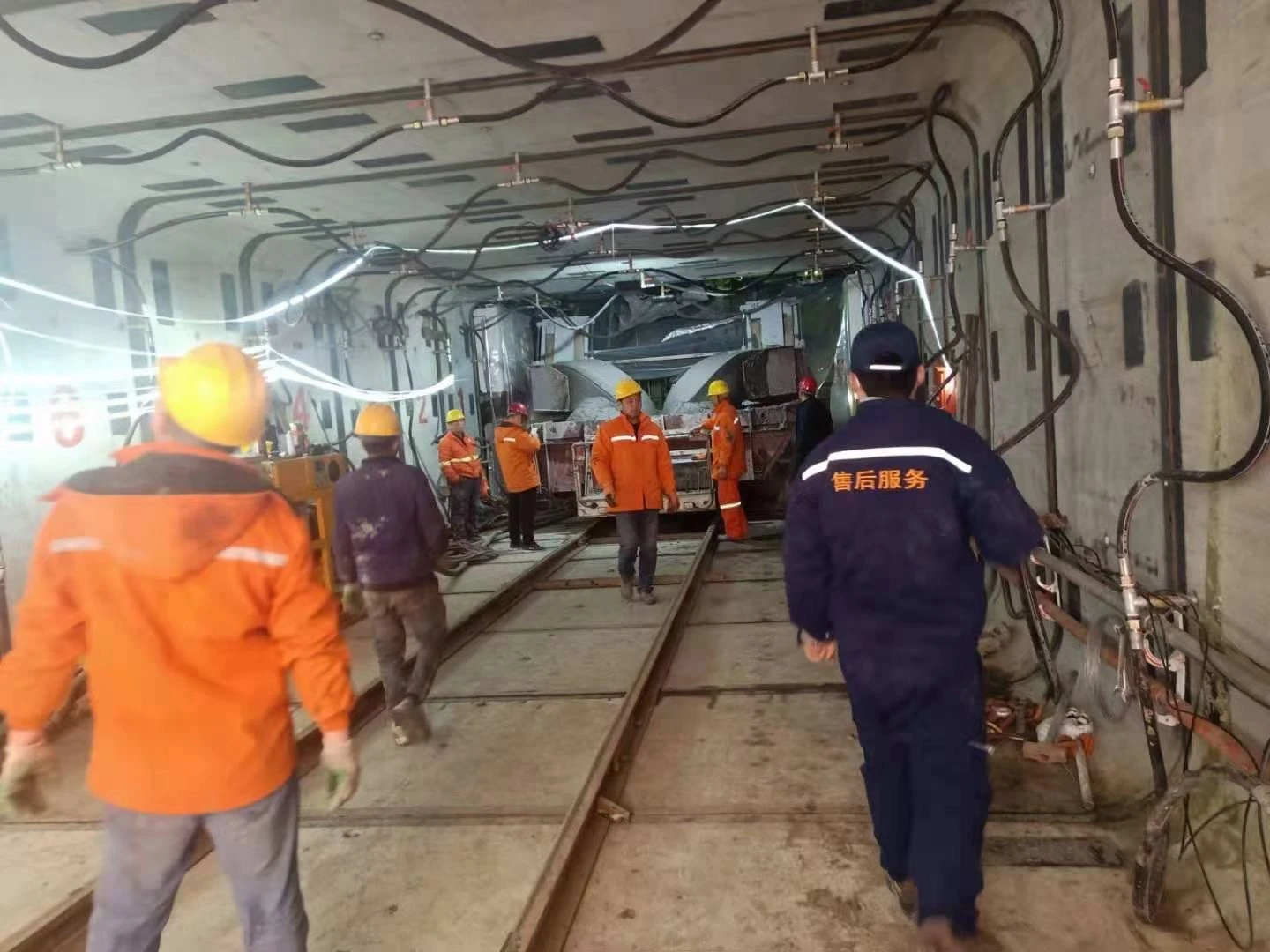
Increased Resistance and Mechanical Overload
When you use a tunnel machine, you want muck to move easily. If clogging happens, things get harder. The pressure inside the tunnel goes up. The machine faces more resistance. The drive slows down. The cutterhead has trouble turning. This is when micro tunneling overload events happen after clogging. The machine needs extra force to push through the blockage. This causes mechanical overload. The system works harder. The motors use more power. Bearings and seals feel more stress. You notice vibration, loud sounds, or sudden stops.
You need to know how failures start with clogging. Muck builds up and blocks the flow. Pressure rises behind the blockage. The machine tries to keep moving, but resistance grows. This leads to mechanical loading that is not safe. You risk separation overload, where pipe joints or connections break. Pipe failure can stop the project. Drive stalling is another risk. The machine cannot move forward, so you must clear the blockage.
Note: Micro tunneling overload events often follow clogging because the system cannot handle the extra load. Watch for early signs to stop bigger problems.
Equipment Response and Overload Triggers
Your tunnel boring machine reacts to clogging in many ways. The control system may show higher torque. The advance rate drops. The cutterhead may stall. These are signs of mechanical overload. If you ignore these warnings, you face serious failures. The machine can have motor burnout or gear damage. The pipe string may crack or break. You may see leaks or ground loss at the face.
Micro tunneling overload events often follow clogging because the equipment cannot release the built-up pressure. Mechanical loading keeps rising. Failure becomes more likely. You must act fast to avoid costly repairs and downtime.
Here are some technical risks when micro tunneling overload events follow clogging:
-
Separation overload at pipe joints
-
Pipe failure from high pressure
-
Drive stalling and loss of advance
-
Motor or gearbox damage from too much load
-
Ground loss or face collapse from uncontrolled pressure
You can lower these risks by using CEGC’s advanced solutions. Face pressure control helps keep the excavation stable. You balance soil and water pressure to stop collapse. Soil conditioning makes muck flow smoother and reduces clogging. Engineered slurries keep the face stable and lubricate the system. Wear management helps you avoid overload. You replace worn parts before they break. You keep the cutterhead and bearings in good shape. This lowers overload and keeps your project on track.
-
Face pressure is important for stopping collapse during excavation.
-
Soil pressure balancing is vital in trenchless construction to avoid big problems.
-
Good management of soil and water pressure leads to successful microtunneling projects.
You must control the flow in the excavation chamber and manage the advance rate. This stops stalling and ground loss. The support pressure of your tunnel boring machine is key for keeping the tunnel face stable. You need to know how soil acts and adjust support pressure as needed.
Material clogging can cause overload and extra wear on your tunnel machine. You must know the failure mechanisms and use prevention strategies. A steady and controlled feed rate helps you avoid overload. This keeps your equipment running well and lowers the risk of mechanical overload.
Micro tunneling overload events often follow clogging, but you can manage these risks. Use CEGC’s face pressure control, soil conditioning, and wear management systems. You will see fewer overload events and less downtime. You keep your project safe and efficient.
Preventing Overload After Clogging in Microtunneling
Monitoring and Early Detection
You should look for signs of overload and fatigue. This helps you keep your tunnel machine working well. If you find problems early, you can stop downtime. Check torque numbers and listen for strange noises. Watch for muck that moves slowly and pressure that goes up. These things mean overload and fatigue are happening. Sensors can help you watch how the machine works. They show overload before it causes more problems. CEGC’s tunnel boring machine gives you data right away. You can see changes fast and catch overload early. This stops fatigue and keeps your machine running.
Tip: Make alerts for overload and fatigue. Check your logs every day. You will notice patterns and stop overload events.
Technical Solutions and Best Practices
You can stop overload and fatigue with smart ideas. CEGC’s modular design lets you change parts fast. This keeps your machine strong and lowers fatigue. Service systems help you fix overload quickly. Custom tools fit your project and ground. You match the machine to your site and lower fatigue. Maintenance is very important. Clean muck lines and check the cutterhead often. This stops overload and keeps fatigue away. Diagnostics help you find problems early. Support teams help you check performance. You get help with overload and fatigue.
Here is a simple table for best practices:
|
Practice |
Benefit |
|---|---|
|
Daily checks |
Less overload, less fatigue |
|
Modular parts |
Better performance, less fatigue |
|
Service support |
Faster overload fixes, less fatigue |
|
Custom solutions |
Higher performance, less fatigue |
You make your machine work better by doing these steps. You keep overload away and your tunnel machine stays strong.
You often see overload after clogging in microtunneling. Overload can make your project risky and cause delays. If you find overload early, you can stop damage to your tunnel machine. CEGC’s smart features help lower overload and keep your project safe. Here is how these features help your tunnel machine work better:
|
Feature |
|
|---|---|
|
Precision Guidance |
Helps your tunnel machine stay on track and lowers overload risk. |
|
Remote Monitoring |
Lets you see overload from above and fix it quickly. |
|
Soil Conditioning Systems |
Deals with hard ground to stop overload and keep work going. |
|
Automated Controls |
Reduces mistakes that might lead to overload. |
|
Environmental Considerations |
Makes your site safer and helps things run smoothly with less overload. |
Pick advanced tunnel machine solutions to stop overload and finish your job well.
FAQ
What causes overload in microtunneling?
Overload happens when clogging makes loading go up. Too much force pushes the tunnel machine too hard. This can make the machine fail.
Overload means the system gets more load than it can handle.
How can you prevent overload and loading issues?
You use sensors to watch loading. You look for signs of overload. CEGC’s tunnel machine has features to help control loading and stop failure.
-
Check every day
-
Find problems early
-
Do regular maintenance
What are common modes of failure from overload?
Overload can cause drive stalling, pipe cracking, and cutterhead damage. These problems happen when there is too much stress in microtunneling.
|
Mode of Failure |
Cause |
|---|---|
|
Drive Stalling |
Overload, loading |
|
Pipe Cracking |
Overload, loading |
|
Cutterhead Damage |
Overload, loading |


