
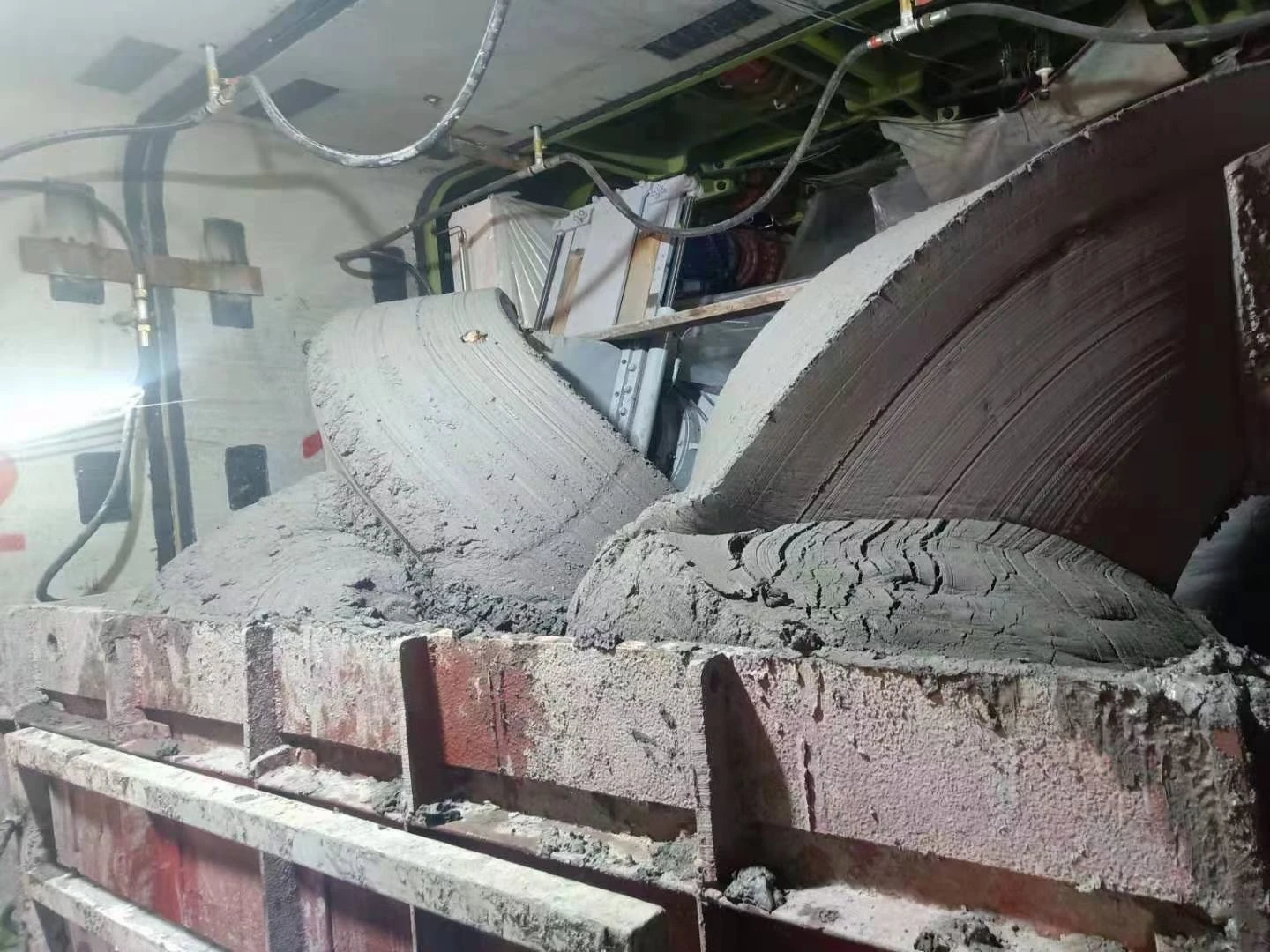
Overload trips can stop the tunnel machine if it feels too much force. Overload trips can prevent tbm machine cutter loss even in hard ground. Overload trips can help when big rocks or mixed ground show up. Overload trips can prevent tbm machine cutter loss by cutting down on time lost from cutter wear. CEGC uses overload trips can prevent tbm machine cutter loss to help you stay safe and save money on repairs.
Key Takeaways
-
Overload trips keep TBM cutterheads safe by stopping the machine if it feels too much force, so it does not get damaged or lose cutters.
-
Real-time monitoring lets you find cutterhead problems early, which means less time fixing and lower costs.
-
Using overload trip systems makes work safer for people and helps the project go faster, so tunneling jobs finish sooner.
How overload trips can prevent TBM machine cutter loss
Overload trip function in TBM
You want your tbm to work well and stay safe. Overload trips help protect the cutterhead from damage. Sensors watch for strong forces while tunneling. If the tbm hits hard ground or a blockage, the overload trip notices the extra force. It stops the machine before the cutterhead gets damaged. This fast action keeps the cutterhead safe and helps your project go smoothly.
Here is how overload trip systems work in a tbm or microtunnelling machine:
|
System Type |
Description |
|---|---|
|
Sensors look for high axial loads on the cutterhead while working. |
|
|
Real-time Data Monitoring |
The system sends alerts and data to help you stop cutterhead stalls. |
|
Measurement Devices |
Load cells and strain gauges check force on the cutterhead right away. |
CEGC machines have tbm tunnel anti-jam features as standard. These features help you avoid cutterhead stalls and keep your machine safe. Using these features lowers the chance of cutterhead stalls and cutter loss.
Cutter loss risks in tunnel boring
Cutter loss is a big issue in tunnel boring. You face many problems if the cutterhead stalls or cutters break. Here are some common risks:
-
If you miss worn cutters, you can lose more cutters nearby. This can hurt the cutterhead.
-
When torque drops, your tbm slows down. You may miss deadlines and pay more.
-
Project delays from cutter changes cost extra. Unplanned changes are harder and cost more, especially in small spaces.
Cutterhead stalls happen most in hard ground, mixed geology, or when the tbm hits a big rock. Mixed ground with rocks in soft soil can shock the cutterhead. These shocks cause cutterhead stalls and cutter loss. You need to check the cutterhead often to stop big problems.
Cutterhead stalls also happen when the tbm moves from soft to hard layers. The load on the cutterhead changes quickly. If you do not change worn cutters, you can lose more cutters and damage the cutterhead.
You can face overload events when your tbm crosses fault zones or unstable rock. These conditions can jam the cutterhead and overload the thrust system. Without tbm tunnel anti-jam features, cutterhead stalls can stop your project.
To fight these risks, CEGC uses advanced tbm tunnel anti-jam features. These include stable torque delivery and wear management systems. You get real-time data, so you can plan cutter changes and avoid sudden stops. Predictive maintenance helps you find problems before cutterhead stalls happen.
You also get guidance systems and AI tools. These help you keep the cutterhead moving right and avoid stalls. With these tbm tunnel anti-jam features, you protect your cutterhead, save money, and finish your tunnel boring machine project on time.
Tip: Check your cutterhead often and use tbm tunnel anti-jam features to lower cutterhead stalls and cutter loss.
Benefits of overload trips for TBM performance
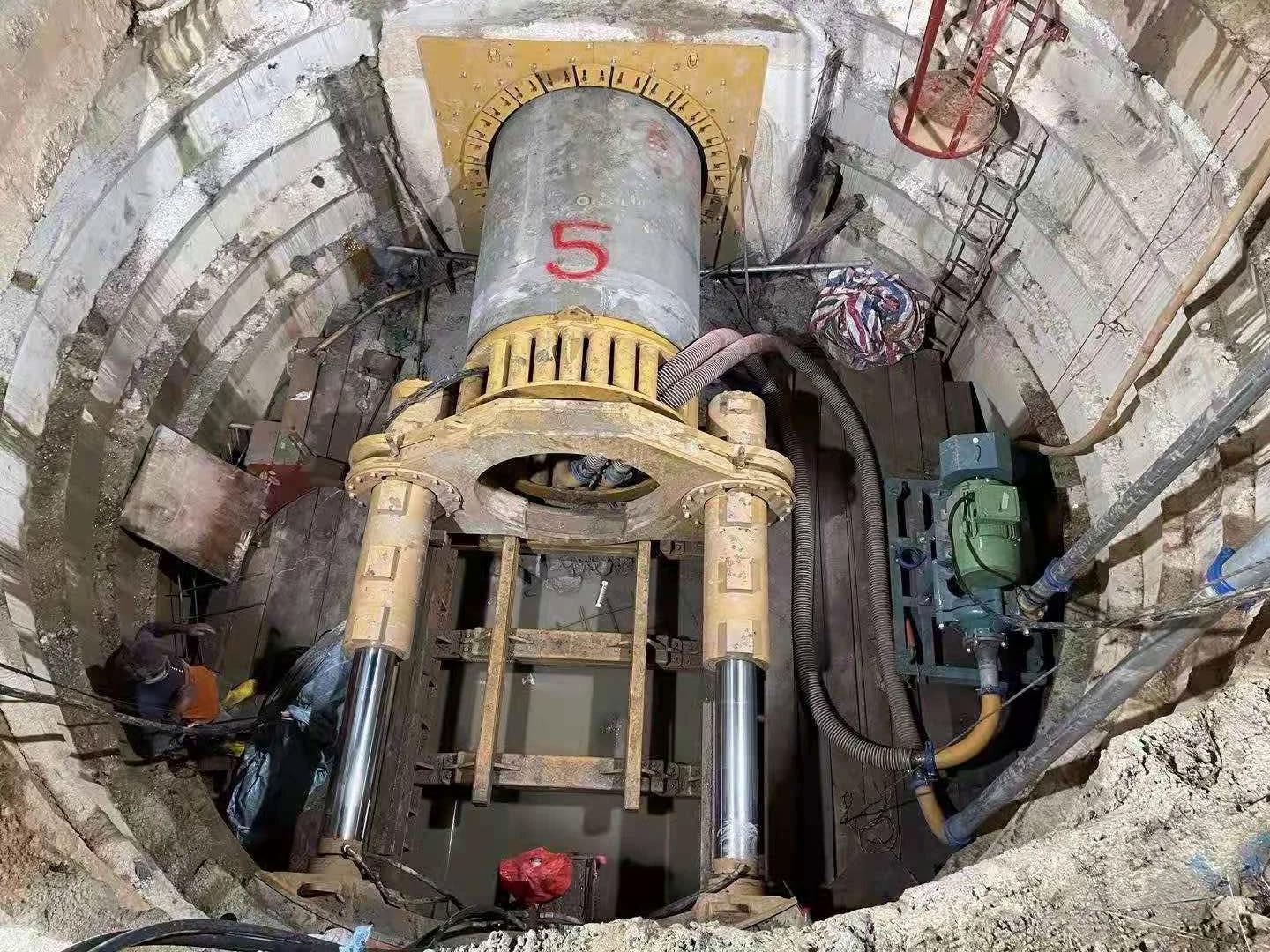
Reduced downtime and maintenance
You want your tbm to work without many stops. Overload trips help you reach this goal. If your tbm hits hard ground or a blockage, the overload trip stops the machine fast. This keeps the cutterhead from getting damaged. You do not have to change cutters as much. You spend less time fixing the cutterhead and more time working.
You also save money on parts. Overload trips mean fewer worn cutters, so you buy less. Real-time monitoring shows you the cutterhead’s condition as you work. You can plan repairs before a problem gets worse. This helps you avoid surprise stops and keeps your tbm moving.
Tip: Use real-time monitoring to check the cutterhead often. You will find problems early and keep your project going.
Improved safety and cost savings
You want your team to be safe when using a tbm. Overload trips make things safer by stopping the machine if the cutterhead feels too much force. This keeps workers safe from sudden failures and risky repairs.
Here is how safety features help your tunnel boring project:
|
Safety Feature |
Description |
|---|---|
|
Noise and Vibration Reduction System (NVRS) |
Lowers noise and shaking, making work better and neighbors happier. |
|
Automated Systems |
Uses sensors and controls that last in tough tunnel places. |
|
Physical Barriers |
Blocks off areas with machines, keeping workers safe. |
You also save money because there are fewer accidents and less downtime. When your tbm runs well, you finish your project faster. CEGC gives you standard specs and can change your tunnel machine for your needs. You get a safer and more reliable tbm and cutterhead system. This helps you finish on time and control costs.
You keep your TBM cutters safe with overload trip systems. These systems also help your machine stop working less. CEGC gives you smart safety and wear management tools for tunnel boring and microtunnelling machines. You can make your tunneling projects better and spend less money. Think about using overload trip systems for good tunneling results.
-
Overload trips help you stop cutter loss.
-
You can finish tunneling jobs faster and safer.
FAQ
What is an overload trip in a TBM tunnel boring machine?
You use an overload trip to stop your tunnel machine when it senses too much force. This protects your cutterhead from damage.
How does an overload trip help reduce downtime?
You avoid long stops because the overload trip stops your TBM before cutters break. You spend less time on repairs and more time tunneling.
Can CEGC customize overload trip systems for my project?
You can ask CEGC for project-based customization. CEGC offers market-standard specs and can adjust overload trip features for your tunnel machine.


