
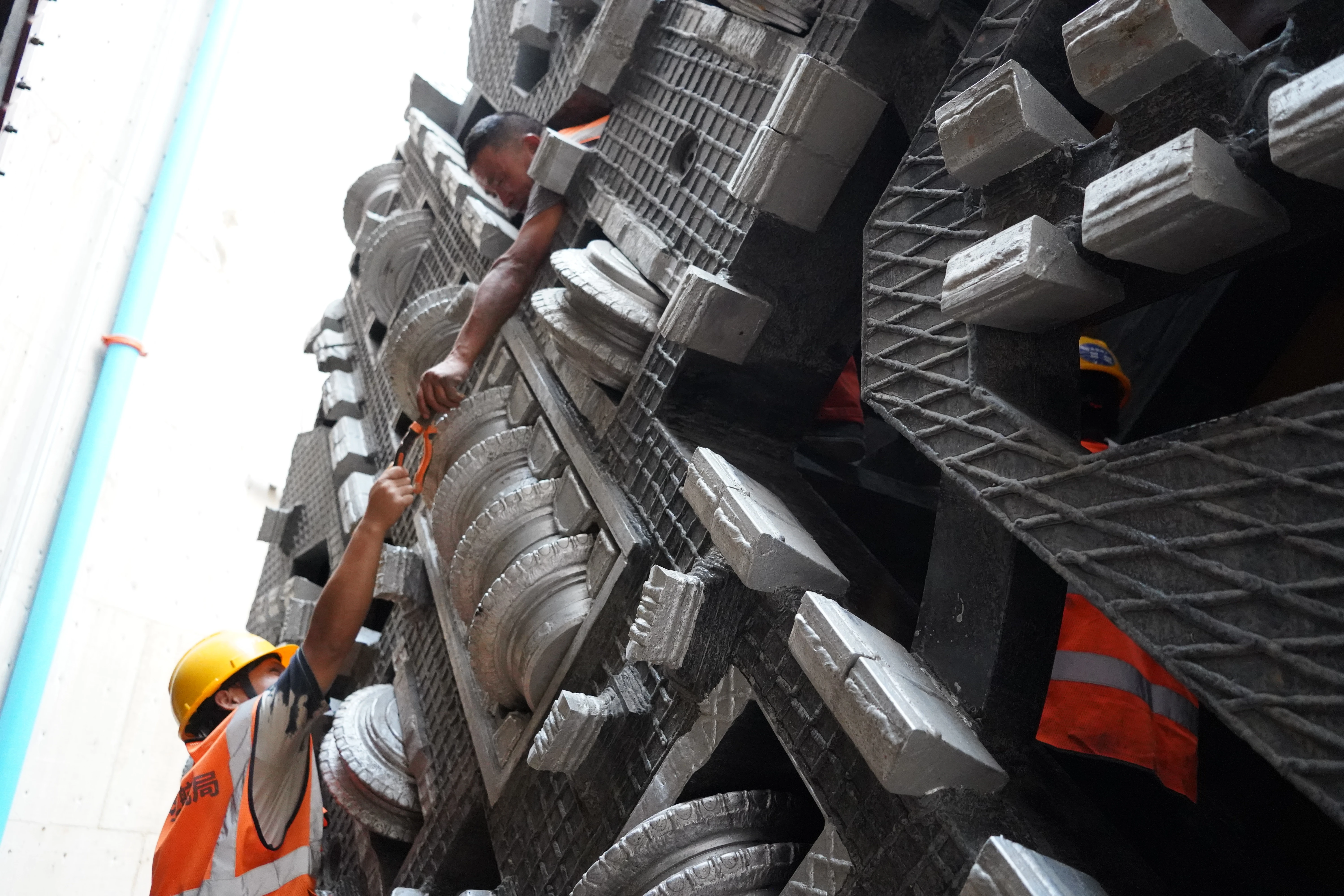
Sinkholes are a significant issue for underground construction. Micro tunneling pressure control prevents sinkhole events by maintaining soil stability and preventing the ground from collapsing.
-
In some areas, there can be more than 50 sinkholes in a single square kilometer each year.
-
Sinkholes in urban environments can lead to substantial financial losses and pose risks to public safety.
A sinkhole occurred during the Brightwater project, resulting in major financial challenges for workers and homeowners. CEGC is here to help you stay safe from these issues.
Key Takeaways
-
Micro tunneling pressure control is very important to stop sinkholes during underground building. It keeps the soil steady and keeps people safe.
-
Knowing about the soil and using the best pressure control can lower the chance of sinkholes a lot. Always check the area before you start working.
-
Using new monitoring tools, like fiber-optic sensors, helps find problems early. This careful way makes tunneling much safer.
microtunneling and pressure control basics
what is microtunneling?
Microtunneling is used to build tunnels without big trenches. This method is a kind of trenchless underground construction. It helps you put pipes under roads, rivers, or buildings. There is not much disturbance on the surface. The microtunneling process uses a tunnel boring machine. This machine pushes or "jacks" pipes through the ground. This way, you get very accurate results. The tunnel face also stays well supported.
Here is a table that shows how microtunneling is different from other methods:
|
Aspect |
Microtunneling |
Jacking-Pulling Method |
|
|---|---|---|---|
|
Method Focus |
Jacking with Microtunneling Boring Machine (MTBM) |
Pulling with pilot hole |
Drill rig for horizontal drilling |
|
Pipe Types |
Rigid pipes (concrete, steel) |
Flexible pipes (PE, PVC) |
Flexible pipes |
|
Precision Control |
High (±5 cm) |
Lower (±30 cm) |
Lower than microtunneling |
|
Application |
Gravity flow pipelines (sewage) |
Pressure pipes (water supply) |
Various, less precise |
|
Support to Excavation Face |
Continuous support |
Limited |
Relies on drilling fluid |
how pressure control works
You need to control pressure during microtunneling. This keeps the soil steady and stops the ground from falling in. The tunnel machine uses systems like slurry or earth pressure balance. These systems support the tunnel face. If you do not keep enough pressure, soil can fall into the tunnel. This can cause sinkholes. If there is too much pressure, it can break the ground, especially if the tunnel is not deep. You must watch and change the pressure for each project.
Here are some tunnel machines used in microtunneling:
|
Machine Type |
Description |
Pros and Cons |
|---|---|---|
|
Slurry Microtunneling Machine |
Uses pressurized slurry for soft ground support |
High stability; efficient transport; complex setup |
|
Earth Pressure Balance (EPB) |
Maintains face stability with controlled pressure |
Excellent for unstable soils; low settlement risk; less effective in hard rock |
|
Pipe Jacking Machine |
Pushes large diameter pipes in confined spaces |
Unique for special jobs; may not work in all soils |
|
Hybrid Microtunneling System |
Combines features for versatility |
Adaptable; more complex operation |
Pipe jacking is an important part of microtunneling. It lets you put in strong pipes and keeps the tunnel safe. Using the right tunnel machine and controlling pressure helps stop sinkholes. This protects your project.
micro tunneling pressure control prevents sinkhole events
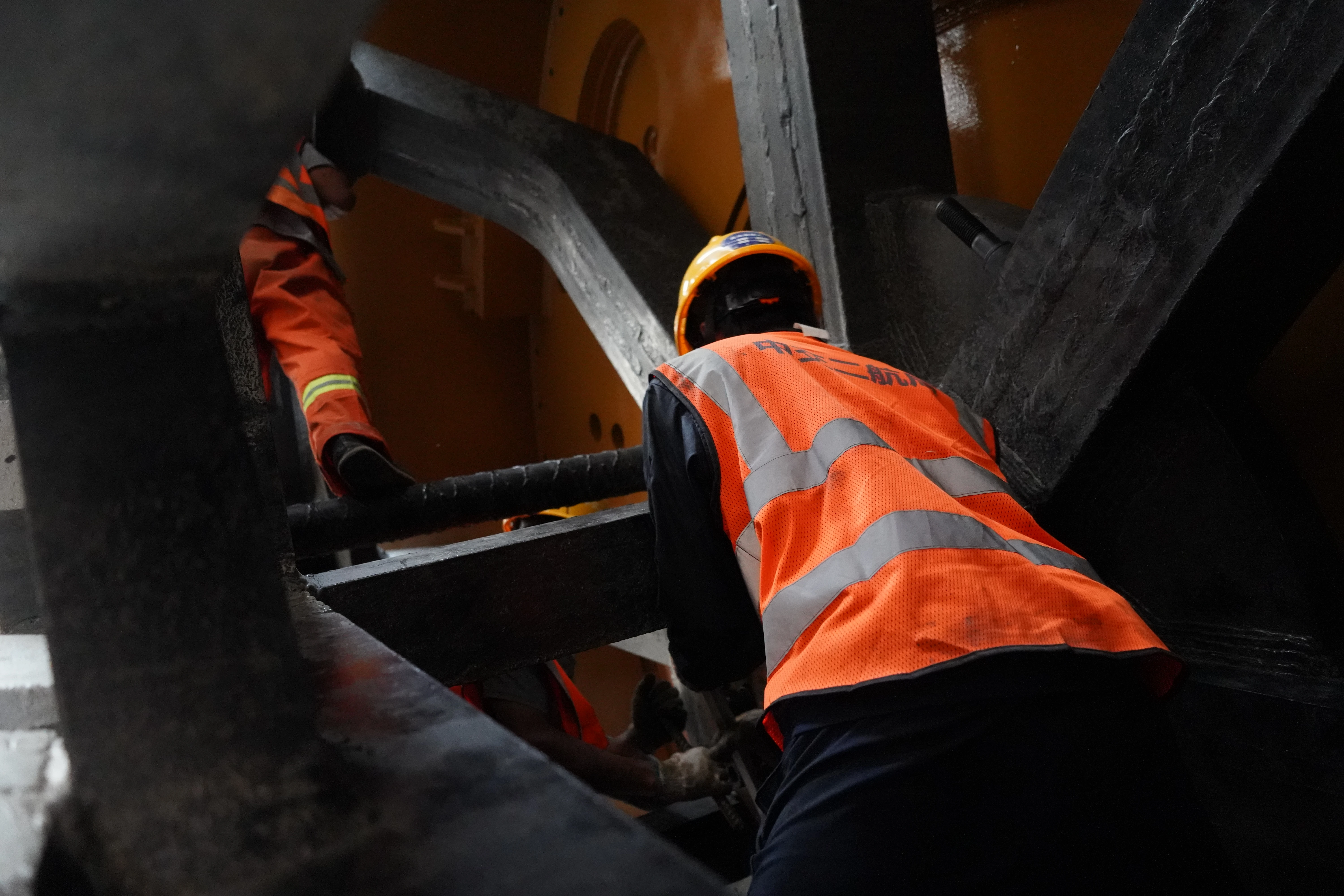
why sinkholes form during tunneling
Building tunnels underground can be risky. Sinkholes can happen if you do not control the ground well. There are a few main reasons why sinkholes form:
-
If you dig too much, empty spaces form underground. These spaces can fall in and make sinkholes above.
-
If the face pressure is too low, the soil gets weak. The ground can fall, and sinkholes might show up.
-
Some jobs, like starting or ending a tunnel, are more dangerous. These steps can make sinkholes more likely.
-
Tunneling in wet, sandy soil makes the tunnel face weak. The ground above can sink.
-
When the ground is mixed, like soft dirt on hard rock, tunneling is harder. Tools wear out faster.
-
Big grains in the soil cannot make a strong filter cake. The tunnel face can fall, and sinkholes can form.
You need to know these risks before you start microtunneling. The type of soil and rocks matter a lot for tunnel safety. If you do not check these things, you could have big repairs and delays.
mechanisms of pressure control in microtunneling
Micro tunneling pressure control keeps the tunnel face safe. You use machines that watch and change the pressure as you dig. These machines are called slurry and earth pressure balance machines. You must pick the right pressure for the soil and water.
-
You watch the ground as you tunnel. This helps you see problems early.
-
You set the slurry pressure to stop the ground from moving too much.
-
You use data to see how much ground moves. This tells you if the tunnel is safe.
-
Good pressure control means less ground moves than you thought.
Engineers use rules to set the right pressure. For example, if water is close to the surface, you keep the slurry pressure low. This stops slurry from coming up and making sinkholes. You figure out the face pressure by looking at the soil and how deep the tunnel is. You change the pressure to keep the tunnel safe.
You also use new tools to watch the tunnel. Fiber-optic sensors can find empty spaces and warn you about sinkholes. These tools help you keep the tunnel safe and protect your work.
step-by-step sinkhole prevention
There are clear steps to stop sinkholes when you do microtunneling. Micro tunneling pressure control helps at every step. Here is how you do it:
-
Check the site and study the soil. You learn about the ground and any dangers.
-
Put together the microtunneling machine and start it from the shaft.
-
Dig the tunnel and push the pipes forward. Pipe jacking keeps the tunnel strong.
-
Control the slurry pressure and take out the dirt. You change the pressure if the soil changes.
-
Watch the tunnel and fix things right away. You use sensors and data to keep the tunnel safe.
You can also stop machine problems with extra steps. For example, you put concrete blocks behind pipes so they do not float. You fill gaps between pipes and ground with grout to stop holes. You build double walls at the end of pipes to stop floods and use jacks to let go slowly.
If you do not control pressure, you can have big problems. Landslides, water, and mud can get in, and the tunnel can bend. These things cost money and slow down the project. Tunnels with lots of water have more accidents, and almost half are from water and mud.
You need to pick the best machine for your job. Renting is good for one job or special needs. Buying is better if you have many jobs. Here is a table to help you compare:
|
Disadvantages of Tunneling Machines |
|
|---|---|
|
Less mess on the surface |
Costs a lot at first |
|
Safer for workers |
Needs trained workers |
|
Very straight tunnels |
Hard to change direction |
|
Faster to finish |
Can get stuck |
|
Better for the environment |
Takes a long time to set up |
CEGC can help you get the right machine and control pressure. You get special equipment, expert advice, help with setup, trenchless engineering support, and training. These services help you keep the tunnel safe and stop sinkholes.
Micro tunneling pressure control stops sinkholes by planning, watching in real time, and getting expert help. You keep your project safe, lower risks, and finish your work the right way.
effectiveness and method comparison
case studies and real-world results
Microtunneling pressure control works well in real projects. Many teams say tunnel building is safer and there are fewer accidents. Workers stay above ground, so cave-ins and falling debris are less likely. Projects finish faster because the tunnel boring machine keeps working. Monitoring lets you find problems early and change pressure to keep tunnels safe. Groundwater stays safe, and the environment is not harmed. Here is a table with results from recent tunnel jobs:
|
Outcome Description |
Source |
|---|---|
|
Enhanced safety for workers, reducing risks like cave-ins and falling debris. |
|
|
Increased project speed due to continuous drilling without interruptions. |
|
|
Improved groundwater protection compared to traditional methods. |
|
|
Reduced jobsite footprint and minimal disruption during operations. |
You can use a risk assessment and monitoring plan to check tunnel safety. This helps you control risks and avoid expensive repairs.
microtunneling vs. traditional tunneling
Microtunneling lets you watch the tunnel face in real time. You can change pressure fast to stop ground loss and sinkholes. Traditional tunneling does not give you as much control. You may see more ground settling and less stability. Good pressure control keeps tunnels safe and stops digging too much. Too much pressure can push up the ground, which can cause sinkholes.
Microtunneling also helps the environment. There is less mess on the surface, less noise, and less waste. Tunnel building with microtunneling makes fewer carbon emissions and keeps soil healthy. Renting a tunnel boring machine is good for short jobs or special needs. Buying is better if you have many tunnel jobs planned. Tunnel stability checks and monitoring help you pick the right machine for your risk assessment and monitoring plan.
You make construction safer when you use microtunneling pressure control. This way, you stop sinkhole events and keep your team safe. Picking the right tunnel machine and how you get it helps with safety. You should think about these things for your next project:
|
Factor |
Why It Matters for Construction Safety |
|---|---|
|
Efficiency |
Cuts down on risks and work delays |
|
Investment Value |
Helps keep your team safe for a long time |
|
Market Trends |
Shows you which equipment is safest |
|
Technological Innovations |
New features make construction even safer |
Talk to CEGC if you want expert advice on picking equipment and making your project safe.
FAQ
What is the monthly cost to rent a TBM tunnel boring machine?
You can expect to pay between $30,000 and $100,000 per month. The price depends on the machine size and project needs.
Does CEGC offer financing for tunnel machine purchases?
You can get flexible financing from CEGC. You pay a 30% deposit and the rest before shipment. CEGC can help you plan your payments.
What does a tunnel machine rental contract cover?
-
Machine delivery and pickup
-
Basic maintenance support
-
Operator training
-
Technical advice from CEGC experts
You get everything you need to start your project.


