
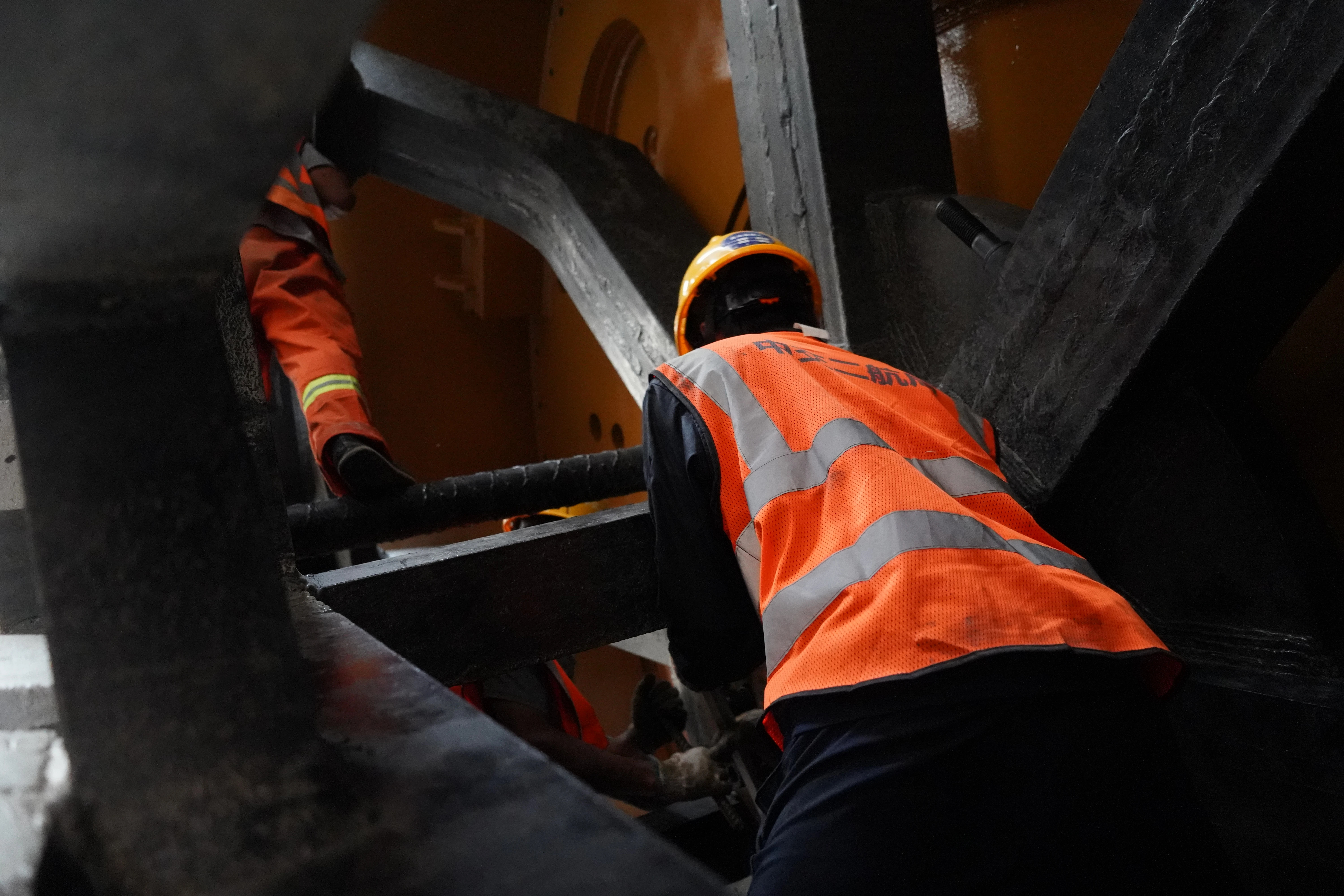
A TBM machine can heave ground if pressure is wrong. You must control TBM pressure carefully. Too much pressure lifts soil. Too little pressure lets ground collapse. You protect structures and save money when you manage TBM pressure well. Watch for signs of ground movement to keep your tunnel safe.
Key Takeaways
-
Make sure to control TBM pressure well. This helps stop ground from rising and keeps buildings safe above the tunnel. Watch for signs that the ground is moving. Look for cracks or sudden changes in ground level. This keeps everyone safe while tunneling. Pick the best TBM for your project. Talk to experts so you do not make expensive mistakes. This helps tunneling work well.
TBM Pressure and Ground Heave
What Is TBM Pressure?
When you use a tbm for tunneling, you must control several types of pressure. The most important is face pressure. This keeps the ground in front of the tbm stable during excavation. You also manage annulus pressure, which fills the gap between the tunnel lining and the ground. Grout pressure helps seal this space after the tbm passes. Each type of pressure protects the tunnel and the surrounding ground. If you do not balance these pressures, you risk problems like over-excavation or ground movement. Face pressure is especially important because it holds the ground steady at the tunnel face. You need to adjust it based on the soil and groundwater conditions you find during tunneling.
How TBM Pressure Causes Heave
If you set the tbm face pressure too high, you can push the ground upward. This is called ground heave. Over-excavation can also happen if you remove too much soil, which makes the ground unstable. Both slurry and EPB tbms use face pressure to control the ground. In soft soils or areas with high groundwater, you must watch the pressure closely. Too much face pressure causes heave, but too little can let the ground collapse. Soil type matters a lot. Cohesive soils react differently than sandy soils. High groundwater makes it harder to keep the right pressure. You must check the ground and adjust the tbm as you go. Good control of face pressure keeps the tunnel safe and prevents over-excavation or heave during tunneling.
A TBM Machine Can Heave Ground If Pressure Is Wrong
Excessive Pressure Effects
When you use a tunnel boring machine, you must control the pressure at the front. If the pressure is too high, the ground above the tunnel can lift up. This is called ground heave. You might see the soil rise near the middle of the tunnel. Ground heave can hurt roads, sidewalks, and buildings above the tunnel.
More pressure during tunneling can cause more surface movement. Here are some things that can happen if the pressure is too high:
-
Surface settlement can be higher than 4 mm.
-
The most movement happens right over the tunnel.
-
Buildings close to the tunnel can crack or get damaged.
-
Water pipes or cables might move or break.
Too much face pressure can also cause over-excavation. The ground cannot hold the extra force, so it moves. You need to look for signs of ground heave at every step. If you miss these signs, repairs can cost a lot and safety can be a problem.
Insufficient Pressure Effects
If you do not use enough pressure at the front, the ground can fall into the tunnel. The face cannot stop the soil and water from coming in. Over-excavation can happen more easily. You might see the ground sink or settle above the tunnel.
Here is a table that shows what happens when you use too little face pressure:
|
Key Findings |
Description |
|---|---|
|
Influence of Face Pressure |
Pressure at the front controls ground strength and surface movement. |
|
Ground Conditions |
Good ground can stop movement, even with low pressure. |
|
Sensitivity to Pressure |
Bad ground makes the area more sensitive to pressure changes. |
You must check the ground before and during tunneling. In soft or loose soils, you need to change the face pressure often. Earth pressure balance machines help keep the right pressure, but you still need to watch the tunnel. If you do not, the tunnel can become unsafe and the ground can fall in.
The results show you must change tunneling steps to keep the filter cake strong and the chamber pressure steady. If you do not, the ground can fall in when the filter cake breaks and the chamber pressure drops.
Signs and Risks
You need to look for signs that the ground is moving because of wrong pressure. Watch for these warning signs:
-
Cracks in the ground above the tunnel
-
Sudden changes in ground level, like heave or sinking
-
Water or soil coming into the tunnel face
-
Over-excavation, which makes the tunnel bigger than planned
-
Movement or damage to buildings and pipes nearby
If you see these signs, you must act quickly. The risks are tunnel collapse, ground becoming unsafe, and damage to buildings or roads. You might also have delays and higher repair costs. Good face pressure control keeps the ground safe and protects your project. Always remember, a tbm machine can heave ground if pressure is wrong. You must check and change pressure at every step. This keeps your team, your tunnel, and the city above safe.
Prevention and Control of Ground Heave in TBM Tunneling
Monitoring and Adjustment
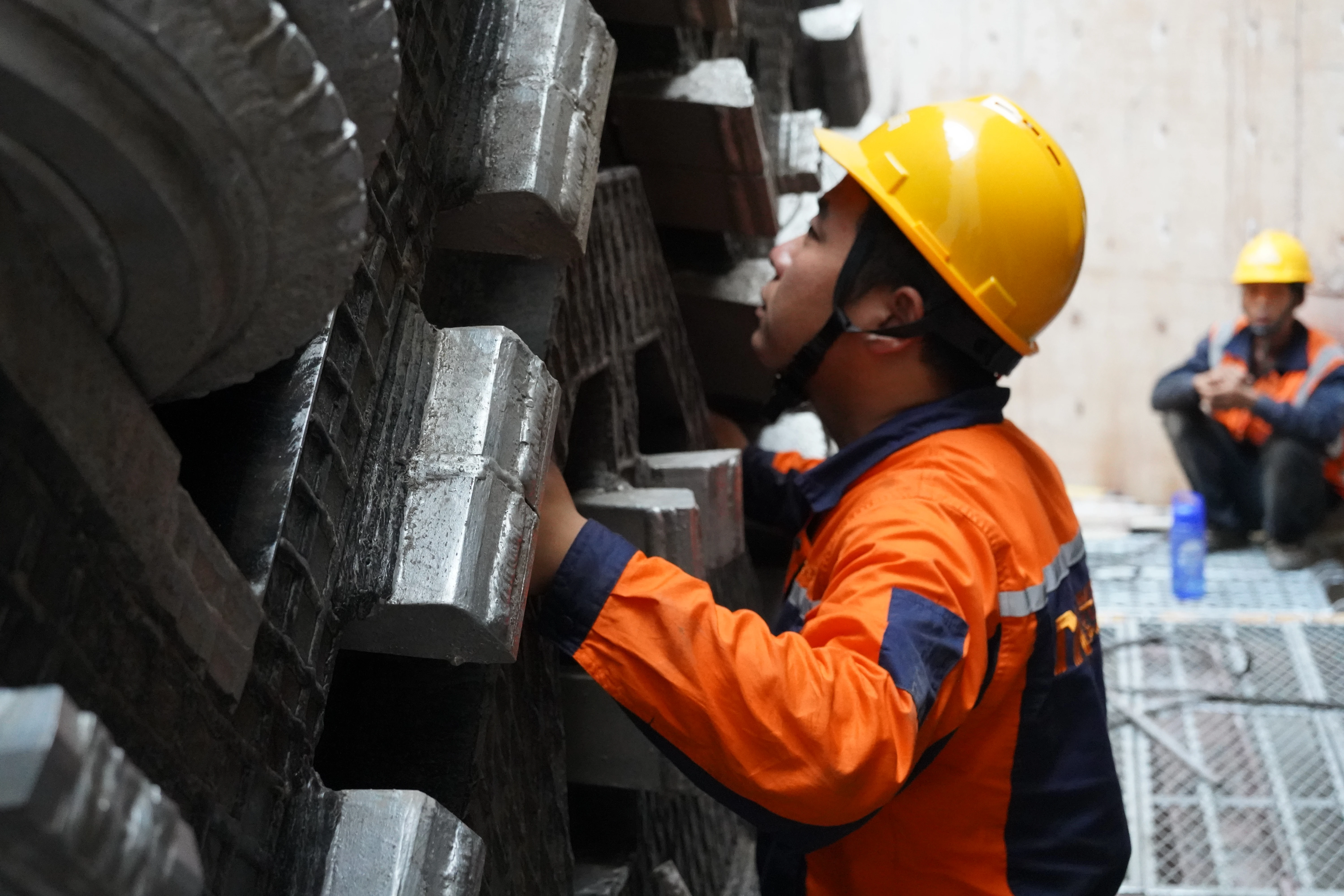
You can stop ground heave by watching the tbm all the time. You need to check the pressures inside the chamber often. Track settlement and twist sensors show ground changes. Special track targets and non-destructive tools give extra data. Horizontal shape accelerometer arrays tell you how the ground moves above the tunnel. These tools help you find problems before they get worse.
You must change the materials in the chamber to make a strong plug. This plug fights ground pressure and keeps the face safe. If face pressure is too low, the ground can fall in. If it is too high, you might get heave or blowouts. Sensors give real-time data so you can change tbm settings fast. Predictive modeling helps you guess how the ground will react. You can use this to stop over-excavation and ground settlement.
International rules say to use the highest safe pressure. You can see this in the table below:
|
Aspect |
Details |
|---|---|
|
Makes sure grout fills cracks and helps rock-lining stick. Bad control can lift or hurt things. |
|
|
IS Code Guidelines |
Use the highest safe pressure, usually 1.5× water pressure. Be careful with higher pressures. |
|
Pressure Control Practices |
Raise pressure slowly, use grout systems, watch intake, and do not use too much pressure. |
|
Grouting Timing |
Grout after lining in weak spots; do not grout where it can loosen joints. |
Choosing the Right TBM
You need to pick the best tbm for your job. The right machine fits the ground and the way you dig. If you pick the wrong tbm, you can get more over-excavation and ground settlement. You can also use anti-heave piles, walls, and soil fixes to stop ground movement. These work best when you use them together.
You should think about renting or buying your tbm. Renting is good for one project. Buying is better if you have many jobs. CEGC can help you choose what is best for you. Their team helps with picking machines and giving advice. Good choices keep the face safe and lower over-excavation risks.
Numbers show anti-heave piles are best for stopping tunnel heave. Walls and soil fixes also help. Using all these together works best.
You need to watch TBM pressure when digging a tunnel. This stops the ground from lifting up and keeps your project safe. If you dig out too much dirt, you can hurt the ground and buildings above. People have made mistakes before and had to pay a lot to fix them. Talking to experts helps you avoid these problems and makes tunneling safer.
-
Experts look at the ground before you start digging.
-
They find dangers in tunneling and taking out too much soil.
-
They give ideas to stop the ground from lifting during digging.
You make smarter choices when you think about both the work and the cost. Picking to rent or buy the right machine can help your project do well. CEGC experts help you pick the best TBM for safe and easy digging.
FAQ
What is the monthly rental cost for a TBM machine?
The monthly rental cost is between $50,000 and $250,000. The price changes based on the size of the machine. It also depends on what your project needs.
Does CEGC offer financing for tunnel machine purchases?
CEGC gives you different ways to pay for a tunnel machine. Their team can help you pay less at the start. They also help you set up payment plans for your company.
Tip: You should ask CEGC about lease-to-own deals. This lets you pay over time instead of all at once.
What does a typical TBM rental contract cover?
You get the machine, help from experts, and repairs. You might have to pay for moving the machine to and from your site. Always check the contract with CEGC before you begin your work.


