
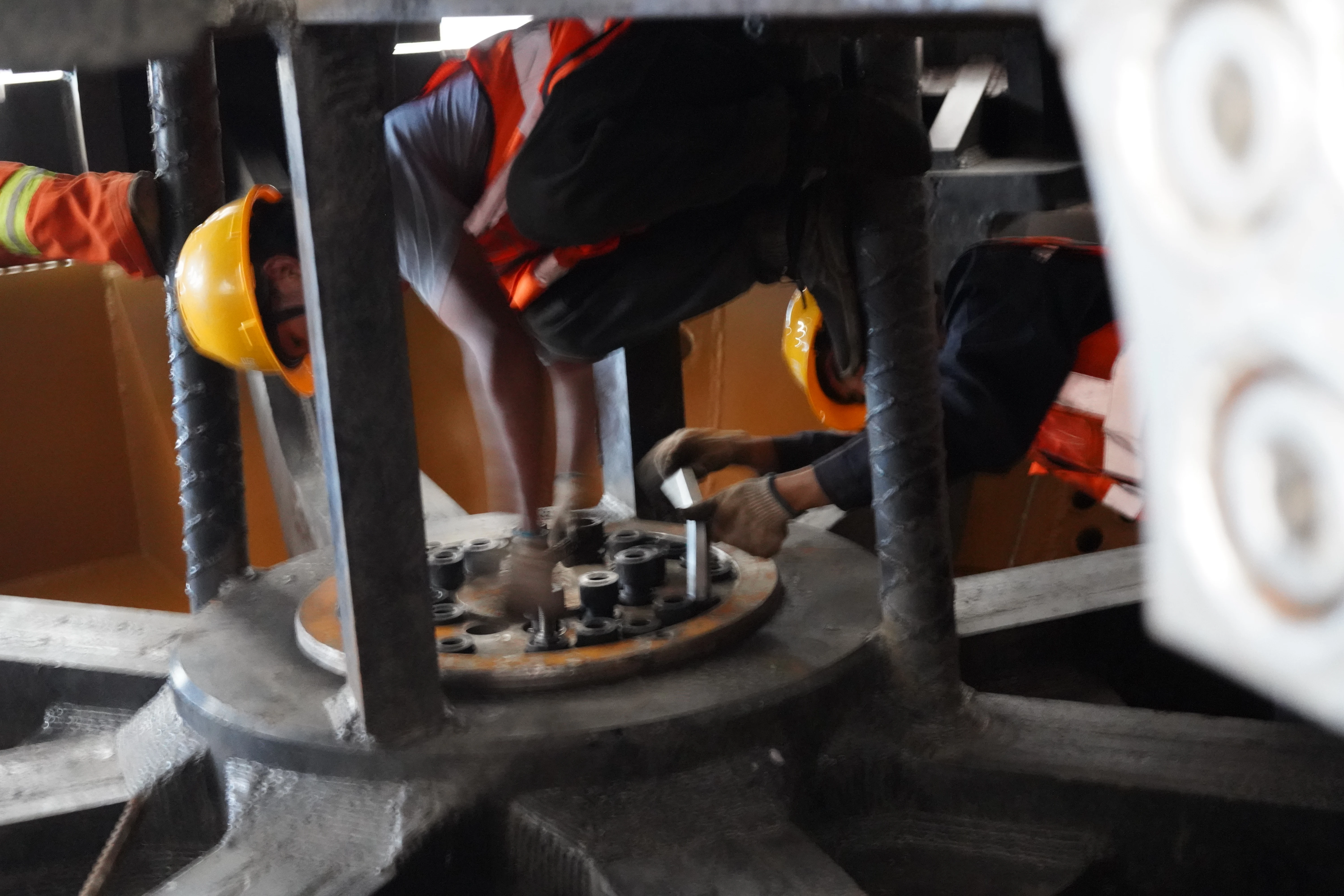
To keep pressure stable and ensure TBM tunnel progress stays smooth, it’s essential to maintain steady pressure throughout the tunneling process. If pressure fluctuates, the tunnel face can become unstable, leading to delays and additional challenges. By using computer models and digital records, you can adjust your tunnel boring machine operations effectively. CEGC supports safer and faster tunneling by implementing these advanced methods.
Key Takeaways
-
Keep the pressure steady when tunneling to stop ground problems and project slowdowns. - Check pressure often and change machine settings to keep TBM work safe and fast. - Train operators and do maintenance to help the machine work better and have less downtime.
Pressure Stability in TBM Tunneling
What Is Pressure Stability?
Pressure stability is important for running a tunnel boring machine safely. It means keeping enough force at the tunnel face so the ground stays in place. If the pressure drops, the ground can move or fall. TBM operations use support systems like slurry or bentonite injection to control pressure. Slurry TBMs mix water and bentonite clay to make a thick fluid. This fluid fills spaces and supports the tunnel face. It works well in soft or wet ground.
Tip: Check your pressure readings often. Small changes can cause big problems underground.
You measure pressure stability with several key parameters. The table below shows what you need to watch:
|
Parameter |
Description |
|---|---|
|
Face Support Pressure |
Least pressure needed to keep the tunnel face steady. |
|
Friction Angle |
Changes how much support pressure you need. |
|
Cohesion |
Shows how well soil sticks together, which affects pressure. |
|
Lateral Earth Pressure Coefficient |
Helps you figure out the right support pressure. |
|
Tunnel Diameter |
Bigger tunnels need more support pressure. |
|
Tunnel Depth |
Deeper tunnels need higher pressure for stability. |
|
Cover-to-Diameter Ratio |
Compares ground above the tunnel to its width for better study. |
Industry standards set limits for pressure stability. You must keep pressure above the lower limit so the ground does not move. You also need to stay below the upper limit to avoid breaking the ground above the tunnel.
|
Limit Type |
Description |
|---|---|
|
Lower Limit |
Least force to balance earth and water pressure. |
|
Upper Limit |
Most force to avoid breaking the ground or causing blow-outs. |
Role in Supporting Tunnel Face
Keeping pressure stable helps TBM tunnel progress stay smooth. It protects the tunnel face from sudden movement. If you do not control pressure, the ground can shift or settle. This can cause sinkholes or cracks above the tunnel. Water can also enter the tunnel, slowing work and making it unsafe.
Slurry and bentonite injection systems help keep the right pressure. Bentonite forms a thin layer called a filter cake on the tunnel face. This layer holds back water and soil, making the tunnel safer. In cities, soft soils and high groundwater make things harder. You need advanced machines and careful monitoring to keep everything stable.
Focusing on pressure stability lowers the risk of ground loss, settlement, and water inflow. This keeps your project on track and protects workers and equipment.
How Pressure Stability Impacts Progress
Preventing Ground Loss and Settlement
You need to keep pressure stable and TBM tunnel progress stays smooth. When you maintain the right pressure at the tunnel face, you stop the ground from moving or sinking. This helps protect buildings and roads above the tunnel. If you let the pressure drop, the soil can shift and cause problems on the surface.
-
Keeping the right confinement pressure during TBM tunneling can lower the risk of too much settlement.
-
The way you control support pressure and grouting pressure affects how much ground moves and the shape of any sinking.
-
Good pressure control means less volume loss and fewer surface problems.
If you do not control pressure, you might see cracks in the ground or even sinkholes. These issues can delay your project and increase costs. You want to avoid these risks by checking your pressure often and making quick adjustments.
Machine Performance and Downtime
When you keep pressure stable and TBM tunnel progress stays smooth, your machine works better. Stable pressure helps the tunnel boring machine move forward without stopping. If the ground is rocky or broken, you may need to stop more often for repairs. This can slow down your project.
-
Jointed rocks and blocky ground make you stop the machine more often for maintenance.
-
You may need to stabilize the tunnel face in tough ground, which can interrupt your work.
-
Cutting tools wear out faster when you hit hard rocks or boulders, causing more downtime.
If you do not manage pressure well, your machine could break down. This leads to longer projects and higher costs. You want your TBM to keep moving so you finish on time and stay within budget.
Worker Safety and Tunnel Integrity
You must keep pressure stable to protect your workers and the tunnel itself. When you control the pressure, you lower the chance of sudden ground movement or water rushing in. This keeps everyone safe and the tunnel strong.
|
Factor |
Description |
|---|---|
|
Minimum pressure needed to stop sudden movement at the tunnel face |
|
|
Ground Conditions |
Soil properties like cohesion and friction affect how you set the pressure |
|
Failure Cases |
Poor pressure control can cause chimneys or blow-outs in the tunnel |
If you lose control of the pressure, you risk accidents and damage. For example, a sudden drop in pressure can cause the tunnel face to collapse. This puts workers in danger and can ruin equipment.
Pressure stability also protects the tunnel structure. In areas with many cracks or joints in the rock, you have a higher chance of tunnel failure. Studies show that certain rock conditions can lead to a 20% chance of wedge failure if you do not manage pressure well. When you dig, the stress in the ground changes quickly. If you do not control this, the tunnel can crack or break. You need to understand the ground and adjust your pressure to keep the tunnel safe.
By focusing on pressure stability, you make sure your tunnel stays strong and your team stays safe. You also avoid costly repairs and delays. Remember, keep pressure stable and TBM tunnel progress stays smooth.
Keep Pressure Stable and TBM Tunnel Progress Stays Smooth
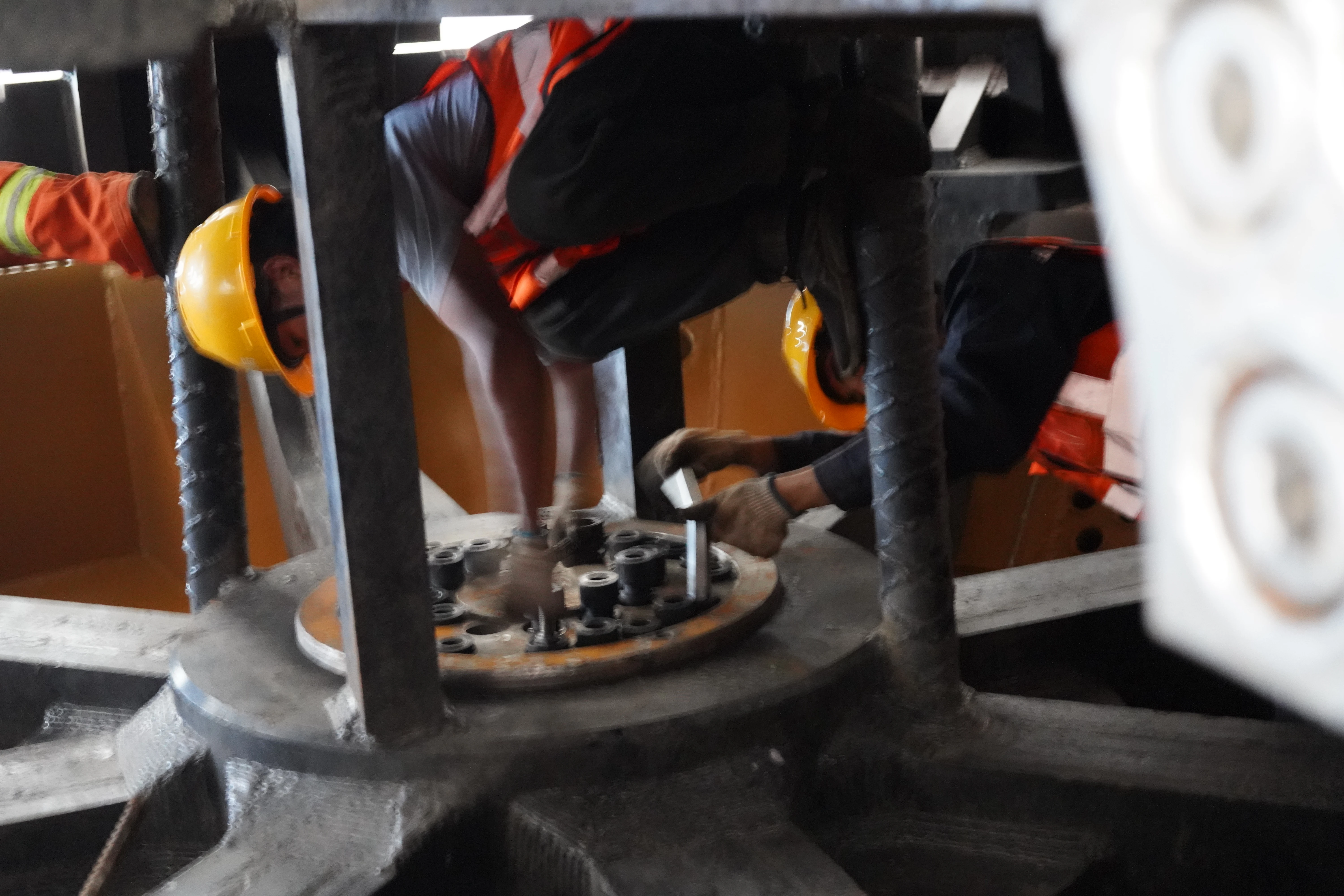
Monitoring and Control Systems
You need good monitoring and control systems to keep pressure steady. Modern tunnel boring machines use sensors that work all the time. These sensors check things like cutterhead torque, thrust force, pressure, and ground settlement. The table below shows what each sensor checks:
|
Parameter |
What It Tracks |
|---|---|
|
Cutterhead Torque |
Measures resistance at the cutting face |
|
Thrust Force |
Shows how much force pushes the TBM forward |
|
Pressure Levels |
Monitors support pressure at the tunnel face |
|
Ground Settlement |
Checks for movement above the tunnel |
|
Grout Flow and Mix Ratio |
Ensures proper filling and support |
Watching these numbers helps you find problems early. For example, fiber sensors can check for strain and movement in the tunnel lining. If you see something change, you can fix the TBM settings right away. Machines like Earth Pressure Balance and bentonite slurry injection help you control face pressure in different soils.
Operator Training and Best Practices
You are important for keeping pressure steady and TBM tunnel progress smooth. Operators must learn how to set the right face support pressure for each type of ground. Training teaches you to look for warning signs, like sudden drops in pressure or changes in soil. You should always do these things:
-
Check pressure readings often.
-
Change machine settings for different ground.
-
Use the right amount of bentonite or foam for support.
-
Talk with your team about any changes.
If you manage pressure well, you stop problems like ground loss or blow-outs. Good training helps you act fast and keep the tunnel safe.
Maintenance and Troubleshooting
Regular maintenance helps your TBM work well. You need to check seals, pumps, and sensors often. Most delays in tunnel projects happen because of equipment problems. When you take care of your machine, you help keep pressure steady and TBM tunnel progress smooth.
If you find a problem, try these steps:
|
Technique |
What To Do |
|---|---|
|
Proactive Risk Management |
Study the ground before tunneling starts |
|
Systematic Pre-Grouting |
Inject grout to block water before TBM arrives |
|
Tail-Skin Sealing |
Keep seals tight to stop leaks |
|
High-Pressure Grout Ports |
Fill gaps in the tunnel lining |
|
Specialized Training |
Teach your team to handle high-pressure events |
You should always fix small problems before they get bigger. This keeps your project safe, on time, and on budget.
You are important for keeping TBM tunnel progress smooth by watching pressure. Recent projects show some clear results.
-
If you keep face pressure steady, the ground does not sink or fall in.
-
Watching pressure closely helps protect buildings and pipes nearby.
-
Getting the right numbers stops expensive problems.
|
Practice |
Result |
|---|---|
|
Checking data all the time |
You can fix problems faster and control the machine better |
|
Skilled changes by operators |
The ground moves less and tunneling is safer |
If you follow good steps and use smart tools, your tunnel work will be safer and go faster.
FAQ
What is the monthly rental cost for a TBM machine?
The monthly rental cost is between $50,000 and $200,000. The price changes based on the machine’s size and what your project needs.
Does CEGC offer financing for tunnel machine purchases?
CEGC gives you flexible financing choices. These choices help you handle your money and lower the first payment.
What does a typical tunnel machine rental contract cover?
You get the machine, basic maintenance, and technical support. You pay for moving the machine and any extra services you need.


