
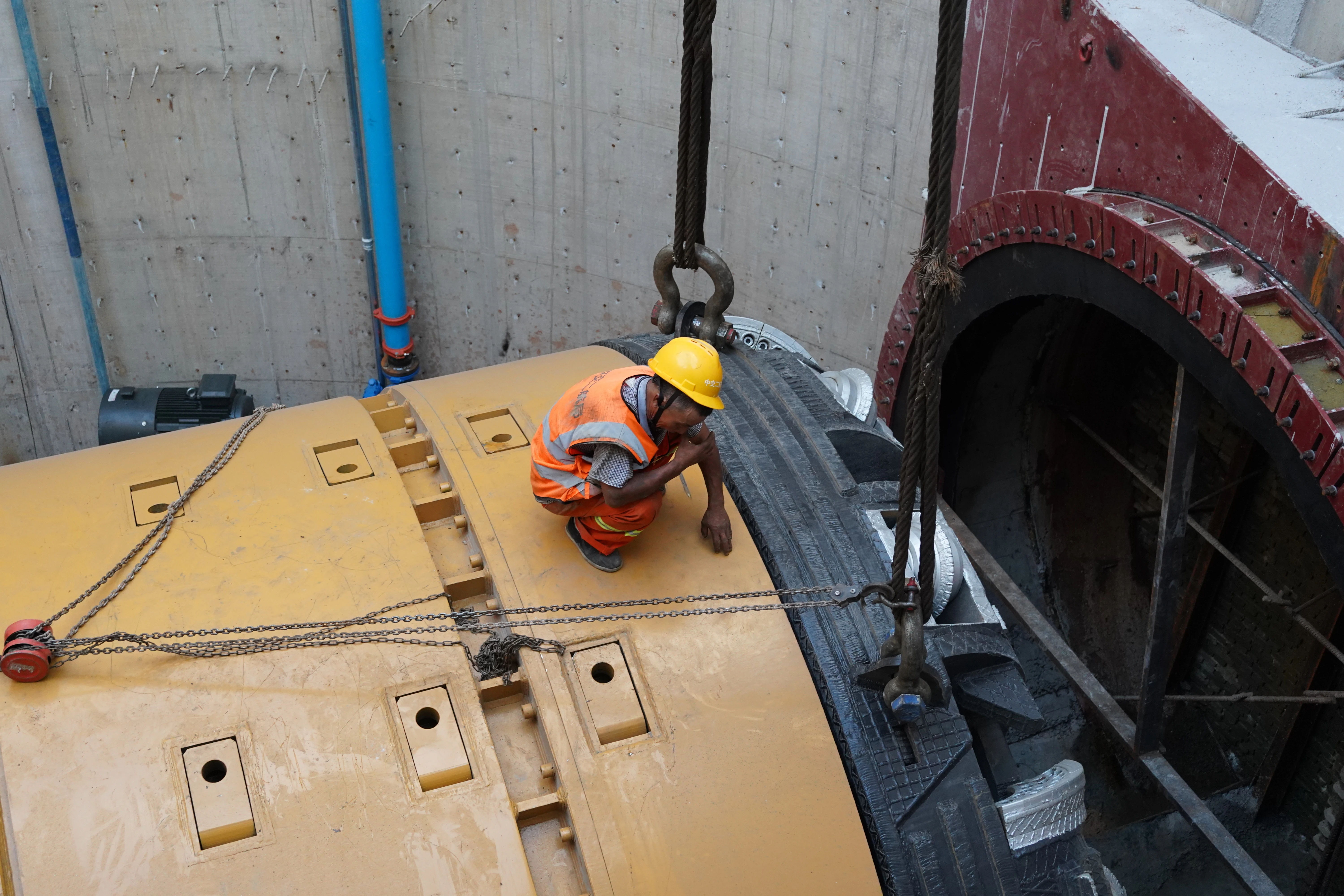
When pressure alarms on a TBM machine should halt advance, it’s essential to stop work immediately. Safety is always the top priority. Staying alert and responding to warnings is critical for protecting both people and equipment. Listening to pressure alarms on a TBM machine helps prevent injuries and avoids costly machine damage. Safety is built into every step of the process, guiding you to make the right decisions. CEGC ensures that safety is at the core of every operation, so your work is not only efficient but also secure. With CEGC, safety makes your work better.
Key Takeaways
-
Always stop the TBM right away if a pressure alarm sounds. This keeps workers and equipment safe from danger.
-
Check and take care of the alarm system often to make sure it works well. Doing this finds problems early and keeps tunneling safe.
-
Join training programs to learn how to handle alarms the right way. Being ready makes things safer and helps stop accidents.
Pressure alarms on a TBM machine should halt advance
What pressure alarms detect
Pressure alarms on a TBM machine help keep you safe. They warn you early if something is wrong. These alarms watch important things that affect the tunnel and the machine. You need these alarms to spot trouble before it gets worse. The system checks for changes in pressure, force, and how materials act. When you see a warning, it means something is not normal.
There are different pressure alarms in a tunnel boring machine. Each alarm watches a special part of the job. The table below lists the main types and what they check:
|
Type of Pressure Alarm |
Monitored Parameters |
|---|---|
|
Face Pressure Alarm |
Material pressure in the chamber |
|
EPB Pressure Alarm |
Piezometric and ground pressures |
|
Excavation Pressure Alarm |
Thrust force, cutter head torque, EPB/slurry pressures |
The system also checks other important things. You get warnings for ram extension, how fast you move forward, thrust force, cutter head torque, EPB/slurry pressures, weight and volume of dug-up material, and grout volume.
-
Ram extension
-
Rate of advance (ROA)
-
Thrust force
-
Cutter head torque
-
EPB/slurry pressures
-
Weight/volume of excavated material
-
Grout volume
You use the monitoring system to watch face pressures during tunneling. The system helps you change things like water, bentonite, polymers, and foam. These changes keep the material steady against ground pressure. When you get a warning, you know it is time to check and fix the process.
CEGC’s engineers help you by adding smart safety systems to your TBM. You get advice on picking the right alarms and monitors for your tunnel. This help makes sure your machine has the best warning system and smart features.
How alarms trigger a halt
Pressure alarms on a TBM machine should stop the work right away when a warning shows up. The system uses sensors to find problems. When the alarm goes off, you must stop the machine at once. The system sends a warning to the operator’s control panel. You see the warning and know you need to pause the work.
The alarm system works in a few steps:
-
Sensors watch the tunnel and machine.
-
The system finds a problem and gives a warning.
-
The alarm stops the machine from moving forward.
-
You check the tunnel and the machine.
-
You follow safety rules to fix the warning.
You count on the alarm system to keep the tunnel and TBM safe. The warning stops the work before anyone gets hurt or the machine breaks. You use the smart warning system to find out why the alarm went off. The system tells you what to do next.
When you see a warning, you need to act fast. The alarm system is your early warning. It keeps your tunnel safe and your TBM working well.
CEGC helps you set up these smart alarm systems in your tunnel boring machine. You get help with setting up and training your team. The system makes sure you have good alarms and smart warning features for every tunnel job.
Pressure alarms on a TBM machine should stop the work because the system helps you avoid accidents. You trust the warning system to keep your tunnel safe and your machine working right.
Safety benefits of halting advancement
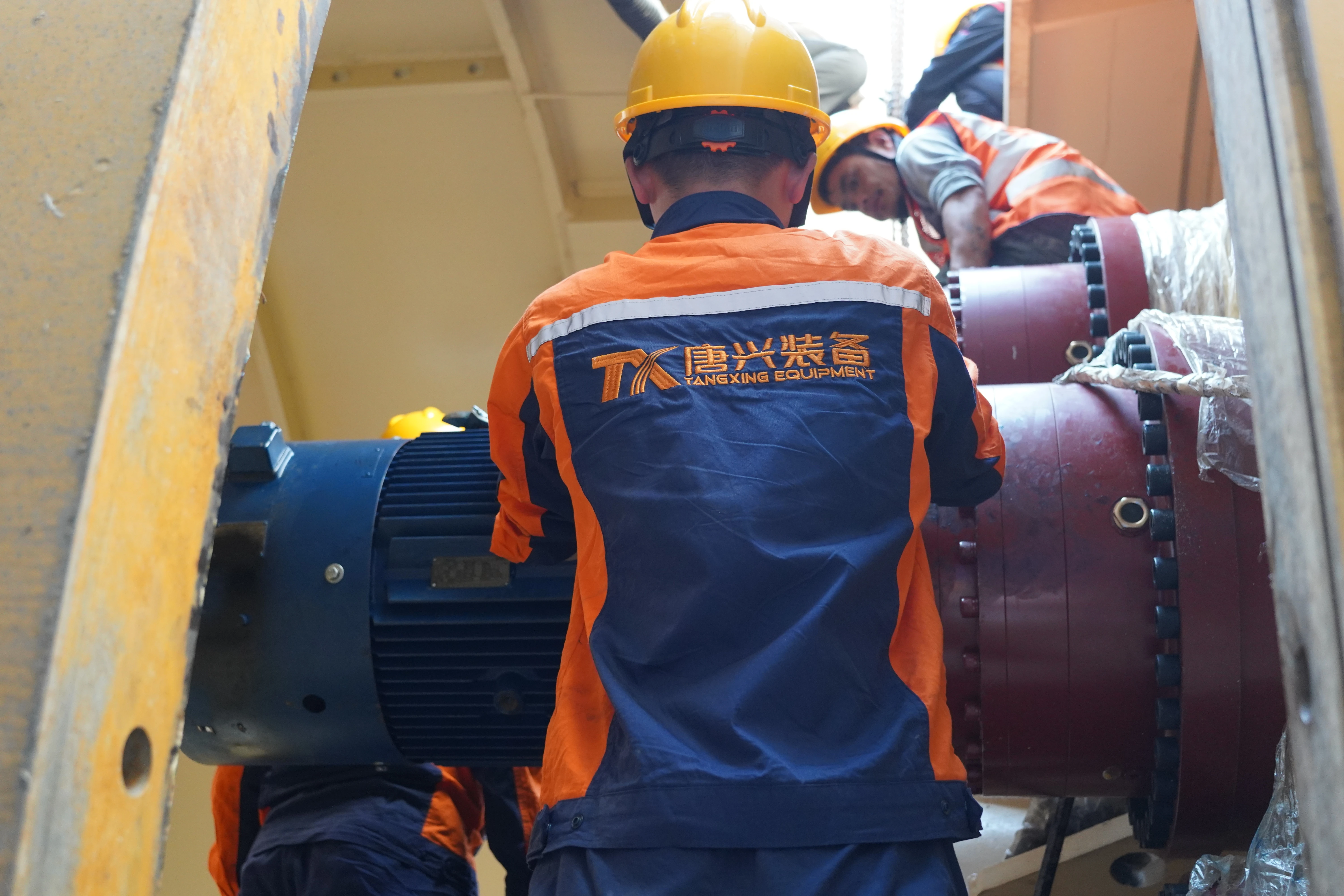
Risks prevented by stopping
When you stop the tunnel boring machine after a warning, you keep everyone safe. The alarm warns you before a problem gets worse. You can stop blowouts, flooding, and ground moving fast. These things can hurt people or break equipment. The system checks the tunnel and the machine all the time. You trust this to keep work safe. Stopping lets you look for problems and fix them. This helps stop damage and keeps the tunnel safe for all.
You see warning signs early with the alarm. It tells you to stop and check things. You can stop accidents and keep safety in control. The system helps protect the tunnel and the team. This keeps safety strong while you work.
Outcomes for crew and equipment
When you stop after a warning, you get clear safety benefits. The crew stays safe and the tunnel boring machine is protected. The system helps you follow safety steps. You use it to check the tunnel and the machine. You make sure the alarm works and the tunnel is safe.
When you listen to the warning and stop, you make things safer. You help protect the crew and the machine.
Here is a table that shows what happens for crew safety and equipment:
|
Evidence Description |
Outcome for Crew Safety |
Outcome for Equipment Integrity |
|---|---|---|
|
Hyperbaric interventions done by trained workers |
Less danger from working in pressurized air |
TBM parts get checked and fixed |
|
Crew rotation during decompression |
Crew members stay safe all the time |
Less chance of equipment breaking during checks |
|
New tunnel digging technology |
Fewer workers face high air pressure |
TBM works better and breaks less |
You use the system to keep safety high. You follow alarms and warnings. You trust the process to keep the tunnel and team safe. CEGC trains and helps you. You learn to use the system and keep safety strong. You use safety steps to make sure every job is safe.
Best practices for TBM safety
Operator response steps
You need to follow simple steps when an alarm goes off. First, stop the machine right away. This keeps people and equipment safe. Next, look at the control panel to see what the warning means. Try to understand what the system is telling you. If the warning is very serious, use the emergency shutdown device. This is an important safety step.
After you stop, think about what caused the warning. Check for changes in pressure, force, or how materials move. Talk to your safety team for help. They will help you decide what to do next. Always put safety first. Do not start the machine again until you know it is safe. This way, you keep the tunnel safe and the project moving.
Acting fast and checking things carefully helps you stop bigger problems. Always listen to alarms and follow the safety steps.
System checks and training
You should check the system often to keep it safe. Watching the system helps you find problems early. The safety team needs to check alarms, sensors, and the emergency shutdown device. This makes sure the system is ready for any warning.
Training is very important too. CEGC has programs to teach you how to use the system and answer alarms. You learn every step, from stopping the machine to checking the tunnel. Good training helps you follow safety rules and use all safety steps.
Here is a table that shows services to help you stay safe:
|
Service Type |
Description |
|---|---|
|
Maintenance Services |
Good maintenance keeps your system safe and follows safety rules. |
|
Trend Monitoring |
Watching how the machine works helps you avoid repairs and keeps things safe. |
|
Avionics Upgrades |
New safety features make warning systems better and help you notice changes. |
|
Hot Section Services |
Expert help keeps your machine working well, which is important for safety. |
You should use these services to keep your system safe. Training and regular checks help you trust every alarm. Focusing on safety makes your tunnel boring machine safer for everyone.
You count on pressure alarms to keep everyone safe. Safety systems help you see warnings early. You use safety checks to stop danger before it happens. The table below shows how safety and warnings work together for your tunnel machine.
|
Key Area |
Safety Role |
Warning Action |
|---|---|---|
|
Keeps things safe in tricky ground |
Gives a warning |
|
|
Thrust/Torque Trends |
Shows risks before something breaks |
Sends a warning |
|
Monitoring |
Watches for changes to keep things safe |
Issues a warning |
You trust safety features to give you all the warnings you need. Safety training helps you act quickly when you see a warning. You pick CEGC for help with safety and warning systems. Safety and warnings help your tunnel boring machine project succeed.
-
Training helps you learn safety skills and notice warnings.
-
You follow safety steps to check every warning.
-
Safety and warnings protect your team and your equipment.
Safety and warnings are always most important. You make every choice thinking about safety and warnings.
FAQ
How much does a tunnel boring machine cost?
Small auger boring machines can cost about $200,000. Large TBM tunnel boring machines can cost over $100 million. The size of the system changes how much it costs.
What is the smallest tunnel machine CEGC supplies?
You can pick a compact auger boring machine with a 400 mm diameter. This machine works well for small utility jobs and in tight places.
How does the system help with monitoring and early-warning?
You use the system to watch pressure, force, and how materials move. The system gives you signals to warn you early and keep your tunnel safe.


