
You should be aware that micro tunneling pressure drift can clog the circuit. Pressure drift alters the movement dynamics within the tunnel. Backpressure and hydraulic backpressure play crucial roles in maintaining circuit safety. When selecting or utilizing tunnel machines, it's essential to understand these factors to minimize risks and ensure your project operates smoothly.
Key Takeaways
-
Micro tunneling pressure drift can cause circuit clogs. Watch pressure levels to stop problems before they start.
-
High backpressure can block slurry flow. Sensors help find backpressure changes early.
-
Pick the best tunnel machine for your job. Make sure it can deal with backpressure well.
Understanding Pressure Drift and Backpressure
What Is Pressure Drift in Micro Tunneling?
Pressure drift means the pressure inside the micro tunneling circuit changes suddenly. The system cannot keep the pressure the same all the time. This can cause trouble for tunnel machines. If you use a Microtunnelling Machine or a TBM machine, you need to watch for pressure drift. Pressure drift can make backpressure or excessive backpressure go up. When backpressure gets high, the system is having a hard time. Too much backpressure can make the circuit unsafe. Pressure drift is not a small problem. It can change how things move and make the tunnel machine less safe.
The Role of Backpressure and Hydraulic Backpressure
Backpressure is the force that pushes against the flow in the circuit. Hydraulic backpressure comes from the liquid in the system. You need to control backpressure to keep the tunnel machine working right. If backpressure gets too high, the circuit can get clogged. Too much backpressure can stop slurry and soil from moving. Hydraulic backpressure helps keep the system balanced. You should check hydraulic backpressure often to stop problems. When you pick a tunnel machine, see how it handles backpressure and hydraulic backpressure. If you do not pay attention to high backpressure or excessive backpressure, you could have delays and damage. Use sensors and controls to keep backpressure and hydraulic backpressure safe.
Tip: Always look at your tunnel machine for signs of high backpressure or excessive backpressure. This can help you stop clogging and keep your project going well.
How Micro Tunneling Pressure Drift Can Clog the Circuit
Mechanism of Clog Formation
It is important to know how micro tunneling pressure drift can clog the circuit. When pressure changes fast, the flow inside the tunnel gets shaky. This shaky flow makes particles in the slurry slow down or stop. If you do not lower backpressure, these particles start to stick together. After a while, they turn into bigger clumps. These clumps can block the way and cause a clog.
Here is how this happens step by step:
-
Pressure drift makes the flow change quickly.
-
Particles slow down and start to gather.
-
If you do not lower backpressure, the particles join into bigger groups.
-
The groups of particles settle in the circuit.
-
The settled particles block the flow and clog the return filter.
You also need to think about particle size, slurry pressure, and groundwater. Big particles can block the circuit faster. High slurry pressure keeps particles moving, but if you do not lower backpressure, clogging can happen. Groundwater can add more pressure. If you do not control it, micro tunneling pressure drift can clog the circuit.
A real example comes from a DN3000 microtunneling project in Casablanca. The team put bentonite slurry in the tunnel to lower friction. This helped lower backpressure and kept the system clear. They used jacking stations to handle resistance and kept the tunnel face steady when groundwater pressure was high. These steps show how you can stop micro tunneling pressure drift from clogging the circuit.
|
Factor |
Impact on Clogging Risk |
|---|---|
|
Slurry Pressure |
Changes face support and cutterhead design, which affects clogging risk. |
|
Groundwater Conditions |
Shows if you need anti-clogging steps and good ground support. |
|
Tunnel Diameter |
Small tunnels are harder to fix, so clogging risk goes up. |
Note: Always check your tunnel machine for pressure drift. Try to lower backpressure before particles start to gather.
Signs and Symptoms of Clogging
You can see signs before micro tunneling pressure drift clogs the circuit. Look for these clues:
-
The slurry flow slows down or stops.
-
Backpressure readings go up.
-
The tunnel machine works harder and uses more energy.
-
The system alarms for a clogged return filter.
-
Soil or slurry moves unevenly.
If you see these signs, act fast to lower backpressure. Quick action can stop a clog from forming. You should also look for changes in particle size or slurry pressure. High groundwater can make things worse. If you do not lower backpressure, micro tunneling pressure drift can clog the circuit and cause delays.
Tip: Use sensors and alarms to warn you early. This helps you lower backpressure and keep your tunnel machine working well.
-
Keep adding bentonite slurry to control friction.
-
Use jacking stations to handle resistance.
-
Make sure the tunnel face stays steady when groundwater pressure is high.
You can stop clogging by watching for these signs and lowering backpressure. If you do not act, micro tunneling pressure drift can clog the circuit and stop your project.
Causes, Prevention, and Solutions
Common Causes of Pressure Drift
There are many reasons for pressure drift during tunnel building. Sometimes, equipment breaks and this changes backpressure fast. If the slurry or soil is not even, the circuit can get messed up. The environment also matters a lot in tunnel work. Water can move into the rocks and make them weak. When water gets into the tunnel area, it changes the pore water pressure. This makes the rocks weaker and can cause pressure drift. Water with chemicals can hurt the rocks and make the circuit less safe. In soft soils, water can make the ground fall in or change shape. If groundwater moves, it can make the rocks and circuit weaker.
-
Water moving changes pore water pressure and weakens rocks.
-
Chemicals in water can make rocks swell and break apart.
-
Broken equipment makes it hard to control backpressure.
-
Uneven slurry or soil can mess up the flow in the circuit.
Prevention and Monitoring Strategies
You can stop pressure drift and clogging by using good backpressure rules. First, make the hydraulic circuit smooth and easy for fluid to move. Pick parts that can handle more flow than the pump gives. Keep filters and fluids clean so nothing blocks the way. Use the right hydraulic fluid to keep backpressure steady. Watch oil temperature so the fluid stays good. Only put in backpressure valves if you really need them. Use sensors and alarms to check backpressure and system health all the time. Early warnings help you fix problems before the circuit clogs.
-
Make the hydraulic circuit smooth and easy for fluid.
-
Pick the right parts for the circuit.
-
Keep filters and fluids clean.
-
Use the right hydraulic fluid.
-
Watch oil temperature.
-
Only use backpressure valves when needed.
-
Check backpressure and system health with sensors.
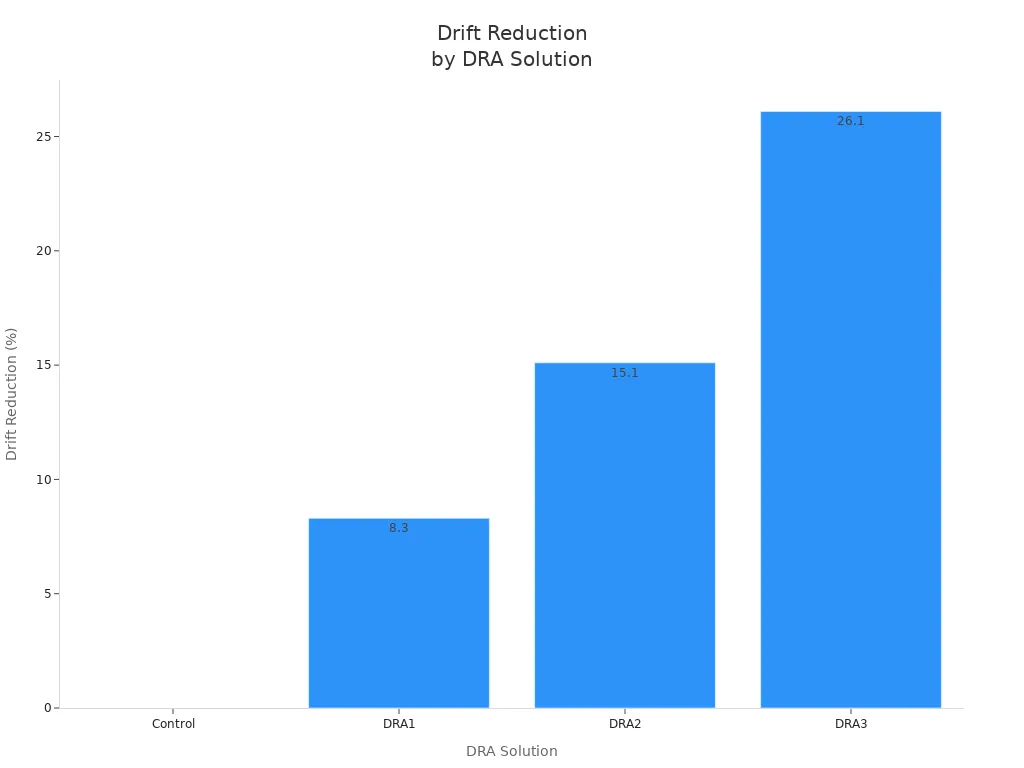
The table below shows how different solutions can lower pressure drift in tunnel building:
|
DRA Solution |
Droplet Coverage (%) |
Drift Reduction (Fold) |
Drift Reduction (%) |
|---|---|---|---|
|
Control |
21.8 |
1.00 |
0 |
|
DRA1 |
20.0 |
1.09 |
8.3 |
|
DRA2 |
18.5 |
1.18 |
15.1 |
|
DRA3 |
16.1 |
1.35 |
26.1 |
Solutions for Clogged Circuits
If you see the circuit is clogged, do something fast. Lower the backpressure to help the flow start again. Clean or change the filters in the circuit. Look for broken equipment and fix it. Change the hydraulic fluid if you need to. Use jacking stations to help with resistance in tunnel work. Add bentonite slurry to make things slippery and keep the circuit open. Keep the tunnel face steady when there is a lot of groundwater pressure. Pick the best tunnel machine for your project. CEGC can help you pick a tunnel machine that controls backpressure and keeps the circuit safe. Sensors and alarms can help you stop clogs before they happen in tunnel work.
Tip: Check your tunnel often and act fast to keep your project going and your circuit clear.
-
Pressure drift and backpressure can block micro tunneling circuits.
-
You need to watch your system and stop problems early.
-
Pick the best tunnel machine for your project.
Ask CEGC for help and advice. They can help keep your tunnel project safe and working well.
FAQ
What is the most important factor in choosing a tunnel machine?
You should think about what your project needs. The tunnel machine must fit the ground, size, and hydraulics. Always check backpressure and keep filters clean.
How early should you order a TBM tunnel boring machine?
Order your tunnel machine before you start digging. The system needs time to get ready. Planning early helps you watch backpressure and keep filters clean.
What information does CEGC need to prepare a technical proposal?
You need to give details about your tunneling project. The system needs to know the bore size, how long the drive is, the ground type, and hydraulic data. Always check backpressure and keep filters clean.
Tip: You can protect your hydraulic system if you keep filters clean and check backpressure.
|
FAQ Topic |
Key Action |
|---|---|
|
Tunnel Machine Selection |
Match system to hydraulics |
|
TBM Ordering |
Plan system early |
|
Proposal Preparation |
Share system details |


