
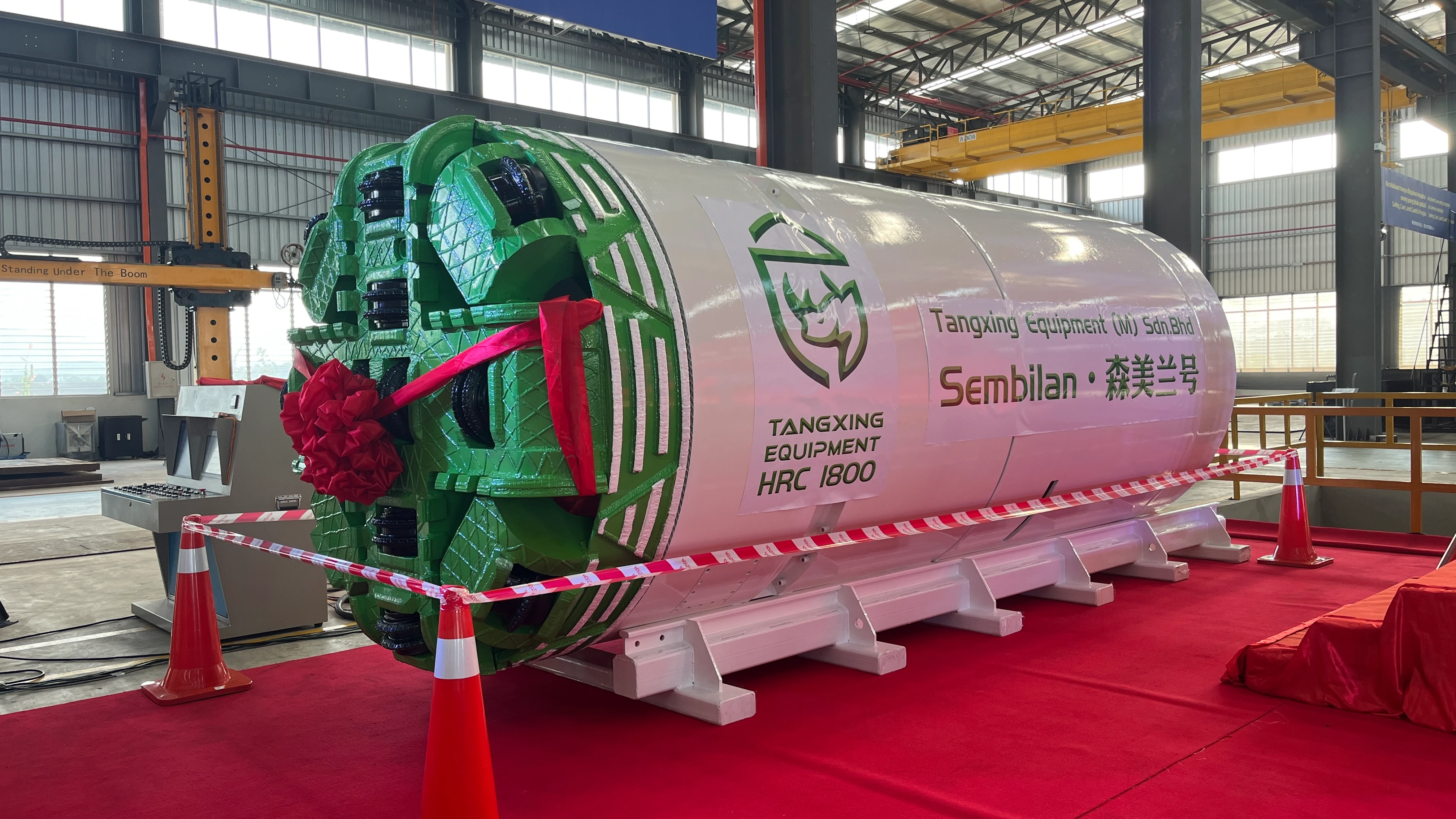
When you start a river TBM tunnel, you must focus on one thing above all: pressure control matters most on a river TBM tunnel. Good pressure management keeps your tunnel safe and your project on track. CEGC helps you make the right choices for every tunnel job.
Key Takeaways
-
Good pressure control is very important for safe tunneling under rivers. It stops water from getting in and keeps the tunnel safe.
-
Use real-time monitoring and automatic control systems to change pressure fast. This helps stop expensive delays and keeps workers safe.
-
Pick the right tunnel boring machine for the ground and water. Choosing well lowers risks and keeps your project moving.
Pressure control matters most in river TBM tunneling
How pressure control works in TBM machines
It is important to know how tunnel boring machines handle pressure. This is even more important when digging under rivers. TBM machines use different ways to keep the tunnel face safe and stop water from getting in. Earth Pressure Balance machines use a screw conveyor to help control pressure at the front. The dirt that is dug out helps support the tunnel face. Slurry Shield TBMs mix the dirt with bentonite slurry. This keeps the tunnel strong and lets the slurry be used again.
Here is a table that shows the main jobs of pressure control in TBM machines:
|
Function |
Description |
|---|---|
|
Pressure Maintenance |
EPB TBMs use muck to keep pressure at the tunnel face. This stops the ground from sinking. |
|
Ground Stabilization |
Additives like bentonite and polymers help keep the ground steady and hold pressure. |
|
Control of Water Flow |
Thick muck slows down water flow. This is very important for tunnels under rivers. |
Keeping the right pressure at the tunnel face is very important. If there is not enough pressure, the ground can get loose and holes may appear. If there is too much pressure, the ground can be pushed up and cause blow-outs.
Unique challenges under rivers
Pressure control is most important on a river TBM tunnel because there are special problems underground. High groundwater pressure can be more than 2 bar, which is about 30 psi, when you go deep. Faults in the ground can make hidden rivers that bring in water and slow down the TBM. You need to match the pressure at the tunnel face and the grout to the water pressure in the ground. Wet-Cut EPB machines and Slurry Shield TBMs are made for these tough jobs. They work well in wet ground and help stop blowouts.
Slurry Shield TBMs are best for places with lots of water or weak soil. They use a slurry separation plant to keep the tunnel face safe and lower the chance of collapse.
CEGC helps you pick the best tunnel machine for river jobs. Their team looks at the ground, water pressure, and what kind of machine you need. Pressure control matters most on a river TBM tunnel, so you need experts to help keep your project safe and working well.
Key reasons and risks of pressure control
Preventing water ingress and flooding
You must keep water out of the tunnel when you dig under a river. Water can rush in fast if you do not control the pressure. This can flood the tunnel and stop your work. You can use pre-grouting to make a waterproof shell around the tunnel. This helps keep water from getting inside. You should also drill probe holes ahead of the tunnel boring machine. These holes help you find water before it becomes a problem. You can close muck-chute doors and use strong seals to stop water from entering. If you do not control water, you may face long delays and need advanced engineering to fix the problem.
Tip: Always check the ground ahead with probe drilling. This helps you find hidden water and keeps your tunnel safe.
Maintaining tunnel face stability
You need to keep the tunnel face stable. If the face is not stable, the ground can fall into the tunnel. This can trap your tunnel boring machine and stop progress. You must balance the pressure at the tunnel face with the water and ground pressure outside. You can use compressed air or special pressure systems to do this. If you keep the pressure too low, water and soil can rush in. If you keep it too high, you can push the ground up and cause a blow-out. You must find the right balance to keep the tunnel face safe.
Here are some common risks if you do not control pressure:
|
Risk Type |
Description |
|---|---|
|
Ground Collapse |
The tunnel face can fail and the ground can fall in. |
|
Surface Settlement |
The ground above the tunnel can sink, causing damage to roads or buildings. |
|
Mud/Water Inflow |
Water or mud can rush into the tunnel, making work unsafe. |
|
Cutter Head Clogging |
Sticky soil can block the cutter head, stopping the machine. |
|
Heaving/Blow-Out |
Too much pressure can push the ground up or cause sudden bursts of water or soil. |
Protecting workers and equipment
You must protect your workers and machines. High-pressure tunnels can be dangerous. You need to train your team to spot warning signs. You should use good ventilation to keep air safe. You must check your equipment often and fix problems right away. You should have emergency plans and practice drills. Real-time monitoring helps you see problems early and keep everyone safe.
|
Description |
|
|---|---|
|
Risk Assessment |
Find hazards early to prevent accidents. |
|
Worker Training |
Teach workers to spot danger and act fast. |
|
Ventilation |
Use machines to keep air fresh and safe. |
|
Structural Support |
Use strong supports to keep the tunnel from collapsing. |
|
Continuous Monitoring |
Watch tunnel conditions all the time with sensors. |
|
Emergency Planning |
Make plans for accidents and practice them. |
|
Equipment Maintenance |
Check and fix machines often to avoid breakdowns. |
Ground settlement and surface safety
You must watch for ground settlement above the tunnel. If you do not control pressure, the ground can sink or heave. This can cause sinkholes or damage to buildings and roads. You should monitor the ground during tunneling. If you see movement, you can adjust the pressure to keep the surface safe. Good pressure control keeps the ground steady and protects people and property above.
Risks of poor pressure management
If you do not manage pressure well, you can face many problems. You may see tunnel collapse, ground loss, or even have to stop your project. Water can rush in and damage the tunnel. Machines can get stuck, like what happened in the Yellow River Diversion Project. Delays can last for months and cost a lot of money. You may need extra engineering to fix the tunnel. Poor pressure control can also cause surface settlement, which can damage roads and buildings. You must use the right tunnel machine and monitor pressure all the time. Pressure control matters most on a river TBM tunnel because it keeps your project safe, on time, and within budget.
Note: Always choose the right tunnel boring machine for the ground and water conditions. Use advanced monitoring and control systems to manage pressure and avoid costly mistakes.
Best practices for effective pressure control
Proven strategies and technologies
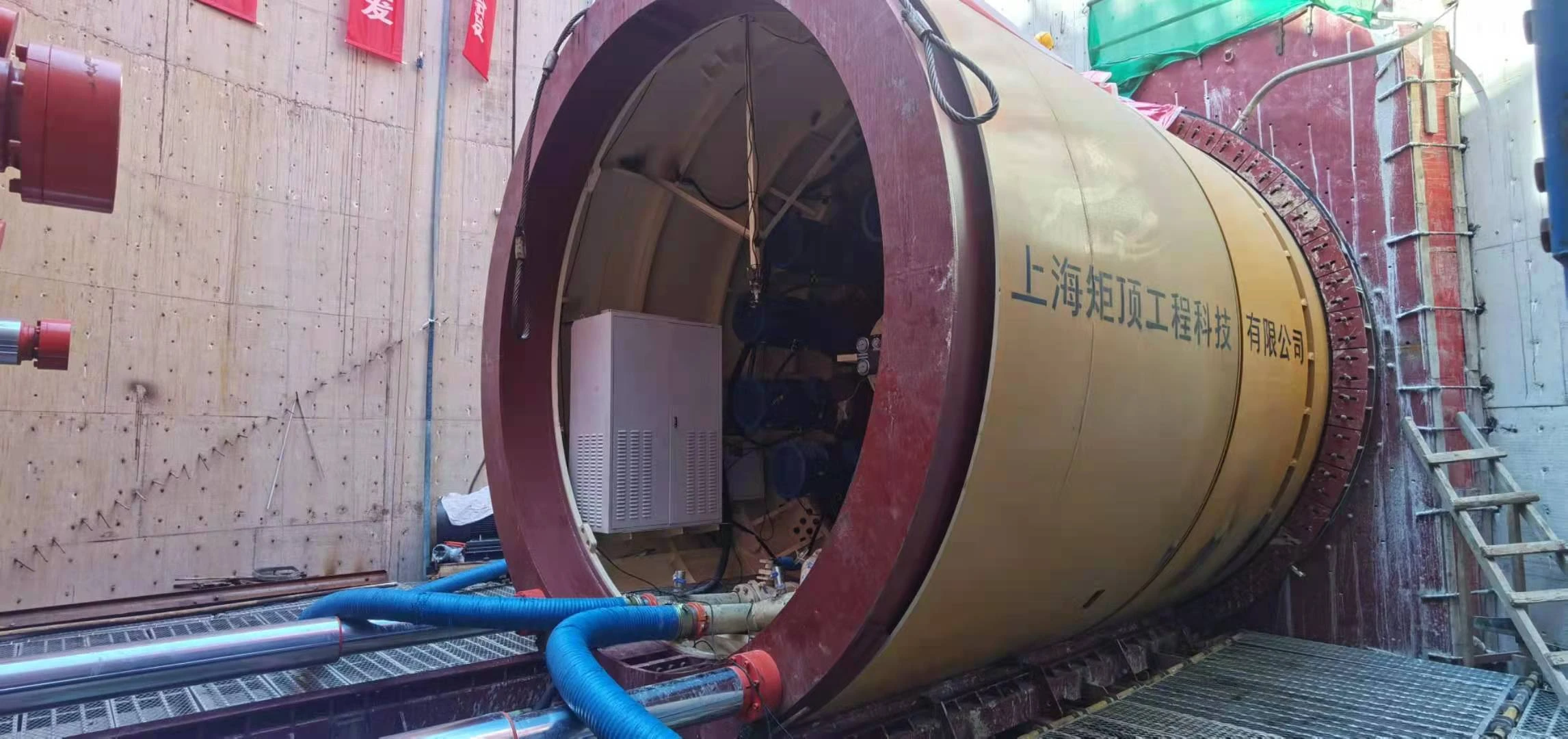
You can keep your tunnel safe by following proven steps. Start with real-time monitoring. Use sensors to check pressure at the tunnel face and inside the machine. Adjust the pressure often. This helps you react fast if something changes. Use automatic control systems. These systems can change pressure without delay. You should also use probe drilling. This lets you find water or weak ground before you dig. Add bentonite or polymers to the soil if you need more support. Always keep your equipment in good shape. Check seals, pumps, and valves every day.
Tip: Train your team to spot warning signs. Practice emergency drills so everyone knows what to do if pressure changes fast.
Selecting the right tunnel machine
You must choose the right tunnel machine for your project. The type of ground and water flow under the river will guide your choice. Pressure control matters most on a river TBM tunnel, so match the machine to the soil and water conditions. CEGC uses a five-step framework to help you pick the best tunnel boring machine. You start by defining your project needs. Next, you check the ground and water. Then, you match the machine type to your findings. After that, you look at cost and logistics. Last, you ask for a technical proposal.
Here is a table to help you see which TBM shield works best for different ground types:
|
Hydraulic Conductivity (cm/s) |
Recommended TBM Shield Type |
|---|---|
|
Less than 10⁻⁷ |
Earth pressure balance TBM shield |
|
Between 1⁻⁷ and 10⁻⁴ |
Mud-earth pressure balance or mud-water balance TBM |
|
Greater than 10⁻⁴ |
Mud-water balance TBM shield |
When you follow these steps, you lower your risks. You keep your workers safe and your project on track.
You need to pay close attention to pressure control when building a river TBM tunnel. Smart prediction tools help you handle stress and stop delays. CEGC gives you expert help and special answers for your project:
|
Service |
Benefit |
|---|---|
|
Equipment Solutions |
Custom machines for hard jobs |
|
Technical Consulting |
Advice for safe and smooth tunneling |
Pick advanced pressure control to keep everyone safe and finish your project well.
FAQ
What is the most important factor when choosing a tunnel machine?
You need to pick a tunnel machine that fits your ground and water. Pressure control is the most important thing for river tunnels.
How early should you order a TBM machine for your project?
You should start picking a TBM machine right after you know what your project needs. Planning early helps you stop delays.
What information does CEGC need to prepare a technical proposal?
|
Project Parameter |
Why It Matters |
|---|---|
|
Bore diameter |
Helps choose machine size |
|
Ground conditions |
Shows what machine to use |
|
Water pressure |
Decides pressure settings |


