
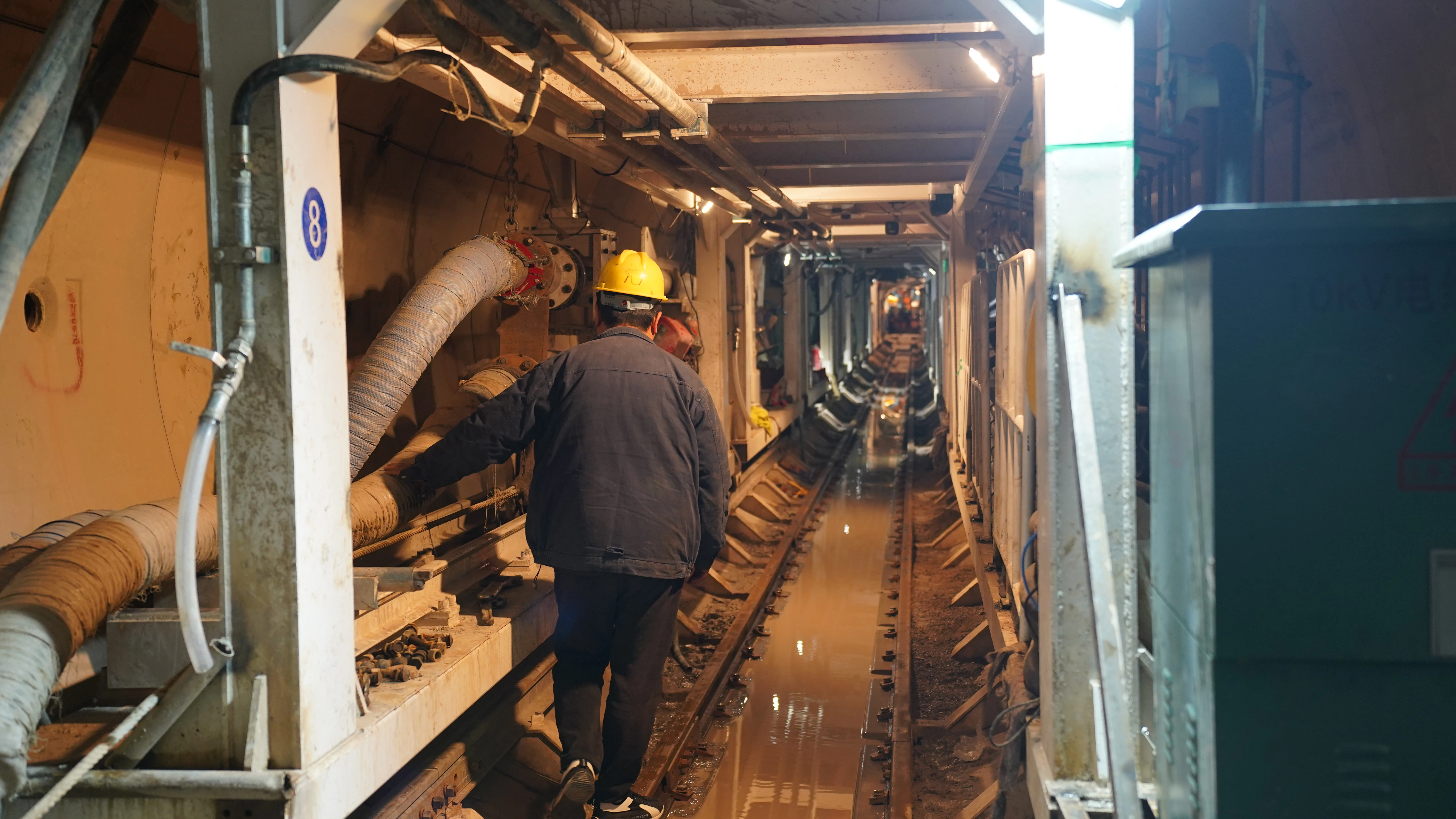
You have to ensure that micro tunneling separation must match peak flow rates. This is crucial to prevent work from slowing down and incurring additional costs. In urban tunneling projects, the separation margin and hydraulic capacity are of utmost importance. CEGC provides tunnel machines and microtunnelling machines with standard specifications, and they can also customize them to meet the specific needs of your project.
Key Takeaways
-
Make sure your micro tunneling separation system fits peak flow rates. This helps you avoid expensive delays and higher project costs.
-
Check and take care of your separation system often. This stops bottlenecks and keeps your tunneling project moving on time.
-
Use real-time monitoring tools to spot problems fast. Fix issues in your separation system quickly. This keeps things running well and helps your project succeed.
Why micro tunneling separation must match peak flow rates
Productivity and Cost Risks
Your micro tunneling separation system needs to handle peak flow rates. If it cannot, the tunneling process will slow down. The tunnel machine or microtunnelling machine will not remove all the excavated material. This can clog the machine and lower daily work output. You will spend more time and money cleaning dirty slurry and adding clean water. These delays make your project cost more. You also have to pay for hauling away dirty slurry and bringing in new materials. Matching your separation system to peak flow rates helps you avoid these problems and keeps your project on track.
Bottlenecks and Delays
Bottlenecks happen when the separation system cannot keep up with the slurry. This causes a chain of delays. The tunnel boring machine must stop until you fix the issue. Every hour lost means more money spent and a longer project. You can stop these problems by making sure your micro tunneling separation must match peak flow rates. A good system removes soil from the slurry and sends clean slurry back to the TBM. It keeps the right density and viscosity. It also controls face pressure and stops ground settlement. If your separation system works well, you lower downtime and keep logistics simple.
Tip: Check and maintain your separation system often. This helps stop delays and keeps your equipment working well.
Impact on Urban Projects
Urban tunneling projects have strict rules about ground movement. If your separation system cannot keep up, the ground may move. This can cause claims, stoppages, or safety risks. You need to control face pressure and keep the ground stable. Micro tunneling separation must match peak flow rates to protect the city and avoid costly issues. Cities have tight spaces and delays affect traffic and utilities. A good separation system helps you handle these problems.
CEGC has tunnel machines and microtunnelling machines with different separation system sizes. You can pick the right one for your project:
|
Capacity Type |
Description |
|---|---|
|
Small Capacity |
Good for small tunneling jobs, best for city utility work with little space. |
|
Medium Capacity |
Works for medium projects, can handle many soil types. |
|
Large Capacity |
Best for big projects, runs all the time and separates materials well. |
You can also use industry best practices to keep your separation margin strong:
|
Maintenance Practice |
Benefits |
|---|---|
|
Shale Shakers |
Helps remove solids and speeds up drilling |
|
Hydrocyclones |
Stops blockages and keeps pressure steady |
|
Centrifugal Pumps |
Lowers downtime and saves money |
|
Overall Maintenance |
Makes equipment last longer and work better |
When your micro tunneling separation must match peak flow rates, you protect your project from ground settlement, face instability, water leaks, and logistics issues. You also get the best results from your CEGC tunnel machine or microtunnelling machine.
Sizing micro tunneling separation systems for peak flow

Calculating Peak Flow
You need to know the peak flow rate before picking your separation system size. First, measure the most slurry your tunnel boring machine or microtunnelling machine will make during busy times. Check the soil type, tunnel width, and how fast you dig. These things change how much material you need to separate. If you work in soft ground or wet soil, you will get more slurry. Use easy math to guess the peak flow:
-
Find out how fast your tunnel machine moves.
-
Multiply that by the tunnel’s cross-section.
-
Add more for water leaks and soil treatment.
This math shows the highest flow your system must handle. If your system is too small, you may have delays and spend more money. Micro tunneling separation must match peak flow rates to keep your project moving and stop bottlenecks.
Tip: Always plan for the worst case. If you think you might get sudden bursts of slurry, make your system big enough to handle them.
Matching System Components
After you know your peak flow, match every part of your separation system to that number. Pick pumps, shakers, hydrocyclones, and tanks that can handle the highest flow. If you use a CEGC tunnel machine or microtunnelling machine, you can choose from many custom features. These choices help you fit your system to your project:
|
Customizable Feature |
Description |
|---|---|
|
Interchangeable cutting heads |
Works for soft, hard, or mixed ground |
|
Adjustable jacking frames |
Fits different pipe sizes |
|
Integrated lubrication or grouting systems |
Helps in tough conditions |
|
Specialized sensors |
Made for hard environments |
You also get standard specs that help you control face pressure, keep the tunnel straight, and stop ground movement:
|
Specification |
Description |
|---|---|
|
Positive Face Support |
Supports all types of TBM and Microtunnelling Machine |
|
Controlled Sheeting |
Keeps alignment within ±1 inch of the plan |
|
Remote Control |
Lets you control everything from the surface |
|
Rotation Control |
Controls how the cutter head turns |
|
Lubrication |
Puts lubricant around the pipe for smooth jacking |
|
Heave and Settlement |
Controls ground movement to stay within contract rules |
|
Deviation Monitoring |
Watches for changes from the planned line and grade |
|
Grade and Roll |
Checks the grade and roll of your TBM |
|
Jacking Load |
Shows the jacking load right away |
|
Torque and RPM |
Shows torque and RPM of the cutter head |
|
Instantaneous Jacking Rate |
Shows how fast and far you are jacking |
|
Steering Direction |
Tells you which way you are steering |
|
Slurry Flow |
Checks slurry flow both ways |
|
Slurry Bypass Valve |
Shows where the bypass valve is |
|
Slurry Pressure |
Shows the pressure in the slurry chamber |
Pick the features that fit your job. If you match your system parts to your peak flow, you make sure micro tunneling separation must match peak flow rates. This keeps your tunnel boring machine working and stops downtime.
Real-Time Monitoring
You need to watch your separation system while you work. Real-time monitoring helps you find problems before they stop your project. Sensors and data tools show you the flow, pressure, and thickness of your slurry. If you see a spike, you can fix it fast. Micro tunneling separation must match peak flow rates, so you need to catch overloads right away. Here is how real-time monitoring helps:
|
Evidence Point |
Explanation |
|---|---|
|
Lets you spot problems right away, so they do not get worse during busy times. |
|
|
Micro-burst detection |
Finds quick spikes in data flow that could cause overloads, so you can fix them fast. |
|
Correlation of data layers |
Shows which users and jobs are affected, so you can manage problems before they grow. |
Use these tools to keep your system running well. If you use CEGC’s special sensors, you get extra help in tough places. Real-time monitoring gives you control and helps you avoid costly delays.
Note: Check your system often. If you see changes in flow or pressure, change your settings right away.
If you follow these steps, you make sure micro tunneling separation must match peak flow rates. You protect your project from delays, extra costs, and ground movement. CEGC gives you the tools and custom options you need for any tunnel boring machine or microtunnelling machine project.
You need to match your micro tunneling separation system to peak flow rates. If your system is too small, you may have problems like:
-
Costs go up
-
Equipment breaks faster
CEGC’s solutions help you pick the right size. This stops these issues. Use tools to watch your project and keep it safe. Strain gauges and vibration systems are good choices.
|
Monitoring Tool |
Purpose |
|---|---|
|
Strain gauges |
Check TBM structure |
|
Vibration monitoring |
Protect nearby buildings |
FAQ
What happens if my separation system is too small?
You will see more delays and higher costs. Your tunnel machine may stop often. You risk ground movement and safety problems.
How do I know the right size for my project?
You should measure your peak flow rate. Check your soil, tunnel size, and digging speed. CEGC can help you choose the best system.
Can I upgrade my separation system later?
Yes, you can upgrade. CEGC offers modular systems. You can add more capacity or features as your project grows.


