
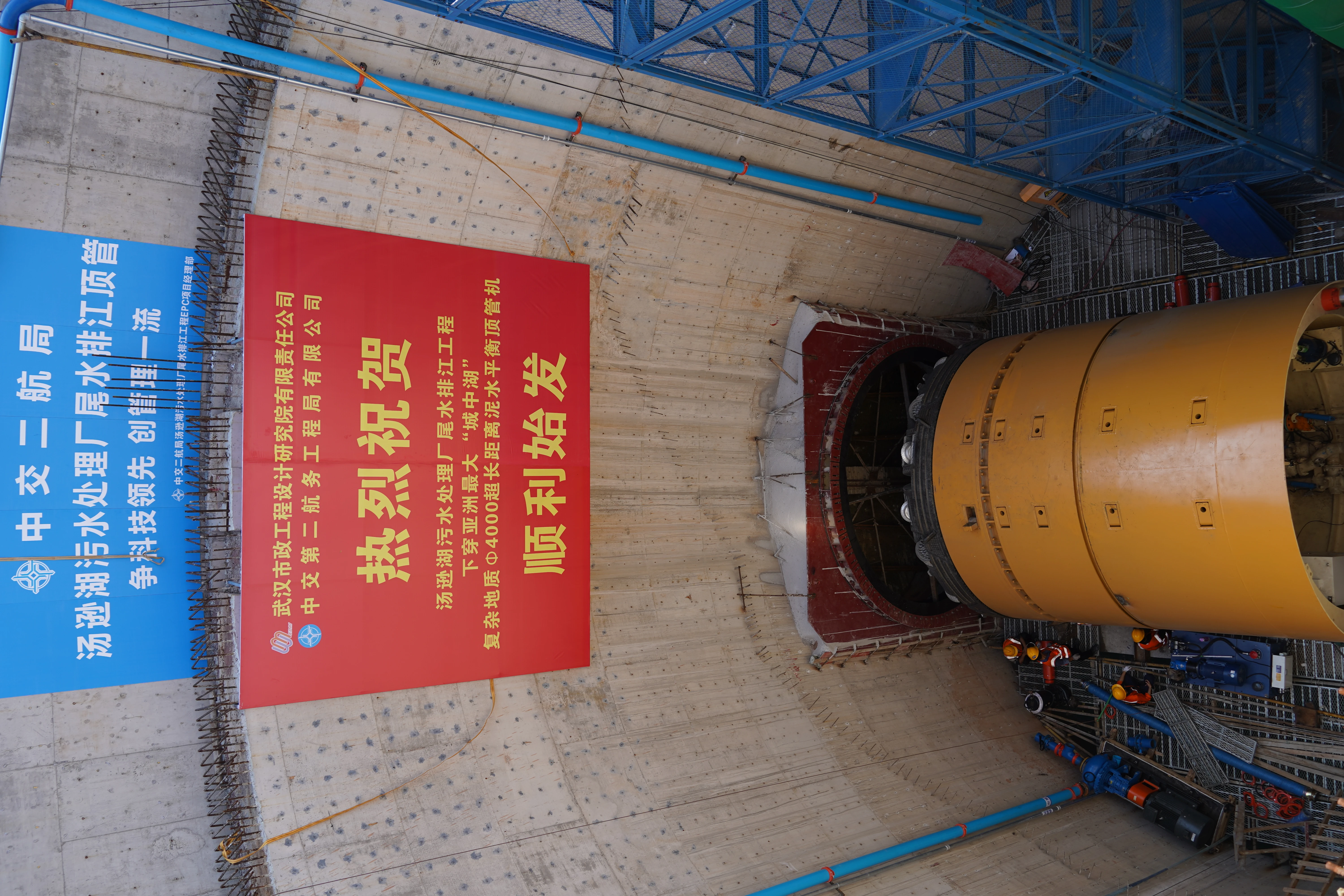
You might see that micro tunneling signal loss can miss tolerance targets. This can cause mistakes that mess up your project. Good alignment keeps your tunnel machine moving the right way. Watching ground settlement keeps nearby buildings safe. CEGC gives solutions that help you stay accurate and avoid expensive problems.
Key Takeaways
-
Knowing tolerance targets in microtunneling is important. It helps place pipes correctly. It also keeps utilities safe.
-
Watching ground settlement in real-time finds changes fast. This lets people act quickly to stop expensive problems.
-
Using smart guidance systems and monitoring tools lowers risks. These risks come from micro tunneling signal loss.
microtunneling tolerance targets and ground settlement
defining tolerance targets in microtunneling
It is important to know what tolerance targets are in microtunneling. These targets help you put pipes in the right place and keep the utility safe. When the tolerance targets are tight, the tunnel stays on the correct path. You can look at the table below to see what the industry standards are. The table shows different ways to do microtunneling, pipe sizes, and how much the grade can change.
|
Method |
Pipe Diameter Range |
Ground Conditions |
Personnel Entry Required |
Grade Tolerance |
Typical Application |
|---|---|---|---|---|---|
|
Slurry Microtunneling |
18-96 in OD |
Soft to mixed-face, high water table |
No |
High (laser-guided) |
Gravity sewers, water mains, urban crossings |
|
Pilot Tube / Guide Bore |
6-30 in OD |
Stable cohesive soils |
No |
Very high (±1 in) |
Small-diameter gravity sewer, utility conduits |
|
Guided Auger Boring |
Up to 48 in casing |
Cohesive to moderately firm |
No |
Moderate (±1 in elevation) |
Road/rail crossings, steel casing installation |
|
Manned Pipe Jacking |
Above 48 in |
Wide range |
Yes |
High |
Large sewer interceptors, service tunnels |
ground settlement risks and monitoring
There are ground settlement risks when you do microtunneling. Settlement can hurt utility lines and cause trouble for buildings nearby. You need to watch for the most ground settlement and use prediction to keep the utility safe. Some things that cause settlement are not enough slurry pressure, bad soil control, and ground moving. You can use tools like automated settlement monitoring systems, liquid level settlement monitoring system, borehole extensometers, tilt beams, and SAAXs chains. These tools help you see how much the ground moves and keep the work safe.
-
Not enough slurry pressure can make holes or cause the ground to sink.
-
Bad soil control makes the ground unstable.
-
Ground movement in cities can be a big risk for buildings and roads.
-
The space around the jacked pipe should be filled with grout so the ground does not settle later and the pipe does not rust.
importance of precise alignment
Getting the alignment right is very important in microtunneling. This keeps the utility safe and stops expensive repairs. Good alignment helps the pipeline last longer. If the tunnel is not straight, it can break and cost more to fix. CEGC’s tunnel boring machine and microtunnelling machine help you get the tunnel in the right place and control settlement. You use monitoring and prediction to make sure the ground does not move too much and the utility stays safe during the work.
micro tunneling signal loss can miss tolerance targets
causes of signal loss in microtunneling
Microtunneling has many problems. One big problem is micro tunneling signal loss can miss tolerance targets. This happens when guidance systems stop working. In cities, there is a lot of interference. Thick soil or water can block signals too. Sometimes, equipment breaks and causes micro tunneling signal loss can miss tolerance targets. When signals are lost, you cannot follow the tunnel machine. You do not get data about ground settlement. You cannot check if the tunnel is straight. Micro tunneling signal loss can miss tolerance targets and make settlement risks higher. You need to know these causes to stop mistakes.
impact on guidance and alignment
Micro tunneling signal loss can miss tolerance targets and hurt guidance and alignment. You cannot steer the tunnel machine. The tunnel might go the wrong way. You cannot see if the tunnel follows the plan. This can make you miss tolerance targets. More settlement can happen if the tunnel machine moves without help. The problem gets worse in small spaces. You might hit other utilities. You must keep the tunnel machine straight to stop settlement. Micro tunneling signal loss can miss tolerance targets and cost a lot to fix. You need strong guidance systems to lower problems and keep the tunnel safe.
ground settlement monitoring for risk mitigation
You need ground settlement monitoring to lower risks. Micro tunneling signal loss can miss tolerance targets and make settlement worse. Real-time ground settlement monitoring helps you see changes fast. This monitoring gives you data about ground settlement. You can fix problems quickly. You use ground settlement monitoring to protect buildings and roads. You see how tunneling changes the ground. You use ground settlement monitoring to plan repairs. You stop problems before they get big. You keep the tunnel safe and strong. You use ground settlement monitoring to follow safety plans. Experts help you check risks and give advice. You treat the ground to make microtunneling safer. You use ground settlement monitoring to keep settlement within limits.
-
Real-time ground settlement monitoring gives you data all the time.
-
You use predictive maintenance to stop tunnel problems.
-
You keep tunnel parts safe and strong.
-
You use ground settlement monitoring to handle surprises in microtunneling.
-
You act early to lower settlement problems.
technical solutions from CEGC tunnel boring machines
CEGC tunnel boring machines help you fix micro tunneling signal loss can miss tolerance targets. You use advanced guidance systems to keep the tunnel machine on track. You use closed-mode face support to control ground settlement. You use pressure control to keep the ground steady. You use ground settlement monitoring to watch for movement. CEGC tunnel boring machines use GPS anti-jamming technology. You filter real signals from fake ones. You use dual-frequency GPS systems. If one signal stops, the other works. You use special antennas to block jamming signals. You use automated systems to fix jams fast.
|
Feature |
Description |
|---|---|
|
GPS Anti-Jamming Technology |
You filter real satellite signals from fake ones for good tracking. |
|
Dual-Frequency GPS Systems |
You use L1 and L5 signals; if one is blocked, the other works. |
|
Controlled Radiation Pattern Antennas |
You block jamming signals and keep connection in hard places. |
|
Automated Intervention Systems |
You find jams and change machine work to stop damage and downtime. |
You use guidance with pressure control to work in many ground types. You use calibration, good setup, and regular survey checks. You use advanced monitoring systems to get alerts when things go wrong.
Good monitoring systems tell you right away when something is wrong or a problem is starting.
You use strong machine parts to stop drift. You use modular design for easy fixes and quick setup. You use ground settlement monitoring to check for settlement and keep the tunnel safe. You use skilled workers to make changes fast. You use Mohr-Coulomb and Peck's Ground Settlement Theory to learn about soil. You use ground settlement monitoring to lower settlement and keep the tunnel straight. You use CEGC tunnel boring machines to meet standards and fit your project. You use ground settlement monitoring to lower problems and keep your microtunneling project safe.
-
Microtunneling needs you to watch ground settlement.
-
Projects with microtunneling can have ground settlement risks.
-
Problems can happen if the ground settles.
-
You use tools to check ground settlement.
-
Microtunneling helps control how much the ground moves.
-
Checking ground settlement keeps things safe.
-
Microtunneling makes ground settlement less likely.
-
You must keep an eye on ground settlement.
-
Microtunneling helps keep ground settlement safe.
-
You rely on ground settlement checks.
-
Microtunneling projects need ground settlement checks often.
-
Ground settlement checks help you avoid trouble.
-
Microtunneling uses ground settlement information.
-
Ground settlement checks stop big problems.
-
Microtunneling keeps ground settlement from getting worse.
-
Ground settlement checks are very important.
-
Microtunneling helps control ground settlement.
-
Ground settlement checks protect the area.
-
Microtunneling and ground settlement checks work together.
-
Pick CEGC for microtunneling and ground settlement checks.
FAQ
What is ground settlement in microtunneling?
Ground settlement happens when the soil moves or sinks. This can happen while tunneling. Ground settlement can make it hard to put in utilities. It can also cause problems for buildings and roads near the tunnel.
How does settlement monitoring help your project?
Settlement monitoring lets you watch the ground for changes. You can find settlement early with this. You can fix problems before they hurt utility installation. You can also stop more settlement from happening.
Why is ground settlement important for utility installation?
You must control ground settlement to keep utilities safe. Ground settlement can make pipes move out of place. It can also hurt the tunnel and cause more settlement problems.


