
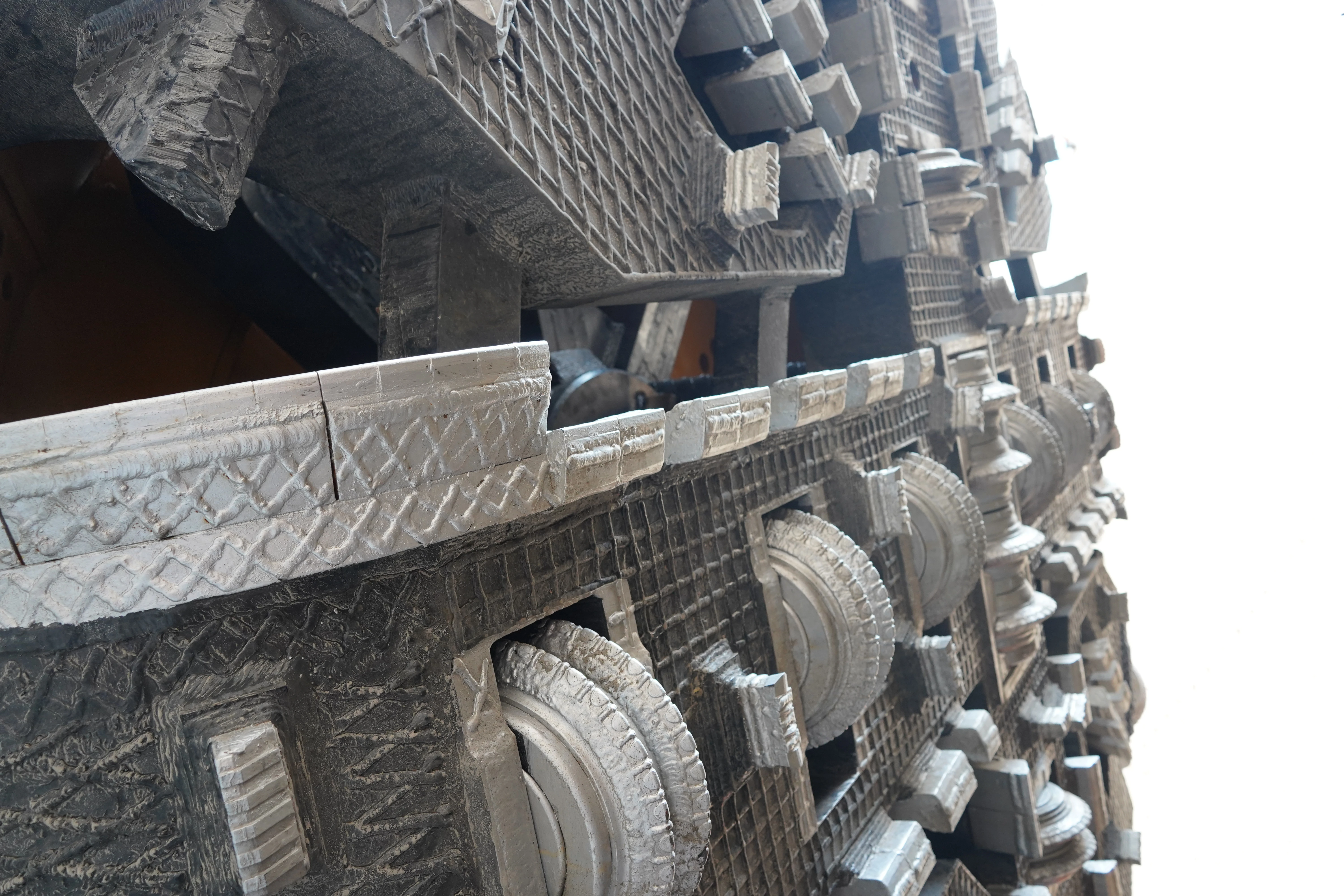
You want to know why micro tunneling thrust balance lowers joint leakage risk. This method keeps pipeline joints strong. Micro tunneling thrust balance lowers joint leakage risk by stopping gasket damage. It also stops joint failures and leaks from thrust forces. It helps when you worry about corrosion or pipe fatigue. It also helps with third-party damage. Micro tunneling thrust balance lowers joint leakage risk because it protects against aging. It also protects against manufacturing defects. Micro tunneling thrust balance lowers joint leakage risk by making sure every joint fits tight. Micro tunneling thrust balance lowers joint leakage risk when you use the right underground boring machine. Trust CEGC for expert support.
-
External corrosion can make pipes weak.
-
Internal corrosion and MIC attack pipe crowns.
-
Joint failures and thrust forces cause leaks.
-
Surge, fatigue, and third-party damage raise risk.
-
Aging and defects make leaks happen more often.
Key Takeaways
-
Micro tunneling thrust balance stops joint leaks by making joints fit tightly. It also helps protect gaskets from getting damaged.
-
Choosing the correct tunnel boring machine and using new methods lowers leak risks. These steps also make pipelines stronger.
-
Keeping pressure balanced and using lubrication systems keeps joints safe. This protects them from stress and stops failures.
micro tunneling thrust balance and joint leakage risk
microtunneling basics
Microtunneling is used to make small tunnels for pipes. It works for pipes from 150 to 3000 millimeters wide. Microtunneling uses special machines and control systems. These machines dig through dirt and rock with a spinning cutting head. A slurry moves the dug-up dirt out of the tunnel. A laser-guided system helps control the direction. This keeps the tunnel straight and in the right place. Microtunneling lets you put in pipes without much surface mess. First, you get a launch shaft ready. Then you send in the tunnel machine. Hydraulic jacks push each pipe section forward. The machine stays on track with automatic guidance. Pipe jacking moves the pipeline through the ground. The process keeps pressure steady at the tunnel face. This balances earth and water pressure. You get a tunnel that is safe and stable.
-
Microtunneling makes small tunnels for pipes.
-
You control the boring machine from a distance.
-
Pipe jacking pushes the pipeline ahead.
-
The system keeps pressure steady at the tunnel face.
thrust balance mechanism
Thrust balance in microtunneling uses a few main parts. Hydraulic jacks push the pipe and tunnel machine forward. These jacks use strong force to get past soil and friction. Thrust blocks at the jacking station help balance these forces. They stop the pipe from bending or folding. Lubrication systems make less friction between pipe and soil. This helps the pipe move easier and needs less force. For long tunnels, you use extra jacking stations every 10 to 20 meters. These stations help spread out the force. They keep the load even along the pipeline. The table below lists the main thrust balance parts:
|
Mechanism |
Description |
|---|---|
|
Jacking Forces |
Strong forces push the pipe and tunnel machine through the ground. |
|
Thrust Blocks |
Hold up the pipe and balance the jacking forces. |
|
Lubrication Systems |
Make less friction between pipe and soil for smoother movement. |
|
Intermediate Jacking |
Spread out the force in long tunnels to protect the pipeline. |
You need these systems to keep the tunnel steady. They help stop sudden moves or uneven pressure. This keeps the pipeline and joints safe from harm.
joint stress and leakage prevention
You have to keep each pipeline joint safe from stress and leaks. Joints can fail if gaskets break, pressure is uneven, or force is too high. Microtunneling helps lower this risk. The thrust balance system spreads force evenly along the pipeline. This stops one joint from getting too much load. Lubrication systems also help by lowering friction. This means less stress on each joint. When soil pressure is balanced, the tunnel does not move or settle. This keeps joints tight and safe.
Microtunneling uses smart guidance systems. These systems keep the tunnel on the right path. You get better alignment and fewer joint gaps. Auto-lubrication systems lower the jacking force. This helps keep joints in good shape. New packing systems help move loads across pipe joints, even on curves. You get stronger joints and less leakage.
Tip: You can lower leakage risk by picking the right tunnel machine and using new microtunneling methods.
CEGC gives you advanced tunnel machines for microtunneling. You get full help for trenchless projects. CEGC designs and builds machines for all tunnel sizes. You can trust their machines to keep your pipeline joints safe and lower leak risk.
technical steps and equipment in microtunneling
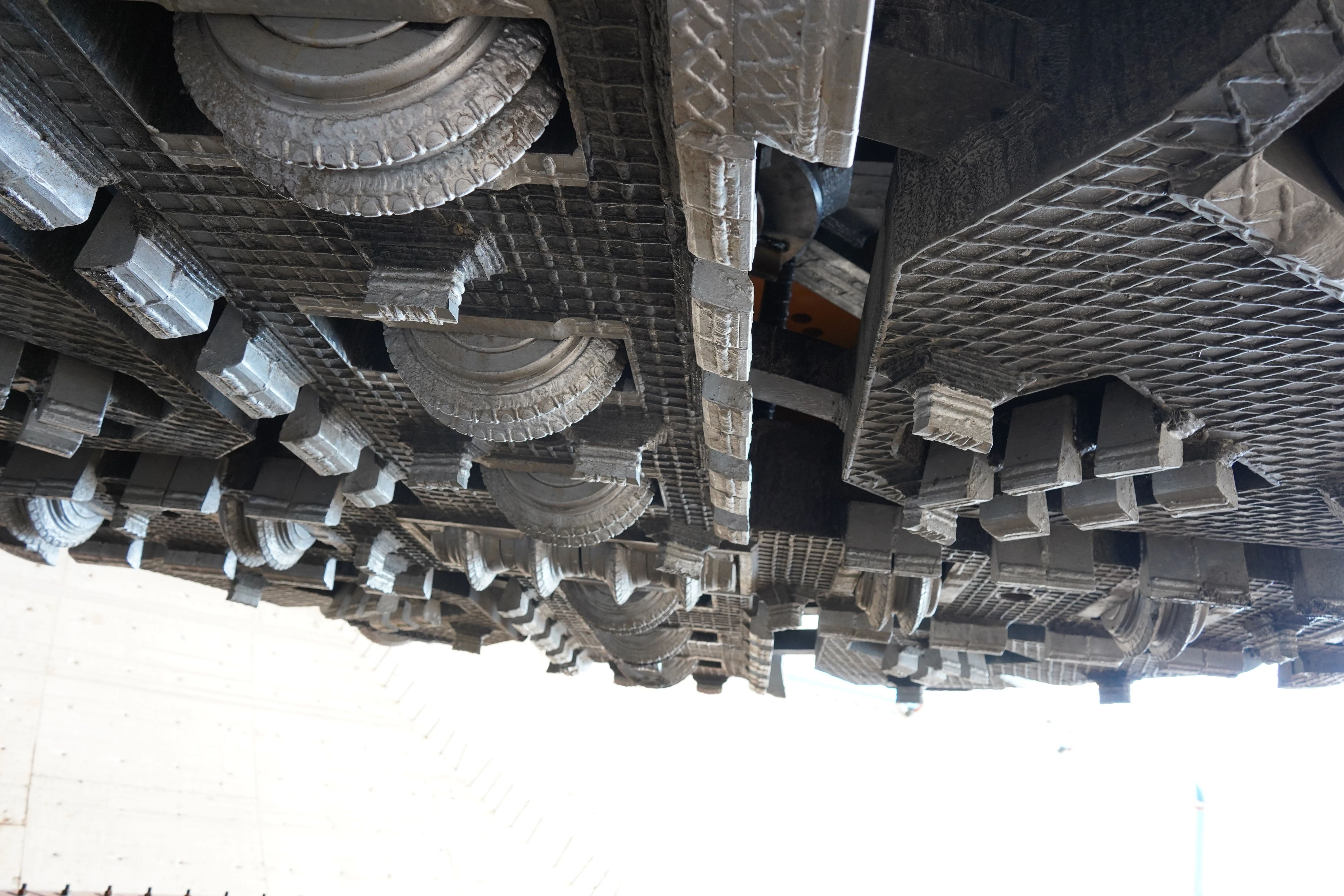
key machines: tunnel boring machine, Microtunnelling Machine, auger boring machine
You need special machines to do microtunneling the right way. The main machines are the tunnel boring machine, Microtunnelling Machine, and auger boring machine. Each one does something important. The Microtunnel Boring Machine (MTBM) cuts through the dirt and holds up the tunnel face. Lasers in the guidance system help keep the tunnel straight. The slurry system takes out the dirt and keeps the tunnel safe. The jacking frame and hydraulic jacks push the pipes forward. The table below lists the main parts:
|
Component |
Description |
|---|---|
|
Microtunnel Boring Machine (MTBM) |
Cuts soil and supports the tunnel face. Equipped for many ground types. |
|
Guidance System |
Uses lasers for accurate tunnel alignment. |
|
Slurry System |
Moves soil and stabilizes the tunnel face. |
|
Jacking Frame |
Supports and pushes pipes. |
|
Hydraulic Jacks |
Provide force for pipe movement. |
|
Jacking Pipes |
Strong pipes that handle hydraulic pressure. |
|
Spoil Removal System |
Removes soil efficiently. |
installation process for joint integrity
There are steps you follow to put in pipes with strong joints. First, you build the launch shaft and set the tunnel machine in place. The MTBM starts to cut, and the dirt mixes with water. The slurry system moves the dirt to a separator. Hydraulic cylinders push each pipe section forward, and lasers guide the way. Grout mixing and pumping systems fill gaps and hold the pipes. These systems keep the joints tight and stop leaks. You also use low-vibration ways, like careful tunneling and ground support, to protect the joints and buildings nearby.
project outcomes and case examples
You can see how microtunneling helps in real jobs. In busy cities, microtunneling keeps traffic moving and roads open. Engineers use Earth Pressure Balanced TBM methods for the right ground. They build thrust blocks to keep pipes steady. Soil-structure analysis helps stop buildings from sinking. These steps mean fewer leaks and stronger pipelines. CEGC gives you all kinds of tunnel machines and helps you from start to finish.
If you use micro tunneling thrust balance, you lower joint leakage risk. This way, pipe joints stay strong and do not move.
-
Thrust balance helps stop leaks, even if there is a lot of groundwater.
-
Closed slurry systems and real-time controls hold the pipes steady.
Pick the right tunnel machine from CEGC for pipelines that last a long time and work well.
FAQ
What is the most widely used method for microtunnel installation?
Microtunnel installation is common for utility pipelines. This method keeps the ground steady. It protects pipes while workers build the tunnel.
How does a bentonite slurry system help in microtunneling?
A bentonite slurry system supports the tunnel face. It helps take away soil. It keeps the tunnel safe so it does not collapse.
Why is high-precision alignment important for joint separation prevention?
High-precision alignment stops pipe joints from separating. It keeps each joint tight. This lowers the chance of leaks.


