
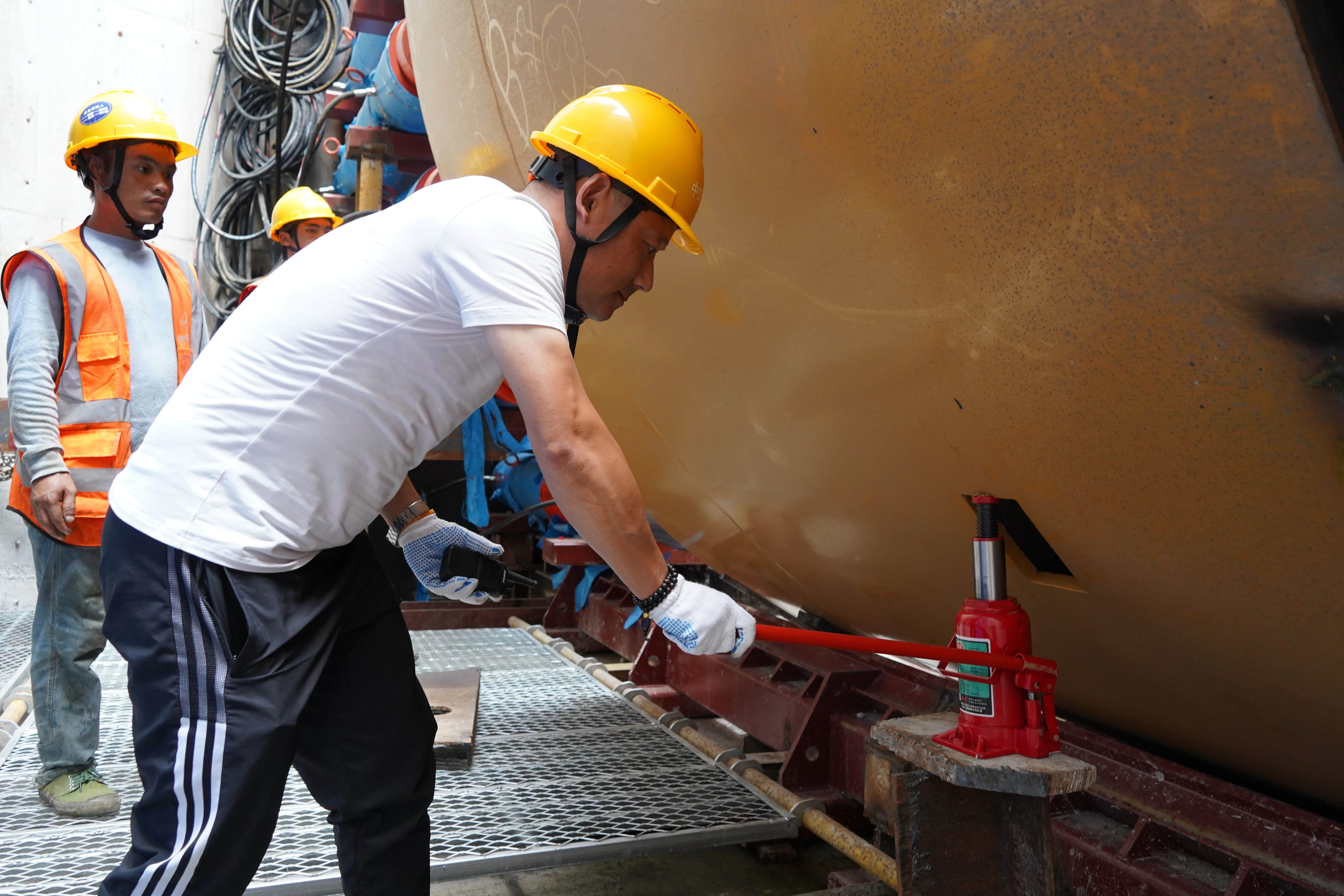
Thrust balance makes TBM tunnel advance rates predictable, which is crucial for every underground boring machine project. You can observe thrust balance in TBM tunnel boring machines, auger boring machines, and Microtunnelling Machines. CEGC provides these innovative solutions to clients worldwide. A good thrust balance ensures the machine operates efficiently and maintains ground safety, making it essential knowledge for procurement teams, engineers, and project managers.
Key Takeaways
-
Thrust balance is very important for keeping tunnel boring machines moving at a steady speed. It helps the machines work well and keeps everyone safe.
-
Using new technology to watch thrust balance stops delays and lowers risks. This helps projects finish on time.
-
Doing the right things with thrust management makes machines work better. It also saves energy and helps the machines last longer.
Thrust balance in tunnel machines
What is thrust balance?
Thrust balance means the force that pushes a tunnel machine is spread out evenly. This force must be watched closely in every tunnel boring machine, auger boring machine, and Microtunnelling Machine. Thrust balance helps TBM tunnel advance rates stay steady because it lets the machine move forward without problems. When thrust balance is controlled, the machine can dig through the ground safely and does not break the tunnel or the machine.
Role in TBM and underground boring machines
Thrust balance is very important in all underground boring machines. Engineers figure out how much thrust is needed for different ground types by:
-
Looking at cutterhead torque and thrust force to pick the right tunnel machine.
-
Using information from many machines to guess how much thrust each project needs.
-
Making sure thrust and torque fit the tunnel size and ground type.
In soft ground, Earth Pressure Balance TBMs keep the pressure at the front of the tunnel the same as the ground pressure, which is very important in cities. In hard rock, thrust and torque must be changed to stop the cutters from wearing out and to keep the machine steady.
Impact on ground stability and machine performance
Thrust balance changes how stable the ground is and how well the machine works. Where the thrust line is placed affects how strong the tunnel stays:
|
Effect on Stability |
|
|---|---|
|
Intrados-third of the arch thickness |
Tension happens at the outside; the tunnel can stay safe if there is enough ground pressure. |
|
Middle-third of the arch thickness |
No tension forms; the tunnel stays safe. |
|
Extrados-third of the arch thickness |
Tension happens at the inside; mortar or bricks at the top might fall out. |
When thrust and torque are managed well, the machine uses less energy and its parts last longer. CEGC gives you many tunnel machines and helps you pick the best one for your job.
Thrust balance makes TBM tunnel advance rates predictable
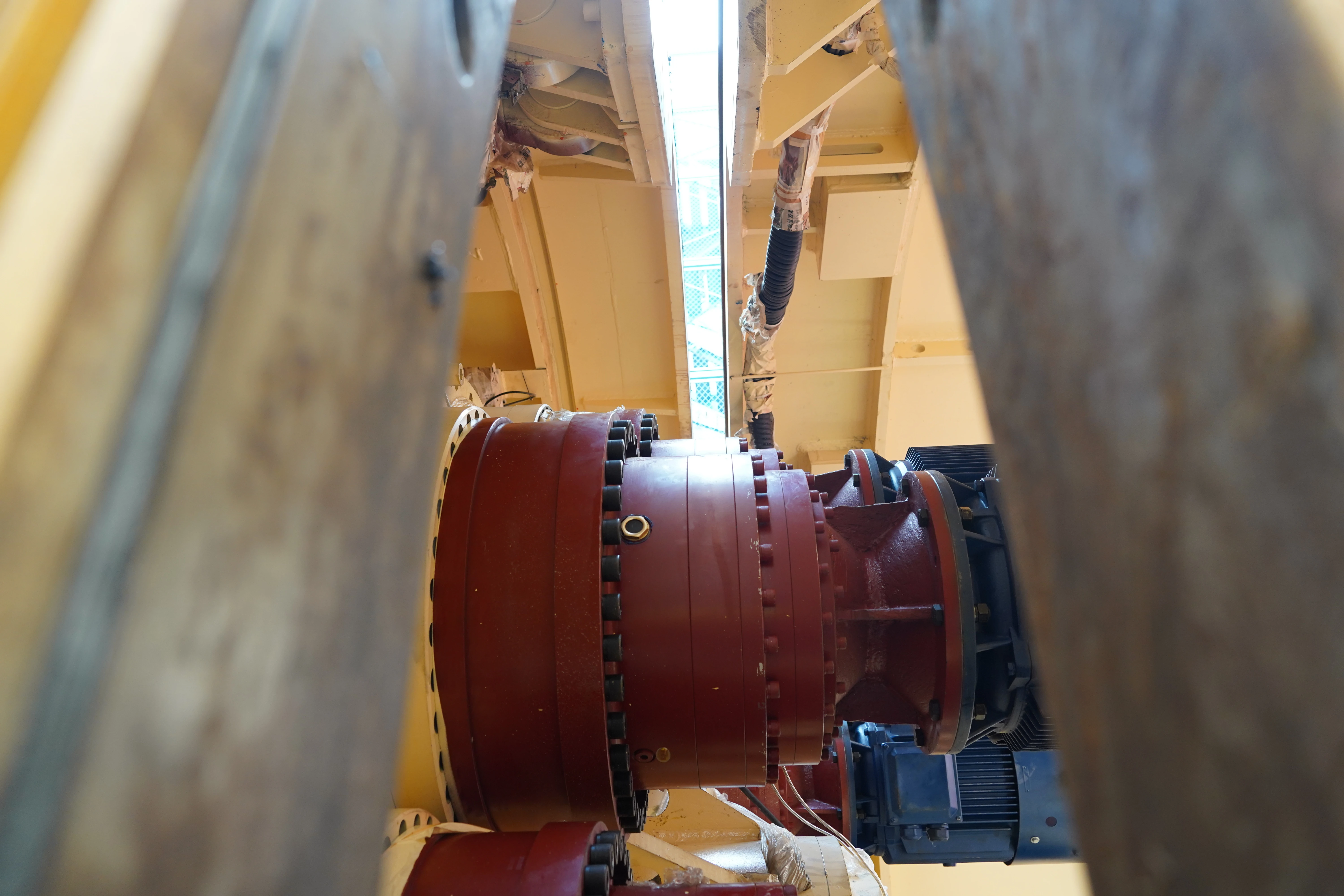
Relationship with advance rate consistency
You want your tunnel machine to move forward smoothly. Thrust balance helps TBM tunnel advance rates stay steady. It keeps the force pushing the machine even and under control. When thrust balance is managed well, you do not get sudden stops or slowdowns. This means your tunnel boring machine can keep digging without wasting time. You will see fewer delays, so your project stays on schedule.
A balanced thrust lets you plan your work better. You know how much ground your TBM tunnel boring machine will cover each day. This helps you organize your crews, materials, and equipment. You can also cut down on downtime because the machine has fewer problems. When thrust balance makes TBM tunnel advance rates predictable, you get more reliable results and safer work.
Risks of poor thrust balance
If you do not pay attention to thrust balance, you face many risks. Your tunnel machine can become unstable. The ground around the tunnel might shift or even fall in. You could see ground loss, which can hurt the tunnel and the machine. Poor thrust balance can cause safety problems for your crew.
You also waste energy and money. The machine works harder than it should. Parts wear out faster, and you need more repairs. You may have to stop work to fix things, which slows down your project. When thrust balance makes TBM tunnel advance rates predictable, you avoid these risks and keep your tunnel boring machine running well.
Monitoring and best practices
You need to watch thrust balance all the time. Modern tunnel boring machines use new technology to help you do this. You can see some of these tools in the table below:
|
Monitoring Technology |
Function |
|---|---|
|
Real-time data analytics |
Lets you make smart choices while digging. |
|
Integrated sensor networks |
Watches ground conditions, machine performance, and tunnel quality. |
|
Automated control systems |
Helps keep thrust balance and improve performance by making quick changes. |
You should follow best practices to keep thrust balance steady. Here are some important steps:
-
Track key things like face conditions, groundwater, and machine performance.
-
Write down geological changes often to spot patterns.
-
Use monitoring data with machine controls for automatic actions.
Operators must use proven methods when digging tunnels. You can see these best practices in the table below:
|
Description |
|
|---|---|
|
Excavation |
The TBM uses a spinning cutterhead to break up soil or rock and move it out of the tunnel. |
|
Pressure Control |
Keep pressure in the chamber to balance outside forces and keep the tunnel safe. |
|
Soil Conditioning |
Add agents to make soil stable and control chamber pressure. |
|
Segmental Lining |
Put in concrete segments right away to support the tunnel. |
|
Monitoring and Control |
Watch torque and pressure to keep tunneling safe. |
You must also change how you work based on what you see in the data. Engineers look at working steps from machine data and pick features from ground information. They use prediction models to make tunnel advance rates better. This helps you react fast to changes and keep your tunnel boring machine working well.
When you pick an underground boring machine, you should think about thrust balance. Look at the table below for important things to check:
|
Criteria |
Description |
|---|---|
|
Match Machine to Ground Conditions |
Make sure the machine fits the soil type to avoid damage and delays. |
|
Evaluate Power and Control Systems |
Check if pneumatic, hydraulic, or electric systems are best for your job. |
|
Assess Maintenance Requirements |
Pick machines that last long and are easy to fix. |
|
Review Warranty and After-Sales Support |
Choose suppliers with good warranties and fast help. |
CEGC helps you with technology and after-sales service. You get engineering training, on-site setup, and quick parts delivery. CEGC gives full training for operators, including technical skills, emergency response, fixing problems, safety rules, and simulator practice. This makes sure your team can handle thrust balance and keep your tunnel machine working its best.
Thrust balance makes TBM tunnel advance rates predictable. You can make steady progress, avoid risks, and keep your project on track by following best practices and using new monitoring tools.
You need thrust balance to keep your TBM tunnel boring machine working well and to finish your project on time.
When thrust-vectoring automatic shield tunneling technology is used, the difference between the planned and real thrust forces stays around 2.5%. The shield moves at almost the exact speed wanted, only changing by about –1 to +1 mm/min from the goal. This careful control of thrust helps you finish your project on time because there are fewer mistakes and the machine works better.
-
Watching data in real time and using good methods stops delays.
-
CEGC gives you expert help and many types of tunnel machines.
FAQ
What is the most widely used tunnel machine for utility work?
Most utility projects use auger boring machines or Microtunnelling Machines. These machines are good for small tunnels and short distances.
At what diameter should you switch from auger boring machine to Microtunnelling Machine?
|
Diameter Range |
Recommended Machine |
|---|---|
|
< 600 mm |
Auger Boring Machine |
|
600–1500 mm |
Microtunnelling Machine |
Can CEGC supply a tunnel boring machine for mining applications?
You can buy a tunnel boring machine from CEGC for mining jobs. CEGC has machines for many types of ground and different project needs.


