
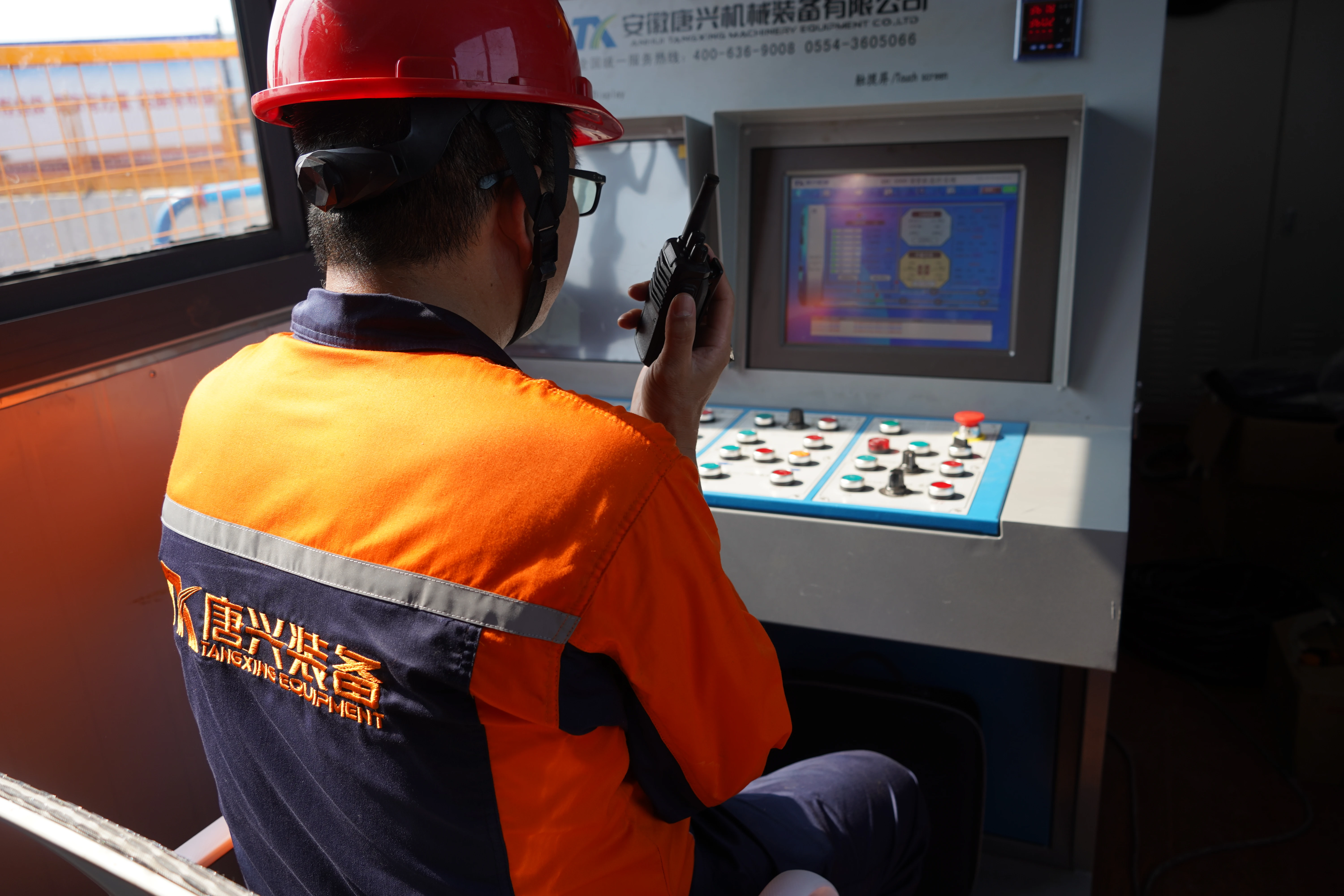
If micro tunneling thrust errors can bend the pipeline, you could face major issues on your project. Using the tunnel machine with precision is essential, especially in urban environments with strict settlement regulations. CEGC offers advanced TBM and microtunnelling machine solutions designed to prevent micro tunneling thrust errors that can bend the pipeline, helping you avoid costly setbacks and ensuring your pipeline remains straight and secure.
Key Takeaways
-
Watch the jacking forces carefully. If the forces are too strong or not even, the pipeline can bend. Checking often helps find problems early.
-
Use good equipment with a strong guidance system. This helps keep the pipeline straight and lowers the chance of thrust errors.
-
Always check the soil before you begin. Weak soil can make the pipeline go off track and make bending more likely.
How Micro Tunneling Thrust Errors Can Bend the Pipeline
What Are Thrust Errors?
You might ask what thrust errors mean in microtunneling. Thrust errors happen when the force pushing the pipe is not steady. This force is called jacking forces. Many things can cause these errors. For example, strong jacking forces can mess up the guidance system. When this happens, the tunnel path can change. Sometimes, dust or moisture makes the laser hard to see. This can make the readings wrong. The pipe can then move away from the planned path.
Mistakes can also happen at the start. If the surveyor sets the line wrong, the microtunnel boring machine can drift. Even small changes in air temperature or humidity can affect the laser system. These changes can cause thrust errors. When these problems happen, micro tunneling thrust errors can bend the pipeline. This can bring big risks to your project.
-
Common types of thrust errors include:
-
Guidance system disturbances from uneven jacking forces
-
Laser reference issues caused by air density or moisture
-
Incorrect alignment set at the jacking shaft
-
Temperature and humidity changes affecting laser accuracy
-
Physical Forces and Pipe Deformation
It is important to know how physical forces work in microtunneling. The microtunnel boring machine pushes the pipe through the ground. It uses jacking forces to do this. These forces must beat friction from the soil and resistance at the tunnel face. If the jacking forces get too high or uneven, the pipe can bend.
The pipe and soil act like a beam on a soft base. The pipe's stiffness, the soil's strength, and the space between the pipe and tunnel all matter. If the soil is weak or the pipe is not stiff, micro tunneling thrust errors can bend the pipeline. When the pipe bends, it can leak or break.
Tip: Always check soil conditions and pipe stiffness before you start with a microtunnel boring machine. This helps you avoid bending.
|
Variability Class |
Description |
|---|---|
|
Highly Variable |
Big changes in thrust |
|
Moderately Variable |
Noticeable but manageable changes |
|
Slightly Variable |
Small changes, mostly stable |
|
Normal |
Steady thrust values |
If you see big changes in jacking forces, stop and check your setup. Micro tunneling thrust errors can bend the pipeline fast if you ignore these signs.
Excessive Jacking Forces and Overcut
Using too much force to push the pipe can bend it. Excessive jacking forces happen when the microtunnel boring machine faces tough soil or the tunnel is not straight. Overcut means the tunnel is wider than the pipe. This leaves a gap called the overcut annulus. The pipe can move or bend in this gap.
|
Factor |
Impact on Pipeline Misalignment and Bending |
|---|---|
|
Overcut annulus |
Raises jacking forces, causing misalignment |
|
Volume of injected lubricant |
Changes jacking loads, can cause bending |
|
Work stoppages |
Can cause misalignment from uneven forces |
|
Geology |
Affects soil-pipe interaction and alignment |
|
Misalignment |
Comes from higher jacking forces |
Stopping work often or using too much lubricant can change jacking forces quickly. This makes it easier for micro tunneling thrust errors can bend the pipeline. Misalignment makes the pipe rub more against the soil. You need more force to keep moving. This extra force can bend the pipe more.
Always use a microtunnel boring machine with a good guidance system. CEGC has machines that help control jacking forces and keep the tunnel straight. If you manage these forces well, you lower the risk that micro tunneling thrust errors can bend the pipeline.
-
Key points to remember:
-
High jacking forces can make pipe joints resist bending, but too much force can still bend the pipe.
-
The pipe's material and stiffness are important. Strong pipes resist bending better.
-
Soil collapse or weak ground can raise friction, making you use more jacking forces.
-
Micro tunneling thrust errors can bend the pipeline if you do not control these things. Always watch your jacking forces and alignment to keep your project safe and on time.
Causes, Consequences, and Prevention
Common Causes of Thrust Errors
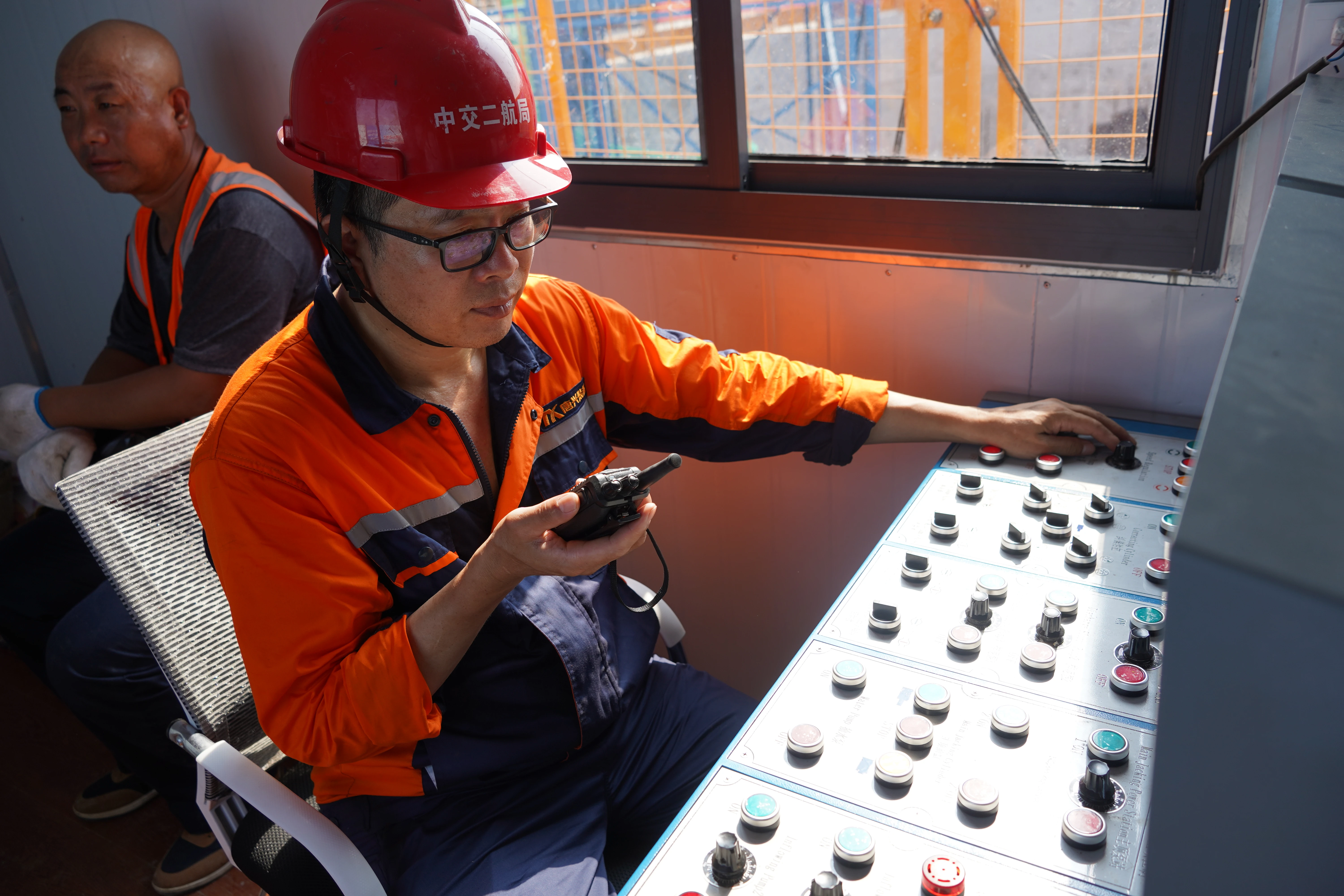
You face many problems when you do tunneling. Thrust errors can happen because of mistakes, weak equipment, or bad alignment. When you use pipe jacking equipment, you must be careful. If you miss something, the pipe-jacked line can bend.
-
Ground conditions can make the pipe go off track. Weak soil or crossing a seismic fault makes pipe jacking harder.
-
Equipment strength affects thrust accuracy. If your tunnel machine is not advanced, you may get more errors.
-
Not checking face pressure enough can cause thrust errors. You must check face pressure every time you do microtunneling.
|
Equipment Feature |
Impact on Alignment Issues |
|---|---|
|
Laser Guidance System |
Reduces alignment problems by 15% compared to manual techniques |
|
Advanced Technologies |
Enhances precision of operations, crucial for thrust accuracy |
You also need to watch for ground settlement changes. Pipe uplift and ground movement can cause thrust errors. If you do not use the right pipe jacking equipment, you can get misalignment and bending.
|
Ground Condition |
Impact on Pipeline Performance |
|---|---|
|
Can induce significant stress and deformation |
|
|
Weak Soil Zones |
May lead to inadequate support for pipelines |
|
Ground Settlement |
Causes misalignment and bending of pipelines |
|
Pipe Uplift |
Results in thrust errors and potential failure |
You must check your setup before each pipe installation. If you skip this, you raise the risk of thrust errors during tunneling.
Risks of Pipeline Bending
When thrust errors happen, there are many risks. Pipe-jacked lines can bend, crack, or break. You need to know these risks to keep your project safe.
|
Failure Type |
Description |
|---|---|
|
Common in metal pipes with diameters of 300mm or less; or unreinforced concrete/vitrified clay pipe with aspect ratio greater than two. |
|
|
Burst socket |
Occurs due to excessive joint rotation and/or shearing, applicable to all pipe sizes. |
|
Spiral failure |
Results from a combination of longitudinal flexural and transverse loading, typically found in pipes between 300 – 600mm diameter. |
Pipe jacking can cause bending strain. This strain can hurt the pipe’s strength. Bad bending strain can make the pipeline fail or break.
|
Evidence Summary |
Explanation |
|---|---|
|
Serious defects in bending strain can lead to pipeline failure and rupture. |
|
|
This stress can lead to cracks or leaks, increasing the likelihood of failure. |
|
|
Soil characteristics can exacerbate corrosion |
Changes in soil composition can increase corrosion rates, further raising failure probabilities. |
|
High pressure and external vibration affect pipelines |
These factors can lead to fatigue failure, impacting reliability and performance. |
|
Probabilistic fatigue life assessment |
This method quantifies failure probability, highlighting the risks associated with bending. |
You must look for leaks, cracks, and socket bursts. If you ignore these signs, you will have more repairs and higher costs. Pipe-jacked lines need careful checks during tunneling.
Detection and Prevention Strategies
You can stop thrust errors by using the right pipe jacking equipment and good practices. CEGC has advanced tunnel machines and microtunneling process solutions. These machines help you control alignment and face pressure when you install pipes.
-
Use a laser guidance system. This helps keep your pipe-jacked line straight.
-
Pick pipe jacking equipment with advanced technology. These features help you avoid thrust errors.
-
Watch face pressure during tunneling. If you see changes, stop and check your setup.
-
Check ground conditions before each pipe installation. Weak soil or seismic faults make things risky.
-
Plan for ground settlement and pipe uplift. These can cause misalignment and bending.
Tip: Always use CEGC’s guidance system and strong tunnel machine for your pipe jacking project. This helps you stay accurate and lower thrust errors.
You must train your team to follow the right steps. Regular checks and maintenance keep your pipe-jacked pipelines safe. If you use the microtunneling process with CEGC’s solutions, you lower the risk of leaks and damage.
|
Prevention Method |
Benefit |
|---|---|
|
Guidance System Integration |
Ensures line and grade accuracy |
|
High-Rigidity Machine Structure |
Reduces mechanical drift and bending |
|
Controlled Excavation Profile |
Limits overcut and supports pipe installation |
|
Modular Assembly Concept |
Speeds up setup and reduces downtime |
You must change your pipe jacking equipment for each project. CEGC can customize for your tunneling job. This helps you meet strict settlement rules and avoid bending when you install pipes.
Note: If you find thrust errors early, you can fix them before they cause big problems. Always check your tunneling work and pipe-jacked lines.
You protect your pipelines by using advanced pipe jacking equipment and these tips. You keep your pipe installation safe and strong.
You can stop the pipeline from bending if you control thrust errors. Watch your tunnel machine all the time. Fiber optic sensors help you find bending early. High-rigidity machines and good guidance systems from CEGC make things more accurate.
-
Use laser-guided systems and get feedback right away.
-
Change your plan when needed to keep the project safe.
|
Feature |
Benefit |
|---|---|
|
High-rigidity machine |
Stops shaking and helps keep the pipe straight |
|
Guidance system |
Follows the line and keeps the pipe in place |
FAQ
What is microtunneling and how does it help your project?
Microtunneling uses a tunnel machine to put pipes underground. This means there is less mess on the ground. You can finish your work faster. Your work area stays safer.
Why is monitoring important during microtunneling?
Monitoring helps you watch the pipe’s position and jacking forces. You can find mistakes early. You can fix problems before the pipeline bends. This keeps your project safe.
How can you prevent thrust errors in microtunneling?
You use real-time monitoring to check for problems. You look at the soil before you start. You follow the guidance system. You pick strong tunnel machines. This keeps your microtunneling project safe and correct.
Tip: You get better microtunneling results if you check the monitoring and guidance system often.
|
Microtunneling Step |
Monitoring Action |
|---|---|
|
Pipe installation |
Check alignment |
|
Soil excavation |
Track jacking force |
|
Guidance system |
Review readings |


