
Uneven thrust can crack rings in a TBM tunnel. When you use a tunnel boring machine, imbalanced forces push against the tunnel lining. This stress creates cracks and weakens the structure. As a B2B owner or contractor, you know CEGC helps you keep your tunnel projects safe and reliable.
Key Takeaways
-
If TBMs push unevenly, cracks can form in tunnel rings. Watch the pushing forces to stop damage to the structure.
-
If tunnel segments are not lined up right, stress goes up and cracks can happen. Make sure the parts are lined up when putting them together.
-
Use new monitoring systems to change the pushing force right away. This keeps things balanced and makes the tunnel safer.
Uneven thrust can crack rings in a TBM tunnel
What is uneven thrust in tunneling?
Uneven thrust can crack rings in a TBM tunnel when the tunnel boring machine pushes harder on one side. This happens if the jacks do not push with the same force. Jack eccentricity is a main reason for this. If the jacks are not lined up, they make uneven thrust. This uneven force causes eccentric torque. The machine moves and puts more pressure on some tunnel parts. This makes stress that can hurt the tunnel lining. Uneven thrust can crack rings in a TBM tunnel by making these stress spots. If you use a tunnel boring machine, you need to watch for these problems. They can make the tunnel weaker.
Causes of thrust imbalance in TBM machines
Uneven thrust can crack rings in a TBM tunnel for many reasons. Misalignment is a big cause. If the tunnel boring machine or its parts do not line up, you get uneven stress. This stress often shows at the bottom and top of the tunnel. It makes cracks more likely.
-
Misalignment of tunnel segments causes uneven stress.
-
More tensile stress happens at the bottom and crown.
-
This higher stress makes cracks and failure more likely.
Ground variability is also important. Different soil and rock strengths at the tunnel face change the load on the thrust system. The table below shows how ground variability changes the process:
|
Key Findings |
Description |
|---|---|
|
Ground Variability Impact |
Changes in rock-soil strength at the tunnel face make the load on the TBM thrust system go up and down. |
|
Optimization of Thrust System |
The study made a fast way to change hydraulic cylinders to spread the load better. |
|
Efficiency Improvement |
The new thrust system made cylinder changes faster and made tunneling safer and better. |
You also have technical problems when uneven thrust can crack rings in a TBM tunnel. These include ground settlement, face instability, and water coming in. Soil that is not fully wet can make the tunnel face unstable. Hard soil changes can make the tunnel fall or the ground sink. Support forces can change fast in sloped ground and hurt stability.
Modern solutions help you handle these risks. CEGC’s tunnel boring machine and microtunnelling machine use smart monitoring and control systems. These systems help keep thrust balanced, even when the ground changes. When you use the right tools, you lower the chance that uneven thrust can crack rings in a TBM tunnel.
Tunnel ring cracking: mechanisms and prevention
How uneven thrust damages tunnel rings
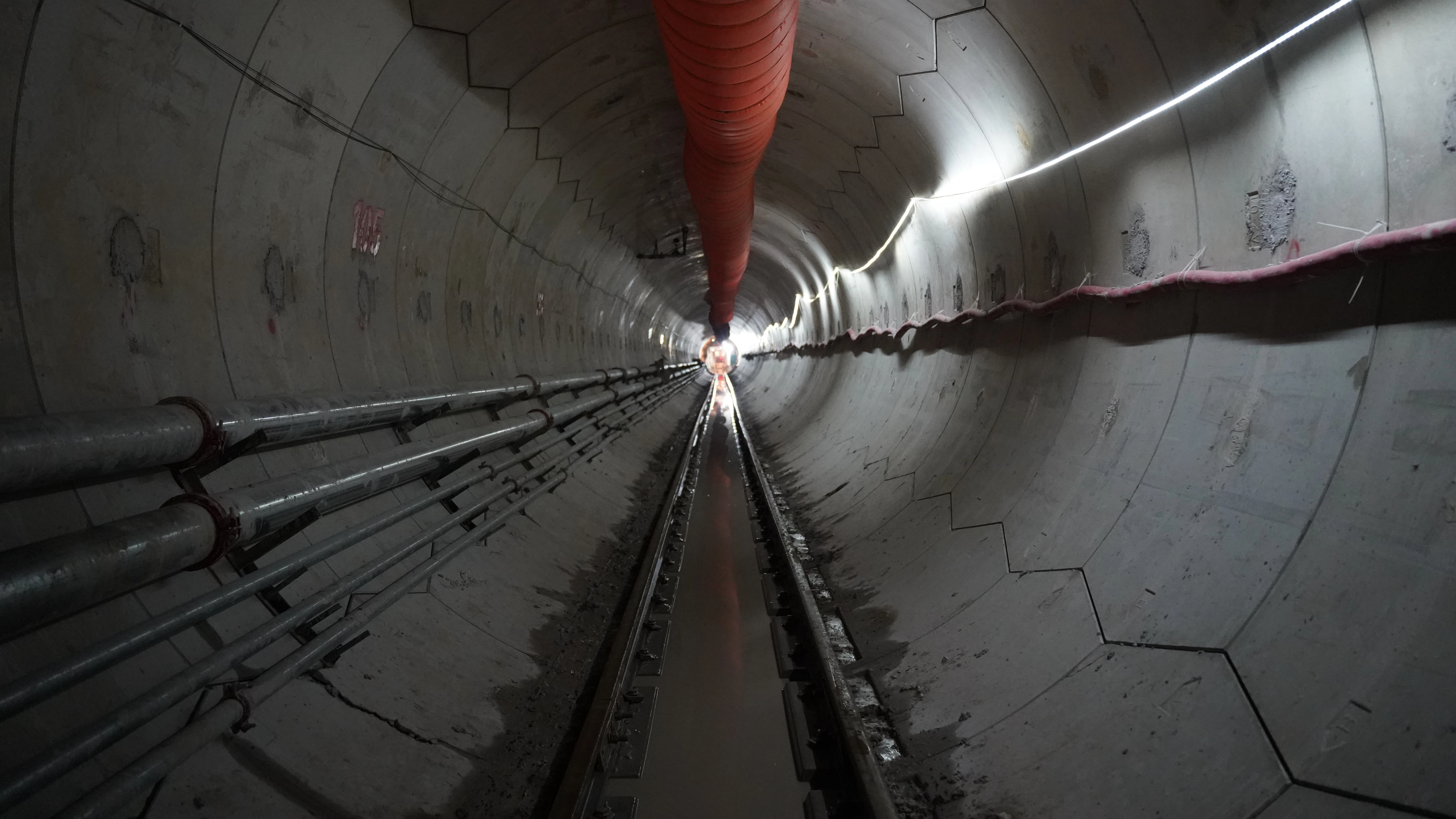
Tunneling with a tunnel boring machine is hard. Uneven thrust puts extra force on the tunnel lining. This force makes high circumferential stress and causes cracks. Cracks show up most where thrust is not balanced. If the shield and tunnel lining are not lined up, the risk goes up. When jacks push harder on one side, the tunnel ring gets more tensile stress. This stress can cause spalling and make the tunnel weaker.
Here is a table that shows the types of stress and spalling you may find in tunnel rings:
|
Type of Stress/Spalling |
Description |
|---|---|
|
Longitudinal cracks caused by spalling and hoop tensile stresses. |
You usually see two main crack patterns in tunnel rings with uneven thrust:
-
Longitudinal cracks and corner cracks are common in tunnel segments.
-
Longitudinal cracks form on the sides where the jacks push.
-
Misalignment during ring assembly and uneven jacking force make these cracks worse.
The tunnel ring material matters too. Glass fibre-reinforced concrete and steel-reinforced concrete are both used. Each type reacts to thrust and circumferential stress in its own way. The table below shows their properties:
|
Material Type |
Strength Grade |
Waterproofing Grade |
|---|---|---|
|
Glass fibre-reinforced concrete |
C40 |
P10 |
|
Steel-reinforced concrete |
C50 |
P10 |
When building tunnels, you must control thrust to stop damage. If you do not, the tunnel can bend, and circumferential stress can make more cracks.
Signs and risks of cracked rings
You can spot early signs of tunnel ring cracking if you know what to look for. The space between the segment lining and the shield is very important. If the shield touches the lining, it adds extra load. This load often cracks the front part of the segment. Most cracks happen when there is not enough space between the shield and the lining.
Here are some signs that show you may have a problem:
-
Unequal or unbalanced jacking forces during tunneling.
-
Misaligned or poorly fitted segments in the tunnel ring.
-
Excessive or uneven thrust pressure on the tunnel lining.
-
Not enough lubrication at the shield–lining interface.
-
Worn or damaged jacking shoes and pads that create point loads.
These problems often happen during jacking. If you do not fix them, they can make the tunnel weak and cause leaks later.
Cracks in tunnel linings lower the load-bearing strength. This makes tunnel failure more likely. The risk goes up as cracks get deeper. You may see more stress in one spot, which can make cracks spread. When cracks get deeper, the tunnel lining loses strength. Even small loads can make cracks grow if the tunnel is already weak.
Prevention and mitigation strategies
You can stop tunnel ring cracking by using good tunneling methods. Start with proper tunnel boring machine operation. Use new technology that changes thrust in real time. These systems use ground data to keep the tunnel straight. Automated guidance uses lasers and GPS to help steer the machine. This keeps the tunnel lined up and lowers misalignment.
You should also use better cutterhead designs and variable speed drives. These help you handle changing ground and keep thrust even. Real-time monitoring systems are important. They use sensors to check ground, machine, and tunnel quality. The table below shows how these systems help:
|
Aspect |
Description |
|---|---|
|
Real-time data analytics |
Helps you make good choices during digging. |
|
Integrated sensor networks |
Checks ground, machine, and tunnel quality all the time. |
|
Advanced visualization tools |
Shows data in easy ways so you can spot problems fast. |
|
Quality control systems |
Watches digging details and records things like speed, torque, and thrust. |
|
Automatic adjustments |
Modern TBMs can change how they work when ground changes to keep things running well. |
You should check the tunnel often. Use safe testing to find cracks early. Automated tools and math models help you check tunnel health. Watch crack width and concrete strength as part of your checks.
CEGC gives you custom solutions for tunnel jobs. You can get tunnel machine designs made for your needs. CEGC helps with trenchless engineering, pipe jacking, and microtunnelling. With CEGC, you can lower cracking risk and make tunnels safer.
Tip: Always watch thrust, circumferential stress, and alignment when building tunnels. This helps you find problems before they get worse.
You can see that uneven thrust leads to tunnel ring cracks.
-
Soft soil does not hold the tunnel well, so it can crack.
-
If the ground settles unevenly, concrete segments get too much stress.
-
Tunnel damage often happens when ground stress changes.
|
Monitoring Tool |
Benefit |
|---|---|
|
Watch thrust and pressure to keep things safe |
|
|
Real-time Feedback |
Change machine settings for better results |
|
Geological Navigation |
Help guide the machine through hard ground |
|
Stability Maintenance |
Make sure the tunnel stays strong |
Pick CEGC’s tunnel machines for expert help and special choices that stop cracks and keep your tunnel safe.
FAQ
What causes cracks in a tunnel segment lining?
You often see cracks when the tunnel boring machine pushes unevenly. This uneven force stresses the segment lining. The segment can then crack or break.
How do you prevent tunnel segment lining damage?
You should monitor the tunnel boring machine. Adjust the thrust to keep it even. This helps protect the segment lining and keeps each segment strong.
Why is segment lining important in a tunnel?
Segment lining supports the tunnel. It keeps the tunnel safe and stable. Each segment connects to another segment. This makes the tunnel strong.


