
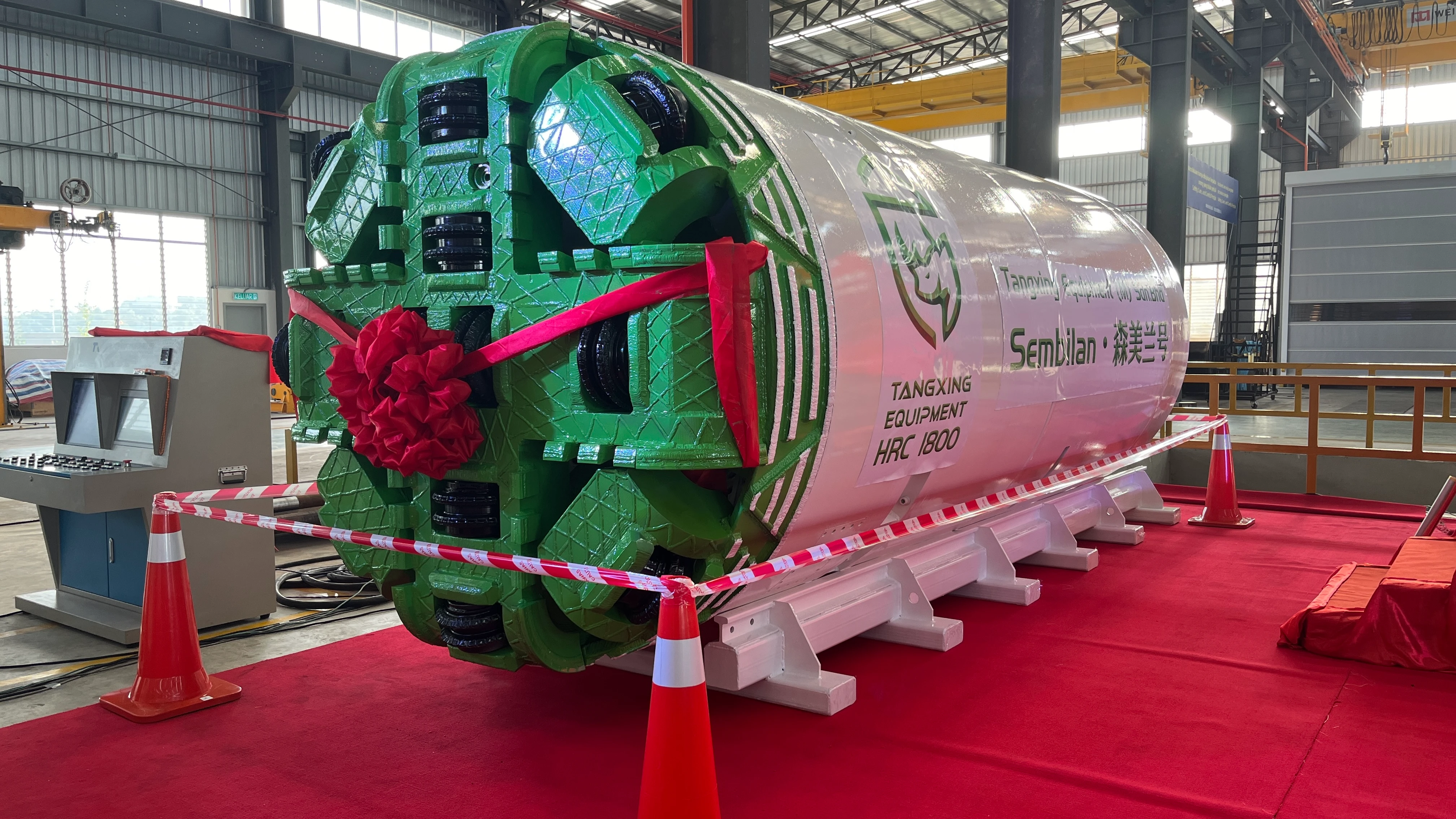
You use micro tunneling yaw checks that save you from reruns to keep your tunnel straight and stop expensive delays. Tunnel alignment is important. If the tunnel is not straight, you might need to do the tunnel again. Watching the tunnel and picking the right tunnel equipment keeps the tunnel correct. CEGC gives you tunnel help. Micro tunneling yaw checks that save you from reruns make you sure about your tunnel.
Micro tunneling yaw checks that save you from reruns help you stop doing the tunnel again and stop tunnel mistakes.
Key Takeaways
-
Micro tunneling yaw checks are very important. They help keep tunnels straight. They also stop expensive reruns from happening.
-
Use the Electronic Laser System to watch tunnel angles as you work. This lets you find mistakes early.
-
Teach your team how to do yaw checks often. Make sure they follow a monitoring plan. This stops delays and saves money.
Microtunneling and Yaw Checks
What Is Microtunneling?
Microtunneling lets you build a tunnel underground. You do not need to dig up the ground above. This method helps you make a tunnel with good accuracy. You use a machine called a microtunneling boring machine, or MTBM. The MTBM pushes a pipe through the soil. It moves forward and makes the tunnel as it goes. Microtunneling helps you avoid problems with things above the tunnel, like roads or rivers.
Microtunneling needs many parts to work together. Each part helps keep the tunnel straight and safe. The table below shows how these parts help with tunnel alignment:
|
Component |
Contribution to Project Alignment |
|---|---|
|
Steering characteristics of MTBMs |
Needed for keeping the tunnel straight during tunneling |
|
Geological medium type |
Changes how the tunnel steers and can cause alignment issues |
|
Length of front part of MTBM |
Makes steering easier and helps control alignment |
|
Soil stiffness (subgrade reaction modulus) |
Changes how the MTBM reacts to steering moves |
|
Operator experience |
Affects how well the tunnel stays straight |
You must watch each part during microtunneling. If you do this, your tunnel will stay on track.
Yaw Checks Explained
Yaw checks show if your tunnel turns left or right. In microtunneling, yaw checks help keep the tunnel straight. You measure the tunnel’s angle as the machine moves forward. One tool you use is the Electronic Laser System. This tool sits on the microtunneling machine and sends a laser to a target. It tells you if the tunnel is not going straight. The Electronic Laser System works in wet and hard places. You can trust yaw checks for any tunnel job.
Yaw checks help you stop mistakes before they happen. They keep your tunnel safe and straight. Your tunnel will be ready for the next step.
Why Yaw Checks Prevent Reruns
Alignment and Accuracy
You need to keep your tunnel straight. Yaw checks help you do this in microtunneling. When you use yaw checks, you measure the angle of your tunnel as the machine moves forward. If you see the tunnel turning left or right, you can fix it right away. This keeps your tunnel on the correct path.
Microtunneling gives you strong control over tunnel direction. You use special tools to check the tunnel’s alignment. The Electronic Laser System helps you see if your tunnel is going off course. You can trust this system to work in wet or tough places. When you watch the tunnel closely, you stop mistakes before they grow.
Tip: Always check the tunnel’s angle after each section. This helps you catch small changes early.
You want your tunnel to meet the design plan. If your tunnel is not straight, you might need to dig again. This costs more money and time. Yaw checks help you avoid these problems. You keep your tunnel safe and ready for the next step.
Common Causes of Reruns
You face many risks in microtunneling. If you do not check the tunnel’s yaw, you can make mistakes. These mistakes force you to redo parts of the tunnel. Here are some common causes of reruns:
-
You miss a yaw check and the tunnel turns too much.
-
The microtunneling machine hits hard soil and changes direction.
-
You use the wrong equipment for the tunnel job.
-
The tunnel operator does not watch the tunnel’s angle.
-
You ignore the Electronic Laser System’s warning.
When you know these risks, you can stop reruns. You must use yaw checks often. You must pick the right microtunneling tools. You must train your team to watch the tunnel’s direction.
|
Cause of Rerun |
How to Prevent It |
|---|---|
|
Missed yaw check |
Check tunnel angle every shift |
|
Hard soil changes direction |
Use strong microtunneling tools |
|
Wrong equipment |
Match tools to tunnel needs |
|
Operator error |
Train team for tunnel checks |
|
Ignored warnings |
Act on all tunnel alerts |
You save money and time when you stop reruns. You keep your tunnel safe and strong. Microtunneling works best when you use yaw checks and follow the plan.
Steps for Effective Yaw Checks
Planning and Setup
You need a good plan before you start microtunneling. You should choose the right microtunnel boring machines for your tunnel. CEGC offers equipment that you can adjust for your project. You must check the ground and know the soil type. This helps you pick the best tools for excavation. You should also set up a monitoring plan. This plan tells you when to check the tunnel’s yaw and what data to collect. You must think about excavation safety and how to keep workers safe during tunneling.
|
Description |
|
|---|---|
|
Acceleration |
Measured in m/s² across three axes |
|
Angular Velocity |
Measured in rad/s across three axes |
|
Sampling Rate |
Data recorded at 100 Hz |
|
Pre-processing Steps |
Low pass filter at 10 Hz, down-sample to 20 Hz, rotate vectors to navigation frame, subtract gravity vector from acceleration data |
Real-Time Monitoring
You must watch the tunnel as you build it. Use sensors and the Electronic Laser System to check the tunnel’s direction. You should collect data on acceleration and angular velocity. This helps you see if the tunnel turns left or right. You need to check the pressure at the cutting face. If the pressure changes, the tunnel might move off course. You can stop mistakes early with good monitoring.
Tip: Check your data often. This helps you find small problems before they become big reruns.
Correction and Adjustment
If you see the tunnel turning, you must act fast. Use the controls on your microtunnel boring machines to fix the tunnel’s path. You can change the direction and keep the tunnel straight. You should always follow your monitoring plan. Make changes as soon as you see a problem. This keeps your microtunneling project on track and saves you from doing the tunnel again. Good correction steps help you finish your trenchless construction technique with less risk and better results.
Best Practices and Pitfalls
Equipment Selection
You must pick the right tunneling equipment for your job. The equipment you use helps keep your tunnel straight. Good machines help you avoid mistakes and keep things safe. Before starting, check the ground and plan how you will dig. Some types of soil need special machines to work well. Match your tunneling equipment to the soil and tunnel size. CEGC has machines you can change for your project. Always look at your equipment before you start working. Check for broken parts or things that look worn out. If you inspect and add oil often, you stop things from breaking. You should also look for electrical problems. Make sure all wires are working and watch for power spikes. This helps your tunnel project keep moving without stopping.
Avoiding Human Error
You are important for keeping your tunnel on track. People can make mistakes that cause tunnel reruns. Train your team to follow the monitoring plan every time. Everyone should know when to check the tunnel’s yaw and how to read the numbers. Check the sensors often to keep the tunnel straight. If a sensor breaks, fix it right away. You also need to watch the hydraulic system closely. Take care of it to stop leaks and pressure drops while digging. Surveys and plans help you find problems early. Do regular checks based on how risky or hard your tunnel is. This helps you finish your microtunneling project without having to do it again.
Tip: Make a checklist for every shift. This helps you remember each step and keeps your tunnel safe.
|
Common Pitfall |
How to Avoid It |
|---|---|
|
Mechanical wear |
|
|
Electrical failures |
Check wiring and monitor power |
|
Sensor malfunctions |
Test sensors before each shift |
|
Hydraulic issues |
Maintain hydraulic parts regularly |
Consequences of Neglecting Yaw Checks
Project Delays and Costs
You face big risks when you skip yaw checks during tunnel construction. If you do not check the tunnel’s direction, the tunnel can drift off course. This mistake can force you to stop work and redo parts of the tunnel. You may need to remove pipes, fix the tunnel path, or even start the tunnel construction again. These actions cost a lot of money and time.
You also risk damaging equipment during excavation. When the tunnel moves in the wrong direction, machines can get stuck or break. You must pay for repairs and wait for new parts. Your team may need to work longer hours to fix the tunnel. This can make your project late and over budget.
Note: You can avoid most delays by checking the tunnel’s yaw often. Small checks save you from big problems.
Real-World Examples
You can learn from past tunnel projects. When teams did not use yaw checks, they faced serious trouble. In one case, workers did not notice the tunnel turning during excavation. The tunnel hit a hard layer of soil and the machine stalled. The team had to stop tunnel construction and pull out the equipment. This mistake cost weeks of work and a lot of money.
The failure to recognize stall conditions due to a lack of proper checks can lead to catastrophic outcomes, as illustrated in the discussions surrounding the AF447 accident. The PNF had called out the reconfiguration to alternate law when reading the ECAM, but the PF was not fully aware of this reconfiguration and its implications, leading to a misunderstanding of the aircraft's capabilities.
You see the same lesson in tunnel work. If you do not check the tunnel’s path, you can miss warning signs. You may not know when the tunnel is in danger. Careful yaw checks keep your tunnel safe and your project on track.
Technical Solutions for Alignment
Guidance and Control Systems
You need good guidance and control systems to keep your tunnel straight. These systems help you check the tunnel’s direction at every step. Before starting, you should set up your equipment and follow the maker’s instructions. Clean the target display and check all sensors for problems. Test the cameras and theodolite to make sure they are not tilted or broken. Do not start the tunnel boring machine until you finish all these checks.
Many guidance systems show you real-time data. You can see if the tunnel moves off course and fix it fast. Keep both digital and paper records of your tunnel’s path. Changes in humidity and temperature can affect the laser system. Use a tunnel ventilation system to keep the air clear and the laser working well. Advanced systems like AHRS track the tunnel’s yaw, pitch, and roll. These systems help you keep the tunnel straight, even if the ground moves or sensors pick up noise.
|
System Feature |
Benefit for Tunnel Alignment |
|---|---|
|
Real-time position checks |
Quick correction of tunnel path |
|
Multi-axis stability |
Keeps tunnel straight in all directions |
|
Laser guidance |
Accurate tunnel tracking during excavation |
Tip: Always check your tunnel’s guidance system before and during digging to stop mistakes.
Customization and Support
You can pick equipment that fits your tunnel project. CEGC has machines for different tunnel sizes and ground types. You get help with trenchless tunnel work, pipe jacking, and other ways to build tunnels. CEGC helps you finish your tunnel, even in hard ground or tricky jobs. You can ask for special features or changes to fit your tunnel’s needs.
|
Customization Options |
Description |
|---|---|
|
CEGC builds machines for your tunnel’s size and soil type. |
|
|
Trenchless Engineering Support |
CEGC helps you solve problems during tunnel excavation. |
You get better results when you use the right tools and support for your tunnel. This keeps your tunnel safe, straight, and ready for the next step.
You make your tunnel better by checking yaw as you dig. You need to plan your work and watch the tunnel often. If you see a problem, you fix it right away. Smart sensors help you find issues early. Real-time guidance helps you keep the machine in the right spot. CEGC gives you tools for safe digging and teaches operators how to use them. These steps help you avoid delays and stop you from doing the tunnel again.
|
Monitoring Technology |
Benefit for Excavation |
|---|---|
|
Smart sensors |
Early issue detection |
|
Real-time guidance |
Accurate positioning |
FAQ
What is a yaw check in microtunneling?
You use a yaw check to see if your tunnel turns left or right. This helps you keep your tunnel straight and safe.
How often should you perform yaw checks?
You should check the tunnel’s yaw after every shift. This helps you catch small changes before they become big problems.
What happens if you skip yaw checks?
You risk tunnel mistakes and costly reruns. Skipping yaw checks can lead to delays, extra work, and broken equipment.


