
In a crowded city, utilizing a tunnel boring machine (TBM) can present challenges. Poor yaw control can raise settlement risk in a TBM tunnel. If the machine veers off course, digs excessively, or exerts uneven pressure on the ground, it can jeopardize the safety of the buildings above. CEGC is here to ensure that your tunnel machine remains on track and operates safely for every project.
Key Takeaways
-
Keep good yaw control to make sure your tunnel boring machine stays on the right path. This stops the soil from moving too much and lowers the chance of settlement problems.
-
Use smart guidance systems to get real-time updates about where your TBM is. This helps you fix mistakes fast and keeps tunneling safe.
-
Check for soil changes often and use tools like ground penetrating radar to find problems early. Doing this can stop expensive damage and slowdowns before they happen.
Poor yaw control can raise settlement risk in a TBM tunnel
Yaw Control and Tunnel Alignment
It is important to keep your tunnel boring machine on the right path. Yaw control helps you steer the machine so it follows the planned tunnel route. If you lose yaw control, your TBM can move away from the design line. This can make the tunnel curve or shift. These changes can cause problems underground and above ground.
Good yaw control helps you avoid tunnel settlement. When you use advanced guidance systems, you get real-time feedback about your TBM’s position. These systems use sensors and servo inclinometers to watch the machine’s movement. You can make quick changes to keep the tunnel on track. This lowers the risk of soil disturbance and keeps the tunnel safe.
CEGC’s guidance, steering, and line/grade assurance systems help you keep the tunnel straight. These solutions help you meet strict rules for city projects. You can trust your tunnel machine to work well and fit your project’s needs.
Mechanisms of Ground Disturbance
Poor yaw control can raise settlement risk in a TBM tunnel by causing different types of soil disturbance. When your TBM moves off course, it can dig too much or too little. This changes the pressure on the ground and makes gaps or weak spots. These changes lead to ground movements and raise the chance of tunnel settlement.
Let’s look at the main ways poor yaw control connects to settlement:
|
Mechanism |
Description |
|---|---|
|
Ground Loss |
Loss of ground material from yaw, which affects stability and leads to settlement. |
|
Construction Loads |
Loads from building the tunnel, changed by yaw, that add to ground settlement. |
|
Yaw-related Parameters |
Things like yaw angle and pitch angle that affect how we figure out ground settlement. |
You can see how each way links back to soil disturbance. Ground loss happens when the TBM takes out too much soil or leaves gaps. Construction loads change as the machine moves, putting more stress on the ground. Yaw-related parameters, like the yaw angle, make it harder to predict and control settlement.
If you work in a city, you know even small soil disturbance can cause claims, stoppages, or damage to utilities. Poor yaw control can raise settlement risk in a TBM tunnel, especially in soft or wet ground. You need to handle these risks with the right technology.
CEGC’s tunnel machine solutions give you tools to control soil disturbance. The guidance system helps you stay on track. The closed-mode face support design keeps the ground steady. You can change these systems for your project, making sure you meet all safety and performance rules.
Tip: Always check your TBM’s yaw and alignment. Finding drift early can stop big settlement problems and keep your project on time.
Poor yaw control can raise settlement risk in a TBM tunnel. You can lower soil disturbance and tunnel settlement by using advanced guidance and support systems. Trust CEGC to help you tunnel safely and reliably.
Settlement Risks and Consequences
Post-construction Settlement
Tunnel settlement does not always stop when the tunnel boring machine is done. The ground can keep moving for months or years after construction. This happens because the soil gets disturbed and does not hold together well. If the tunnel machine moves off its path, the soil can settle unevenly. This causes the ground and tunnel to move for a long time.
You might see these problems in city projects:
-
Sinkholes can form above the tunnel.
-
Building foundations might crack.
-
The tunnel could collapse if the ground is weak.
-
Utility lines can move or break.
-
Even small ground movement can stop work or cause claims.
You have to watch the ground closely. Teams use sensors to check for movement and changes in water pressure. You can also slow down the machine and control earth pressure to help the soil stay steady. CEGC’s face pressure control and ground protection systems help keep the ground safe and limit tunnel settlement after building is finished.
Impact on Surface Structures and Tunnel Integrity
Tunnel settlement can hurt more than just the tunnel. It can damage roads, buildings, and pipes above the tunnel. The table below shows how settlement affects different parts of your project:
|
Impact Description |
Findings |
|---|---|
|
Ground Settlement Uniformity |
Tunnel settlement is almost the same along the tunnel, so tunnel length does not matter much. |
|
Proximity Effects |
Settlement is worse near the tunnel and gets better farther away. |
|
Liner Thickness Impact |
Thin liners increase tunnel settlement. Strong liners help reduce it. |
|
Superstructure Influence |
Buildings and other structures change how soil settles and how the tunnel liner bends. |
|
Groundwater Table Variations |
Changes in groundwater can cause soil to move or even heave, especially in wet seasons. |
You need to plan for these risks. Soil disturbance from poor yaw control can make these problems worse. CEGC’s closed-mode face support and ground protection systems help you control soil movement and keep your tunnel and city safe.
Tip: Always use a tunnel machine with advanced control systems to lower post-construction settlement and protect your project.
Minimizing Settlement with Proper Yaw Control
Best Practices for TBM Operation
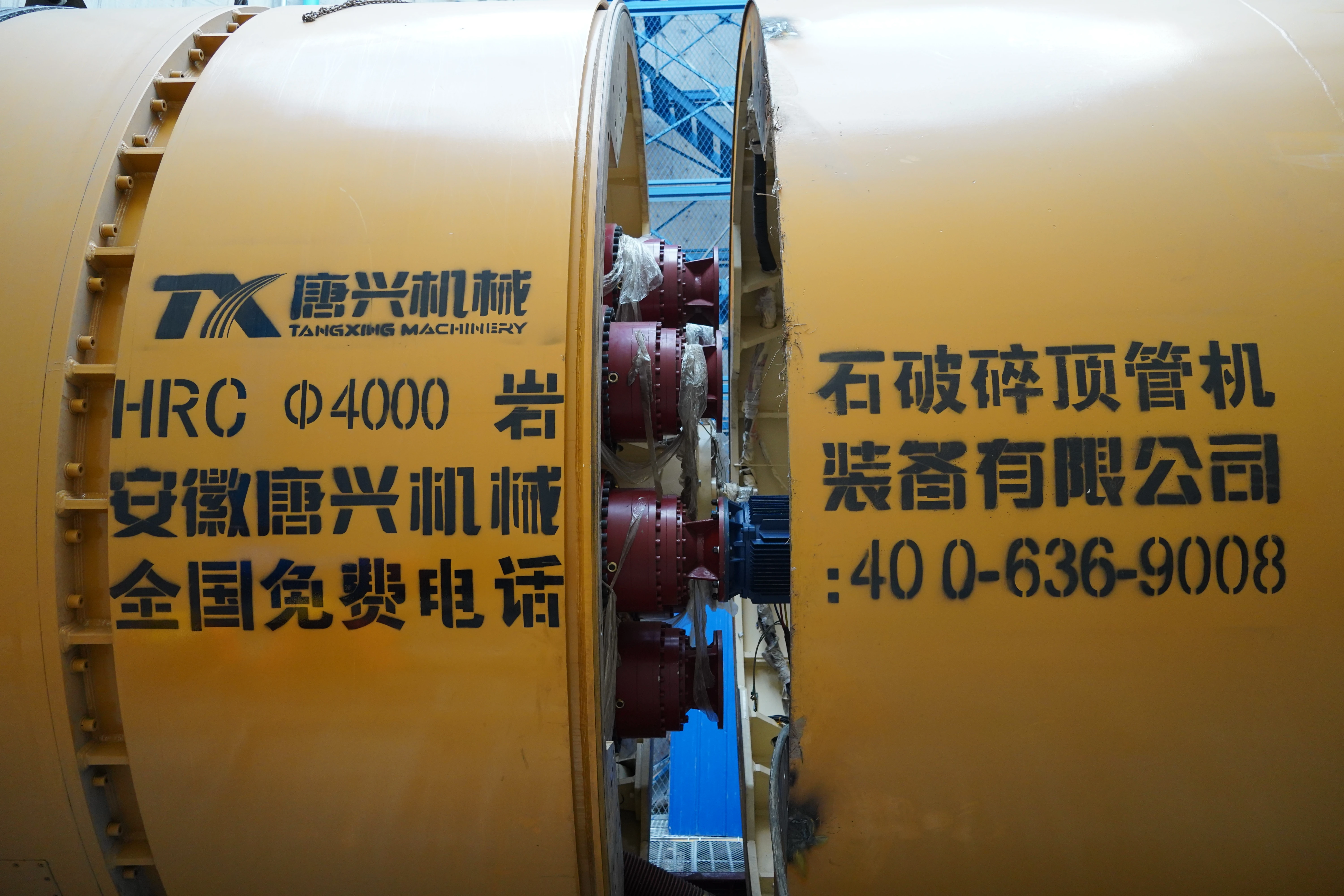
You can lower settlement by using good steps when running a tunnel boring machine. First, check the soil for changes at each step. Use ground penetrating radar to find cracks or empty spaces before they get worse. Remote sensing and LiDAR make 3D pictures of the tunnel, so you can see problems as they happen. Fiber optic sensors show changes in strain and temperature. These tools help you find ground movement early.
You should also use curved shield construction. This helps keep the tunnel on the right path, even in soft soil. Always look at the advance rate and cutterhead torque. These numbers tell you how well the tunnel machine works and if you need to fix soil problems. Watch for ground sinking above the tunnel. If you see changes, act fast to keep buildings and pipes safe.
CEGC Solutions for Settlement Control
CEGC gives you smart systems to control settlement and soil movement. The closed-mode face support keeps pressure even when digging in soft soil. The guidance system helps you with curved shield construction and stops tunneling problems. You can pick from many choices for your project:
|
Description |
|
|---|---|
|
Advanced Modeling Software |
Uses live data to change work and make things safer. |
|
Real-Time Data Analytics |
Helps you guess how things will go and make fast choices. |
|
Robotic Simulations |
Lets you test your tunnel machine in different ground types. |
|
Cutterhead and Tooling Configurations |
Matches the ground to stop settlement and soil problems. |
|
Safety Features |
Lowers risks during curved shield construction. |
|
Soil Conditioning Solutions |
Controls ground movement and settlement. |
You can count on CEGC to help with every part of your tunnel job. These systems keep your tunnel safe and lower the chance of ground movement.
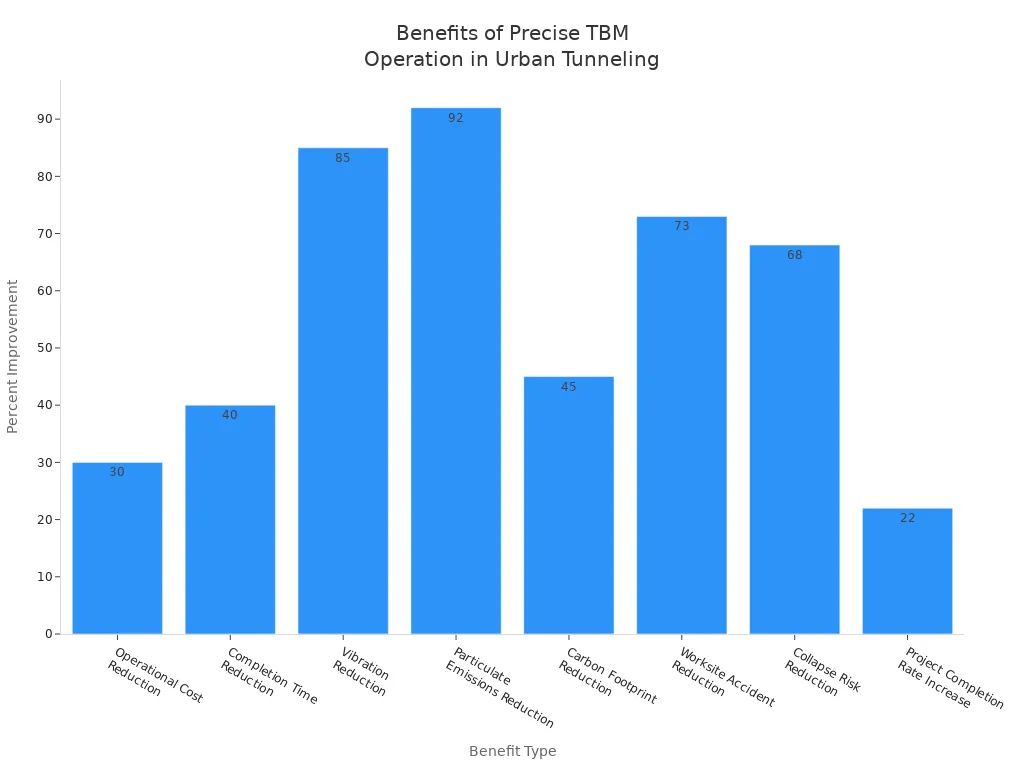
You can make settlement risk lower in TBM tunnels by steering the machine well and stopping soil from moving too much. Advanced guidance systems help you keep the tunnel machine going the right way and stop soil problems.
-
AI-powered TBM systems make the project safer and faster.
-
Watching the tunnel in real time helps prevent accidents.
Pick CEGC if you want your tunnel to stay straight and safe from settlement in your next city project.
FAQ
What is yaw control in a tunnel boring machine?
Yaw control helps you keep your tunnel machine moving straight. You use it to guide the TBM along the planned tunnel path.
How does poor yaw control cause ground settlement?
Poor yaw control makes your TBM dig unevenly. This can disturb the soil and cause the ground above the tunnel to sink.
How can CEGC help you reduce settlement risk?
CEGC gives you advanced guidance systems and face support. These tools help you keep your tunnel machine on track and protect the ground.


