
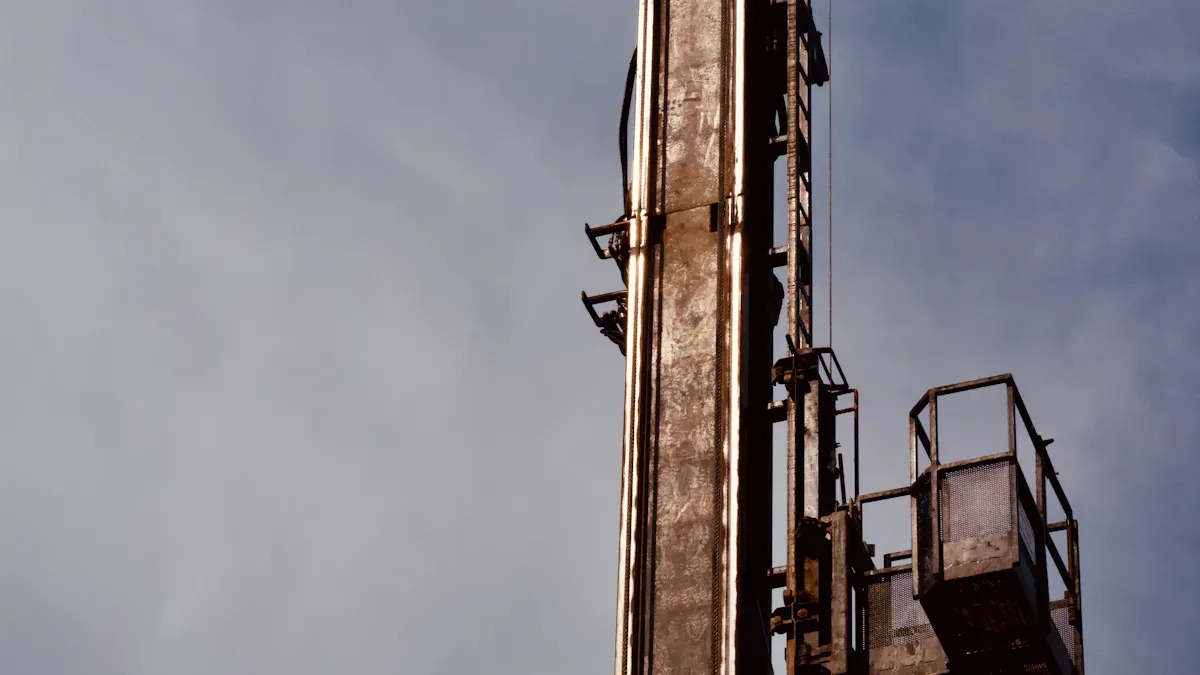
Mining Drills 1500m Deep Handles Mega Depth is a big success for CEGC and the mining industry.
-
A diamond drill hole can now go deeper than 1,500 meters. This is almost as tall as three CN Towers stacked up.
-
Skilled workers use new technology to work at these deep levels.
|
Aspect |
Description |
|---|---|
|
Adoption Rate |
Many mining sites now use digital technology. |
|
Impact on Safety |
AI helps lower safety risks and does hard jobs by itself. |
Modern technology helps make mining faster and safer at these deep spots.
Key Takeaways
-
Today’s mining drills can go down 1,500 meters. This helps companies get resources that are hard to reach. They can do this in a safe and fast way.
-
Automation and AI help keep workers safe. These tools do dangerous jobs instead of people. They also watch over the mine all the time.
-
New tools, like directional drilling and smart sensors, help get more resources. They also help protect the environment.
How Mining Drills 1500m Deep Handles Mega Depth
Overcoming Deep Mining Challenges
Mining drills 1500m deep handles mega depth work in tough places. Machines and people face big tests. Equipment must work under strong pressure and in harsh environments. Cold temperatures and rough sediments cause machines to break often. When a machine stops working, workers pull it up for repairs. This takes time and costs more money.
Mining machines deal with strong pressure and harsh, rough places. Rough sediments, strong pressure, and cold make machines break often. Each time a machine breaks, it must be lifted up for fixing.
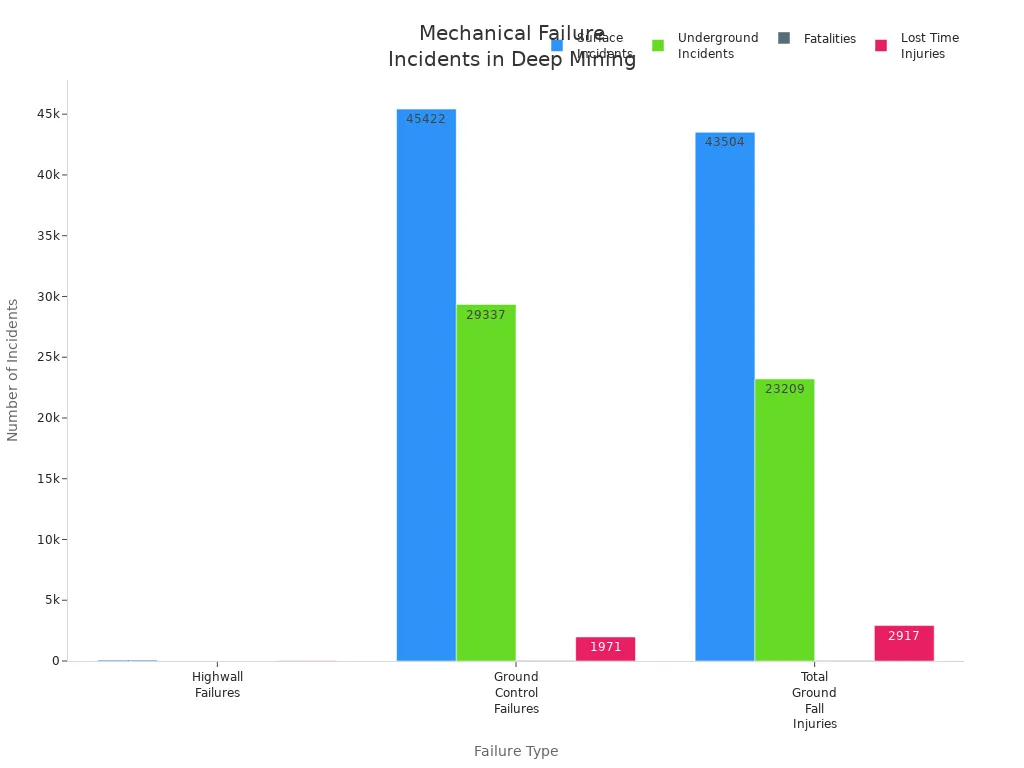
Mechanical failures are a big problem in deep mining. The most common problems are highwall failures, ground control failures, and ground fall injuries. These issues happen in both surface and underground mining.
|
Failure Type |
Surface Incidents |
Underground Incidents |
Fatalities |
Lost Time Injuries |
|---|---|---|---|---|
|
Highwall Failures |
76 |
0 |
9 |
20 |
|
Ground Control Failures |
45,422 |
29,337 |
36 |
1,971 |
|
Total Ground Fall Injuries |
43,504 |
23,209 |
39 |
2,917 |
Mining companies have trouble moving equipment to deep sites. The submersible mid-base concept helps with this. Workers set up a station partway down. They fix and maintain machines there instead of bringing them up. This saves time and makes work faster. Ore moves in two steps. First, automated vehicles take it to the mid-base. This uses less energy and keeps ore moving even if the surface changes.
Engineering and Technology Solutions
Engineers made new systems and materials to help mining drills 1500m deep handles mega depth work well. The BaraHib Plus system was built for hot and high-pressure places. It keeps fluid steady and stops it from getting thick. It also protects shale. The system works at 110°C and 500 psi. Fluid loss is between 10.8 ml and 12.2 ml in 30 minutes. The tracking kit with BaraHib Plus helps companies save money. It cuts extra stock and uses materials better.
Mining drills 1500m deep handles mega depth use new technology:
|
Evidence Description |
|---|
|
Modern drills can go as deep as 12 kilometers, helping find resources. |
|
Directional and horizontal drilling cause less harm to the environment. |
|
Precision drilling lets miners target spots and protect habitats. |
|
Automated rigs keep people away from dangerous places, making mining safer. |
|
Advanced sensors give real-time soil data, helping decisions. |
|
Automation and AI change drilling settings quickly, making work better. |
|
Continuous monitoring with sensors is now common in drilling. |
New materials and designs make mining drills last longer. Each part helps mining drills 1500m deep handles mega depth work well:
|
Component |
Contribution to Durability |
|---|---|
|
Drill Bit |
Made to resist wear in hard rock. |
|
Drill Rod |
Keeps energy loss low when sending power. |
|
Shank Adapter |
Takes in impact and torque, making it last longer. |
|
Power Source |
Gives strong power in tough rock. |
|
Holds the drill steady for good work. |
Engineers use new ideas to stop machines from breaking and save energy:
-
Thermal drilling uses plasma and lasers to cut rock with less wear.
-
Strong drill bit materials like PDC and CBN make drills last longer and reduce downtime.
Mining drills 1500m deep handles mega depth changed how companies explore. They reach places that were hard to get before. These new tools help companies get resources safely and quickly, while keeping the environment safe.
Evolution of Deep Mining Drill Technology
From Manual to Automated Drilling
Mining has changed a lot over the years. Long ago, miners used hand tools and simple machines. Now, new drilling technology helps mining move forward. The change from manual to automated drills had many steps:
-
In 1844, engineers made the first percussive drill. It used compressed air to break rocks.
-
Rotary drilling got better. This let miners make bigger holes and dig deeper. Hole sizes grew from about 1.25 inches to over 4 inches.
-
Today, automated drills work by themselves. They use auto-positioning and record drilling data on their own.
Modern mine drilling rigs use new tech to work better. Operators can upload drill plans from a remote room. Rigs follow these plans and change pressure and rotation for hard rocks. The table below shows how rigs got more efficient:
|
Parameter |
Traditional Rig |
Smart DTH Rig |
|---|---|---|
|
Penetration Adjustment |
Manual |
Automatic |
|
Bit Life Monitoring |
Visual inspection |
Sensor-based prediction |
|
Maintenance |
Scheduled |
Predictive |
|
Fuel Efficiency |
Fixed consumption |
Load-optimized |
Directional Drilling and Precision Targeting
Directional drilling is a big step in mining. Modern rigs use rotary steerable systems. These help turn the drill and control where it goes in 3D. High-precision tools let workers watch and change the drill’s spot in real time. Advanced data systems give live updates. This makes holes better and saves time.
Operators use strong AC magnetic signals to track drills deep underground. XRange mode helps send signals farther, even with lots of noise. Tools like DeviDrill guide the drill and collect samples at the same time.
Directional drilling helps save resources and protects nature. The table below shows the main benefits:
|
Benefit |
Description |
|---|---|
|
Extended Reach |
Gets to more places from one shaft |
|
Minimized Surface Disturbance |
Less harm to the environment |
|
Optimized Resource Recovery |
Finds the best spots and wastes less |
|
Reduced Operational Costs |
Cuts costs and setup time |
New technology keeps changing deep mining. Better drills help miners dig deeper and get resources faster.
Innovations in Deep Mining Drills
Automation and Self-Driving Rigs
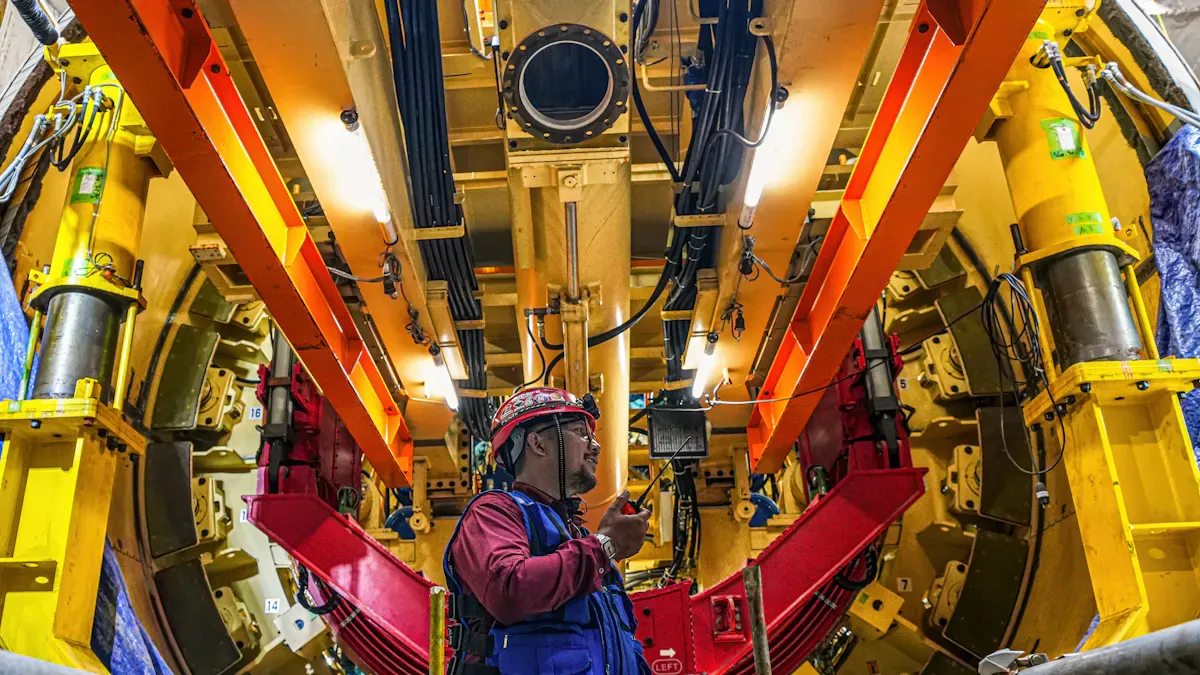
Mining companies use self-driving rigs to make work safer and faster. These rigs move right to the drilling spot by themselves. They can change where they drill if the ground changes. Machines add drill rods and switch bits without workers helping. They collect data as they drill and help build 3D maps of the ground. The table below lists the main features of these rigs:
|
Description |
|
|---|---|
|
Autonomous Navigation |
Rigs go to set spots and drill at the right angle. |
|
Real-time Data Collection |
Collects drilling data for making underground models. |
|
AI Integration |
Uses smart programs to drill better. |
|
Advanced Sensor Systems |
LIDAR and cameras help with mapping and safety. |
|
Navigation Challenges |
Uses IMUs and magnets when RF signals do not work. |
Self-driving rigs also save money. For example, moving ore gets up to 30% faster, and machines last longer. Automatic rod handling stops delays and keeps rigs working.
AI, Sensors, and Data Analytics
AI and sensors are important in mining today. Sensors watch machine health and warn before something breaks. Digital twins let engineers test ideas in a computer mine. AI models guess problems and help keep people safe. Watching in real time warns workers about gas or ground dangers. These tools make mining with machines safer and better.
GPS-Guided and Remote Operations
GPS-guided drilling helps hit the right spot and saves money. Remote systems let workers run rigs from safe places. Collecting data all the time helps workers do more and plan better. Satellites and smart computers help find new minerals. These new tools let miners reach places they could not before.
Safety, Efficiency, and Sustainability
Worker Safety and Risk Reduction
Modern mining drills at 1500 meters deep help keep workers safe. Automated systems and robotic rigs do many dangerous jobs underground. These machines keep people away from danger and lower accidents. Sensors watch equipment and the environment all the time. This helps teams act fast if something changes.
-
Automated rigs mean fewer people work in unsafe spots.
-
Sensors check how machines and underground areas are doing.
-
AI and IoT help stop mistakes by taking away human error.
-
Autonomous vehicles like dozers and haul trucks work without drivers.
A study by Edwards et al. showed drill operators hear noise above 85 dBA. This can hurt their quality of life. Automation can keep miners away from loud noise. Drill rigs can work in more dangerous places without people getting hurt.
These changes make mining safer and help work go faster. Companies now care about both working well and keeping workers safe.
Fuel Optimization and Environmental Impact
Mining companies use new ways to save energy and help the planet. Predictive maintenance and watching how drivers act help save fuel. Many sites now use battery-electric vehicles instead of diesel. These steps cut costs and make mining better for the earth.
Sustainable drilling technology helps protect nature. Deep mining drills do not disturb as much topsoil or plants as surface mining. This keeps the land safe and helps with long-term goals.
Energy saving and caring for nature are now important in mining. Companies use smart mining to get resources and protect the environment.
Real-World Applications and Case Studies
Expanding Deep-Earth Mineral Exploration
Mining companies use advanced machines to dig deeper than before. These machines help get resources from places that were hard to reach. Operators use shaft boring machines, raise boring rigs, and tunnel boring machines to make deep shafts and tunnels. These tools let miners explore and take minerals from tough rock and deep layers.
-
Shaft Boring Machines drill straight shafts up to 2,000 meters.
-
Raise Boring Rigs make shafts for air and production.
-
Tunnel Boring Machines build tunnels for moving things in mines.
-
Boxhole Boring Machines and Shaft Drilling Jumbos help with special drilling jobs.
New technology has changed how miners explore deep underground. The table below shows how each tool helps with getting resources and keeping people safe.
|
Technology Type |
Key Benefits |
|---|---|
|
Automated and Robotic Drilling |
Makes mining safer and keeps machines working longer. |
|
AI and Machine Learning |
Helps plan drilling and lowers risks. |
|
Eco-conscious Engines |
Uses less energy and helps the environment. |
|
Real-Time Data Monitoring |
Cuts down on delays and makes mining faster. |
Success Stories in Mega Depth Drilling
Some projects show how mega depth drilling works well. The Tubular Bells project used a floating system and finished on time with good safety. The Grundopit Rig drilled in tough spots and did better than planned.
|
Project Name |
Technology Involved |
Key Successes |
|---|---|---|
|
Tubular Bells |
Floating Production System |
Finished on budget, strong safety, first of its kind. |
|
Grundopit Rig |
Advanced Drilling Rig |
Drilled in hard places, did better than expected. |
Mega depth drilling helps get more important minerals for the world. Mines like Laronde in Canada go over 3,000 meters deep to find gold, copper, and zinc. Deep-sea mining looks for rare earths used in electric motors and drones. Ultradeep drilling finds hidden minerals, so miners can get resources even when surface deposits run out.
Future Trends in Mining Drills 1500m Deep Handles Mega Depth
Digital Drilling and Big Data
Mining companies use digital drilling and big data to work better. AI guesses when machines might break and helps make mining easier. Digital twins build computer mines so teams can test ideas without stopping real work. Automation and robots do jobs that are dangerous for people. Advanced sensors use IoT devices to check risks and keep workers safe.
|
Trend |
Description |
|---|---|
|
AI |
Guesses problems, makes mining easier, and saves money. |
|
Digital Twins |
Makes computer mines for planning and checking risks. |
|
Automation & Robotics |
Needs fewer workers and keeps people safe. |
|
Advanced Sensing Tech |
Gives safety data right away to workers. |
Next-Gen Automation and Smart Mining
New automation is changing smart mining at deep levels. Autonomous drills use live rock data and machine learning to drill better. Predictive maintenance checks vibration and heat to stop breakdowns and help machines last longer. Digital twins help plan underground work before mining starts. Driverless haul trucks work by themselves and can make mining faster by up to 20%. AI safety tools watch data to find dangers and protect workers.
-
The US brings in half its copper, and needs will double by 2035.
-
Not enough workers and supply problems make companies use automation more.
-
Mining companies have trouble with old machines and making data the same.
Better safety, efficiency, and accuracy are coming. Digital changes help the environment. AI and robots keep people out of risky places and help machines work longer. Real-time checks watch machines and the environment so teams can act fast. Water recycling and careful drilling save water and cut waste and pollution. Directional drilling lets miners reach deeper and get minerals more exactly.
|
Advancement Type |
Description |
|---|---|
|
Digital Transformation |
Makes mining better and helps the planet. |
|
Makes mining safer and keeps machines working longer. |
|
|
Real-time Monitoring |
Watches machines and the environment for quick action. |
|
Water Recycling and Precision Drilling |
Saves water and cuts waste, lowering pollution. |
Mining drills at 1500 meters deep use automation and smart data tools. They also use modular designs. These new ideas help companies work safer and faster. Some important future trends are:
-
Autonomous rigs need fewer people to watch them
-
Sustainable systems make less pollution
-
Customizable rigs can change for new jobs
|
Trend |
Benefit |
|---|---|
|
Automation |
Mining is safer and faster |
|
Sustainability |
Hurts the environment less |
|
Modular Designs |
Projects can change quickly |
FAQ
What helps mine drilling rigs go 1500 meters deep?
Mine drilling rigs use smart engineering and strong materials. These rigs work in high pressure and hard rock. Operators use sensors and live data to keep mining safe.
How does automation make mining safer and better?
Automation in mine drilling rigs lowers risks for workers. Machines watch drilling and mining conditions. AI changes settings to get better results and save money.
Why do companies pick deep drilling for finding minerals?
Deep drilling helps mining companies find new resources. Mine drilling rigs reach deeper layers. This lets companies explore more and meet the world’s need for metals.
Tip: Mine drilling rigs with digital controls help teams watch drilling and keep everyone safe.
|
Benefit |
Description |
|---|---|
|
Safety |
Fewer workers in dangerous areas |
|
Efficiency |
Faster drilling and mining |
|
Resource Access |
Deeper mineral exploration |


