
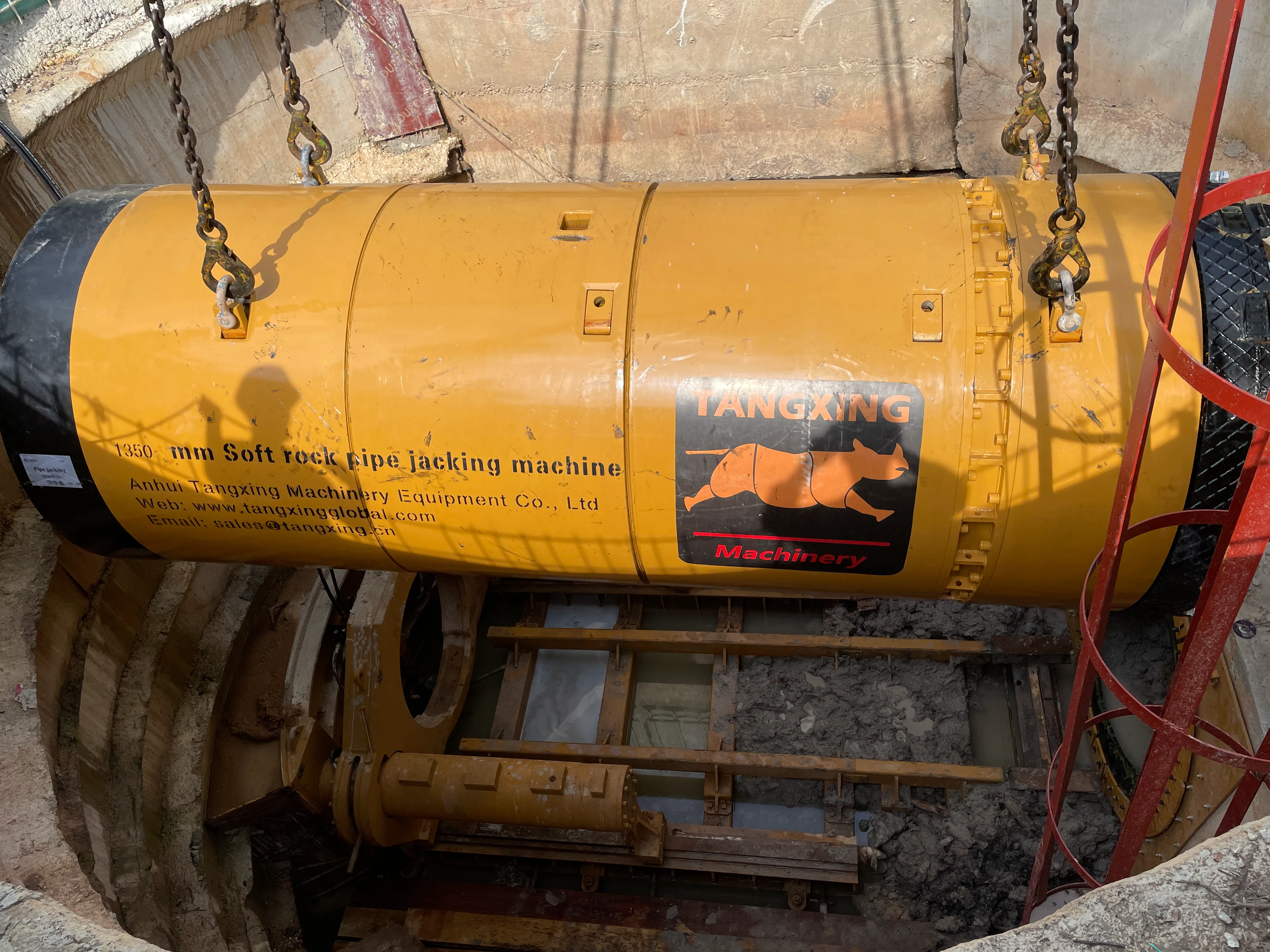
When using a tunnel boring machine (TBM) in mixed ground, you face a significant challenge. The TBM machine can stall quickly if the system is not tuned promptly.
-
In fact, the machine's efficiency can drop by 40% after just 1.5 hours of operation in mixed ground.
-
To ensure safety, project managers routinely assess the ground and water conditions.
CEGC provides valuable insights into why mixed ground can stall a TBM machine without fast tuning, helping you navigate these challenges effectively.
Key Takeaways
-
Mixed ground can stop a tunnel boring machine (TBM) fast if you do not tune it quickly. You must act fast to change machine settings so you do not get delays.
-
Use real-time monitoring and quick tuning to find problems early. This helps the TBM work well and lowers repair costs.
-
Train your operators well. Skilled teams can act fast when ground changes, so the TBM works better.
Mixed Ground Can Stall a TBM Machine Without Fast Tuning
Mixed Ground Conditions
During tunnel construction, you will often find mixed ground. Mixed ground means there are different soils and rocks together. You might see clay, sand, gravel, and hard rock at the same spot. These changes make it harder to use a tunnel boring machine. You have to change your plan fast to keep the machine working.
Many projects around the world face these problems. For example:
-
Edmonton South LRT extension in Canada
-
San Vicente pipeline tunnel project in America
-
New metro line in Singapore
-
Chengdu metro line 1 in China
Mixed ground can stall a TBM machine without fast tuning. The machine has to deal with sudden changes in pressure, hardness, and water flow. You need to know about the ground’s geotechnical properties. These are things like grain size, hydraulic conductivity, plasticity, soil strength, and rock quality. Each one changes how the tunnel boring machine works. If you do not change the machine settings, it might stall or break.
Mixed-face conditions can also cause cutter wear, jamming, ground settlement, and poor machine work. These problems can make the project cost more and take longer. You need to use risk mitigation strategies to fix these problems.
How Stalling Happens
Mixed ground can stall a TBM machine without fast tuning. The machine faces many mechanical and operational problems. The cutterhead breaks the ground but can wear out fast on hard rock or rough soil. If you do not check and fix the cutterhead, it might stop working.
Here is a table that shows common mechanical failures in mixed ground:
|
Mechanical Failure Type |
Description |
|---|---|
|
Cutterhead Wear and Damage |
Severe wear on cutters and grill bars due to abrasive ground conditions. |
|
Screw Conveyor Crack |
Cracks after long use in tough conditions. |
|
Insufficient Maintenance |
Lack of maintenance leads to major damage to TBM parts. |
You also need to watch muck removal. If the spoil removal system gets blocked, the machine cannot move forward. Blockages make it harder to push the tunnel boring machine. This can overload the drive unit and make the machine stall. When the soil puts too much pressure on the muck, it gets thick and hard to remove.
The tunnel face can change fast. You need to change the machine’s speed, torque, and pressure right away. If you do not, mixed ground can stall a TBM machine without fast tuning. The machine might slow down or stop.
Signs and Consequences
You need to look for warning signs during tunnel construction. Some signs are:
-
The tunnel boring machine slows down or stops.
-
You see more cutter wear than normal.
-
The spoil removal system gets blocked.
-
The machine needs more force to move.
-
You notice ground settlement above the tunnel.
Mixed ground can stall a TBM machine without fast tuning. This can cause big problems. If the machine stalls under a building, you may have to dig a huge hole to reach it. This can slow down the project and cost more money. In one case, a tunnel boring machine got stuck in bad soil and the tunnel collapsed. The team had to open a five-story-wide hole to get the machine out.
Cutter wear is higher in mixed ground than in one type of ground. You need to plan for more maintenance. In dry ground, you can finish cutterhead maintenance in less than four shifts. In wet ground, it can take over 18 shifts. This shows why you must watch geotechnical conditions and act fast.
You need to use fast tuning and real-time monitoring to keep the tunnel boring machine moving. If you do not, mixed ground can stall a TBM machine without fast tuning. This can cause delays, extra costs, and safety risks.
Prevention Strategies for Tunnel Boring Machine Stalling
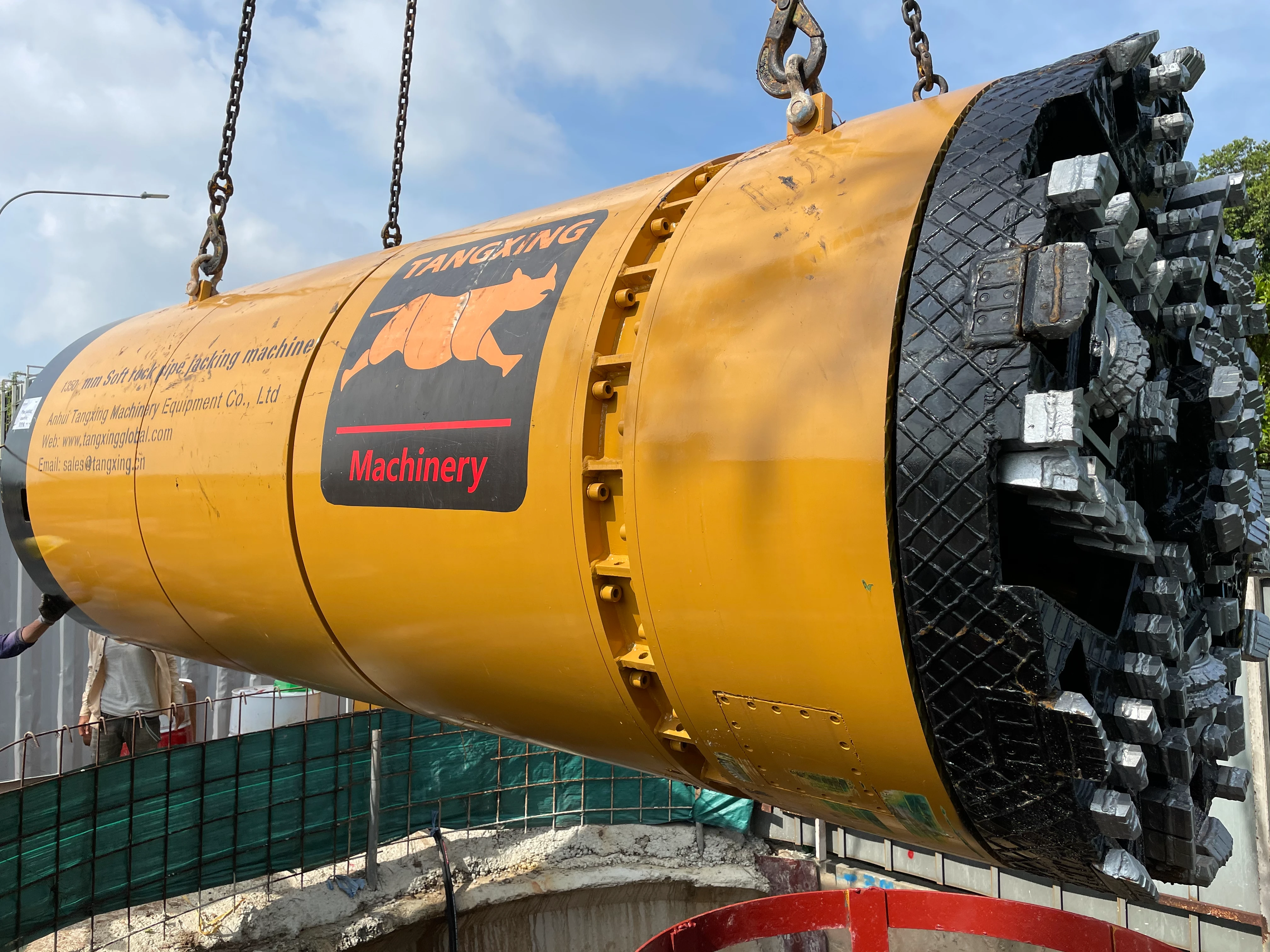
Fast Tuning and Real-Time Monitoring
You need to use fast tuning and real-time monitoring to keep your tunnel boring machine moving in mixed ground. These tools help you find problems before they stop the machine. You can use sensors and smart systems to check the machine’s health all the time. This way, you can trust the machine more and make quick choices.
Here is a table that shows some of the best technologies for real-time monitoring:
|
Technology |
Description |
|---|---|
|
IoT Sensors |
Monitor hundreds of TBM parameters in real time. |
|
Digital Twin Models |
Show a live digital copy of your TBM, helping you control and adjust fast. |
|
Advanced Data Analysis |
Use deep learning to predict and optimize TBM performance. |
Digital twin models and deep learning can help you trust your machine more. These tools show how your TBM will act in different ground types. You can also use online multi-objective optimization to get better results than old ways. This helps your TBM work well and not stop for repairs.
You should always plan for preventive maintenance. If you check your TBM often, you can fix small problems before they get worse. This makes the machine easier to fix and keeps it working longer. Reliability analysis helps you know when to do maintenance and what parts to check first.
Adaptive TBM Design and Equipment
You need a TBM that can change when the ground changes. Mixed ground can go from soft soil to hard rock very quickly. You can use special machines like Mixed Shield TBMs or Variable Density TBMs. These machines can switch how they work to match the ground.
Here is a table that shows some adaptive TBM features:
|
Feature |
Description |
|---|---|
|
Mixed Shield TBM |
Switches between earth pressure balance and slurry shield modes for different ground types. |
|
Adjusts face pressure in real time, working well in both rock and soft, wet soils. |
EPB TBMs can keep the tunnel face safe. These machines balance earth and water pressure so the ground does not sink. The cutterhead can go faster or slower to match the soil or rock. You can also change the screw conveyor and add soil conditioners to keep the muck moving.
-
Multi-mode TBMs let you pick different ways to dig. You can use slurry support or earth pressure balance when you need to. This helps you work in tough ground without stopping the machine.
-
You can use grouting to make the ground stronger. Pre-excavation ground treatment puts stabilizers in front of the TBM. Segment backfilling fills spaces between tunnel rings. Void filling fixes holes or lost ground. These steps help you trust your machine more and keep your tunnel safe.
You should always use reliability analysis to pick the best TBM and features. This helps you choose the right machine for your project. You can also make the machine easier to fix and keep working by picking equipment that is easy to repair and upgrade.
CEGC gives custom TBM solutions with backup systems. These systems give you power, air, water, and storage right behind the TBM. The backup plant also helps move muck and handle supplies. This setup makes the machine easier to fix and keeps it working, and helps you trust your whole operation.
Case Example
On a metro project in Singapore, engineers used a Variable Density TBM to cross mixed ground under a river. They changed how the machine worked as the ground went from clay to gravel. Real-time monitoring and reliability analysis helped them stop the machine from stalling. The project finished on time, and the tunnel stayed safe.
Operator Training and Rapid Response
You need skilled operators to keep your TBM moving in mixed ground. Good training helps your team see problems early and act fast. You should teach your crew how to use probe drilling and pre-grouting. Hands-on practice and classroom lessons work best together.
-
A trained team uses reliability analysis to check machine health and ground conditions.
-
They know how to use preventive maintenance to stop problems before they start.
-
They can switch TBM modes quickly when the ground changes.
-
They follow rapid response rules, like checking face pressure and watching for ground water.
You should set clear rules for changing machine settings. For example, you can figure out the right face pressure for every few tunnel rings. You should collect data from boreholes and piezometers to learn about the ground. You can let shield operators change pressure, but only in safe limits.
Your team should check how much muck is removed after each ring. This helps you not dig too much and keeps the tunnel safe. You can use reliability analysis to watch how the machine works and see patterns. This makes the machine easier to fix and keeps it working longer.
Scenario
Imagine your TBM hits soft soil with high water pressure. Your operator sees the pressure drop on the real-time dashboard. They follow the rapid response plan. They change the face pressure and slow the cutterhead. The backup system gives extra grout to fill any gaps. You stop a stall and keep the project going.
Tip: You should always use preventive maintenance, reliability analysis, and operator training together. This gives you the best chance to keep your TBM moving in mixed ground. You will make the machine easier to fix and keep working, and finish your tunnel safely.
You can keep your TBM machine moving in mixed ground by acting fast and using smart plans. Real-time monitoring helps you see problems early. Operator training teaches your team to fix issues quickly. Changing equipment gives you many good things:
|
Benefit |
Description |
|---|---|
|
AI models help you plan and find problems sooner. |
|
|
Real-time Optimization |
Sensors let you change settings fast and lower risks. |
|
Safety Improvements |
Automated systems keep workers safe. |
|
Cost Savings |
Smart maintenance saves money. |
|
Sustainability |
Efficient machines use less energy. |
CEGC gives special tunnel machine solutions. Their engineers help you work in hard ground and finish projects faster with great accuracy.
FAQ
How many workers do you need to operate a TBM machine?
You need about 10 to 15 workers for each shift. These workers include operators, mechanics, electricians, and safety staff.
What happens if your TBM machine breaks down underground?
You must stop the machine. Your team will enter the TBM, find the problem, and repair it. Good planning helps you fix issues quickly.
Can your TBM machine dig curved tunnels?
|
Feature |
Yes/No |
|---|---|
|
Curved Tunnels |
✅ |
You can steer the TBM machine to follow curves. This helps you build tunnels under cities and rivers.


