
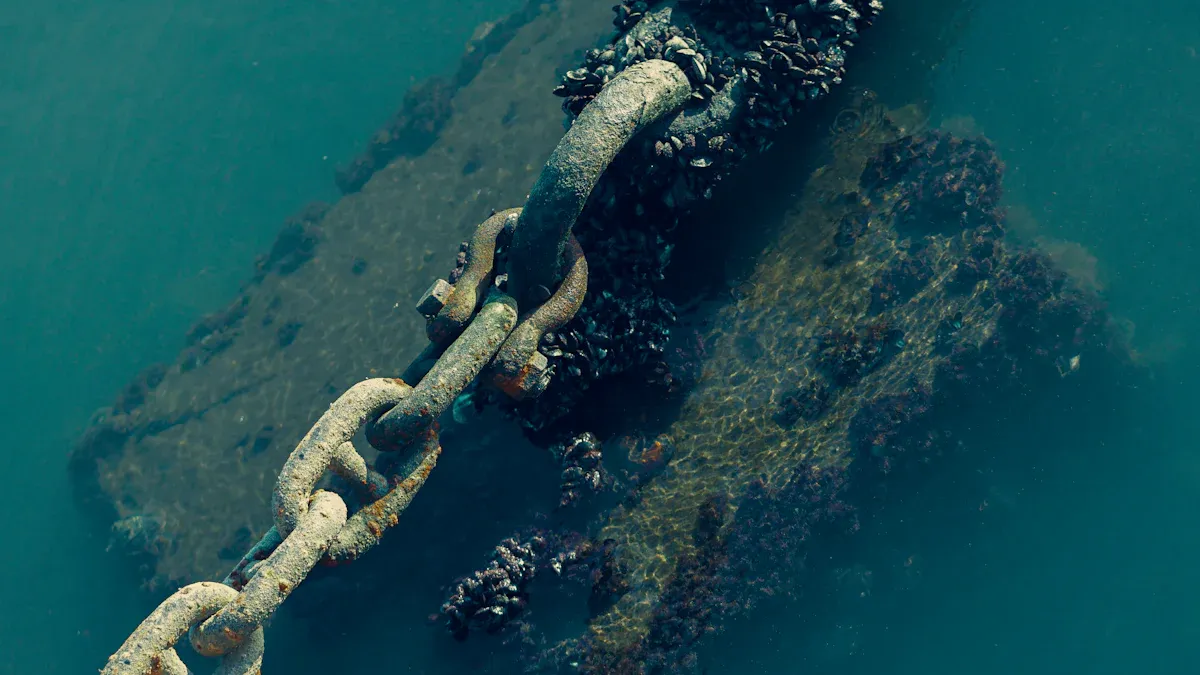
Keeping oil rigs in place is very important for safe offshore drilling. A robust anchor system, such as the Oil Drilling Rig Anchor System Prevents Drift, is crucial to stop the rig from moving, thereby protecting the environment. In 2026, the primary methods for achieving this stability include catenary, taut-leg, and dynamic positioning systems. These systems are continually improving and are designed to operate effectively in diverse ocean environments. CEGC plays a vital role in ensuring the steadiness of offshore operations, where anchors are of paramount importance.
Key Takeaways
-
Oil rigs use different systems to stay still. These include catenary, taut-leg, and dynamic positioning. This stops them from moving during drilling.
-
Rig movement can cause big problems. It can hurt the environment. It can cost a lot of money. It can also make drilling unsafe.
-
New technologies are making anchor systems better. They use smart anchors. They use hybrid systems. This makes drilling safer. It makes it more exact in the future.
Understanding Rig Drift in Offshore Drilling
Rig drift happens when an offshore drilling rig moves. It moves from where it should be. This movement is not controlled. It causes big problems for work. It can hurt the riser. The riser connects the rig to the well. It also puts the well at risk. These problems are dangerous for workers. They are also dangerous for equipment.
Consequences of Uncontrolled Rig Movement
Bad rig drift can cause big environmental and money problems. The well structure can get hurt. Parts under the sea can also get hurt. This can let oil leak out. Oil spills are a big worry. They hurt sea animals. They also hurt beaches. Loud drilling noises can bother sea animals. Air pollution from the rig also makes the air bad. Also, building and operations of rigs can ruin places like coral reefs. For money, bad movement means expensive redoing of work. It also means fines. It causes costs to fix things. It also makes work take longer.
Rig Types and Station-Keeping: Moored vs. Jack-Up
Different kinds of rigs stay in place in different ways. This is during offshore drilling. Some rigs float. They use ropes or special engines. These keep them steady over the well. Other rigs are called jack-up rigs. They work differently. These mobile drilling platforms have legs. The legs go down to the seabed. Then they lift the rig body out of the water. This is called jack up operations.
During pre-drilling jack up operations, the rig is placed carefully. A jacking system then lifts the rig. This makes a steady place for drilling. These jack up operations are very important. They make work safe and good. Once the rig is up, it stays still. This stops any drift. The steadiness from jack up operations is key for exact drilling. When moving, new jack up operations at the new site are done. This makes sure the rig is safe before drilling. These mobile drilling platforms are often used in shallow water. Their jacking up operations make them very steady. This is different from floating rigs. Good jack up operations mean a safe project. Many oil production platforms also use legs that stay fixed. Doing jacking up operations well is very important.
Primary Anchor Systems for Offshore Stability
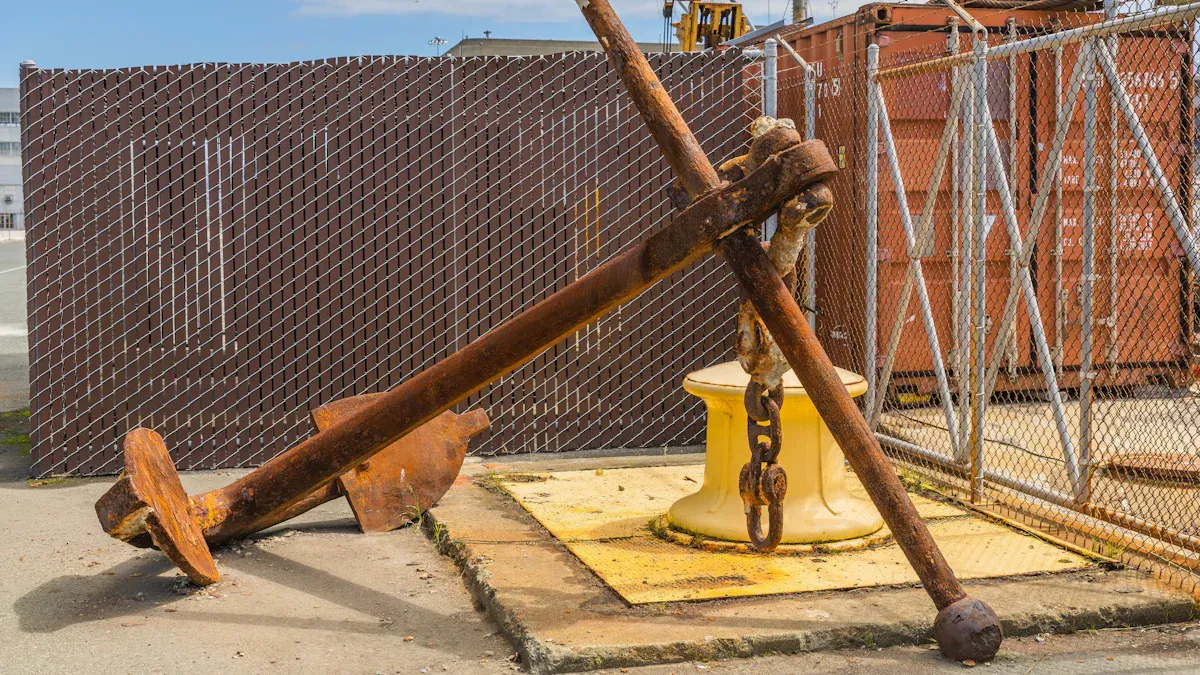
Keeping an offshore drilling rig steady is very important. Different systems help rigs stay in place. These systems stop movement. They make operations safe and good.
Catenary Mooring Systems: Proven Anchors
Catenary mooring systems hold rigs. They are common for semi-submersible rigs. These systems have eight, ten, or twelve points. They use strong chains or cables. These lines connect to anchors on the seabed.
The mooring lines hang in a curve. This curve is called a catenary. Part of the line rests on the seabed. The line's weight pulls the rig back. This happens if the rig moves. This system works well in shallow water. It costs less to set up. It is good in water up to 100 meters deep. The system uses its own weight to stay steady. The anchors only handle side-to-side forces. This makes it a good choice for many offshore drilling operations. But, it needs a big area on the seabed. It does not work as well in very deep water. Bad weather can also make it less effective.
Taut-Leg Mooring Systems: Deepwater Efficiency
Taut-leg mooring systems are different. They are good for deepwater operations. These systems use lines that are almost straight up and down. They are pulled very tight. This tightness makes them stiff. It also creates a strong pulling force. The lines pull straight down to the anchor. This is not like systems that lay chain on the seabed.
Taut-leg systems use special anchors. These are often Vertical Load Anchors (VLAs). VLAs can handle forces from all directions. This is key because the line goes down at an angle. These systems use shorter mooring lines. They also take up less space on the seabed. This saves material. They also pull less on the platform. This can make the platform hold more. Synthetic ropes are often used. They last longer than wire rope in seawater. They also make the platform move less. This means the rig stays in a smaller area. This oil drilling rig anchor system prevents drift better in deep water.
Dynamic Positioning Systems: Precision for Oil Drilling Rig Anchor System Prevents Drift
Dynamic Positioning (DP) systems are very modern. They keep a vessel in place. They do this without physical anchors. This oil drilling rig anchor system prevents drift very accurately. It uses computer-controlled thrusters. These thrusters push the rig to keep it steady.
A DP system has many key parts. It needs position systems. These include GPS or sound beacons. It also has sensors. These sensors check wind, waves, and rig movement. A main computer uses all this data. It then tells the thrusters what to do. These thrusters are like strong propellers. They push the rig to stay in place. DP systems are great for quick setup. They keep the rig very precisely in place. They are perfect for very deep water. They are also good for sensitive areas. They cause less harm to the environment during drilling operations.
But, DP systems have some problems. They use a lot of fuel. This is because the thrusters run all the time. They also need complex upkeep. Power failure is a risk. If one part fails, the rig can move. This is especially true for simpler DP systems. So, DP systems often have backups. This means they have extra parts. Key parts like computers, power, and thrusters have backups. Drilling rigs often use DP Class 2 or Class 3 systems. These classes are more reliable and safe. They make sure the rig stays put even if some parts break.
Advanced Solutions and Future Trends in Offshore Drilling
Hybrid Systems for Enhanced Reliability
Future offshore drilling operations will use more hybrid systems. These systems mix different ways. They keep rigs steady. They combine mooring systems. They also use Dynamic Positioning (DP). This makes them more reliable. For example, drill ships can use both anchors and thrusters. This helps them stay very stable. In the North Sea, hybrid mooring systems have cut vessel downtime by 22%. They also improve platform stability by up to 15%. This helps in offshore drilling operations.
Smart Anchors and Monitoring Innovations
New technologies are making anchors smarter. These anchor drilling rigs are more efficient. They are also safer. They use remote control. They also use real-time monitoring. By 2025, these rigs will be more intelligent. They will be eco-friendly. They will use more automation. This helps secure platforms in deep water. It makes offshore drilling more efficient by 20%. This is true in places like the Gulf of Mexico. This oil drilling rig anchor system prevents drift with great precision. Smart anchors have sensors. These sensors track the anchor's exact spot. They can predict if an anchor might drag. This helps crews fix problems early. New materials like Dyneema® SK78 fiber and HMPE ropes are also used. These are very strong. They are also light.
Regulatory Compliance and Environmental Stewardship
Rules and standards are very important. This is for offshore drilling operations. In 2026, new rules will be in place. The International Maritime Organization (IMO) has new rules. These are for anchor handling winches. The Environmental Protection Agency (EPA) also has new standards. These focus on reducing harm. They want sustainable materials. These are for lifting anchors. The Occupational Safety and Health Administration (OSHA) wants smart systems. These systems watch loads. This keeps workers safe. Lloyd's Register also has new rules. SOLAS regulations require testing. They also require checking of winches. These rules help ensure safety. They also protect the environment.
The oil drilling rig anchor system prevents drift has changed. Catenary, taut-leg, and dynamic positioning systems keep it steady. Future offshore drilling operations will use smart anchors. They will also use automation. This makes things more exact. It also makes them more dependable. Combined solutions will make offshore drilling safer. It will also make it work better. This promise makes these operations safe for the future.
FAQ
How do oil rigs stay in place?
Oil rigs use anchor systems. They also use thrusters. These methods prevent drift. They keep the rig steady for drilling.
What is a jack-up rig?
A jack-up rig has legs. These legs extend to the seabed. The rig body lifts out of the water. This is done through jack up operations. These jack up operations make the rig very stable. Safe jack up operations are crucial for shallow water drilling.
How does dynamic positioning work?
Computers control thrusters. These thrusters push the rig. They keep it in a precise spot. This system uses no physical anchors.


