
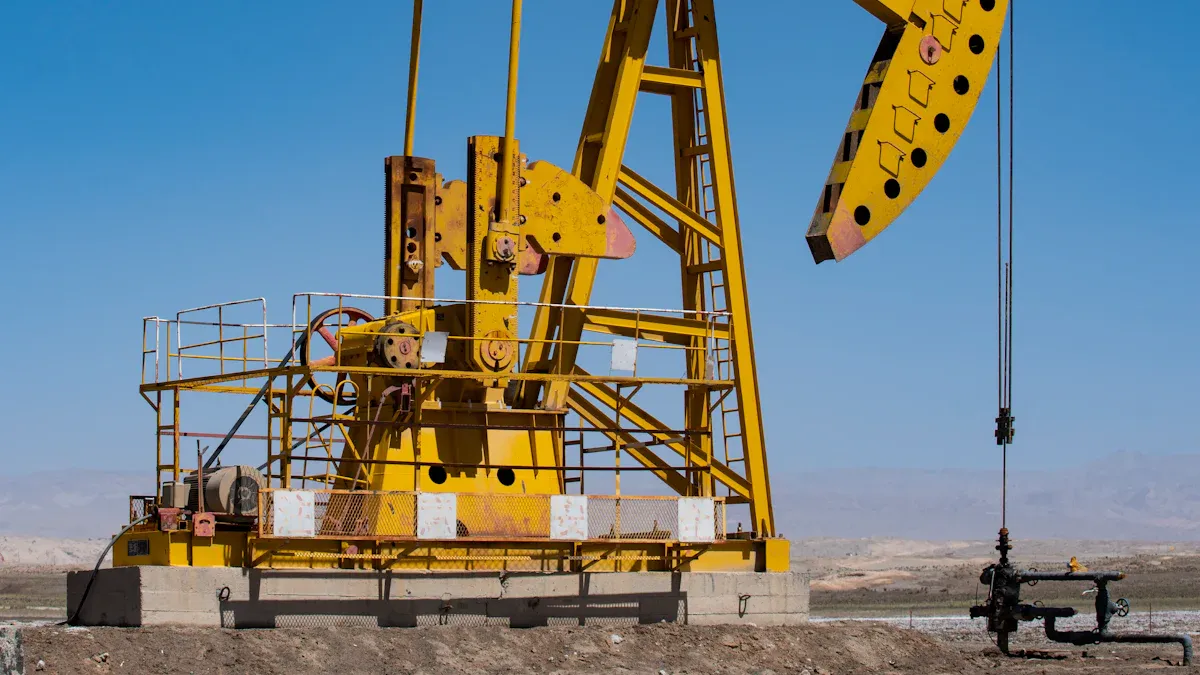
Oil drilling is a critical operation. Equipment can get stuck, leading to costly downtime and potential hazards. An Oil Drilling Rig Anti Jam System Prevents Breakdown by actively mitigating these risks. These systems are crucial for maintaining operational continuity and ensuring seamless communication between various components. Modern drilling practices, including those utilizing CEGC's advanced horizontal directional drilling machines, heavily rely on these systems. They are essential for efficient oil and gas extraction. Effective communication within the drilling process is key to preventing issues.
Key Takeaways
-
Anti-jamming systems stop drilling equipment from getting stuck. They use smart technology. This watches drilling. It makes quick changes.
-
These systems make drilling faster. They make it safer. They protect expensive tools. They help projects finish on time.
-
Advanced anti-jamming technology uses GPS protection. It uses smart controls. This keeps the drill on track. It prevents costly mistakes.
Understanding Drilling Jams
Causes of Jamming in Drilling
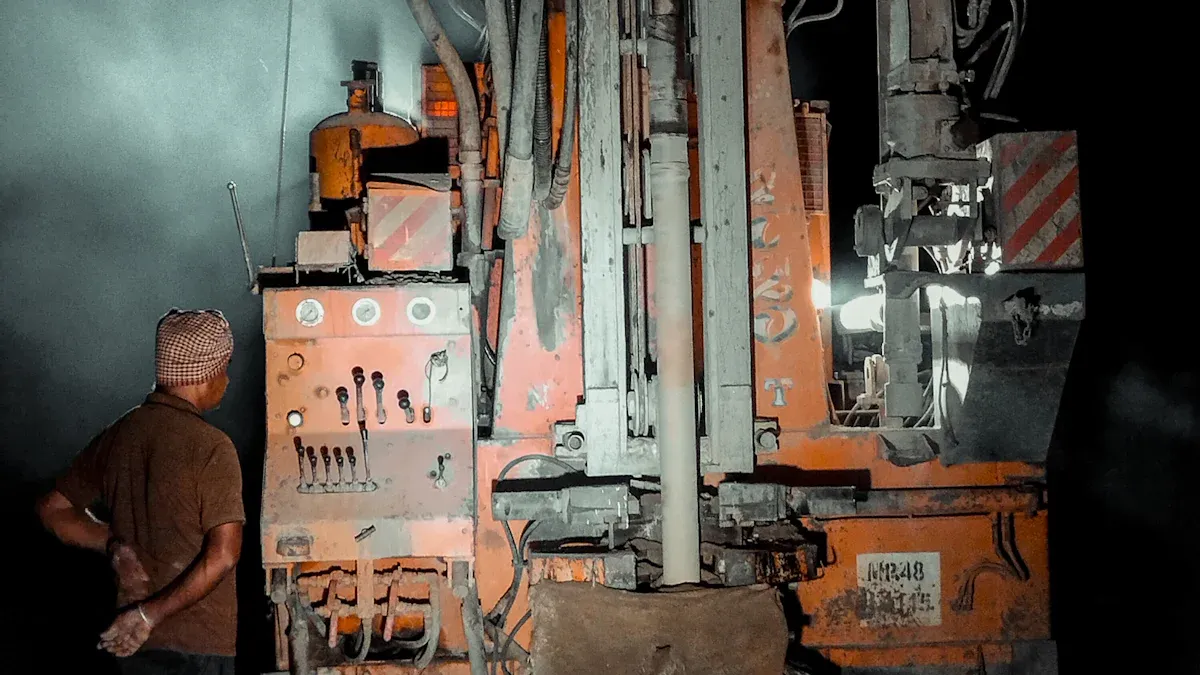
Drilling jams happen for many reasons. Borehole instability is one cause. The hole collapses from pressure. Earth movement also causes this. Keyseats also cause jams. These are grooves in the well path. Drill string parts get stuck there. Worn bits create a small hole. A new, larger bit then jams. This happens when it enters the small section. Poor hole cleaning is another problem. Cuttings build up. They block the drill string. Equipment failure downhole causes jams. Broken parts are an example. Cement problems also cause jams. Hardened chunks can trap the drill string. Geological conditions play a role. Loose soil, sand, gravel, clay, and boulders cause jams. Mixed ground is very challenging. This includes cobbles or boulders. These issues interfere with drilling.
Impact of Jams: Downtime and Damage
Jams have serious effects. They cause costly downtime. Drilling stops completely. No progress is made. This interference halts work. Equipment can also get damaged. This includes drill pipes. Bits and other tools are also affected. Repairing damaged parts is expensive. Replacing them also costs a lot. Jams delay projects. This means companies lose money. This affects the oil and gas industry. Jams also create safety risks. Workers can be in danger. Anti-jamming systems are vital. They prevent these problems. Good communication helps avoid interference. This is between drilling systems. These systems make things more efficient.
How Anti-Jamming Systems Work
A good anti-jam system stops breakdowns. It uses smart tech. These systems watch drilling all the time. They act fast to stop trouble. This part shows how they work.
Real-time Monitoring and Data
First, these systems watch things live. Sensors are very important. They gather data non-stop. This happens during drilling. This includes forces and shakes. It also checks power. This helps find worn tools. It stops too much weight. Keeping the hole good is key. All this stops jams. MWD data is gathered. This data is always coming in. It gives important facts. Sometimes, data can be wrong. Sensor errors cause this. Machine safety also causes it.
Anti-jam systems use smart data checks. They guess future jams. They use "windowing." This checks things like AGC. It also checks noise levels. Signals are cut into parts. These parts are fixed or moving. Changes in averages are checked. Steady patterns are found. For example, three rises or drops. This is in AGC or noise. This shows possible problems. Machine learning also helps. After windowing warnings, an XGBoost ML checks problems. It uses current data. It sorts things as jam or clear. This stops false alarms. LSTM models are also used. This layered method makes good choices. Sharing this data well is vital.
Automated Control and Responses
When problems are seen, anti-jam tools act. These actions are key. They stop more trouble. The control unit changes things fast. It adjusts drilling settings. This can be thrust or speed. It can also be fluid pressure. This quick move stops jams. It also lessens damage. The goal is smooth drilling. This auto control needs good talks. Different rig parts talk to each other. This stops command clashes. Special methods like resonance drilling can be added. These use controlled shakes. They help clear blocks. They also drill better. Such resonance drilling is key for steady work.
Anti-Stall Powertrain and Overload Protection
A strong anti-stall powertrain is key. It stops breakdowns. This powertrain gives high power. It also has many speeds. This power helps beat resistance. It stops the drill string from sticking. Hydraulic load sensing is another feature. It watches forces on the drill string. Pressure control works with this. It keeps pressure right. This stops sudden jumps. Controlled start and stop are also used. These reduce shocks. This is for rods and tools. This saves equipment. It makes them last longer.
Special anti-jam coring systems are also key. For example, RockStrong is for tough places. It lessens shakes. These anti-jam tools use stronger aluminum tubes. This lowers collapse risk. Anti-jam valves also protect. They control fluid flow. This stops pressure build-up. All these parts work together. They ensure steady work. They cut downtime. They also save costly gear. This includes the drill string and tools. Adding resonance drilling can boost this safety. It helps keep drilling steady.
Advanced Anti-Jamming Technologies and Benefits
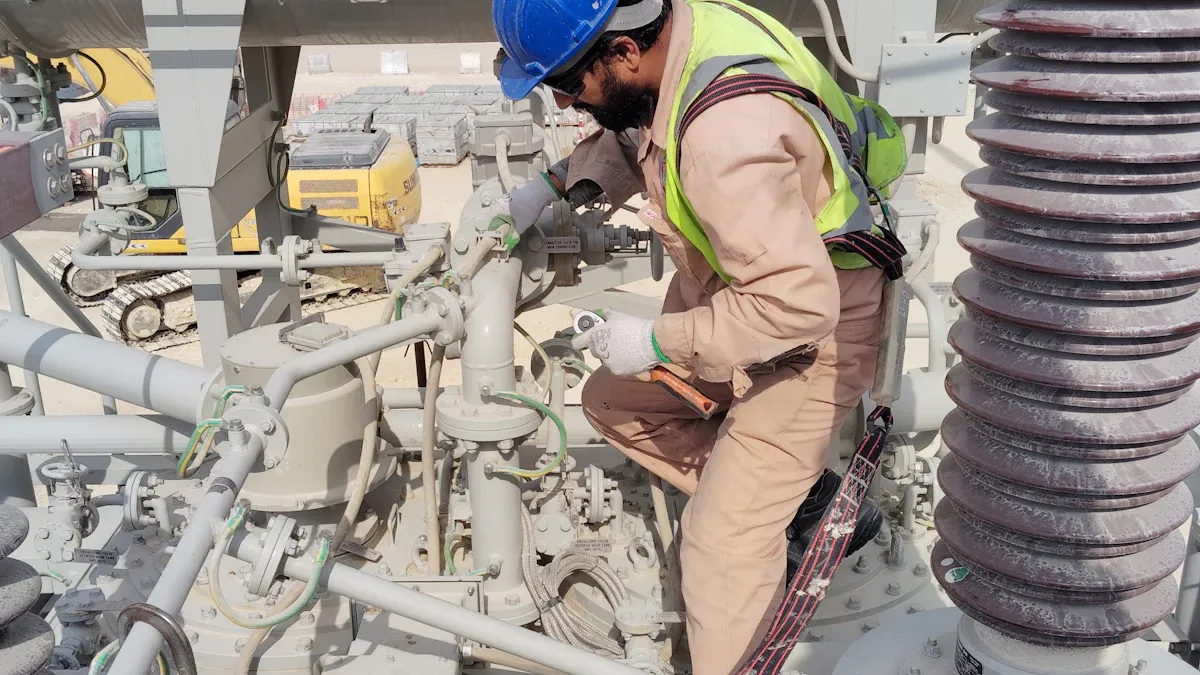
Modern drilling needs to be exact. Advanced anti-jamming tech helps with this. These systems do more than stop jams. They work with other rig parts. This makes drilling smarter and safer. It also makes it work better.
GNSS Anti-Jamming for Precision
Drilling needs exact guidance. This is true for hard projects. CEGC's tools work with tracking systems. This makes sure paths are right. Global Navigation Satellite Systems (GNSS) are key here. But GNSS signals can have issues. Other signals can mess them up. This causes wrong positions.
GNSS anti-jamming tech protects these signals. It cleans out bad noise. It stops jamming tries. This gives good position data. An anti-jamming connectivity solution keeps strong links. It keeps critical GNSS signals clear. This is true even in a jammed environment. This tech makes sure communication keeps going. It protects communication and navigation systems. This stops costly mistakes. It keeps the drill on track. This anti-jamming connectivity solution is very important. It keeps work smooth. It lowers the chance of going off course.
Preventing Breakdowns and Boosting Efficiency
Advanced anti-jamming systems do more than stop jams. They make drilling work better. They use smart tech. AI and ML are examples. These tools look at lots of data. They guess when jams might happen. This lets workers act early. This guessing power changes everything.
Top makers report big gains. Drilling can get 15–20% better. This happens when hammer designs are good. These designs have anti-jamming parts. A study in Northern Europe showed this. A better hammer series made drilling 17% faster. This series had anti-jamming features. These included strong insides and hard surfaces. Exact sizes also helped. The study also saw less downtime. Piston sticking almost stopped. This shows how an oil drilling rig anti jam system prevents breakdown. It keeps things running. These systems make drilling faster and more sure.
Enhancing Safety and Equipment Life
Safety is very important. This is true in the oil and gas industry. Advanced anti-jamming devices make things much safer. They stop sudden equipment breaks. They lower the chance of accidents. When a drill jams, forces can be wild. This can hurt workers. Anti-jamming tech makes these forces smooth. It makes the work area safer.
These systems also make equipment last longer. They protect costly parts. They stop damage from strong twists. They stop wear from too much shaking. This means less money for fixes. It means less money for new parts. Drill strings, bits, and tools last longer. This lowers work costs. It makes money back faster. These anti-jamming devices are a smart buy. They protect people and machines.
An oil drilling rig anti jam system prevents breakdown. These systems are important for drilling today. They make work faster. They also make it safer. CEGC's machines use these systems. They are key for oil and gas. Good talking helps these systems work. This makes things better. It helps with new ideas.
FAQ
What is an anti-jamming system?
This is smart technology. It stops drills from sticking. It uses sensors and has automatic controls. This keeps drilling smooth and safe.
Why are anti-jamming systems important?
They stop costly delays. They save expensive tools. They make work safer, and projects finish on time.
How do anti-jamming systems prevent breakdowns?
They monitor drill data. They automatically adjust power and pressure. Strong engines help prevent tools from breaking, ensuring the drill keeps working.


