
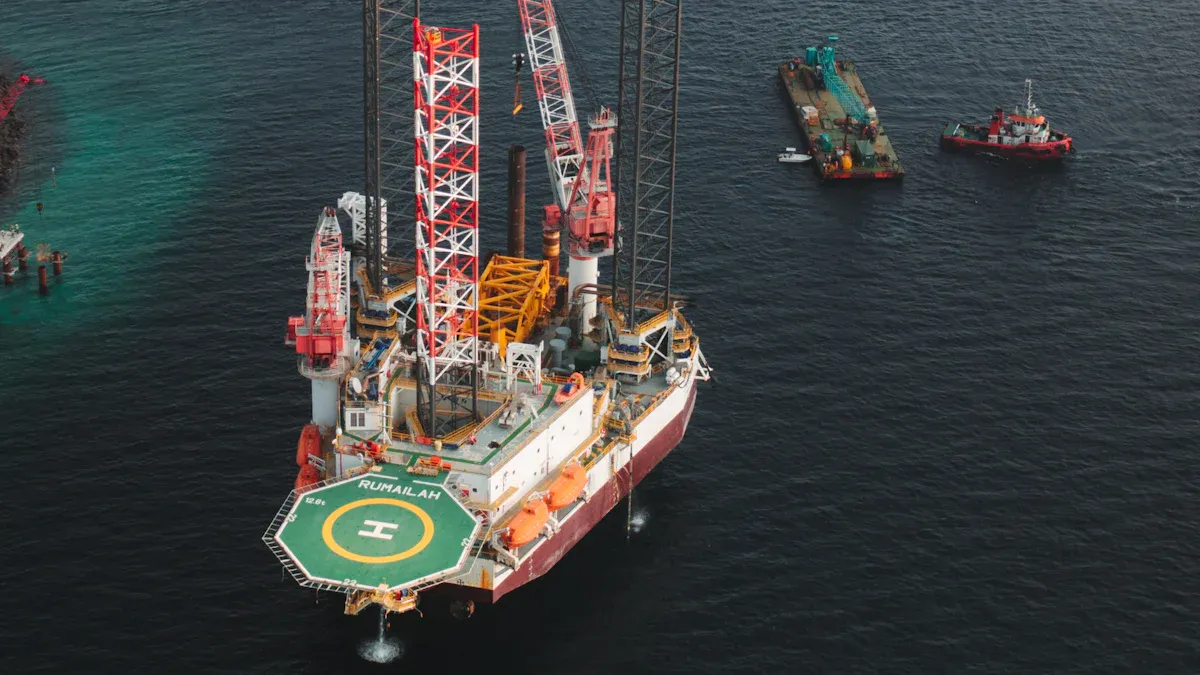
Modern drilling is complex, relying heavily on automation. This necessitates robust error prevention mechanisms. Enhanced signal technology significantly contributes to this, making Oil Drilling Rig Enhanced Signal Prevents Errors and improving overall operational efficiency. This specialized signal technology actively prevents errors. These innovations provide valuable insights, averting costly mistakes and enhancing worker safety. CEGC exemplifies this commitment to advanced signal technology in the drilling industry.
Key Takeaways
-
Better signals give real-time information. This stops mistakes. It makes drilling safer. It makes drilling more exact.
-
AI and smart sensors watch equipment. They guess problems. They make maintenance better. This saves money. This saves time.
-
Advanced technology, like CEGC's systems, makes drilling work better. It stops expensive errors. It keeps things running well.
Real-Time Signals for Precision Drilling
Real-time data helps prevent errors. It comes from better signals. This new way changes how teams work. It makes projects more exact. It also makes them safer.
Advanced Sensor Networks and Data Transmission
Oil rigs use smart sensors. These sensors gather much data. They check things like pressure. They also check temperature and flow. Computers look at this data. This helps guess when machines might break. It makes drilling better. It improves how the plant works. Wireless tools use little power. They help watch oil rigs from far away. They make big sensor networks. IoT sensors send data. They send it to analysis tools. These tools give smart ideas. They help fix things before they break. Sensors quickly check the weather. They check wave height. They check wind speed. They also check how machines are working. They check temperature. They check pressure. They check vibrations. This constant checking makes things safer. It makes work better. Different rules are used for sending data. WITS needs very little internet. WITSML needs much more internet. Both rules help data flow fast.
Precision Guidance for Horizontal Directional Drilling
Drilling off course causes problems. It makes work need to be redone. It costs money. Crossing roads, rivers, or pipes needs exact work. How well it works often depends on the worker. CEGC helps with these problems. It has a special system. This system helps drill sideways exactly. It uses matched power. This controls pushing, pulling, turning, and feeding. A strong frame helps stop shaking. It also stops moving around. This system can also track things. It can record data. It can control the process. These things make drilling exact. They stop expensive mistakes. This system makes drilling much better.
AI-Assisted Drilling for Optimal Performance
AI drilling has changed things. It has done amazing things. For example, one team saw a 20% speed increase. This happened very fast. This led to new speed records. This smart way of working saved over $3 million. This is about $30,000 per well. Another company also saw big improvements. They cut drilling time by over 20%. They cut time in one part by 43%. They cut time in another part by 34%. These systems set new depth records. For example, one well went 30,258 feet deep. Another set a record for drilling 20,387 feet. They drilled 2,570 feet per day. This was 25% better than before. It means drilling 1,619 feet daily. Before, it was 1,305 feet daily. Drilling speed also got 23% better. This was in one part of the well. These improvements show how better signals stop errors. They also show how AI makes drilling best. This includes stopping drill shaking. It makes drilling as good as it can be.
Automated Monitoring and Predictive Oil Rig Maintenance
Better signals help computers watch things. They can guess when things might break. This stops mistakes. It keeps the oil drilling rig enhanced signal prevents errors safe. This part shows how these systems make oil rig maintenance better.
Computer Vision for Hazard Detection and Automated Inspections
AI, machine learning, and computer vision find limits. They make workers safer. They warn about strange actions. Computer vision systems do checks by themselves. They find drilling hazards. They make oil rig inspection better. For example, AI helps guess when machines will fail. This means timely maintenance. It makes machines last longer. Machine learning looks at sensor data. This includes heat, pressure, and shaking. They find signs of wear. Smart AI methods are used. These systems also make drilling performance better. AI looks at ground data. It makes drilling better. Special networks guess good drilling spots. They also guess paths. Drilling tools help engineers find good ways. Data checks performance all the time. This makes drilling faster. This constant watching helps. It makes every oil rig inspection better. This way of doing maintenance stops big mistakes. It keeps operations working well.
Predictive Analytics for Equipment Health
Smart maintenance rules find patterns. They use good pressure sensors. These patterns show when machines might fail. Or they show unsafe things. These systems also find leaks. They find spills. They guess when machines will break. Good pressure sensors watch many spots. They watch inside fluid systems. This includes main lines. It includes cylinder parts. It includes other systems. This wide check finds problems. It finds less power. It finds dirt effects. It finds worn parts. They find these fast. This helps with good maintenance timing. It stops small issues from becoming big ones. Pressure sensors are key for smart maintenance. They are important for fluid systems. These systems need exact pressure. Sensors find pressure changes. These changes can mean leaks. Or they mean other problems. With shake and heat sensors, they watch machines well. This early watch is key for good preventive maintenance. It helps build strong predictive maintenance programs. This keeps all parts working well. These condition monitoring systems are vital for constant work.
Anti-Stall Powertrain Protection
Stuck pipes, sudden jerks, and downtime are big issues. They cost more to fix. They cause delays. Sudden jerks hurt rods, threads, and tools. Hard ground makes daily work slow. CEGC's Anti-Stall Powertrain & Overload Protection fixes these. It gives strong power. It has a wide speed range. It uses fluid sensing. It manages pressure. It also starts and stops smoothly. This reduces stress on rods, swivels, and tools. This system stops unplanned downtime. It protects machines from harm. It also lessens drill-string vibrations. This good maintenance makes work safer. It adds key safety measures. This way of drilling stops costly fixes. It keeps work going. These condition monitoring systems are key to stop machine damage.
Optimizing Drilling Operations with Enhanced Signal Insights
Better signals give important facts. These facts help make operations better. They also lower mistakes. This makes sure the oil drilling rig enhanced signal prevents errors.
Data-Driven Decisions for Fluid Management
Bad fluid work causes problems. Frac-out risks are big issues. CEGC helps with these. It has a Mud Integration & Fluid Management Solution. This helps pick the right pump size. It makes the fluid path better. It also makes sure mud rules are followed. These steps keep fluids right. They stop costly problems when drilling. This smart way makes drilling efficiency better.
Tooling Durability for Reduced Wear
High costs and tool wear hurt profits. More cutting force makes tools wear out fast. Heat also makes them wear out fast. Different wear types shorten tool life. These include abrasive, flank, crater, and adhesion wear. Bad materials also cause wear. Chips not clearing out cause wear too. CEGC's Tooling Compatibility & Durability Package fixes these. It works with different reamers. It gives smoother power. This stops shaking and uneven wear. Easy access helps with faster maintenance. This package makes tools last longer. It means less frequent inspection. It means less frequent replacement. Regular inspection finds wear early. This helps with good maintenance.
Remote Control and Operational Efficiency
Remote control makes drilling better. It lets work happen in tough places. Like cold arctic areas. Or deep ocean sites. Remote monitoring helps fix things fast. This makes projects quicker. It makes work more productive. Remote control means fewer workers on site. This saves money on labor. Robots do checks. They find problems early. This makes machines last longer. It lowers costly repairs. This is done by predictive maintenance. Constant monitoring helps. Constant inspection helps. This keeps equipment strong. It helps with preventive maintenance. This lowers downtime. These condition monitoring systems are key. They help with constant oil rig maintenance. They ensure good oil rig inspection. They ensure overall strength.
Better signal tech changes drilling. It stops mistakes early. This makes things much safer. It makes work better. This means less stopped time. It costs less to run. It helps the environment. This is true for hard projects. Like those using a Trenchless Drilling Rig. The oil drilling rig enhanced signal prevents errors. New ideas will make error stopping even better. This makes advanced drill rig tech very important.
FAQ
❓ How do better signals stop mistakes in drilling?
Better signals give live facts. These facts help workers make smart choices. They find problems before they get big. This stops expensive errors.
🤖 What does AI do in today's drilling work?
AI helps drilling work better. It makes drilling faster. It also cuts down drilling time. This saves a lot of money.
🎯 How does CEGC's tech make drilling more exact?
CEGC's special system uses matched power. It has a strong frame. This makes drilling very exact. It stops the drill from going off course.


