
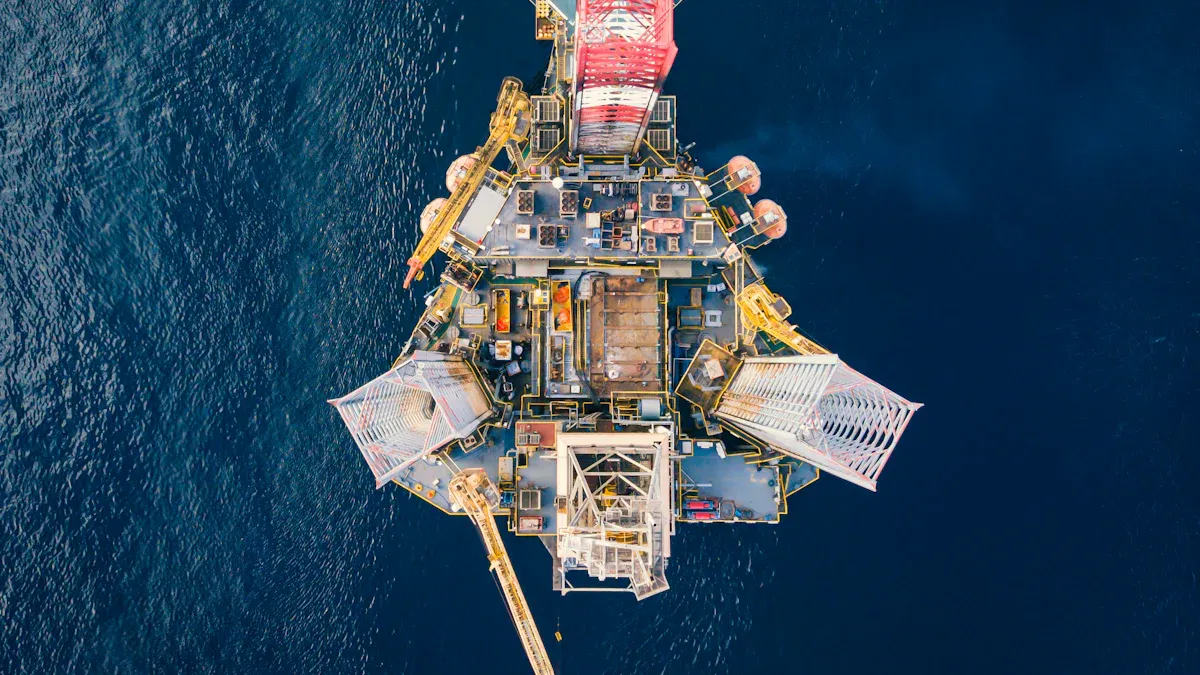
A Well Drilling Rig 900m Range Handles Deep Work. This strong rig gets to deep things in the earth. It helps get water, heat from the earth, or minerals easily. This helps meet what industries need more of. More and more of these rigs are being used around the world.
|
Metric |
Value |
|---|---|
|
Market Size (2023) |
|
|
Projected Market Size (2032) |
USD 8.7 billion |
|
CAGR (2024-2032) |
5.2% |
CEGC offers strong drilling answers. These new rigs are very good at their job.
Key Takeaways
-
A 900m drilling rig can drill very deep. It helps find water, heat from the earth, and minerals.
-
These rigs are strong and reliable. They use special tools to drill through hard ground and work well.
-
Deep drilling rigs help many projects. They find resources and work in different types of ground.
What the 900m Range Means: How This Rig Drills Deep
What Is Deep Work and Why Is It Hard?
"Deep work" means drilling very far down. This is often more than 300 meters. Drilling deep is hard. The ground can be very tough. It can also be shaky. It gets very hot and high pressure. This makes drilling bits work poorly. It also makes the hole unstable.
Deep work looks for certain rocks and resources. Rotary drilling works for complex rocks. It also finds things miles down. Electro-drilling is good for hard rock. It is also good for heat projects. Diamond bits are for very hard ground. They are also for deep test wells. Directional drilling finds shale. It also finds complex layers. It can drill many spots from one place. These jobs need strong tools. A 900m rig handles these tough jobs.
How They Build Rigs for 900m Deep
Rigs need special building to go 900 meters. Power is very key. The GEO 900 E rig drills 1000 meters. It uses 110 kW of power. It has 5,322 Nm of twist. This power pushes the drill bit. It goes through hard ground.
Drill pipe strength is also key. Pipes must be strong. They hold weight and pressure. Lifting power is another key part. The ZQ-800B rig drills 900m deep. It lifts 12 tons. The CSD1300 rig drills 1300m. Its lift is 2.5 to 4 tons. It pulls 61 tons. These lifts pull heavy pipes. They pull casings from deep holes. Special water systems are also used. They have strong motors. Big water cylinders give power. These parts help the rig drill deep.
Good Things About Deep Drilling
A 900m water drill has many good points. It works very well. It finds water shallow rigs cannot. This is key where water is deep. It is also very steady. Strong design means fewer breaks. This means more steady work.
It also works fast. These rigs drill quicker. They drill smoother in tough spots. This saves time and money. They can also drill different ground. This makes them good for many jobs. Going deep finds more resources. This helps with needs for water, power, and minerals.
Many Uses for Deep Well Projects
A 900m rig works on many projects. It is not just for water. It can be used for heat projects. These need deep drilling. They reach hot rocks. It is also used to find minerals. This finds valuable things deep down.
These rigs work in different ground. They drill soft dirt. They drill hard rock. They drill mixed layers. This makes them useful for many jobs. They can also be changed for jobs. This includes different bits. It includes mud systems. It includes control parts. This makes the rig work best.
Innovations and Applications for Deep Drilling Rigs
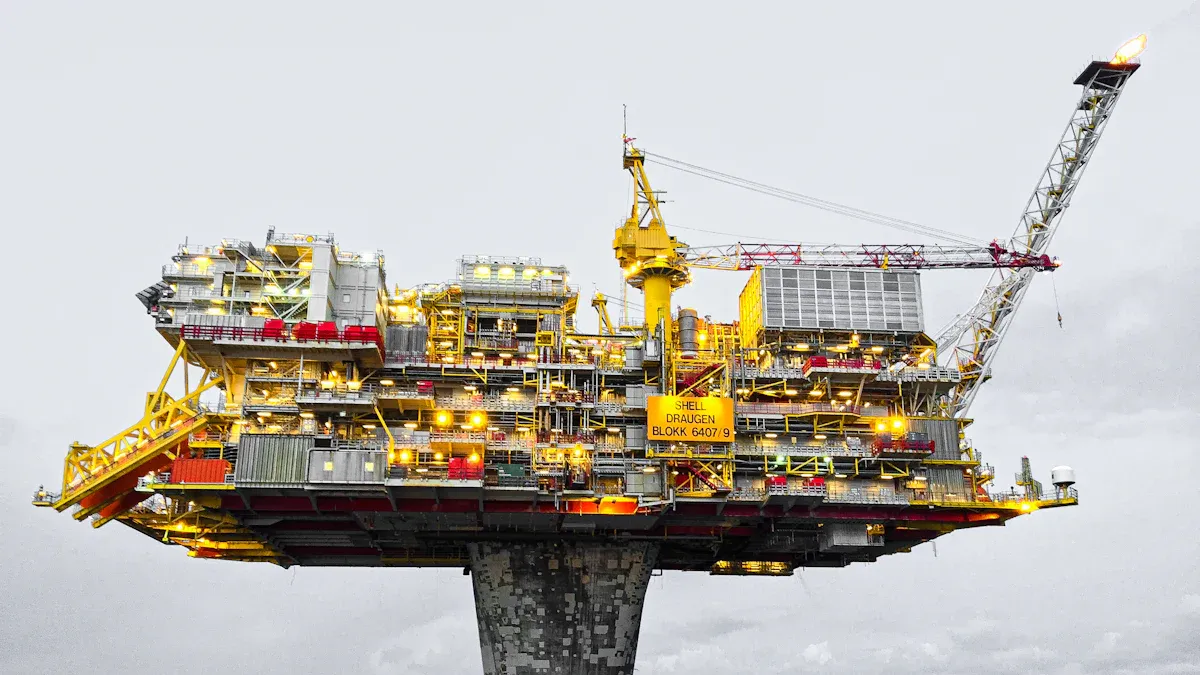
Deep drilling needs smart tools and new ways of working. These help rigs go deeper and work better. They also make sure jobs are done right. CEGC offers market-standard specs and project-based customization for these advanced drill rigs. This means they can meet many different needs.
Advanced Drilling Techniques and Systems
Drilling deep means using special methods. These methods help keep the drill working smoothly. One such method is Continuous Circulation Systems (CCS). These systems keep drilling fluid moving all the time. This happens even when new drill pipes are added. This is important for keeping pressure steady deep underground. It also helps clean out rock bits. CCS helps stop problems like well kicks. These problems can happen when the drill pipe is pulled out.
Another key method is Rotary Steerable Systems (RSS). These systems let the drill bit change direction while drilling. They use computers to guide the drill. This helps make sure the hole goes exactly where it should. RSS uses sensors to check the path as it drills. This makes drilling very exact. Also, Downhole Mud Motors are used. These motors turn the drill bit without turning the whole drill pipe. Mud is pumped down to power them. This gives power right at the drill bit.
Precision Guidance for Bore Deviation
Drilling a straight hole deep underground is hard. The drill can go off course. This is called bore deviation. To stop this, rigs use smart guidance systems. These systems have special sensors. They watch drilling speed and how much the drill twists. This helps adjust how the drill works.
Rigs also use logging-while-drilling methods. These methods gather information about the ground as the drill goes down. They also check the drilling direction. Smart computer programs, called algorithms, use this data. For example, Support Vector Machine (SVM) helps find different rock types. Random Forest helps sort drilling data. Deep Neural Networks (DNNs) can look at rock pictures or time signals. These tools help guide the drill very precisely. They make sure the hole stays on track.
Anti-Stall Powertrains for Reliability
Sometimes, the drill pipe can get stuck. This costs a lot of money and time. It can also damage the drill. To prevent this, deep drilling rigs use anti-stall powertrains. These systems have strong engines that give a lot of power. They also have smart hydraulic systems. These systems sense how much force is needed. They can change the power smoothly. This stops sudden jerks that can damage pipes or tools.
These powertrains work well even in tough ground. They keep the drill moving steadily. This means less chance of getting stuck. It also means the drill works longer without breaking down. This makes the drilling process more reliable.
Optimized Fluid Management and Mud Integration
Drilling mud is very important for deep wells. It cleans the hole, cools the bit, and keeps the well stable. Good mud management is key. Advanced systems clean the mud by taking out solid bits. These are called solids control systems. They use tools like desanders and desilters. These tools separate solids from the drilling fluid. This keeps the mud working well.
New technologies can also save drilling fluids. They can recover up to 95% of reusable fluids. This saves money and helps the environment. Remote dashboards let workers watch many cleaning units at once. They can see how well the systems are working. Real-time monitoring helps workers make quick changes. This makes the drilling more efficient. It also cuts down on wasted time. Predictive maintenance uses data to fix problems before they happen. This helps avoid breakdowns. All these systems work together. They make sure the mud performs its best.
Applications in Water, Geothermal, and Exploration
A Well Drilling Rig 900m Range Handles Deep Work for many different jobs. It is not just for finding water. These rigs are very useful for geothermal projects. Geothermal energy comes from the earth's heat. This needs drilling deep to reach hot rocks. Rigs like the HJG900, which uses Cummins engines, are strong enough for such tasks. They can handle the heat and pressure.
These rigs are also used for exploration. This means looking for new resources. This could be oil, gas, or valuable minerals. The MANCORE900H is an example of a portable solution. It can be moved to different sites for exploration. These rigs can drill through many types of ground. This makes them good for finding resources in new places.
Considerations for 900m Rig Deployment
Putting a 900-meter drilling rig to work needs careful planning. There are many things to think about.
-
Logistics: Moving the rig and its parts is a big job. This includes transport by land, air, or sea. The drill site also needs to be ready. This means clearing and leveling the ground. It also means digging mud pits. Getting water, fuel, and repair parts to the site is also important.
-
Sites often need a lot of preparation. This can mean digging into a hill. Or it can mean building platforms to make the ground flat. The rig must sit on stable, level ground. It should not be on loose dirt. Obstacles and things that can catch fire must be cleared. Power lines overhead are very dangerous. They might need to be moved or turned off. The drilling area must be big enough for safe work.
-
Drilling teams often need extra help. They might need more people to finish jobs. They also need support for things like security, medical care, and turning over finished wells.
-
-
Regulations: Before drilling, many rules must be followed. Companies need to show they follow federal laws. These laws cover safety, saving resources, and protecting the environment.
-
Plans like Exploration Plans (EP) and Drilling Operations Plans (DWOP) are needed. A Permit to Drill (APD) must be approved before any drilling starts.
-
The government checks for environmental impacts. This is done under laws like the National Environmental Policy Act (NEPA). They also check for impacts on animals like endangered species. They look at fish, cultural sites, and water quality.
-
Safety equipment must be designed and tested well. This makes sure drilling is safe and protects the environment. Government groups also inspect sites often. They make sure all rules are followed.
-
A Well Drilling Rig 900m Range Handles Deep Work. It helps get important things. It also solves hard ground problems. New tech helps drilling a lot. This makes projects work well. Strong drilling tools will be needed more. They help manage resources. They also help build things.
FAQ
What is "deep work" in drilling?
Deep work means drilling very far down. This is often more than 300 meters. It involves tough ground and high pressure. This work finds water, geothermal energy, or minerals.
Why are 900m drilling rigs important?
These rigs reach deep resources. They find water where shallow rigs cannot. They are very strong and reliable. This helps projects run smoothly. They also work fast and efficiently.
What projects use 900m drilling rigs?
These rigs work on many projects. They drill for water and geothermal energy. They also explore for minerals. They can handle different ground types. This makes them very versatile.


