
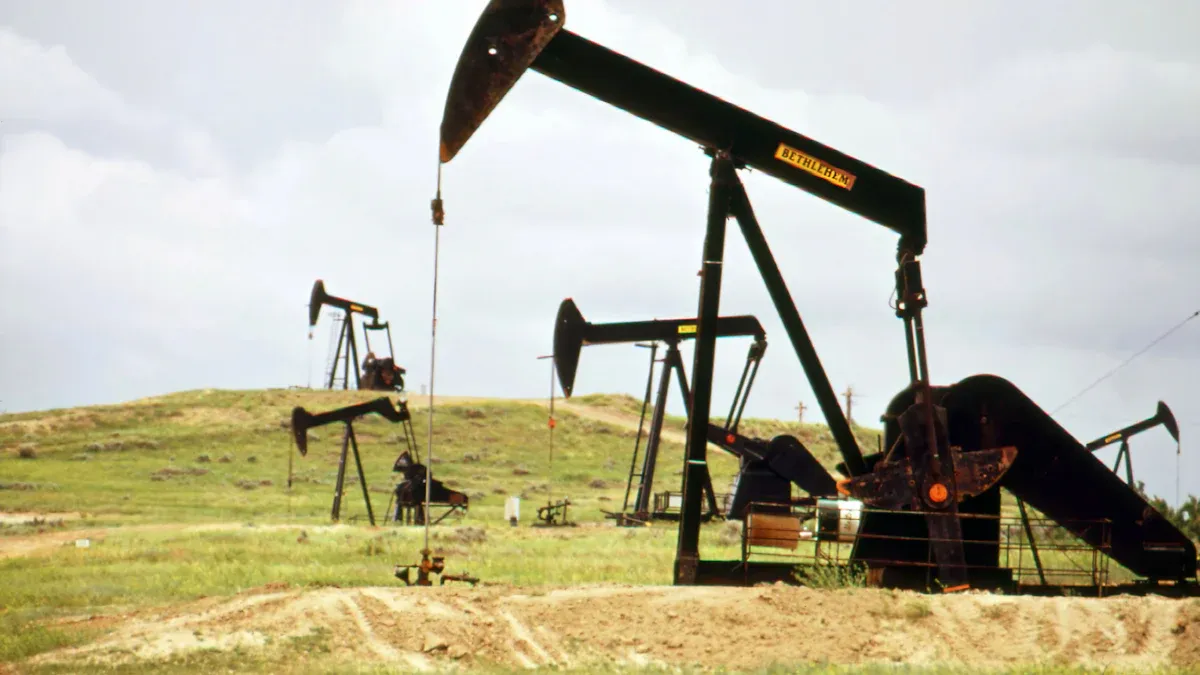
You have a tough job with oil drilling rigs and horizontal directional drilling machines. Oil Drilling Rig Max Penetration Prevents Stalling means you need to balance speed, safety, and cost.
-
High penetration rates can lead to bad hole cleaning, bit damage, and wellbore problems.
|
Optimization Level |
Cost Savings (USD) |
Time Savings (hours) |
|---|---|---|
|
Optimum PR |
1,056,180 - 1,151,898 |
19.50 - 21.27 |
|
Inefficient PR |
1,387,335 |
25.42 |
Key Takeaways
-
Change drilling settings by adjusting weight-on-bit. Pick the best drilling fluid. Modify nozzle design. These steps make drilling faster. They also help tools last longer.
-
Use real-time monitoring to make quick changes while drilling. This stops stalling. It keeps the work running well.
-
Choose the right bit and tools for the rock type. This cuts down on downtime. It makes drilling work better. Using the right tools lowers wear. It also makes drilling faster.
Oil Drilling Rig Max Penetration Prevents Stalling
Optimizing Drilling Parameters
You face many problems when you try to get oil drilling rig max penetration prevents stalling. You must work on drilling parameters to reach the fastest drilling speed and keep your drilling running well. If you set the right weight on the bit, pick the best drilling fluid, and change the nozzle design, you can make drilling faster and better. You also stop stuck pipe and lower tool wear.
-
Set the right weight on the bit to drill well and not wear it out.
-
Pick the best drilling fluid to keep the wellbore safe and help the bit go faster.
-
Change nozzle design to clear cuttings and cool the bit.
You can use real-time monitoring to make quick changes while drilling. This helps you stop stalling and keeps drilling fast. Many new rigs, like CEGC’s horizontal directional drilling machine, have load-matched control and high-torque output. These features help you change thrust, pullback, and rotation to fit the ground and bore length. Custom specs let you handle different soil, bore size, and job site limits.
Tip: Always check your drilling settings and change them with real-time data. This stops sudden drops in drilling speed and cuts downtime.
Weight-on-Bit and RPM Control
You must control weight-on-bit and RPM to get oil drilling rig max penetration prevents stalling. If you set these right, you stop stick-slip and torque spikes. You also keep drilling speed steady and protect your tools.
|
Parameter |
Minimum Value |
Maximum Value |
|---|---|---|
|
Weight on Bit (WOB) |
60 kN |
140 kN |
|
Rotational Speed (RPM) |
70 RPM |
100 RPM |
|
Flow Rate (L/s) |
20 L/s |
40 L/s |
You can follow these best steps:
-
For hard rocks, use more weight-on-bit and less RPM to lower wear.
-
For medium rocks, use medium weight-on-bit and more RPM to drill faster.
-
In changing zones, change weight-on-bit and RPM with real-time data to keep the bit steady.
Start with the maker’s settings. Watch for sudden drops in drilling speed or more torque and vibration. If you see these signs, change your settings to stop stick-slip and tool damage.
New rigs use automatic control systems to help you. For example, Autodriller Pro controls weight-on-bit for steady block speed. FlexTorque changes RPM to stop stick-slip. Automation Sequencer manages weight-on-bit to lower bit whirl. CEGC’s horizontal directional drilling machine uses these systems to give max torque and smooth drilling speed.
Note: Real-time monitoring lets you change things fast. This cuts wasted time and keeps drilling speed high.
Bit Selection and Tooling Compatibility
You need to pick the right bit and matching tools to get oil drilling rig max penetration prevents stalling. If you match the bit to the rock, you lower tool wear and keep drilling fast. You also stop downtime and make drilling better.
|
Criteria |
Description |
|---|---|
|
Rock Hardness |
Pick strong bits for hard rocks. |
|
Abrasiveness |
Use special bits for rough rocks to lower wear. |
|
Formation Drillability |
Pick good bit designs for soft rocks. |
|
Cutter Material and Shape |
Choose materials like PDC or TCI for the rock type. |
|
Gauge Length and Pad Design |
Use longer gauge for stability, shorter for faster drilling. |
|
Blade Count and Cutter Layout |
More blades make better holes and lower vibration. |
|
Bit Performance Metrics |
Watch drilling speed, torque, and vibration to pick the best bit. |
If you use matching tools, you stop surprise failures and cut downtime. Picking the right auger and attachments makes drilling better for the soil. You also make sure load moves well and drilling is accurate. CEGC’s horizontal directional drilling machine works with standard parts and gives custom rod size, tool joint specs, and strong wear protection.
-
Check equipment power and if it fits the site.
-
Pick auger designs for each soil type to keep drilling fast and stop clogging.
Tip: Always watch bit performance and change your pick with real-time feedback. This keeps drilling good and stops stalling.
You can also use guidance systems to keep your bore straight. Systems like FlexOscillator turn the drillstring and lower drag. Bit Guidance System steers in real time, and AutoSlide slides for correct toolface direction. These systems help you get oil drilling rig max penetration prevents stalling by stopping stuck pipe and making bore placement better.
|
Technology |
Contribution to Preventing Stalling |
|---|---|
|
FlexOscillator® Technology |
Turns drillstring, lowers drag, and stops stuck pipe. |
|
Bit Guidance System |
Steers the bit in real time, makes bore placement better, and stops stalling. |
|
AutoSlide® Technology |
Slides automatically, keeps toolface correct, and lowers stalling risks. |
If you use the right bit, matching tools, and guidance systems, you keep drilling good and drilling speed high. You also stop stalling and lower tool wear, which saves time and money.
Fluid Management and Hydraulics Optimization
Drilling Fluid Selection and Maintenance
You have to pick drilling fluids with the right parts and lubricants. These choices help you drill faster and stop stalling. Good lubrication makes less friction. This means you do not lose much energy and your tools last longer. You must keep the fluid’s density and thickness at the right levels. This helps clean the hole and stops cuttings from piling up. If you take care of drilling fluids, you stop stuck pipe and keep your directional drilling machine working well.
-
Check fluid density and thickness often.
-
Use fluids that are slippery for hard rocks.
-
Make sure your system can handle the highest feed pressure all the time.
Bit Hydraulics and Nozzle Setup
You need to focus on bit hydraulics and nozzle design. The right nozzle setup helps remove cuttings and keeps the bit cool. Long directional nozzles can make you drill over 30% faster. They do this by aiming the jet and saving energy. You should check nozzles for blockages and damage. Put nozzles in places that make strong jets to clear cuttings fast. Make junk slots to move debris away and stop stuck pipe.
|
Best Practice |
Description |
|---|---|
|
Nozzle Maintenance |
Check for damage and blockages to keep hydraulic power high. |
|
Strategic Placement |
Aim jets at cuttings for better cleaning and cooling. |
|
Junk Slot Design |
Move debris out fast to stop stuck pipe. |
|
Feedback Utilization |
Change settings using drilling data for the best results. |
Solids Control and Mud Program
You need a good mud program and solids control system. New mud programs let you match fluid to your project. This helps you stay safe and not break the ground. Good solids control tools take out tiny particles. This keeps your bore safe and drilling fast. Better fluid management, like good filters and a strong pump, helps you reuse fluid and save money. You should watch fluid properties all the time. Use sensors to check thickness and density. Change things fast to keep feed pressure steady and stop problems.
Tip: Always check your mud system for dirty stuff. Clean and change old parts to stop downtime and equipment damage.
You can avoid the stall point by using real-time optimization, fluid management, and advanced rig features. These steps help you reach the stall point less often and keep drilling safe. To improve, follow these steps:
-
Plan your drilling to avoid the stall point.
-
Monitor for the stall point.
-
Review and adjust your process.
Consulting experts helps you spot the stall point early and fix it fast.
FAQ
What causes stalling in a horizontal directional drilling machine?
You can see stalling when the bit faces too much resistance. Hard rocks, poor fluid, or wrong settings often cause this problem.
How do you prevent stuck pipe during drilling?
You should monitor drilling fluid, adjust weight-on-bit, and use the right bit. These steps help you keep the pipe moving and avoid downtime.
Why choose CEGC’s horizontal directional drilling machine?
You get market-standard specs, high-torque output, and custom options. These features help you drill faster and avoid stalling in many ground types.


