
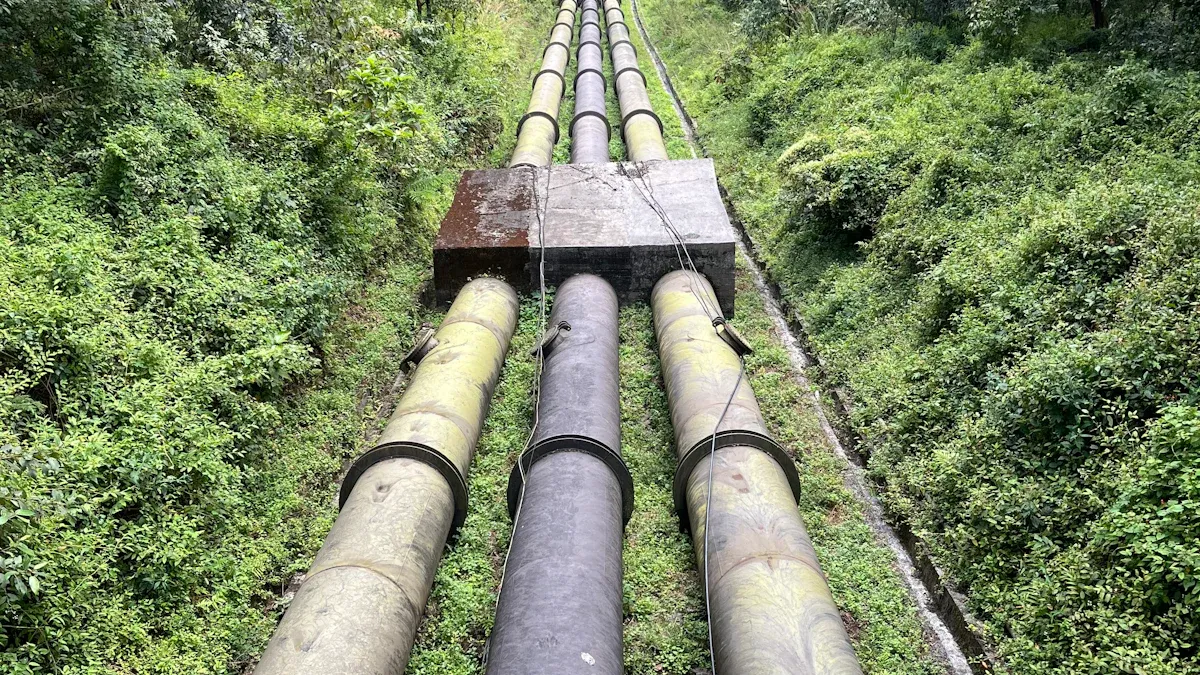
You get horizontal directional boring ultra layer penetration by using new technology and careful planning. CEGC gives you ways to drill through hard layers fast. Horizontal directional boring ultra layer penetration makes your project faster, saves money, and keeps people safe. Horizontal directional boring ultra layer penetration also causes less damage to the ground and helps protect the environment.
|
Description |
|
|---|---|
|
Efficiency |
Horizontal directional boring ultra layer penetration makes your job quicker. |
|
Cost Reduction |
You spend less on fixing things and do not need to close roads. |
|
Safety Improvements |
You lower dangers and keep your team safe. |
|
Environmental Considerations |
You help nature stay safe while drilling. |
Horizontal directional boring ultra layer penetration lets you keep roads open and avoid dangerous trenches. You will find easy steps, tool ideas, and tips to fix problems for good results.
Key Takeaways
-
Horizontal directional boring ultra layer penetration makes projects faster and cheaper. This method lets roads stay open and causes less harm to nature.
-
Careful planning is very important for good drilling. Check the site well and pick the best equipment to stop expensive errors.
-
New methods like diamond core drilling and fluid management help drilling work better. Use the right tools and watch conditions to keep things running smoothly.
Ultra-Hard Layer Challenges
Identifying Ultra-Hard Formations
You deal with ultra-hard layers when blasting is not allowed. These layers are granite, basalt, and dense bedrock. You find them by looking at soil reports and scans underground. You notice slow drilling, strong shaking, and tools wearing out fast. You need to know how deep and thick each layer is before you start hdd. You use surveys to map what is under the ground. You check pilot bore data to see how hard the layers are.
Common HDD Obstacles
You run into many problems in hdd rock drilling. Coarse soils and hard rock make it tough to keep the borehole stable. You must control fluid pressure so the bore stays open. Very hard bedrock makes you plan the drilling depth with care. You need to steer carefully to avoid the bore going off track. Sometimes pipes get stuck, torque jumps up, and tools wear out. You use advanced hdd machines to lower these risks. You depend on real-time tracking to stay on course. Here is a table with common obstacles:
|
Obstacle |
Description |
|---|---|
|
Coarse soils and hard rock |
These make it harder to keep the borehole stable and manage fluid pressure. |
|
Very hard bedrock |
You must plan drilling depth carefully because layers are complex. |
|
Need for precise navigation |
You need to be exact, especially when drilling through different layers. |
Project Risks & Impacts
You face risks to your project time and costs in hdd rock drilling. Extreme heat makes tools break down faster. Bit wear means you have to replace parts more often. Big tool failures can stop your project. You must plan for these risks if blasting is not possible. You use strong tools and watch what is happening underground. You check tool wear and change drilling speed as needed. Here is a table with project risks:
|
Risk Type |
Description |
|---|---|
|
Extreme Heat |
Makes tools break down faster and drilling harder. |
|
Bit Wear |
Tools wear out quickly and need replacing, causing delays. |
|
Catastrophic Tool Failures |
Big failures can stop work and cost a lot of money. |
Tip: You get better hdd rock drilling results by using good rigs and changing your plan for each underground challenge.
HDD Planning & Execution for Ultra Layers
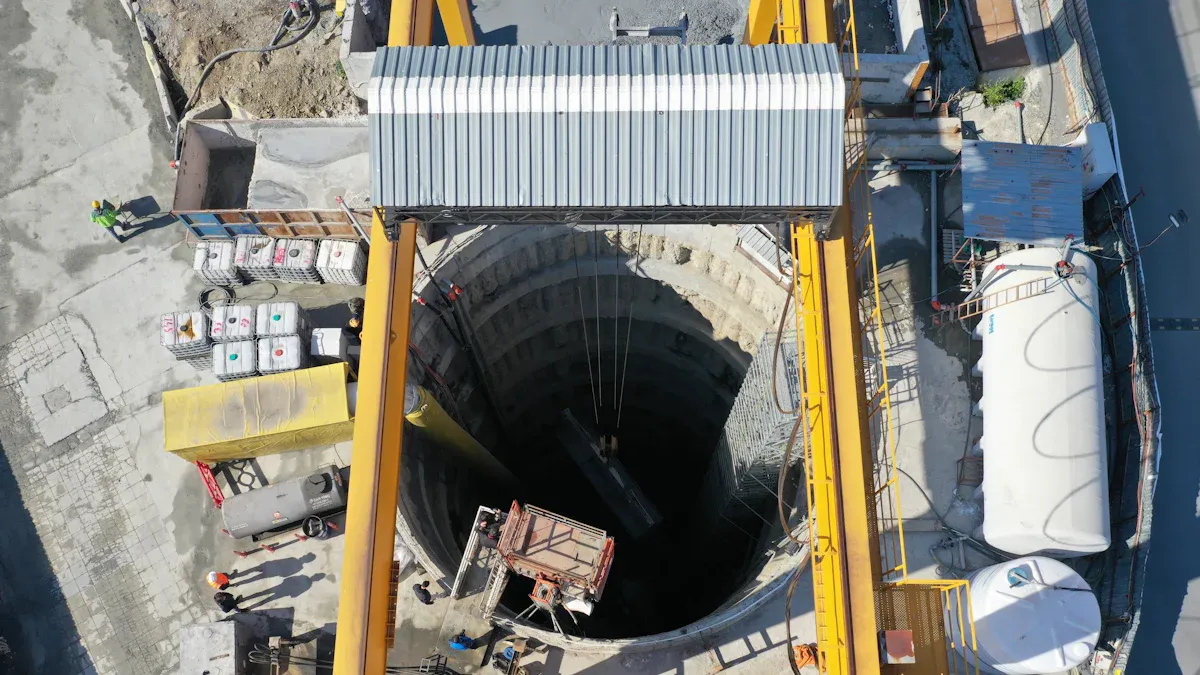
Site Assessment & Pre-Bore Steps
You start every hdd project by understanding what lies beneath the surface. You use geological surveys to check the layers of rock and soil. You map all underground utilities with different methods to avoid surprises. You write down all risks, such as drilling fluid loss, tough soil, or equipment strain. You pick the right horizontal directional drilling machine and tools for your job. You plan the site layout so your team works safely and efficiently. You master the drilling process by following these steps:
-
Conduct a full subsurface investigation.
-
Map all utilities using advanced detection.
-
Analyze risks for drilling fluid, soil, and equipment.
-
Select the best horizontal directional drilling rig and tools.
-
Set up your site for safety and smooth workflow.
-
Drill the pilot hole, ream, and pull back the pipe.
Tip: Careful planning at this stage helps you avoid costly mistakes during hdd in ultra-hard layers.
Equipment & Tooling Selection for Horizontal Directional Drilling
You need the right equipment to succeed in hdd through ultra-hard formations. You choose a horizontal directional drilling machine with high torque and stability. You use a trenchless drilling rig that matches your project’s specs. You select special bits and motors for tough rock. Here is a table to help you pick the right tools:
|
Equipment Type |
Function |
|---|---|
|
Mud Motor (PDM) |
Cuts through hard rock using drilling fluid power. |
|
Tricone Bits |
Breaks through hard rock layers. |
|
Polycrystalline Diamond Compact Bits |
Handles ultra-hard formations with ease. |
|
Coring Bits |
Drills through mixed cobble and gravel. |
|
High-Torque Drill Rigs |
Maintains steady progress in tough rock. |
You also pay attention to tooling specifications. The right specs help you avoid tool failure and stuck pipe. Here is what you need for hdd in ultra-hard layers:
|
Specification |
Requirement |
|---|---|
|
Thrust Rig |
50,000-pound |
|
Drill Pipe Diameter |
2 7⁄8 inch |
|
Pilot Bore Diameter |
4 3⁄4-inch (tricone roller bit) |
|
Mud Motor Diameter |
3 3⁄8-inch |
|
Pump Capacity |
135-gpm |
You can ask CEGC for market-standard specs or project-based customization for your horizontal directional drilling needs.
Advanced Drilling Techniques & Fluid Management
You use advanced techniques to boost your hdd results in ultra-hard layers. Diamond core drilling uses bits with industrial diamonds. These bits cut hard rock and let you take core samples. This method gives you precise cuts and faster penetration. Laser-assisted drilling uses a rotating laser beam to break rock. The laser makes small cracks, so the rock comes out easier. This method can double or triple your penetration rate compared to old methods.
A Canadian study found that optimized concave-face bits made holes 22% straighter. The same study showed a 16.8% increase in usable penetration rate and a 33% jump in speed from 1.8 m/min to 2.4 m/min.
Drilling fluid management is key for hdd in ultra-hard formations. You keep the borehole stable by using the right fluid. You adjust the viscosity to remove cuttings and support the bore. You watch the rate of cuttings removal to prevent tool wear. Pumping too much fluid can wash out the bore or cause cobble to fall in. You set the pumping rate based on the ground type. This keeps drilling pressure and efficiency at the right level. You use CEGC’s mud integration and fluid management solutions for better results.
Note: Good drilling fluid management reduces stuck pipe, tool wear, and frac-out risk in hdd.
Troubleshooting & Solutions
You face common problems in hdd, such as stuck pipe, tool wear, and frac-out. You solve these issues by following proven steps:
-
Start with a geotechnical exploration to know the ground.
-
Use steerable dirt bits and wing reamers in soft ground to avoid stuck pipe.
-
In mixed ground, switch to cobble bits and heavy stack plate reamers. Check bit alignment often.
-
For rock, pick the right bit—tricone for softer rock, PDC for hard layers. Watch torque trends to avoid stuck strings.
-
Match your tooling to the bore diameter, rod size, rig thrust, and pump capacity.
-
Drill at low speed and use light pressure in hard layers to cut vibration.
-
Monitor the main reel’s lifting speed and adjust for load changes.
-
If the drill bucket gets stuck, test its condition and avoid forcing it.
You can use CEGC’s anti-stall powertrain and overload protection to lower downtime. You also benefit from their precision guidance and stability systems for accurate hdd in tough conditions.
Alert: Always check your drilling fluid management program and adjust as needed to keep your hdd project on track.
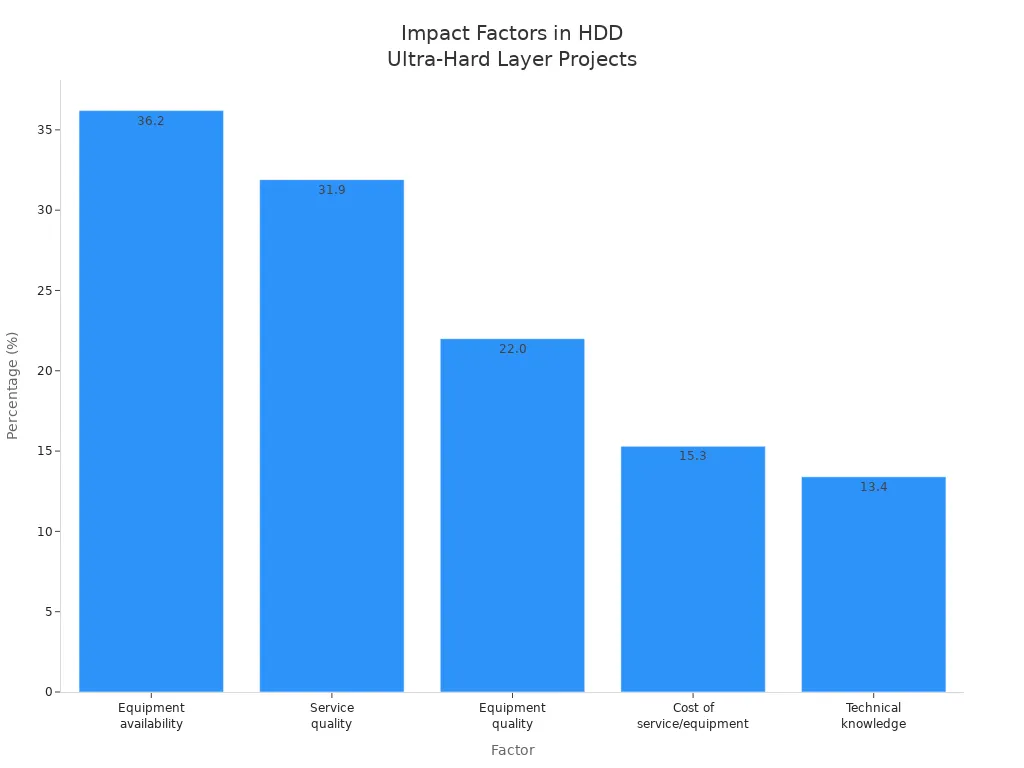
You get good results in ultra-hard layers by planning ahead. You must pick the right horizontal directional drilling machine for your job. The table below shows how equipment and service help your project do better:
|
Factor |
Percentage (%) |
|---|---|
|
Equipment availability |
36.2 |
|
Service quality |
31.9 |
|
Equipment quality |
22.0 |
You use advanced HDD techniques to help you succeed:
-
Mud motors work well in hard rock.
-
Specialized cutting heads make drilling easier.
-
High-torque drill rigs help with tough layers.
-
Drilling fluids optimization keeps things running smoothly.
You can ask CEGC for custom solutions and expert help.
FAQ
What is trenchless boring and why should you use it?
Trenchless boring puts pipes or cables underground. You do not dig big trenches. The ground stays safe and clean.
How do drilling processes change in ultra-hard layers?
You pick stronger tools for tough layers. You use more fluid to help drilling. You watch torque and speed to protect tools.
Why is pilot borehole creation important for rock breaking without blasting?
A pilot borehole guides the drill. It helps break rock without blasting. This keeps the project safe and under control.


