
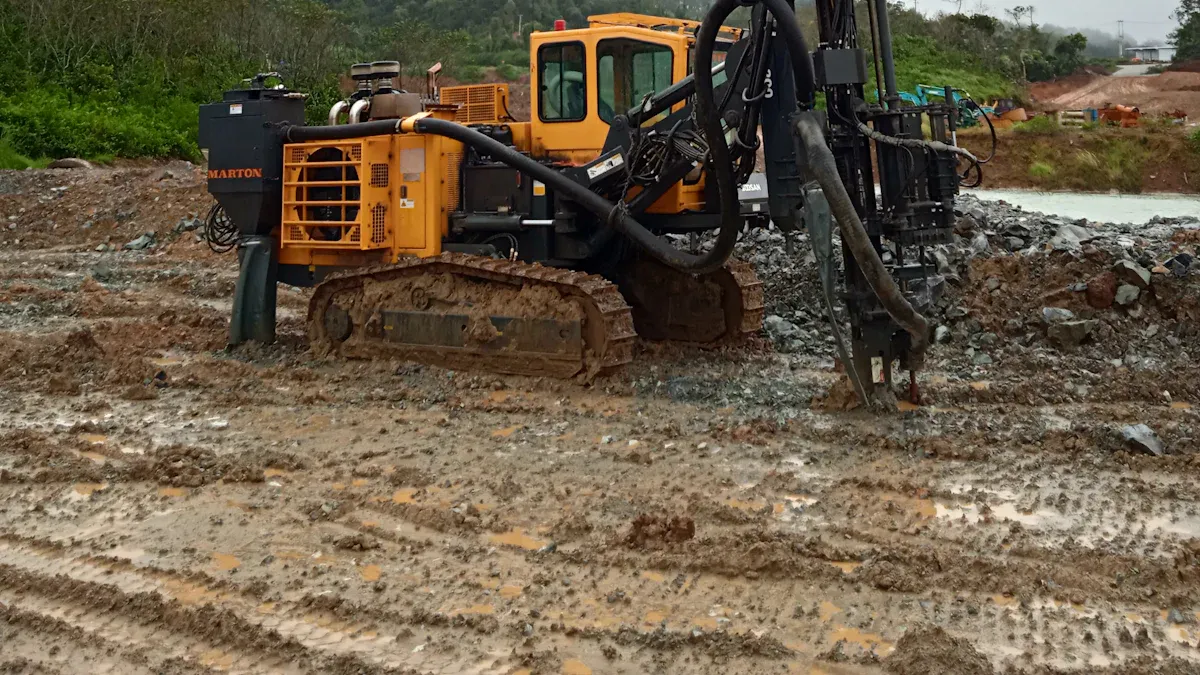
You need a Well Drilling Rig 45m Deep Power Handles Hard Rock for good work in hard ground. CEGC’s horizontal directional drilling machine technology solves problems like slow drilling, tools breaking fast, and the well hole not staying strong. Buyers often talk to makers for help after buying, to use the machine better, and to understand the equipment.
Key Takeaways
-
Pick the correct drilling rig for the depth and rock type. Hard rocks need more power and special tools to stop damage.
-
Use down-the-hole (DTH) hammers for drilling hard rock. They hit the rock and break it quickly.
-
Choose rigs with strong powertrains and anti-stall protection. These features help the rig work better and save time.
Well Drilling Rig 45m Deep Power Handles Hard Rock
Depth, Power, and Rock Type
When you plan a project that needs a Well Drilling Rig 45m Deep Power Handles Hard Rock, you must match the rig’s power to the depth and the type of rock. Hard rocks like granite or basalt need more force and special tools. If you use a rig with low power, you risk slow progress and tool damage.
You should know that hard rock drilling often uses a down-the-hole (DTH) hammer. This tool adds a hammering action at the drill bit. The hammer breaks the rock into small pieces. Compressed air then removes these chips. DTH drilling works well for hard and abrasive rocks. You can use diamond or carbide-tipped bits for the hardest layers. These bits last longer and keep the drilling speed high.
Tip: Always check the rock type before you choose your rig and bits. Harder rocks need more torque and stronger bits.
Drilling Methods and Rig Technology
You have several drilling methods to choose from for a Well Drilling Rig 45m Deep Power Handles Hard Rock. Each method has strengths and limits. The three main types are rotary, DTH, and horizontal directional drilling (HDD). The table below shows how they compare:
|
Drilling Method |
Advantages |
Disadvantages |
|---|---|---|
|
Rotary |
Good for large holes and high output. |
Works best in soft to medium rock. Needs big setup for angle drilling. |
|
DTH (Down-the-Hole) |
Needs less pull-down force. Works with high-pressure air. |
Needs heavy drill pipe and a strong tower. |
|
Horizontal Directional Drilling (HDD) |
Useful for trenchless projects and crossing obstacles. |
Needs special bits and fluids for hard rock. Slower in very hard rock. |
If you work in hard rock, DTH drilling often gives the best results. It keeps speed and power high, even in tough ground. Rotary drilling works well in softer layers. HDD, like the CEGC horizontal directional drilling machine, is best for trenchless jobs. It can cross roads, rivers, or railways without digging a trench. For hard rock, you may need special bits and fluid systems to keep the job moving.
Key Features: Powertrain, Durability, Mobility
A Well Drilling Rig 45m Deep Power Handles Hard Rock must have strong features to handle tough jobs. You want a rig with a high-torque powertrain, anti-stall protection, and good mobility. The table below lists key features and why they matter:
|
Specification/Feature |
Benefit |
|---|---|
|
Gives strong, steady force for deep drilling in hard rock. |
|
|
Variable Speed Control |
Lets you adjust speed for different rock layers. |
|
Four-Wheel Drive or Tracks |
Moves easily over rough ground and keeps the rig stable. |
|
Hydraulic System |
Runs the rig smoothly and controls pressure. |
|
Overload Protection |
Stops the rig from overheating and keeps it running longer. |
|
Spreads weight and stops the rig from sinking in soft ground. |
|
|
High Ground Clearance |
Helps the rig move over rocks and debris. |
|
Powerful Engines |
Gives the rig the energy it needs for hard jobs. |
|
Stability Design |
Keeps the rig steady, even on uneven ground. |
You also need to think about tool wear and fluid management. Hard rock wears out bits fast. You can use special additives like CMC or Guar Gum in your drilling fluid. These additives can cut bit wear by up to 70%. Good lubricants also help your tools last longer.
Note: Operators want less downtime and longer tool life. Choose rigs and fluids that help you drill more meters with fewer stops.
A Well Drilling Rig 45m Deep Power Handles Hard Rock from CEGC offers advanced features. You get precision guidance to keep your bore straight. Anti-stall systems protect your tools and rods. The rig works with many types of bits and fluids, so you can match your setup to the ground. With these features, you can drill deep and fast, even in the hardest rock.
Technical Solutions and Buying Guide
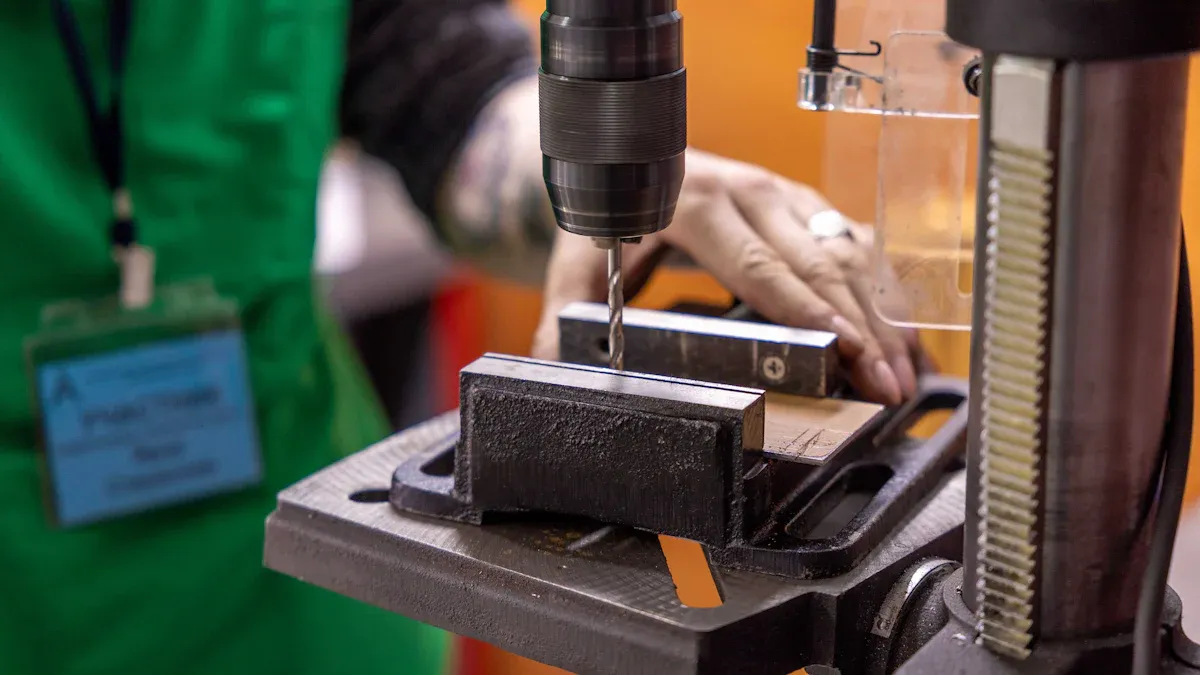
Precision Guidance & Stability
It is important to keep drilling straight in hard rock. CEGC rigs use smart guidance systems to help you drill in the right direction. These systems make a pilot hole first. You can steer the drill head as you work. The table below explains these features:
|
Feature |
Description |
|---|---|
|
Pilot Borehole Creation |
The drill makes a pilot hole to guide through rock layers. |
|
Steering in Rock |
The system moves the drill head with tracking tools for better aim. |
Modern geosteering helps you put wells in the right spot. Rotary steerable systems and gyro tools make drilling quicker and more exact.
Anti-Stall & Overload Protection
You need to keep your equipment safe from harm. CEGC rigs have anti-stall and overload protection. These features watch for too much force or shaking. The table below lists important safety features:
|
Safety Function |
Description |
|---|---|
|
Keeps drilling safe by setting limits. |
|
|
Stall and abnormal vibration detection |
Finds problems before they cause damage. |
|
Emergency stop logic |
Lets you stop the rig fast if needed. |
Anti-stick-slip tools help drilling stay smooth. They change how much force is used, so your bits last longer.
Tooling & Fluid Management
Picking the right tools and fluids makes drilling easier. For a Well Drilling Rig 45m Deep Power Handles Hard Rock, you need bits that work well in hard rock. Look for:
-
Fast drilling to finish sooner
-
Strong bits that last longer
-
Tools that fit your rig
Use good water-based fluids to keep the hole safe. Some rigs use special fluids with nanotechnology for better results.
Budget, Customization, and Support
You want a rig that fits your money and job needs. Tractor-mounted rigs for 45-meter wells cost about $6,000 to $7,000. CEGC lets you pick features for your project. Good support is important too. Look for:
-
Online help for quick answers
-
Easy ways to fix and check the rig
-
Training for your team
-
Clear warranty rules
Always talk to the maker about your project. Tell them the depth, rock type, and your budget. This helps you get the best rig for your job.
When picking a rig for deep hard rock, look at power and technology. You should also think about technical solutions. Some rigs have high-torque powertrains and anti-stall protection. These features help the rig work better and save money. Use this checklist:
-
Check how deep you need to drill and what rock is there.
-
Make sure the rig’s power and drilling method match your job.
-
Look at the rig’s features and what support you get.
Talking to the makers can help you make fewer mistakes. It also helps you pick the best rig for your project.
FAQ
What makes CEGC’s horizontal directional drilling machine good for hard rock?
You get high torque, anti-stall systems, and strong bits. These features help you drill deep and fast in tough rock.
How do you reduce tool wear when drilling hard rock?
Use the right bit for the rock. Add good drilling fluid. Check your tools often. These steps help your tools last longer.
Can you customize a rig for your project?
Yes, you can. CEGC offers project-based customization. You choose features that fit your drilling needs and budget.


