
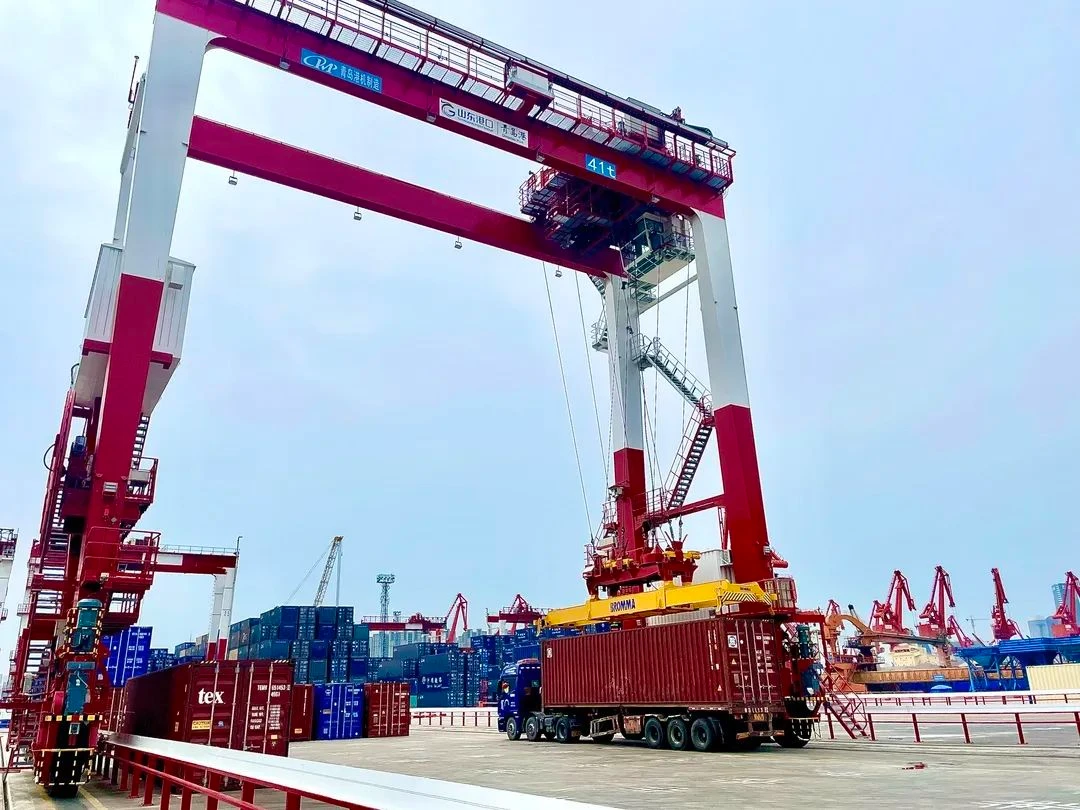
Path planning boosts Reach Stacker yard efficiency in real time. Effective scheduling and collaboration enhance safety and operational efficiency. CEGC’s project-based customization allows you to optimize the yard layout, significantly reducing travel times. By implementing path planning, Reach Stacker yard operations benefit from fewer restows, decreased emissions, and increased reliability. This approach is particularly advantageous for port authorities, terminal operators, and EPC contractors. Additionally, path planning simplifies predictions, lowers costs, and ensures safe operations within the Reach Stacker yard.
Key Takeaways
-
Path planning helps reach stackers work faster. It cuts down travel time and stops traffic jams in the yard.
-
A good yard layout makes the area safer. It also helps workers do more and move containers better.
-
Predictive maintenance stops machines from breaking down. This keeps things running well and saves money.
Path planning and efficient yard layout for reachstacker operations
What is path planning in container yards
Path planning helps you pick the best way for reachstackers to move. It helps you move containers fast and safely in the yard. Path planning looks at where containers are, the yard’s design, and other moving equipment. Good path planning means less travel time and no traffic jams. This makes work faster and machines last longer. It also lowers accident risks and keeps things running well.
Role of efficient yard layout in reach stacker efficiency
A good yard layout helps reachstackers work better. You want containers to be easy to get and move. A smart yard layout uses space well and keeps things moving. Here are some key points:
-
A good yard layout lets you store more and work faster.
-
Bad yard layouts make you move containers too much and travel too far.
-
The yard layout should match how your equipment moves.
-
Good traffic flow and buffer zones stop traffic jams and keep things steady.
You can see the main parts of a good yard layout for reachstackers in the table below:
|
Key Element |
Description |
|---|---|
|
Aisle Configurations |
Important paths in the yard that stop traffic jams and waiting. |
|
Buffer Zones |
Needed to handle busy times and extra containers. |
|
Equipment Pathways |
Clear and smart paths that fit how equipment moves. |
CEGC solutions for optimized yard layout
CEGC gives you ways to make your yard layout and container handling better. You can use special equipment that works with different container sizes and jobs. Smart dispatching keeps containers moving and cuts down on waiting. Predictive maintenance helps you find problems early and stop breakdowns. Energy-saving machines, like electric or hybrid ones, help you meet green goals. Smart computer programs help you pick the best times to use and fix equipment.
|
Solution Type |
Description |
|---|---|
|
Advanced Equipment |
Equipment that fits different sizes and jobs, making work easier and faster. |
|
Smart Dispatching |
Uses vehicles well to cut waiting and keep containers moving. |
|
Predictive Maintenance |
Watches for problems early so things don’t break and work stays safe. |
|
Energy Efficiency Measures |
Uses electric or hybrid machines to save energy and help the environment. |
|
Optimization Algorithms |
Computer programs that help you choose the best times to use and fix equipment. |
CEGC’s anti-sway systems keep containers steady when moving, making things safer and faster. Safety interlocks stop overloads and crashes. Good workflow and early maintenance mean less downtime and more reliable work. These features help you spend less time in the yard and make your reachstackers work better.
|
Evidence Description |
Impact on Load Sway, Collision Risk, and Safety Outcomes |
|---|---|
|
Sensors and anti-sway systems keep loads steady. |
Less load sway and safer moves. |
|
Anti-sway tech and training help move loads better. |
Fewer crashes and smoother work. |
|
Anti-sway and safety interlocks stop drifting. |
Fewer accidents and more reliable work. |
|
Smart tech and new systems cut down on sway. |
Loads stay steady and accidents happen less. |
|
Predictive maintenance and checks warn you early. |
Stops breakdowns and keeps things safe. |
|
New upgrades lower repair costs and make cranes work better. |
Safer work and lower insurance costs. |
You can also follow industry rules for safety and good yard layouts. These rules include making workspaces comfy, adding safety features, and working efficiently. When you do these things, you make container handling and reachstacker work better.
|
Aspect |
Description |
|---|---|
|
Makes workspaces comfy and easy for operators. |
|
|
Safety Features |
Adds safety steps to lower risks while working. |
|
Operational Efficiency |
Uses space well and cuts down on wait times to get more done. |
How path planning boosts reach stacker yard efficiency
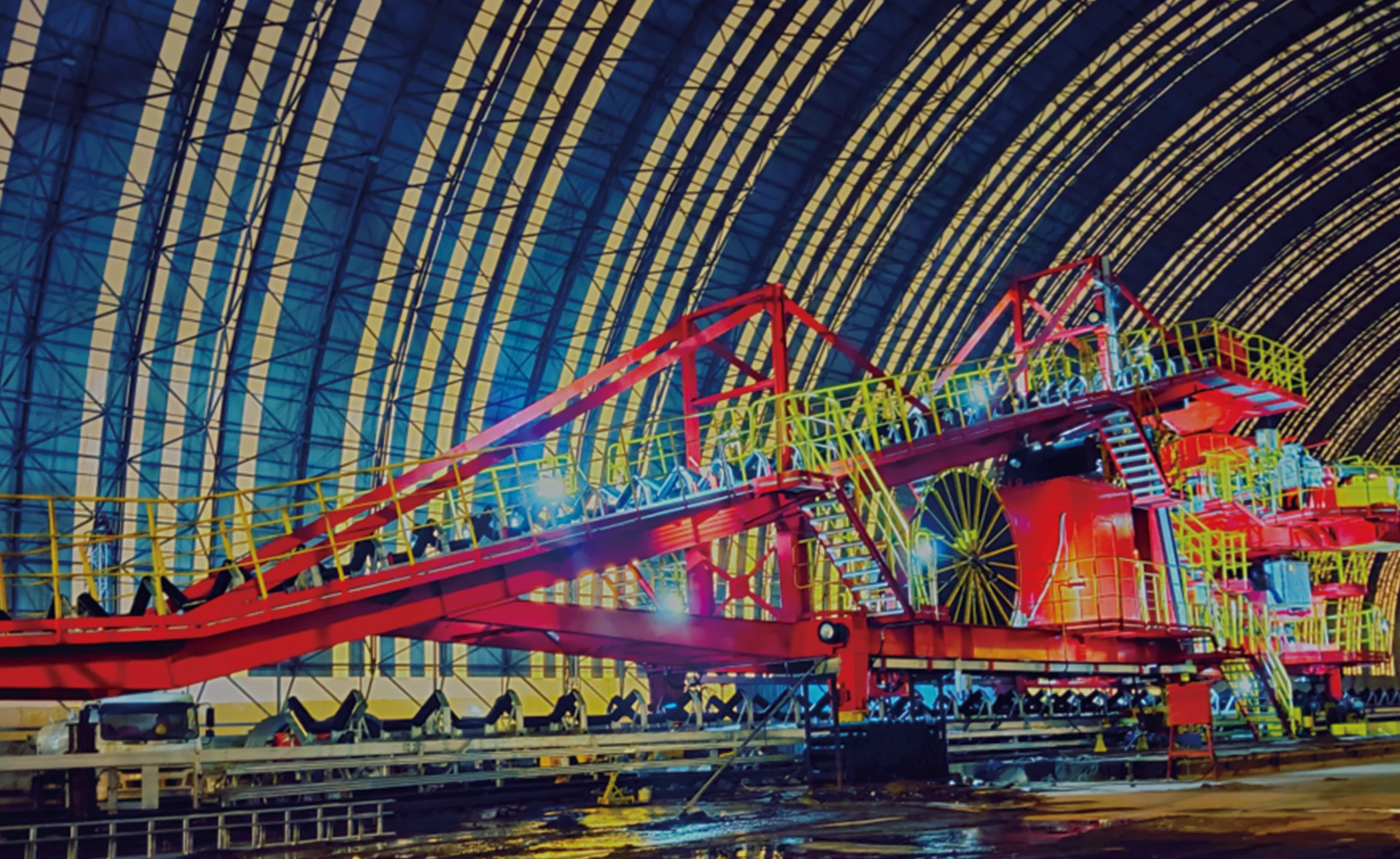
Optimizing equipment movement and reducing cycle time
Path planning algorithms help reachstackers work better and faster. These tools show the best way to move containers. They check where containers are, how heavy they are, and where they need to go. This makes equipment move smarter and saves time. Here is what these algorithms do for your yard:
-
Path planning algorithms help plan stacks and balance weight. This makes each reachstacker move more easily.
-
They use real-time data so you can make quick choices. This means containers move faster from one place to another.
-
Heuristics and meta-heuristics stop extra moves. Cranes and trucks do not have to wait as much.
When you use these tools, your yard gets more efficient and productive. You move containers in fewer steps. Your reachstackers work their best. Cycle times stay short, so your terminal does more work.
Minimizing congestion and empty journeys
Smart path planning keeps your yard running well. AI and automation help you spot delays and change routes before problems start. This keeps equipment moving and cuts down on empty trips. You save fuel and drivers feel less stress.
Plan reachstacker routes by looking at all the details. Think about traffic, fuel stops, and where containers go. Try to find backhauls so trucks come back with loads. Use multi-stop trips and combine loads to get more done. New dispatch tech and real-time data help you change plans fast. Keep everyone talking—drivers, brokers, and partners. Work with others to match loads with trucks. Always look for ways to get better. You can use dispatch services or platforms to help even more.
Here are steps to cut down on congestion and empty trips:
-
Use smart logistics software to find the shortest, best routes.
-
Make sure your routes fit important and urgent shipments.
-
Put small deliveries together to cut down on empty miles.
These ideas keep your reachstacker yard busy and efficient. You also save money and work better.
Enhancing safety and predictive maintenance
Path planning and automation make your yard safer and more reliable. CEGC gives you anti-sway systems and safety interlocks. These help you control containers when lifting and moving. They lower accident risks and keep your team safe. Automation helps you find problems early. Predictive maintenance tools watch for signs of trouble. You get alerts before things break, so you can fix them fast.
Operator controls let your team see alarms and equipment status. This helps everyone follow safety steps and keeps work steady. You can set up your system for your yard. Pick the right sensors, safety zones, and automation level. This means you get the best safety and performance for your reachstackers.
Practical examples and measurable results
You can see real changes when you use path planning in your yard. Many operators say they move more containers, spend less, and help the environment. The table below shows what you can expect:
|
Metric |
Result |
|---|---|
|
Throughput Increase |
5–7% for a 10% density gain |
|
Cost Reduction |
Reduced handling costs |
|
Sustainability Impact |
Lower carbon footprint |
You move more containers in less time. Your costs go down because you use less fuel and fix things less often. You also help the planet by making fewer emissions. CEGC gives you strong performance and lets you pick what you need. You can choose the right size, work cycle, and automation for your yard. This means you get the best results for your work.
When you use path planning, you get more efficient, productive, and safe. Your reachstacker yard works faster and better. You handle more containers and help your business grow.
Smart path planning and a good layout help reach stackers work better.
-
You can store more containers and stop traffic jams.
-
Safety gets better with clear aisles and marked spots.
-
The yard is easier to use with areas for many jobs.
|
Trend |
Description |
|---|---|
|
Electrification |
Electric models use less fuel and make less pollution. |
|
Digital Fleet Management |
Telematics and data help machines work smoothly. |
|
Cost Efficiency |
You get good results and spend less money. |
Pick CEGC for solutions you can trust and that fit what you need.
FAQ
How does path planning improve reach stacker safety?
Path planning helps you stay away from crashes and unsafe moves. You get easy-to-follow paths and fewer surprises. This keeps your team and machines safe every day.
Can you customize CEGC solutions for my yard?
You can pick the equipment size, how much automation you want, and safety features. CEGC lets you change things to fit your yard’s needs.
What maintenance benefits do CEGC systems provide?
-
You get early warnings when something starts to wear out.
-
Predictive maintenance tools help you fix problems before things break.
-
This means less downtime and you save money.


