
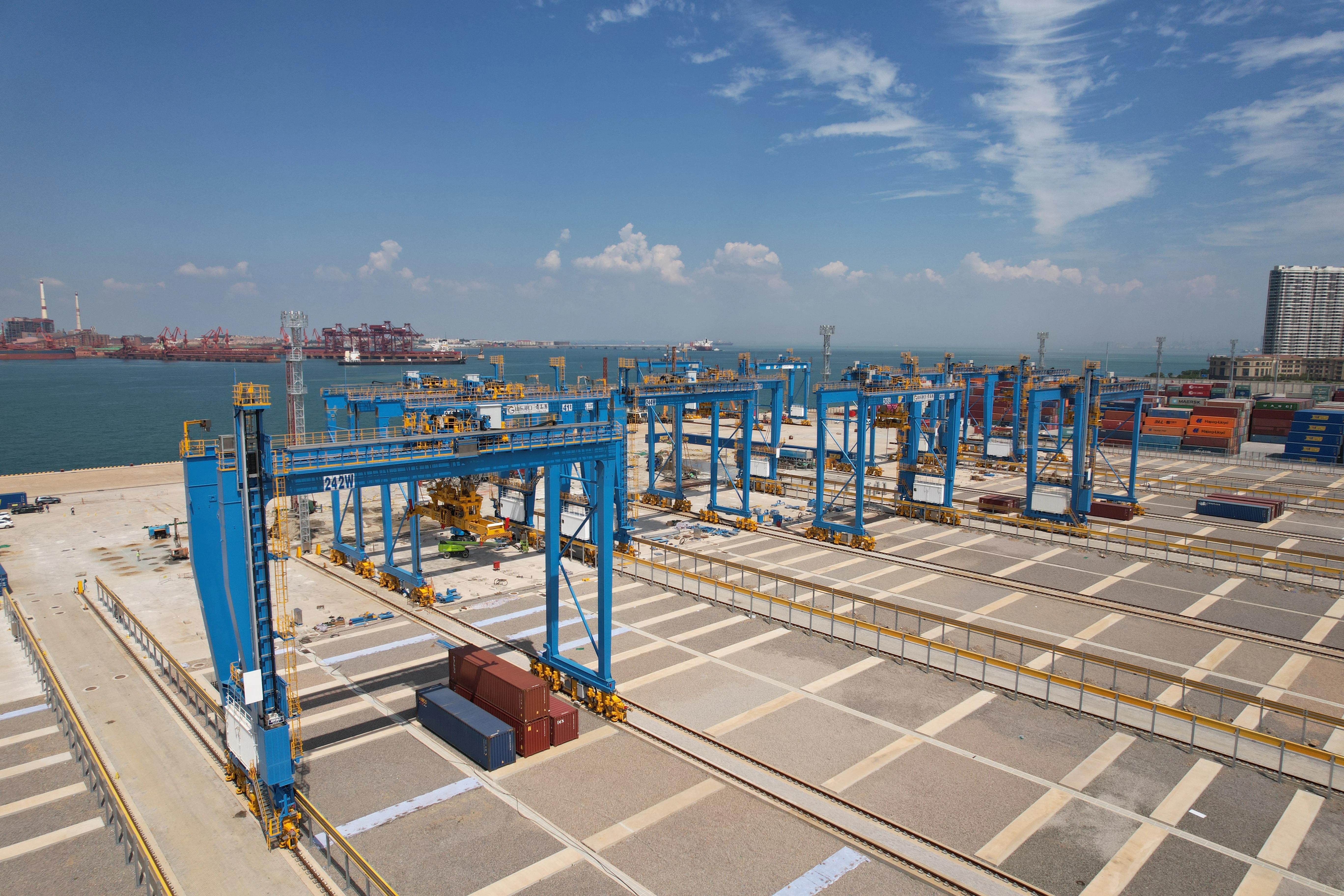
Container handler: limit protection reduces repair bills by preventing costly mistakes and minimizing downtime. Every day, you face challenges like container damage, safety concerns, and rising operational expenses. With CEGC, advanced limit protection ensures your container handler operates safely and efficiently, helping you avoid unnecessary repairs and maintain smooth port operations.
Container handler: limit protection reduces repair bills and keeps your port running at peak performance with CEGC solutions.
Key Takeaways
-
Limit protection systems stop accidents. This helps lower container repair bills and cuts down on downtime. - Anti-sway and overload protection features keep cargo safe. They also help reduce maintenance costs. - Training operators on best practices makes container handling safer. It also helps workers do their jobs better.
Container handler: limit protection reduces repair bills
Causes of Repair Bills in Container Handling
Container repair bills go up when containers get damaged. Many things can cause these costs. If containers are handled wrong during transit, importers and exporters pay more. Bad handling can happen at any time, like loading or unloading. Crew members, truck drivers, and terminal workers can damage containers. After unpacking, not clearing packing material can lead to extra charges. Shipping lines check containers for cleaning or fixing damage, which adds to repair bills.
Here is a table showing the most common causes of container repair bills in container handling operations:
|
Cause of Repair Bill |
Description |
|---|---|
|
Damaged containers can unexpectedly increase costs for importers and exporters due to mishandling during transit. |
|
|
Improper handling practices |
Damage can occur at any stage from loading to unloading goods, leading to repair costs being passed on to consignees. |
|
Various parties involved in supply chain |
Damage can occur at multiple points, including loading by crew members, transport by truck drivers, and handling at terminals. |
|
Container condition post-unpacking |
Ensuring the container is cleared of dunnage and packing material is crucial to avoid additional charges. |
|
Shipping line assessments |
Shipping lines charge for cleaning or damage rectification, which can be significant and is often avoidable. |
Operator mistakes are a big reason for repair bills. If hooking fails, especially when the spreader moves, containers can get damaged. Wrong stacking or bad handling by cranes and forklifts can dent or shift containers. These problems can make stacks fall and cargo spill.
-
Operator mistakes during crane work can damage containers, especially when the spreader moves and workloads are high.
-
Bad stacking or handling by cranes and forklifts can dent or shift containers, making them unsafe.
-
Stack collapses can cause cargo to spill or get lost.
Rules and standards also affect repair bills. Regulations like 393.126 for intermodal containers require safe cargo handling. Rules for different commodities change how companies handle containers and follow safety laws.
|
Regulation |
Description |
|---|---|
|
Specifies requirements for securing cargo within intermodal containers during transportation, impacting limit protection systems in container handling equipment. |
|
|
Commodity-Specific Securement Requirements |
Details securement requirements for various commodities, influencing industry practices and compliance with safety standards. |
How Limit Protection Prevents Damage
Limit protection systems help lower container repair bills. These systems fix the main causes of damage and make handling safer. Anti-sway systems use sensors and controls to keep loads steady. This stops tipping and accidents. Overload protection systems watch lifting force in real time. They stop lifting if the load is too heavy, so nothing breaks. Safety interlocks block crane actions when things are unsafe. This keeps operations safe and avoids mistakes.
-
Anti-sway systems keep loads steady, lowering the chance of tipping or hitting things.
-
Overload protection systems stop lifting if the load is too heavy, using sensors to check weight.
-
Safety interlocks block crane actions if things are unsafe, keeping everyone safe.
Overload protection systems always check the load weight. They stop lifting if the crane is overloaded, lowering the risk of breaking parts. Interlock logic stops unsafe actions. The crane only works when it is safe. Overload protection systems keep cranes from lifting too much, making sure everything stays stable and safe.
CEGC offers container handler: limit protection reduces repair bills with standard specs and custom options. You can pick sensor sets, anti-collision zones, safety backups, and certifications. CEGC’s container handler: limit protection reduces repair bills matches safety and anti-sway features with industry standards. Custom options let you fit your equipment to your port’s needs.
When you use container handler: limit protection reduces repair bills, you spend less on maintenance. You make your port safer and work faster. You avoid downtime and keep things running smoothly. CEGC’s container handler: limit protection reduces repair bills helps you follow rules and standards. You protect containers and cargo, and you save money on repairs.
Tip: Limit protection systems help you stop accidents, lower container repair bills, and keep your port working well.
Limit Protection and Safe Container Handling
Key Technologies and Features
You use smart technology to keep container handling safe. Limit protection systems have special features that stop accidents and lower repair bills. Anti-sway control uses computer programs to keep loads from swinging. This helps you place containers exactly where they need to go. Automatic speed and lift limitation changes how fast and high things move, depending on the load. This keeps everything steady. Predictive maintenance checks equipment health, so you can fix problems before anything breaks. Marine-grade durability keeps cranes safe from rust and bad weather. This makes your equipment last longer.
|
Technology |
Description |
|---|---|
|
Automated Sway and Motion Control |
Uses algorithms to minimize load swing for precise container handling. |
|
Automatic Speed and Lift Limitation |
Adjusts speed and boom movements based on load to maintain stability. |
|
Predictive Maintenance |
Monitors equipment health to prevent breakdowns and maintain efficiency. |
|
Marine-Grade Durability |
Uses corrosion-resistant materials and reinforced designs for reliable container handling. |
Hydropneumatic suspension helps cranes stay steady on rough ground. Automatic braking and obstacle detection use lasers to spot dangers and stop accidents. All these features work together to make container handling safer and more dependable.
Marine-grade cranes fight rust, handle heavy loads, and use strong hydraulic systems to keep working well for a long time.
Operator Best Practices
You are important for safe container handling. Operator-centered HMI designs help you watch and control equipment easily. Clear alarms and status screens help you avoid mistakes and stay updated. Ergonomic controls make it easier to work and help you stay alert. Training programs show you how to use limit protection features, so you can stop accidents and problems.
|
Study |
Findings |
Implications |
|---|---|---|
|
Aranburu et al. |
Usability testing improves monitoring and control. |
Well-designed HMI reduces errors and boosts safety. |
|
Wilson et al. |
Ergonomic HMI lowers fatigue and increases accuracy. |
Ergonomic designs improve operator performance. |
|
Jura et al. |
Eye tracking finds design flaws. |
Usability checks prevent mistakes in container handling. |
|
Chauhan et al. |
Iterative HMI design enhances efficiency. |
Better HMI supports safe and efficient container handling. |
You make container handling better by following best practices, learning new skills, and talking clearly with your team. CEGC lets you customize your workflows, so your port works the way you want. You get safer work, fewer problems, and better efficiency.
Benefits for Ports and Terminals
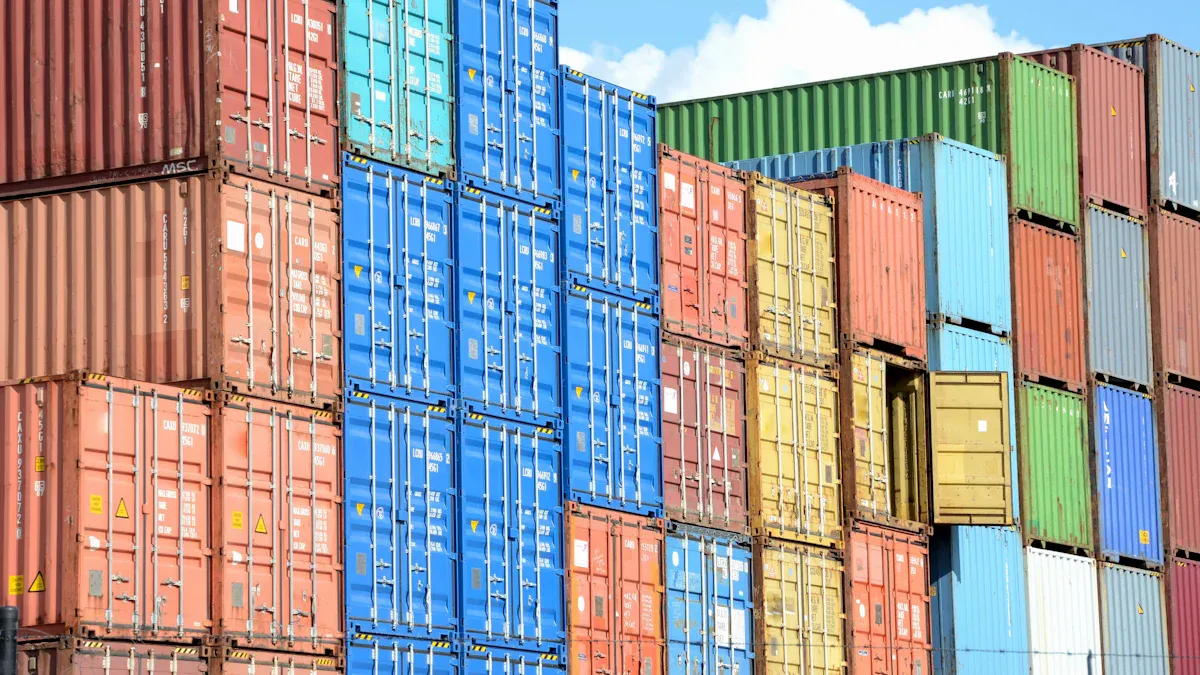
Cost Savings and Fewer Disputes
You want your port to work well and not waste money. Limit protection systems help you save money by stopping accidents before they happen. When you use things like anti-sway control and overload protection, you pay less for fixing damaged containers. These systems help stop cargo from getting damaged, so you have fewer claims and spend less time arguing with shipping lines or customers. You also save money on container maintenance because your equipment stays in better shape. CEGC’s container handling equipment lets you pick what your port needs, so you can keep costs down.
Tip: Fewer accidents mean less paperwork and faster work for your team.
Improved Safety and Uptime
You need good equipment to keep your port safe and working. Limit protection features help you stop accidents and protect cargo from damage. With these systems, you keep your team and cargo safe. You also get more uptime because your cranes and handlers do not stop without warning. This helps you save money and move more cargo. CEGC makes port machines that are strong and easy to fix, so you do not spend much time on repairs. You get equipment that meets market standards and can be changed for your port. Your port stays safe, works well, and is ready for anything.
Limit protection in container handlers helps you spend less on repairs and keeps your team safe. You can lower risks by using smart systems and doing things the right way. Always check containers when they arrive. Train your team so they know what to do. Use CEGC’s solutions for better safety. Pick CEGC if you want your port to handle containers well.
FAQ
How does limit protection help you reduce repair bills?
Limit protection helps stop accidents before they start. This means containers and equipment do not get damaged. You do not have to pay as much for repairs. Your port can keep working without problems.
Can you customize CEGC container handling equipment for your port?
|
Option |
Available? |
|---|---|
|
Sensor sets |
✅ |
|
Anti-collision zones |
✅ |
|
Safety backups |
✅ |
|
Certifications |
✅ |
What features make CEGC container handlers safe for your team?
-
Anti-sway control helps keep loads from moving.
-
Overload protection stops the crane from lifting too much.
-
Safety interlocks stop the crane if things are not safe.
-
Marine-grade durability keeps the machine strong against rust.


