
You can use pile driver 14000hr life duration controls for 14,000 hours. Regular maintenance and daily checks stop breakdowns. CEGC says you should check equipment often. These habits keep your pile driver safe. They also help you avoid expensive repairs.
Key Takeaways
-
Regular maintenance is very important. You should check your pile driver every day. This helps stop breakdowns and expensive repairs.
-
Use a clear inspection schedule. Check the pile driver every day, week, and month. These checks find problems early and keep everyone safe.
-
Lubrication and oil changes are needed. Keep all moving parts oiled. Change the oil when you are told to. This makes the equipment last longer.
Pile Driver 14000hr Life Duration Controls And Maintenance
Preventive Maintenance Essentials
You need a good plan to keep your pile driver working for 14,000 hours. Preventive maintenance helps you stop problems before they happen. It keeps your equipment safe. Always check your pile driver before you use it. Look for damage or worn parts. Lubrication helps parts last longer. Check the hydraulic system for clean oil and good filters. Store your pile driver in a dry place so it does not rust.
Tip: Follow the manufacturer’s schedule for maintenance. Keep records of training and maintenance. This helps you care for your pile driver and keeps it safe.
Here are the main things to check for preventive maintenance:
|
Component |
Description |
|---|---|
|
Hydraulic System |
Check fluid levels. Look for leaks. Test under load. Make sure it works right. |
|
Electrical System |
Check lights and controls. Make sure connections are tight and not rusty. |
|
Control Systems |
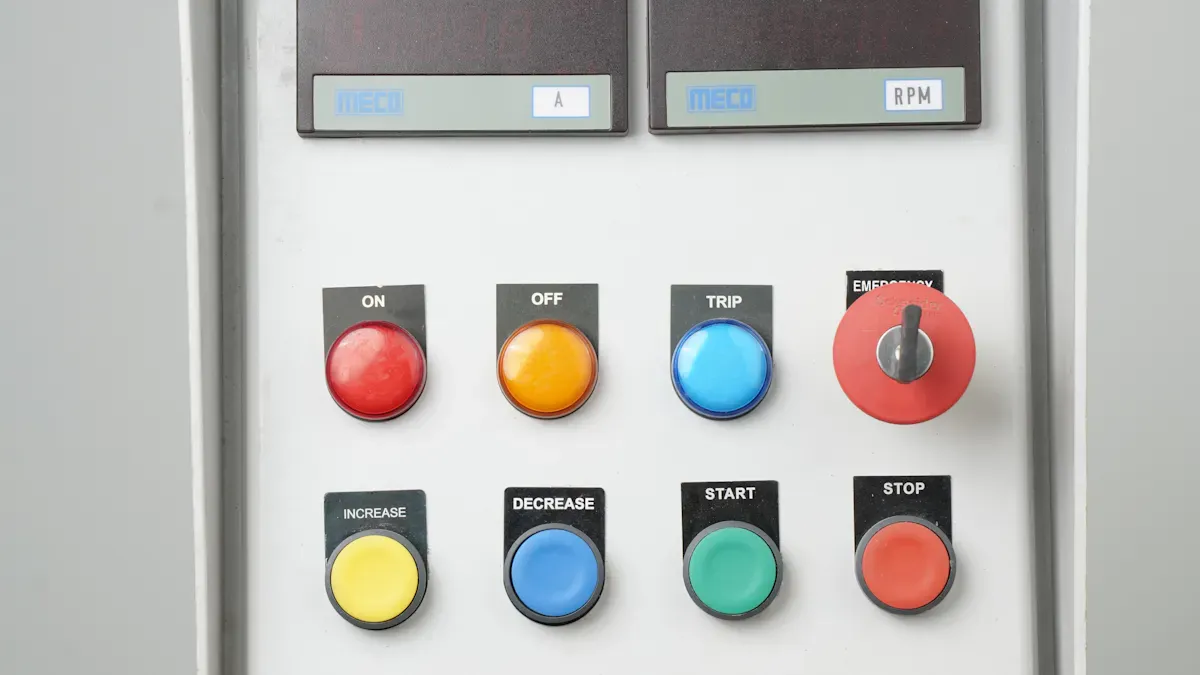
Test levers and buttons. Make sure they work well. |
|
Engine and Fluid Levels |
Check oil, coolant, and fuel. Clean or change air filters. |
|
Battery and Electrical |
Look at battery terminals for rust. Make sure connections are tight. |
|
Hammer |
Check for wear and misalignment. Lubricate it well. |
|
Leads |
Look for alignment and wear. Make sure they are attached tightly. |
|
Pile Caps |
Check for wear. Make sure they are attached tightly. |
|
Safety Devices |
Test emergency stop button. Check safety controls and sensors. |
|
Base Machine |
Look at the machine’s condition. Check stability and controls. |
|
Documentation |
Keep logs of inspections and training. Make sure you have records. |
|
Additional Checks |
Do weekly and monthly checks. Clean deeply, calibrate systems, and test performance. |
Preventive maintenance stops your pile driver from breaking down. A good plan helps your pile driver last longer and keeps your site safe.
Inspection Schedules And Intervals
You need to follow a clear inspection schedule. Inspections help you find problems early. They stop breakdowns. Regular checks make your pile driver work better and safer. If you skip maintenance, you can have fuel line problems, misalignment, or lubrication issues. These problems can hurt your equipment and put workers in danger.
Here is a simple checklist for daily, weekly, and monthly maintenance:
|
Frequency |
Maintenance Tasks |
|---|---|
|
Daily |
Clean the machine. Check fuel and oil. Lubricate points. Watch the instrument panel for problems. |
|
Weekly |
Tighten connections. Check brakes. Check pressure settings. Look for leaks. |
|
Monthly |
Take apart key parts. Check for wear. Replace seals and filters. Look for cracks on impact parts. |
Do weekly and monthly maintenance to keep your pile driver working well. These routines help you avoid sudden repairs and keep your equipment ready.
Note: Humidity and temperature change maintenance needs. High humidity causes rust. Extreme heat or cold can make hydraulic fluids thick or cause seals to break. Store your pile driver in a dry, climate-controlled place.
Lubrication, Oil Change, And Hydraulic Care
Lubrication is very important for pile driver 14000hr life duration controls. Lubricate moving parts often to stop wear. Oil changes keep the engine healthy. Change oil every 75-250 hours, as the manual says. Clean the gearbox breather to keep the system working well. Take care of the hydraulic system to keep your equipment safe and efficient. Check hydraulic fluid and filters often.
When you service a pile hammer, check for cracks. Replace seals and make repairs. Watch oil quality and change filters to stop failures.
Here are ways to fix common maintenance problems:
-
Lubricate all moving parts to stop wear.
-
Change oil and hydraulic fluids when needed.
-
Check and change filters to keep systems clean.
-
Store equipment in dry places to stop rust.
-
Keep logs of repairs and maintenance.
Follow these steps to care for your pile driver. Preventive maintenance, regular checks, and proper lubrication help you stop problems and make your equipment last longer. These steps keep your pile driver safe and lower emergency repairs. You will see better performance and spend less money over time.
A good preventive maintenance plan helps you know your costs. It lowers compliance risks and makes your equipment last longer. You can avoid surprise repairs and keep your pile driver ready for work.
Troubleshooting, Inspection, And Preventive Maintenance
Common Failure Signs And Causes
You can find pile driver problems early by looking for strange vibrations, slow movement, or damage to the pile or hammer. These signs often mean parts are not balanced, hydraulic fluid is low, or dampers are worn out. If you see these problems during daily or pre-operation checks, act quickly. Inspections help you stop failures and keep your equipment safe.
-
Strange vibrations when using the pile driver
-
Slow or weak performance
-
Damage you can see on the pile or hammer
Monthly checks and tests help you find problems before they get worse.
Solutions And Preventive Actions
Troubleshooting steps can fix common pile hammer problems. Stop the hammer right away if you think the piston and catch cap touch. Check the catch cap ring and fix it if needed. Do a dry drop at the start of each shift to clear oil or fuel. Check and set pressure to match what the manufacturer says. Look for worn or broken parts and replace them. Fix leaks and change seals. Watch alignment and use guide plates to care for your equipment. These steps help your equipment last longer and work better.
Operator Training And Equipment Care
Training operators is important for pile driver 14000hr life duration controls. Operators must learn to do pre-operation checks and use lubrication methods. Good training helps operators care for equipment and stop failures. Keep detailed records of maintenance. These records help with warranty claims and make resale easier. Documentation shows you follow maintenance schedules and fix problems on time.
Tip: Keep logs of inspections, repairs, and troubleshooting. This helps you track how your equipment works and fix problems fast.
You can make your pile driver last longer if you check it often. This also helps you avoid paying a lot for repairs. If you look at your pile driver early, you can find rust or worn parts before they get worse. Manufacturers say you should do these things: * Look at all the parts many times. * Make sure bolts are tight. * Check the cushion stack. * Talk with your team. If you start these habits now, you will save money and your pile driver will work for a long time.
FAQ
How often should you inspect your pile driver?
You should inspect your pile driver every day before use. Weekly and monthly checks help you find problems early and keep your equipment safe.
What is the best way to prevent rust on pile drivers?
Store your pile driver in a dry place. Clean it after each use. Moisture causes rust, so keep your equipment away from water.
Why is operator training important for pile driver maintenance?
Operator training teaches you how to spot issues and use proper care methods. Well-trained operators help your equipment last longer and work better.


