
You can get pile driver position 20000hr durability handles by following safety routines and careful prevention steps. Many problems happen because of uneven soil, bad setup, or hammer hits that are not straight. You should know that doing things like regular checks and operator training keeps you safe and helps handles last longer. Look at the table below to see common reasons for failure:
|
Cause of Premature Failure |
Description |
|---|---|
|
Heterogeneous Soil Conditions |
Different soil resistance can make driving uneven, which causes turning forces during driving. |
|
Improper Driving Setup or Lack of Templates |
If there is no guiding system, piles can turn when the hammer hits off-center, which makes them not line up right. |
|
Offset or Uneven Hammer Blows |
If the energy is not balanced, it can twist the pile and make it fail early. |
|
Pile Shape and Frictional Drag |
Shapes like H-piles can roll more easily because the soil sticks unevenly. |
|
Obstructions or Boulders |
Hitting hard things can make the pile twist and roll along its length. |
You should work on prevention to make handles last longer, stay safe, and protect your equipment. CEGC says you should always put safety first every day.
Key Takeaways
-
It is very important to check pile driver handles often. Look for cracks, worn spots, and leaks every day. This helps stop expensive repairs before they happen.
-
Use a checklist for maintenance each day. This makes sure every part works right. It also keeps your equipment safe to use.
-
Lubrication is needed for smooth working. Put the correct lubrication on moving parts. This helps your handles last longer.
Regular Inspections for Durability
You can keep pile driver handles safe by checking them often. This helps you avoid spending a lot of money on repairs. Finding problems early stops them from getting worse. Inspection is not just a quick look. You need to check every part of the handle and its systems carefully.
Regular maintenance inspections are planned checks. They help you see what needs fixing before something breaks.
Check for Cracks and Wear
You should look at the handle every day before you start work. Check for cracks, chips, or worn spots. Small cracks can get bigger fast and break the handle. Look for rust or anything that looks like it is wearing out. If you see damage, mark it and tell someone right away. Use a flashlight to see dark or hidden spots. A checklist can help you remember what to check.
-
Look for cracks along the handle.
-
Check for worn spots where parts connect.
-
Look for rust, especially after rain or in wet air.
Looking at the handle helps you find small problems early. You should not ignore even tiny signs of damage.
Detect Hydraulic Leaks
Hydraulic leaks can make the handle weak and unsafe. Check the joints and seals every time you inspect. Look for wet spots, drips, or oil. If you find a leak, clean the spot and watch it when the machine is working. Wipe the joints with a white cloth. If you see oil on the cloth, there is a leak.
-
Check hydraulic lines for cracks or loose parts.
-
Look at seals for swelling or damage.
-
Watch for puddles or stains under the machine.
Leaks make the handle less safe and can stop work. Fix leaks fast to keep the handle strong.
Inspection Schedule
You should follow a set schedule to check pile driver handles. Look at the handle every day. Do a deeper check every month. For monthly checks, take off the handle and look inside for cracks or wear. You can use a table to keep track of your checks:
|
Inspection Type |
Frequency |
What to Check |
|---|---|---|
|
Visual Inspection |
Daily |
Cracks, wear, rust, leaks |
|
Monthly Inspections |
Monthly |
Internal cracks, deep wear |
|
Full System Inspection |
Every 6 months |
Hydraulic lines, connections |
Write down what you find and what you fix each time. This helps you see if problems happen again.
-
Regular checks help you find small problems before they get big.
-
They keep you safe and help the machine work longer.
-
You also follow safety rules and avoid getting in trouble.
Checking your equipment is not just a job. It is a good habit that keeps everything safe. If you check often, your pile driver handles will last longer and you will save money.
Maintenance and Lubrication
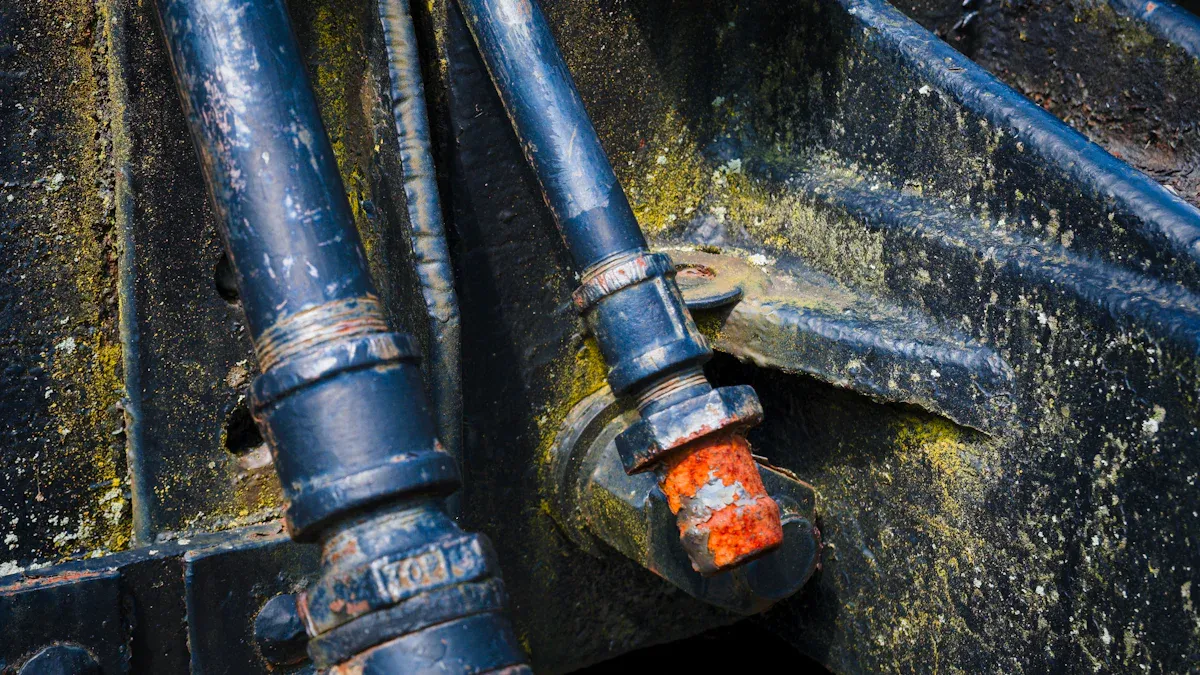
Taking care of your pile driver handles keeps them strong. You should follow a checklist every day. This helps you find problems early. Good care also makes the machine work better. When you look after your equipment, you save money and stop delays.
Lubrication is an important part of maintenance. It helps moving parts slide easily. Less rubbing means less damage. Handles last longer if you use the right lubrication. The machine also works better and smoother. Do not forget to lubricate during your daily routine.
Daily Maintenance Checklist
You need to use a checklist each day. The checklist shows you what to do. It helps you remember every step. You can print it and keep it close to your machine. A good checklist covers all the important parts.
Here is a sample maintenance checklist for pile driver handles:
|
Step |
Task |
Why It Matters |
|---|---|---|
|
1 |
Inspect handles for cracks |
Prevents sudden failure |
|
2 |
Check for rust or corrosion |
Stops long-term damage |
|
3 |
Look for hydraulic leaks |
Keeps system safe |
|
4 |
Test handle movement |
Ensures smooth operation |
|
5 |
Tighten bolts and nuts |
Prevents loose parts |
|
6 |
Apply lubrication |
Reduces friction |
|
7 |
Clean handles and area |
Removes dirt and debris |
|
8 |
Record findings |
Tracks maintenance history |
You should use this checklist before you start work. Each step helps the machine work better. If you see a problem, fix it right away. Do not skip any steps on the checklist. A full checklist keeps your equipment safe.
Tip: Use an app or notebook to track your daily checks. This helps you stay on top of your work.
A checklist is more than just a list. It helps you work safely and well. Go over the checklist with your team. Everyone should know what to do.
Lubricate Handles Properly
Lubrication is one of the most important steps. You need to use the right kind for your handles. Check your manual to find the best lubrication. Put lubrication on all moving parts. This step helps handles last longer.
Add lubrication to your checklist. Make sure you cover every spot. Use a grease gun or oil can for even coverage. Wipe off old lubrication before adding new. This keeps dirt away and helps the machine work better.
-
Put lubrication on joints and pivots.
-
Check for dry spots or squeaks.
-
Use just enough lubrication.
Lubrication also stops rust. It makes a shield that keeps water out. Check lubrication levels every day. Add more if you need to. Good lubrication is an easy way to help your machine.
Note: Too much lubrication can bring in dirt. Only use what you need.
Teach your team how to lubricate the right way. Everyone should know how to do it. Lubrication is always on your checklist.
Secure Connections
Loose parts can cause big trouble. You need to check all bolts, nuts, and fasteners every day. This step is on your checklist. Tight parts keep the handle safe and steady. Loose parts can cause accidents or break the machine.
Use a wrench to test each bolt and nut. If you find a loose one, tighten it right away. Mark any parts that need more care. Add this step to your daily checklist. Tight connections help the machine work better.
-
Check all bolts and nuts.
-
Look for worn spots around connections.
-
Change out broken fasteners.
Check connections during your monthly checks too. Use your checklist to keep track of what you check. Write down any repairs you make. This helps you see problems before they get worse.
Safety Alert: Never use the pile driver if you find a loose or missing part.
A good checklist always has connection checks. Make this a habit. Tight connections keep your equipment and team safe.
A strong maintenance routine uses a checklist every day. Lubrication and tight connections are important steps. These actions help your pile driver handles last up to 20,000 hours.
Preventative Pile Driver Maintenance
Replace Worn Components
You must check for worn parts during pile driver maintenance. Worn handles or connections can lower performance and cause piles to fail. Replace any part that shows cracks, rust, or wear. Do not wait for a breakdown. You keep piles safe and strong when you swap out old parts. Always use the right parts for your machine. This keeps performance high and helps you reach 20,000 hours of use. Store spare parts in a dry place. Good storage stops rust and damage.
System Checks
You need to run system checks as part of pile driver maintenance. Test the hydraulic system, controls, and all moving parts. Watch for leaks or strange sounds. Check piles for straightness and alignment. System checks help you spot problems before they stop your work. Use a checklist for each step. Scheduled maintenance should include these checks. You keep performance steady and avoid big repairs. Operator training helps you do system checks the right way. You should also check storage areas for leaks or hazards.
Tip: System checks keep piles and handles working at top performance.
Maintenance Records
You must keep records for every pile driver maintenance task. Write down what you check, fix, or replace. Good records show when you did scheduled maintenance. You can see patterns and plan for future work. Records help you track piles and their performance over time. Use a notebook, app, or chart. Share records with your team. This helps everyone follow the same plan. Maintenance records support a strong care program. They help you reach long service life and safe performance.
-
Regular records help you prove you did pile driver maintenance.
-
You can spot problems early and keep piles working well.
-
Good records make scheduled maintenance easy to follow.
A strong pile driver maintenance plan uses these steps. You protect piles, boost performance, and save money. You also keep your team safe and your equipment ready for work.
Operator Training and Pile Driving Safety
Best Practices for Handle Use
You need good training to use pile driver handles well. Training helps you stay safe and avoid accidents. You should learn in class and by doing the job. The best training mixes practice with safety lessons. Check this table to see how you can get better at handling and stopping accidents:
|
Training Component |
Duration |
Description |
|---|---|---|
|
On-the-Job Training (OJT) |
7,000 hours |
You get real experience on construction sites with help from experts. |
|
Classroom Instruction |
640 hours |
You learn rules, safety steps, how to measure loads, and how machines work. |
|
Safety Training |
Integrated |
You get OSHA cards, learn First Aid, CPR, and special safety steps for pile driving. |
You should always wear your safety gear when you use pile driver handles. This habit helps stop accidents and keeps you ready for danger. You must handle the equipment carefully to keep everyone safe.
Daily Care Responsibilities
You help stop accidents every day. You should check the pile driver before you use it. Make sure all parts work and nothing is loose. Here are your main jobs for safety and handling each day:
-
Check the pile-driving machines before you use them to make sure all parts work right.
-
Make sure operators have learned how to use the equipment and stay safe.
-
Keep a safe space between the machine and other workers to stop injuries.
-
Watch for too much shaking or noise to follow the rules.
-
Plan where things go so you do not waste time or move heavy machines too much.
-
Pick the right pile driver for the job and the ground.
-
Take care of the machine, hammers, and other parts so they do not break.
You should always watch for things that could cause accidents. Good handling and daily checks help you stay safe and keep the machine working well.
Safety Protocols
You must follow safety rules to stop accidents and keep everyone safe. These rules help you handle things safely and put the pile driver together the right way. Look at this table and use these steps every day:
|
Safety Protocols |
|---|
|
Keep a dry chemical fire extinguisher on site. |
|
Keep the site clean and neat to stop injuries. |
|
Make sure ladders are strong and have side rails that go 36" above the landing. |
|
Put salt on walkways when it is icy to stop slips. |
|
Store things safely so they do not fall or slide. |
|
Do not swing heavy loads over people when moving things. |
|
Check slings and rigging before you use them. |
|
Check crane or hoist controls before you start. |
You should always check your safety gear before you use equipment. You must look at safety tools and keep the site clear to stop accidents. These steps help you stay safe and avoid accidents when using the pile driver.
Tip: You can stop accidents by following safety rules and being careful every day.
Troubleshooting Handle Issues
You can solve most pile driver handle problems if you know what to look for. Handle issues often start with small signs. You should check for loose parts, strange noises, or shaking. These signs show that something needs fixing. The table below shows common handle issues and their root causes:
|
Handle Issue |
Root Cause Description |
|---|---|
|
Piston and Catch Cap Contact |
Violent shift in hammer's hitting frequency; requires inspection and potential repair of the catch cap. |
|
Lack of Proper Lubrication |
Increased friction and heat leading to hammer bore pitting and cracks; essential for smooth operation. |
|
Cushion Stack Insufficiently Pre-Loaded |
Degraded cushion stacks reduce energy absorption, risking damage to hammer parts. |
|
Pile-Hammer Misalignment |
Misalignment can cause severe damage to both the pile and hammer, affecting operational efficiency. |
Fix Loose Handles
Loose handles can cause accidents. You should check bolts and nuts every day. Use a wrench to tighten any loose parts. If you see worn spots, replace them. Clean the area before you start. Make sure the handle sits straight. You can stop problems early by fixing loose handles right away.
Tip: Mark loose bolts with colored tape so you remember to check them again.
Address Noises and Vibrations
Strange noises or shaking mean trouble. You should listen for clanking, squeaks, or rattles. These sounds often come from dry joints or misaligned parts. Add lubrication if you hear squeaks. Check alignment if you feel strong vibrations. You can use a checklist to track noises and fix them fast.
-
Listen for new sounds each day.
-
Check for shaking during operation.
-
Lubricate moving parts if needed.
When to Call a Professional
Some problems need expert help. You should call a professional if you see deep cracks, broken parts, or leaks that do not stop. If the handle moves oddly or the machine stops working, get help. Professionals can fix big issues and keep your equipment safe.
Safety Alert: Never use a pile driver with serious handle damage. Always ask for expert repair.
You can make pile driver position 20000hr durability handles last longer by following a good routine. Try these steps:
-
Check your equipment and handles many times.
-
Put lubrication on moving parts every day.
-
Teach your team about safety and how to care for handles.
-
Talk clearly with your team.
-
Fix or upgrade pile driver position 20000hr durability handles when needed.
A good routine helps pile driver position 20000hr durability handles last longer and keeps everyone safe. You keep your equipment in good shape and make the job safer when you take care of pile driver position 20000hr durability handles each day.
FAQ
How often should you inspect pile driver handles?
You should inspect handles every day before work. Monthly and six-month checks help you find hidden problems early.
What type of lubrication works best for pile driver handles?
You should use the grease or oil recommended in your machine’s manual. This keeps parts moving smoothly and prevents rust.
When should you replace a pile driver handle?
Replace the handle if you see deep cracks, heavy rust, or if it feels loose after tightening. Safety comes first.


