
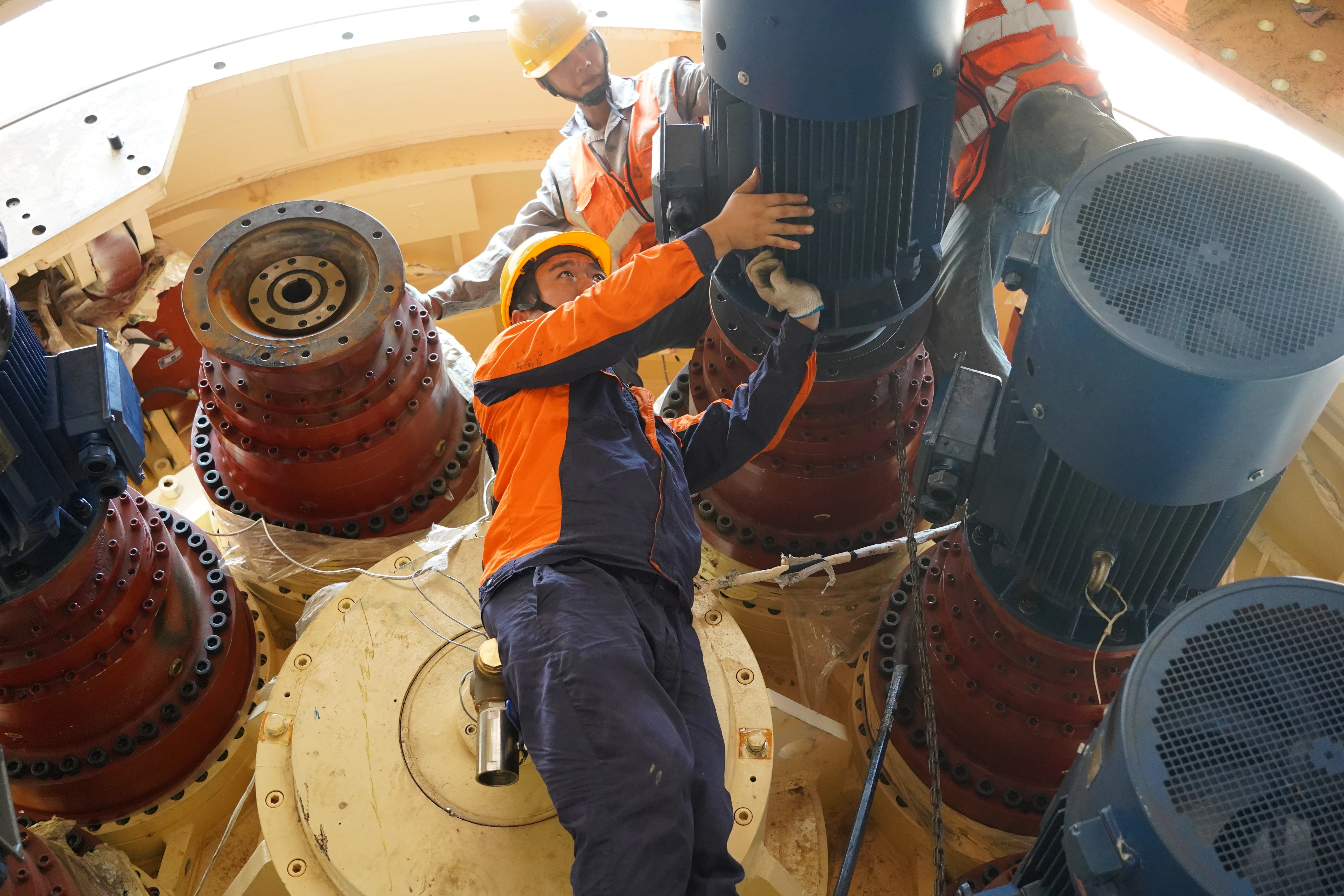
You need to use the same pressure to drive piles straight and safe. Where you stand and how you hold the handle matter a lot. Good technique and checking often help stop equipment issues. Think about this: How do you keep each pile safe on a busy site? CEGC says you should learn Pile Driver Position Even Pressure Handles well.
Key Takeaways
-
Push down on the pile driver handles with the same force. This keeps the piles straight and steady. It stops them from leaning and makes the base strong.
-
Look at how you hold the handles and stand often. Hold the handles tight but not too hard. Stand the right way to stay in control and balanced when you work.
-
Check and take care of your tools often. This helps the pile driver work well. It also lowers the chance of using uneven pressure.
Even Pressure Principles for Pile Drivers
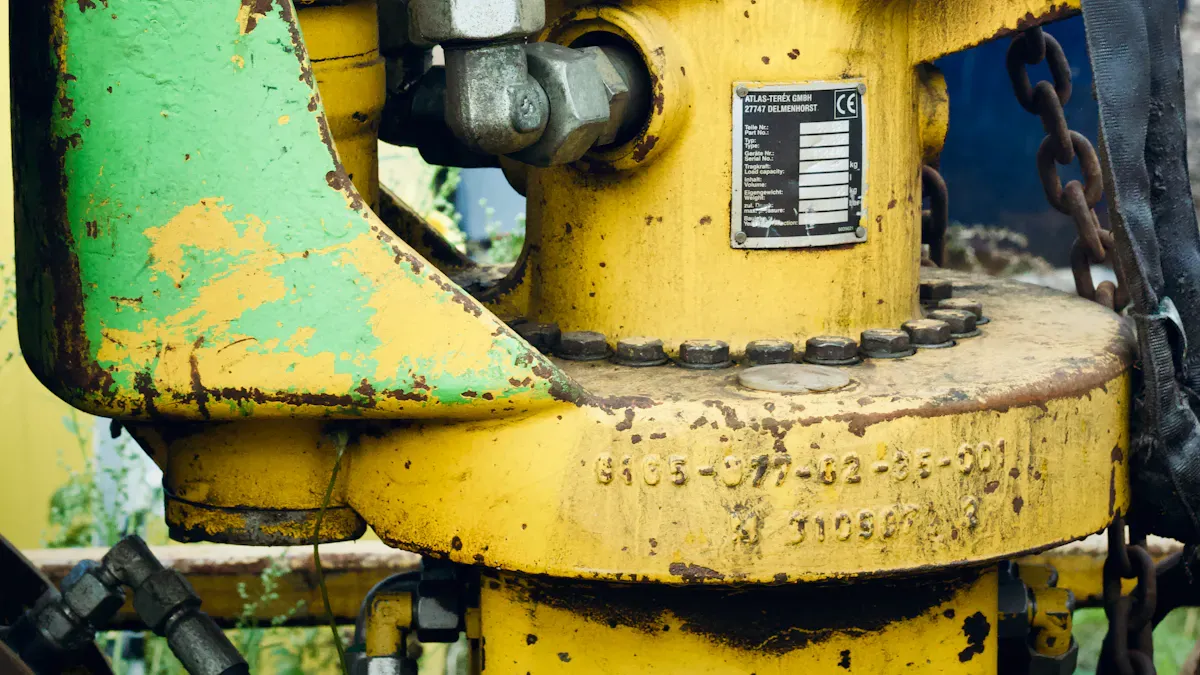
Defining Even Pressure
You need to understand what even pressure means before you operate pile drivers. Even pressure happens when you apply the same force across the handle and the pile. This keeps the pile moving straight down without tilting or shifting. If you press harder on one side, the pile can lean or twist. You want to keep your hands steady and your grip balanced.
Tip: Check your hand position often. Make sure both hands push with equal strength. This helps you avoid mistakes that can lead to uneven piles.
Impact on Pile Stability
Even pressure plays a big role in keeping piles stable. When you use pile drivers with steady force, the pile stays upright and secure in the ground. Uneven pressure can cause the pile to move off-center. This makes the structure weaker and less safe. You can spot problems early by watching how the pile moves as you drive it. If you see it start to lean, stop and adjust your grip or stance.
-
Always watch the pile’s movement.
-
Adjust your position if you notice any tilt.
-
Use slow, steady motions for best results.
You help create strong foundations when you focus on even pressure. This simple step keeps your work safe and reliable.
Pile Driver Position and Operator Technique
Aligning Equipment
You must check the alignment of your pile driver before you start. Good alignment keeps the pile moving straight and helps you use even pressure. Stand behind the machine and look at the pile from different angles. Make sure the pile lines up with the marks on your equipment. If you see any tilt, adjust the pile driver position even pressure handles until everything matches. This step helps you avoid mistakes and keeps your work safe.
Operator Stance and Movement
Your body position affects how you control the pile driver. Stand with your feet shoulder-width apart. Keep your back straight and bend your knees a little. Hold the handles firmly, but do not grip too tight. Move your hands together and keep your arms relaxed. This stance gives you better balance and helps you apply even pressure. If you need to change direction, shift your weight slowly and keep your eyes on the alignment.
Adjusting for Site Conditions
Every job site is different. You need to watch for changes in soil and weather. These changes can affect how the pile moves. Pay attention to blow counts, penetration rates, and how the hammer works. If you notice the pile slows down or stops, you may need to change your technique. Sometimes, you must adjust the driving criteria or use pre-drilling to keep the pile straight.
-
Watch the pile during installation.
-
Change your approach if the pile does not move as expected.
-
Check the alignment often to keep control.
By focusing on pile driver position even pressure handles and careful alignment, you can adapt to any site and keep your piles secure.
Even Pressure Handles: Operation Best Practices
Handle Grip and Control
You need to start every installation with the right grip. Place both hands on the handles so your thumbs point forward. Keep your wrists straight. This position gives you better control and helps you use the same force on both sides. If you hold the handles too tight, your arms will get tired fast. If you hold them too loose, you might lose control during installation. Find a grip that feels firm but relaxed.
You should check your grip often. During installation, your hands can slip if you sweat or if the handles get dirty. Wipe the handles clean before you begin. Wear gloves with good grip. This small step keeps your hands steady and helps you follow the pile driver position even pressure handles method. When you use the right grip, you keep the pile moving straight and avoid mistakes.
Smooth Movements
Smooth movements are key for every installation. You should push and pull the handles in one steady motion. Do not jerk or twist the handles. Sudden moves can cause uneven pressure and make the pile lean. Move your arms together and keep your shoulders relaxed. This helps you keep the pile driver position even pressure handles steady.
You can practice smooth movements before you start the real installation. Try moving the handles slowly up and down. Feel how the machine responds. If you notice any shaking or bouncing, slow down and adjust your speed. Smooth movements help you keep the pile straight and make the installation safer.
Tip: If you feel the pile start to tilt, stop and reset your position. Take a deep breath and start again with slow, even pressure.
Real-Time Adjustments
Every installation is different. You need to watch the pile and the ground as you work. If you see the pile start to move off-center, adjust your grip or stance right away. Do not wait until the pile leans too much. Small changes can fix the problem before it gets worse.
You should also listen to the sound of the machine. If you hear a change in noise, check the handles and the pile driver position even pressure handles. Sometimes, the ground gets harder or softer during installation. You may need to change your force or speed. Stay alert and make quick adjustments to keep the pile straight.
Industry standards say you should follow best practices for handle control and maintenance. Here is a table with some tips you can use for every installation:
|
Description |
|
|---|---|
|
Regular inspections |
Check your pile driver before and after each installation. |
|
Preventive maintenance |
Follow the schedule from the manufacturer for all maintenance tasks. |
|
Lubrication |
Add oil to moving parts often to reduce friction and wear. |
|
Operator training |
Learn the right way to use and care for your pile driver position even pressure handles. |
|
Record keeping |
Write down all maintenance, repairs, and problems you find during installation. |
You can keep your equipment working well by following these steps. Good maintenance and real-time adjustments help you finish each installation safely and with even pressure.
Pile Hammer Maintenance for Consistent Pressure
Hydraulic Fluid Checks
Check the hydraulic fluid every day before you start. If the fluid is low, the pile hammer can lose power. This can make the pressure uneven. Always use the right hydraulic oil for your machine. The oil should not rust, work in hot weather, and flow in cold weather. If you hear a hissing or whining sound, stop right away. Check for leaks because these sounds mean there is a problem.
Inspecting Hoses and Connections
Look at all hoses and connections before you use the pile hammer. If hoses or fittings are damaged, you might see cracks or leaks. These problems can make the hose burst and lose pressure. Watch for these signs:
-
Cracks or cuts on hoses
-
Wet spots or oil around fittings
-
Loose or worn connections
If you see any of these, change the parts right away. This keeps your pile hammer working well.
Lubrication and Moving Parts
Lubrication helps moving parts work smoothly. If you do not use enough, parts can wear out fast. This can cause the pile hammer to break. Always follow the manufacturer’s rules for lubrication. Here is a simple guide:
|
Lubrication Practice |
Description |
|---|---|
|
Hydraulic Fluid |
Needed for hammer and leads. Check for leaks. |
|
Engine Oil |
Watch levels and quality to avoid engine damage. |
|
Engine Coolant |
Keep at the right level to stop overheating. |
|
Bleed Hydraulic System |
Remove air as the manual says for smooth work. |
|
Use Proper Hydraulic Oil |
Pick oil that works in all temperatures and fights rust. |
Monitoring Performance
Keep watching your pile hammer while you use it. Listen for strange sounds or look for odd movements. If you notice something is wrong, stop and check the pile hammer. Good maintenance helps you find problems early and keeps pressure even. Always follow the manufacturer’s instructions to keep your pile hammer safe and working well.
Common Mistakes and Solutions
Uneven Pressure from Poor Position
Piles can lean or move during installation. This happens if you stand in the wrong place. It also happens if you do not line up the equipment right. Hammer-pile misalignment is a main reason for uneven pressure. If you skip checking alignment, the pile may go off-center. You should always stand behind the pile driver. Look at the pile from different sides. If you see a tilt, stop and fix your position. Many pile hammer problems start with bad alignment and poor stance.
Tip: Always check your alignment before you start. This easy step helps you avoid bigger problems later.
Handle Overcorrection
Sometimes, you might react too fast if the pile leans. Quick or jerky handle moves can make things worse. Overcorrection causes more hammer-pile misalignment. It can even hurt the pile. You should use slow and steady moves to stay in control. If you feel the pile shift, stop and fix your grip. Troubleshooting handle control means you practice smooth moves and stay calm.
Here are some common operator mistakes that cause uneven pressure:
-
Using the wrong hammer for the job
-
Bad pile alignment
-
Overdriving or underdriving
-
Skipping equipment checks
-
Not using test piles
-
Not keeping good records
Knowing these mistakes helps you focus on troubleshooting. It also helps you not make the same mistakes again.
Ignoring Maintenance Signs
If you ignore warning signs from your equipment, you can get many pile hammer problems. If you hear odd sounds or see leaks, you need to stop and check the machine. Skipping checks or missing maintenance can cause uneven pressure and unsafe work. Troubleshooting starts with regular checks and listening to your pile driver. Keep a log of all repairs and problems. This habit helps you see patterns and fix issues early.
Remember: Good troubleshooting keeps your equipment safe and your piles straight.
Safety Tips for Pile Drivers
Pre-Operation Checks
You need to check the pile driver before you start work. These checks keep you and your team safe. They also help you finish jobs faster and avoid problems. Look at every part of the machine to make sure nothing is broken or leaking. Check the handles, hoses, and hammer for any damage. Make sure you have learned how to use the pile driver safely. Keep other workers away from the machine when you use it. This helps stop accidents on busy sites. Always check how the hammer works so you do not overload it. This keeps the piles strong and steady. Do regular maintenance and watch for problems early.
-
Look for leaks or damage on all parts.
-
Make sure you have the right training.
-
Keep people away from the pile driver.
-
Take care of the machine often.
-
Test the hammer before you start.
Note: Doing these checks helps the machine work well and keeps the job moving.
Safe Shutdown Procedures
You must follow safe steps when you finish using the pile driver. Put the hammer down on the ground. Turn off the engine and lock the controls. Take out the key and put it somewhere safe. Make sure no one is in the area before you leave. Always wear your safety gear when you work. Set up safe zones to keep people away from falling things. Have emergency plans ready and practice them with your team. Good shutdown steps keep the site safe and help the machine last longer.
Ongoing Training
You need to keep learning to stay safe and do a good job. Go to safety meetings and training classes often. Learn about new machines and safety rules. Wear ear protection and other safety gear. Talk with your team about safety checks and any problems you see. Training all the time helps you not make mistakes and keeps the work going well. When you focus on learning, you help everyone stay safe and work better.
Tip: Training and talking with your team make the site safer for everyone.
You can keep piles straight if you check alignment often. Use steady handle control every time you work. Follow your maintenance routines to help the machine last longer. Training makes you work faster and keeps you safe. Look at the table below to see how these steps help:
|
Action |
Result |
|---|---|
|
Crew training and checklists |
|
|
Routine equipment checks |
Better site readiness |
|
Team safety focus |
Improved performance |
Doing regular checks and training all the time helps you build strong foundations.
FAQ
How often should you check pile driver alignment?
You should check alignment before every use and after any adjustment. This habit helps you keep piles straight and prevents uneven pressure.
What gloves work best for handle grip?
You should use gloves with a non-slip surface. These gloves help you hold the handles firmly and reduce hand fatigue.
Can you fix a leaning pile during installation?
-
Yes, you can stop and adjust your stance or grip.
-
Realign the pile driver and apply even pressure to correct the tilt.


