
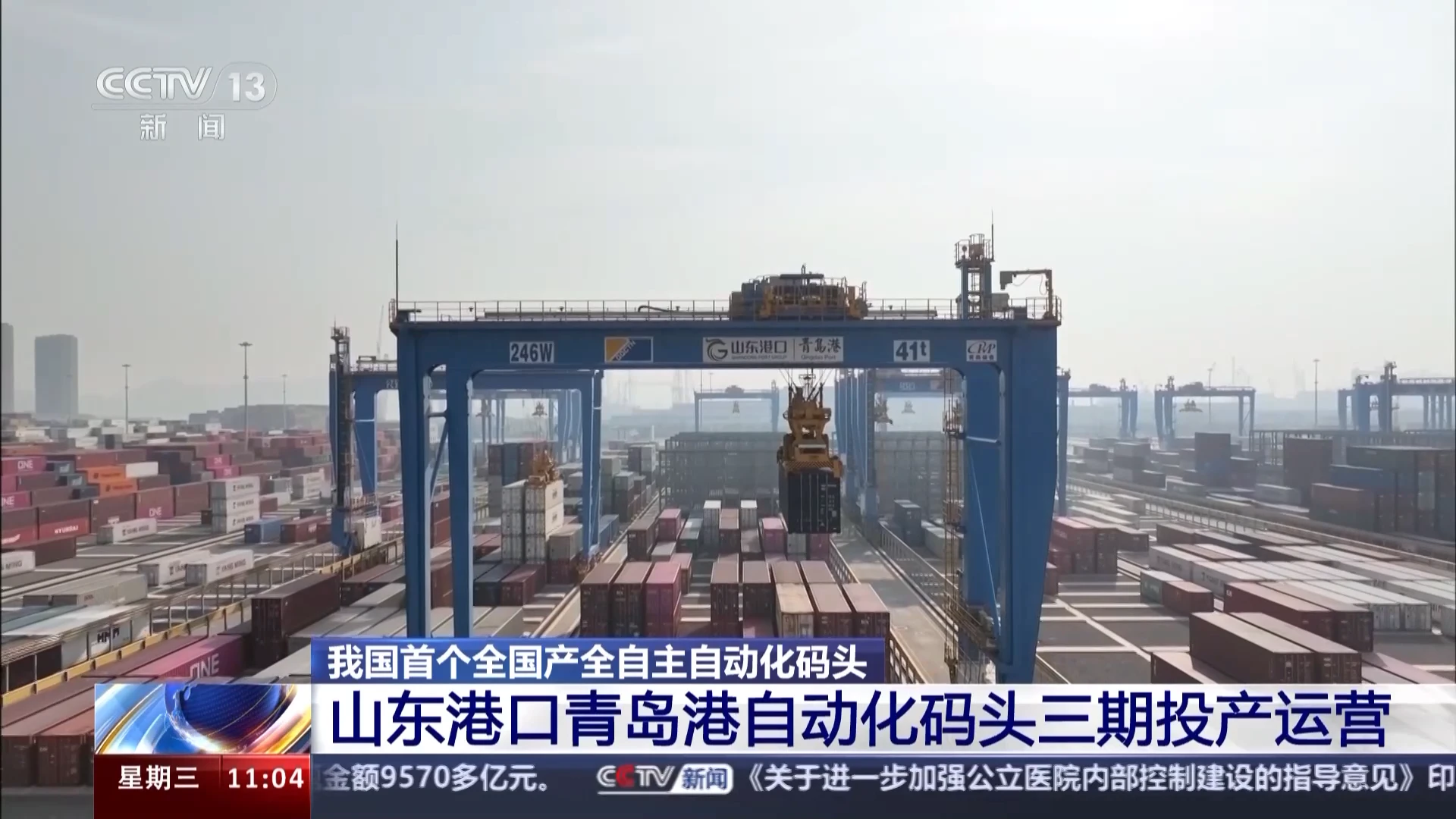
Port crane blind-spot monitoring boosts safety KPIs by reducing accidents and enhancing operator awareness. You achieve better safety in your operations when CEGC provides safety solutions tailored to your project needs. Safety becomes easier to measure because XR clearly displays distances and spaces, helping to prevent collisions.
-
XR enhances operator visibility with multiple camera views.
-
Precision in tight spaces significantly lowers accident rates.
Key Takeaways
-
Port crane blind-spot monitoring lowers accident rates. It gives a 360° view and real-time alerts. This helps operators stay aware.
-
Check safety KPIs and monitoring data often. This helps find trends and improve safety steps. It makes the workplace safer.
-
Using AI-powered detection systems helps operators see dangers fast. They can respond quickly and get hurt less often.
Port crane blind-spot monitoring boosts safety KPIs
Safety KPIs Impacted
You can check how port crane blind-spot monitoring boosts safety KPIs by looking at important safety numbers. These numbers show real changes in your work. The main KPIs are incident rates, near-miss frequency, and compliance metrics. The table below explains how each KPI connects to your daily tasks:
|
KPI Type |
Description |
|---|---|
|
Cross-modal incident rates |
Counts incidents for every million TEUs or railcar moves. |
|
Near-miss reporting rates |
Shows how often near-miss events happen to raise safety awareness. |
|
Safety observation frequency |
Checks how often you look for safety to make sure you follow rules. |
Port crane blind-spot monitoring boosts safety KPIs by lowering accidents and helping you spot dangers faster. Workers face risks like getting stuck between moving containers and fixed objects. Machinery accidents can cause bad injuries. Poor communication can also cause accidents, but real-time alerts and monitoring help stop these issues. Using a crane safety system with advanced detection gives you better control over these risks.
Improved Safety for Operators
You get more protection when you use port crane blind-spot monitoring boosts safety KPIs. The system gives you a 360° view, so you can see all blind spots around your crane. This full coverage helps you avoid crashes and keeps you aware of your surroundings. AI-powered detection finds people and vehicles in danger zones and sends alerts right away. This lowers accident risks and helps you act fast.
Real-time monitoring checks if you are tired or distracted. If you lose focus, the system warns you. This feature helps you during long shifts and keeps you focused on safety. CEGC’s safety monitoring solution combines anti-sway control, safety interlocks, and an operator-centered HMI. These features work with blind-spot monitoring to lower load sway and improve placement accuracy. You do not have to depend only on your skill, because safety technology helps you all the time.
Special lighting and clear visual cues help you judge distances and positions. This lowers the risk of load sway and helps you handle containers safely. The monitoring system fits different operator skill levels, so everyone can work safely, even if they are less experienced.
Compliance and Standards
You must follow strict safety rules in port operations. Port crane blind-spot monitoring boosts safety KPIs by helping you meet these rules. Many places require or suggest monitoring systems for cranes. The table below lists some important standards:
|
Region |
Standard(s) |
Description |
|---|---|---|
|
EU |
UNECE R151, R158, R159 |
Rules for better visibility and blind-spot monitoring for equipment |
|
US |
OSHA & MSHA |
Safety trends that require monitoring systems |
|
Asia & Emerging Markets |
N/A |
Needed for project bidding |
|
China |
TSG Q7016-2016 |
Standards that require blind-spot monitoring |
When you use a monitoring system, you get real-time visibility and risk detection. This helps you follow safety rules and avoid accidents. You can stop accidents in busy port areas where blind spots are common. The system supports safer work and helps you keep your operations running well.
CEGC’s safety monitoring solution meets market-standard specs and offers project-based customization. You can pick the right sensor sets, anti-collision zones, and safety redundancy for your portal crane, container crane, or other container handling equipment. This flexibility helps you stay safe and follow rules, no matter your project needs.
Tip: Check your safety KPIs and monitoring data often to spot trends and make improvements. This keeps your team safe and your port working smoothly.
How Blind-Spot Monitoring Works
Camera and Sensor Systems
The tower crane camera system helps you see all around your crane. Six special cameras give you a full 360° view, so you do not miss any blind spots. AI-powered detection systems look at the video right on the crane, so you get fast and steady monitoring, even when the weather is bad. The system always checks the load, so you can stop overload accidents. Crane cameras help you talk better with people on the ground, so everyone knows what is happening. LiDAR technology looks for things in the way and helps you see better. It warns you about crash risks before they happen.
|
Technology Type |
Features |
|---|---|
|
360° Panoramic Imaging |
Six ultra-wide-angle HD cameras for zero blind-spot surveillance. |
|
AI Pedestrian/Vehicle Detection |
Automatically identifies personnel and vehicles, triggering alarms in hazardous zones. |
Real-Time Alerts and AI Detection
You get safety alerts right away if the tower crane camera system finds danger. AI safety cameras use smart computers to spot problems and warn you fast. The system can tell people from machines by looking from above. It makes a moving danger zone around the crane’s load, so you always know where it is risky. Real-time alerts tell you if someone steps into a bad area. You see and hear warnings, so you can act quickly. Smart computer programs figure out how much time you have to react and set off alarms, so you can stop accidents and keep working well.
-
Object detection finds things that do not move and things that do.
-
Real-time location tracking checks how fast and where the crane is.
-
Proximity alerting tells you when you are close to danger.
-
Automatic braking slows or stops the crane if needed.
Integration with Port Equipment
You can change the tower crane camera system to fit portal cranes, container cranes, and other machines that move containers. CEGC gives you sensor sets, anti-collision zones, and extra safety features made for your work. The system works with your daily jobs and helps you find risks and get support. Cranes can talk to each other and share where they are going, so you do not run into each other in busy ports. You see more of what is happening and lower crash risks, so your work is safer and goes better.
Tip: Look at your monitoring data often to find patterns and make your port safer.
Results and Improved Safety
Measurable KPI Improvements
When you use blind-spot monitoring, your port gets safer. Many ports have seen big safety improvements. Here are some things you might see:
-
Automated monitoring made accident rates go down by 20%.
-
Monitoring with compliance programs cut injuries by up to 30%.
-
Operators now find dangers faster and stop accidents early.
You can measure every event and track safety numbers. This helps you prove to your team and partners that your port is safer.
Case Studies and Operator Feedback
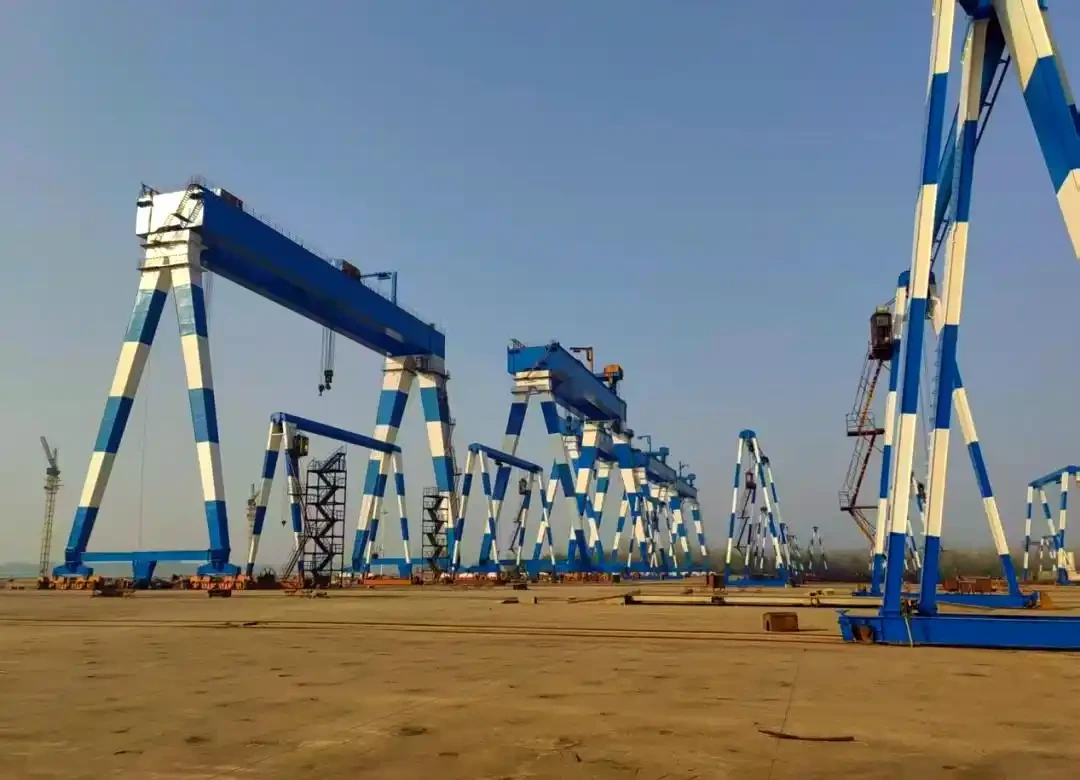
You can learn from ports that use blind-spot monitoring. At Qidong Shipyard, cranes and people worked close together. This made collision risks high. They put in an IoT-based blind-spot monitoring system. The system gave them 3D monitoring and real-time data. It also sent early warnings to stop problems from getting worse. After using it, the shipyard had fewer collision risks and worked faster. Operators said they felt safer and more sure during each shift.
Addressing Reliability and Concerns
You want your crane to work well in tough places. CEGC makes safety systems that meet market specs. You get marine durability, so your equipment handles salt, wind, and rain. Predictive maintenance helps you fix problems before downtime happens. The system fits with your portal crane, container crane, or other equipment. You do not need to worry about following rules or making it fit. The system works in harsh places and keeps your safety high every day.
You make ports safer by using blind-spot monitoring. CEGC gives you tools to spot risks fast. These tools help you act quickly. Experts say you should follow these steps for safety:
|
Recommendation |
Description |
|---|---|
|
Do jobs and lower accident chances. |
|
|
Real-Time Tracking |
Find risks and lost cargo fast. |
|
Safety Sensors |
Get warnings to stop crashes and injuries. |
|
Customizable Protocols |
Change safety steps for your port’s needs. |
|
AI-Powered Analytics |
Make smart choices and avoid slowdowns. |
These solutions help you improve safety KPIs and protect your team.
FAQ
How does blind-spot monitoring help you reduce accidents?
You see dangers sooner. The system gives you real-time alerts. You can stop your crane before a collision happens.
Can you use CEGC’s system on any port crane?
You can use it on portal cranes, container cranes, and reach stackers. CEGC customizes the system for your equipment.
What maintenance does the monitoring system need?
-
You check cameras and sensors often.
-
You clean lenses.
-
You update software when CEGC sends new versions.


