
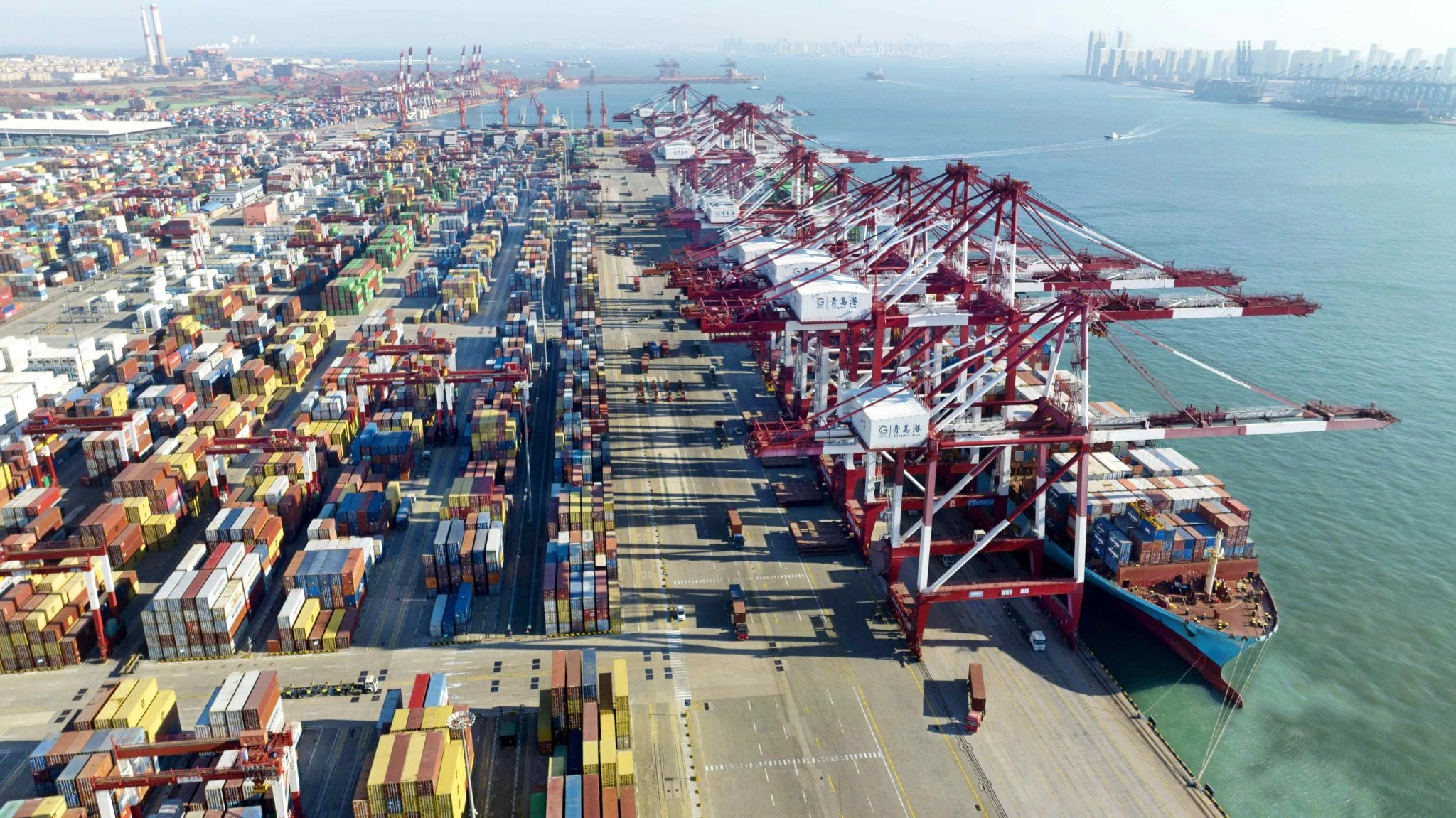
When operating ship loading systems, blind-spot risks at transfer points can create visibility challenges and safety concerns. CEGC delivers advanced port lifting equipment specifically designed to address these issues. With CEGC’s solutions, you can rely on enhanced safety for personnel, machinery, and cargo throughout daily operations.
Key Takeaways
-
Blind spots at transfer points can hide machines and people. This can make accidents more likely. Use blind-spot cameras and safety checks to help people see better.
-
CEGC’s anti-sway and safety control systems make things safer. They help stop loads from swinging. They also help operators control the system, even when the weather is bad.
-
Using good communication rules and workflow tools can make work easier. These tools can help things move faster. They also help cut down waiting times and make ports work better.
Understanding blind spots in ship loading systems
What are blind spots at transfer points?
Blind spots happen when you use ship loading systems at transfer points. These spots make it hard to see everything near portal cranes, container cranes, ship loaders, and other port machines. Blind spots show up when drivers and marshals lose sight of each other. You cannot fix these risks with rules alone. You need stronger safety tools and technology. Many ports now use blind-spot cameras, do safety checks, and change how they handle cargo to make things safer.
-
Blind spots can hide moving machines or people.
-
You might not see signals or hear instructions from marshals.
-
Cargo can move suddenly and cause accidents.
Causes of blind spots in port machinery
You have trouble seeing because of how containers are stacked and how ships are built. When containers are stacked high, you must move and handle them again, which makes it harder to see. The way transfer points and control towers are set up also changes how well you can watch what is going on. If cargo and equipment block your view, you must follow industry rules. These rules say blind spots caused by things in the way must stay small. For example, you need to keep blind spots in front of the beam under 10 degrees each, and you must see clearly through at least two front windows. When you use CEGC’s port machines, you get designs that help you meet these rules and keep things safer.
Risks and incidents from ship loading systems blind-spot risks at transfer points
Safety hazards for personnel and equipment
There are many dangers when you work near ship loading systems blind-spot risks at transfer points. These dangers can harm people and machines. When you use forklifts or container handlers near several dock doors, you must look out for moving vehicles from different directions. Drivers often back up with big loads, so they cannot see everything. Pedestrians may walk into places drivers cannot see, making it hard for drivers to notice them. When drivers leave their trucks, they go into areas where no one can see well. These situations make accidents and injuries more likely.
-
Many dock doors make more dangers as lift trucks move in different ways.
-
Forklift drivers back up with big loads, so it is hard to see behind them.
-
Pedestrians can be hidden in places drivers cannot see, which raises the chance of crashes.
-
Drivers and pedestrians lose sight when leaving trucks, which makes safety problems.
You can lower these dangers by using CEGC’s anti-sway and safety control systems. These systems help you keep people and machines safe by making it easier to see and cutting down mistakes.
Collision and load sway exposure
You also need to watch out for crashes and load sway. When you use cranes or ship loaders, wind and humidity make control harder. Strong winds make it tough to steer big vehicles. Head winds mean you need to speed up more and can change how you steer. Tail winds push your vehicle, so you need more space to stop. Cross winds make machines sway, especially tall ones like portal cranes or container gantry cranes. The table below shows how different weather affects your control:
|
Environmental Factor |
Impact on Vehicle Control |
|---|---|
|
Strong Winds |
Make it harder to control big vehicles |
|
Head Winds |
Need more speed and can change steering |
|
Tail Winds |
Push vehicles, so you need more room to stop |
|
Cross Winds |
Cause sway and handling problems, especially for tall vehicles |
How well operators do their jobs matters a lot. Some operators react fast to changes, but others may have trouble. This can cause more load sway and more crashes. CEGC’s anti-sway control systems help keep loads steady, even in bad weather. These systems use motion profiles and braking to cut down sway and help place loads better.
Impact on operational efficiency
Ship loading systems blind-spot risks at transfer points do not only affect safety. They also slow down your work. When you cannot see well, you must use manual dispatching. This means you use phone calls or spreadsheets to handle cargo, which takes longer and can cause mix-ups. Drivers may wait longer at ports because plans are not clear. This wastes fuel and makes your fleet less useful. Customers may ask about their loads more often, which can make them upset and hurt trust.
-
Manual dispatching is slow and confusing.
-
Drivers waste time waiting at ports, which lowers how well things work.
-
Bad visibility means more customer questions and less trust.
You can make things work better by using CEGC’s safety and workflow integration solutions. These tools help you track cargo, cut down waiting, and keep your work running smoothly. By handling blind spots, you protect your people and your business.
Solutions to reduce blind spots and improve safety
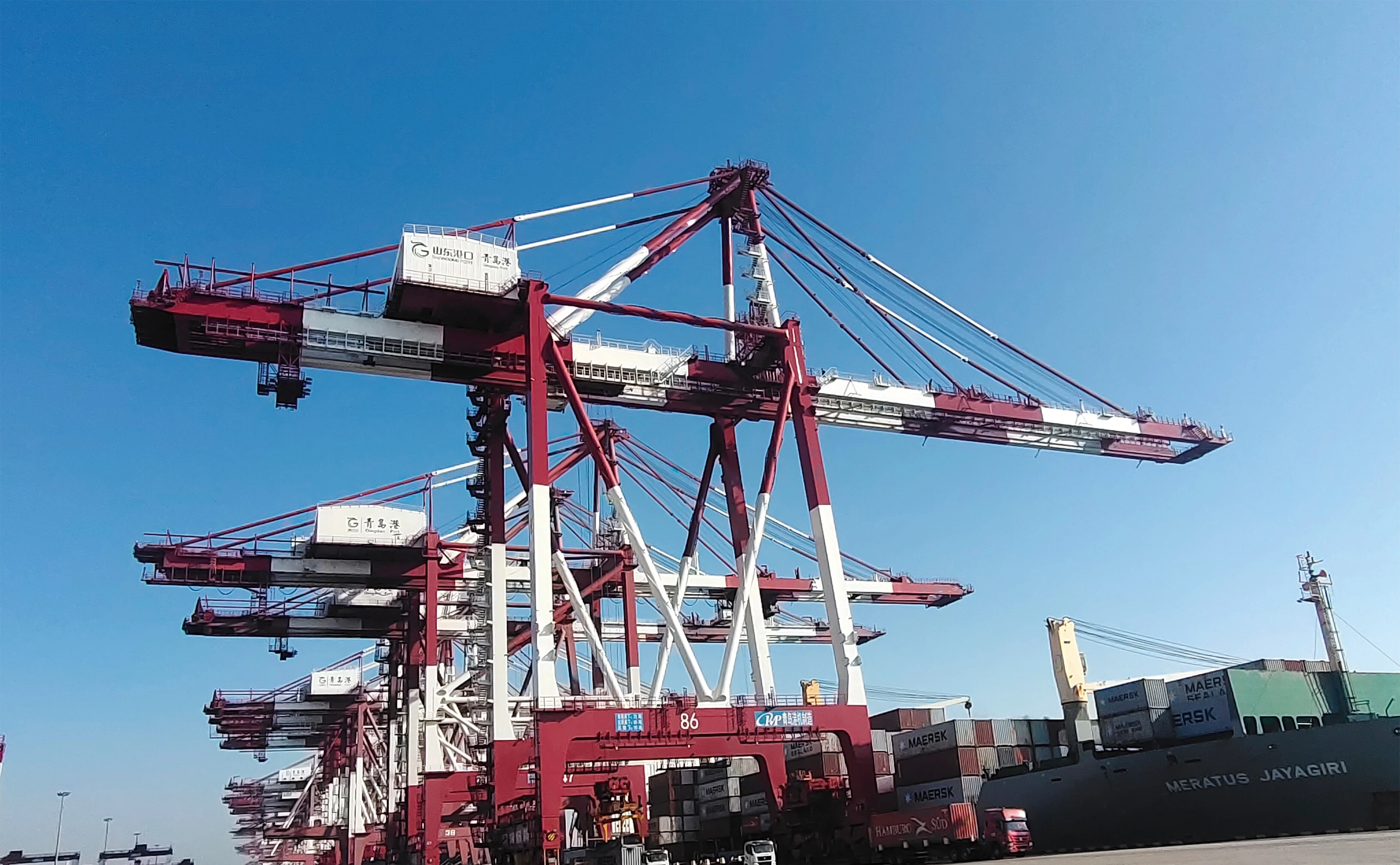
Anti-sway and safe lifting control systems
You can make ship loading safer by using special control systems. These systems help keep loads steady and stop them from moving too much. Anti-sway hoist rope reeving uses sensors and smart programs to watch load movement. Drive control systems help cranes move smoothly and avoid mistakes. You can also use cabins that let you see better and have more controls. These changes make your job safer and faster. When you use CEGC’s anti-sway and safety interlock systems, you get more control and fewer accidents. You also get better results in safety, training, and how well things work.
|
System Type |
Description |
|---|---|
|
Anti-sway hoist rope reeving |
Uses sensors and smart programs to stop loads from swaying and keep things safe. |
|
Drive control systems |
Helps cranes move better and makes fewer mistakes. |
|
Anti-collision systems |
Stops crashes by using real-time data and sensors. |
|
Crane cameras and visualization |
Lets you see more and helps you find blind spots. |
Visibility aids and communication protocols
You can use tools to help you see better and stay safe. Cameras and screens show you places that are hard to see. Floodlights help you work at night or when it is dark. Good ways to talk, like clear signals and radios, help your team stay safe. Operator-centered HMI systems show alarms and updates, so you always know what is going on.
Training and workflow integration
You need good training and workflow tools to keep your team safe. Training teaches you how to use new systems and spot dangers. Workflow tools connect your machines and help you track cargo. Predictive maintenance tells you if something might break, so you can fix it early. Energy-saving machines use less power and work better. CEGC gives you many ways to change cabins, powertrains, and safety features. Marine-grade durability keeps your machines strong, even in tough port weather.
You can make your port safer by finding blind spots. Fixing these blind spots helps everyone work better. New technology lets you finish jobs faster and smarter:
|
Technology Type |
Impact on Efficiency |
|---|---|
|
Cloud Computing |
Changes how people work and makes shipping quicker |
|
5G Base Stations |
Helps digital tools work and speeds up tasks |
|
AI and Analytics |
Helps people make good choices and use resources well |
-
Start with clear communication and good planning.
-
Use automation to make things safer.
-
Check progress often and change your plan if needed.
Pick CEGC’s project-based customization to keep your team safe and your port working well.
FAQ
What is a blind spot in ship loading systems?
Some places near cranes or loaders are hard to see. Blind spots can hide people or equipment. This makes accidents more likely.
How does CEGC help reduce blind-spot risks?
-
You get anti-sway controls, safety interlocks, and cameras.
-
These tools help you see better and keep your team safe.
Can you customize port machinery for unique site needs?
|
Option |
Benefit |
|---|---|
|
Capacity |
Can lift bigger loads |
|
Automation Level |
Makes work faster |
|
Anti-corrosion |
Stays strong in salty air |


