
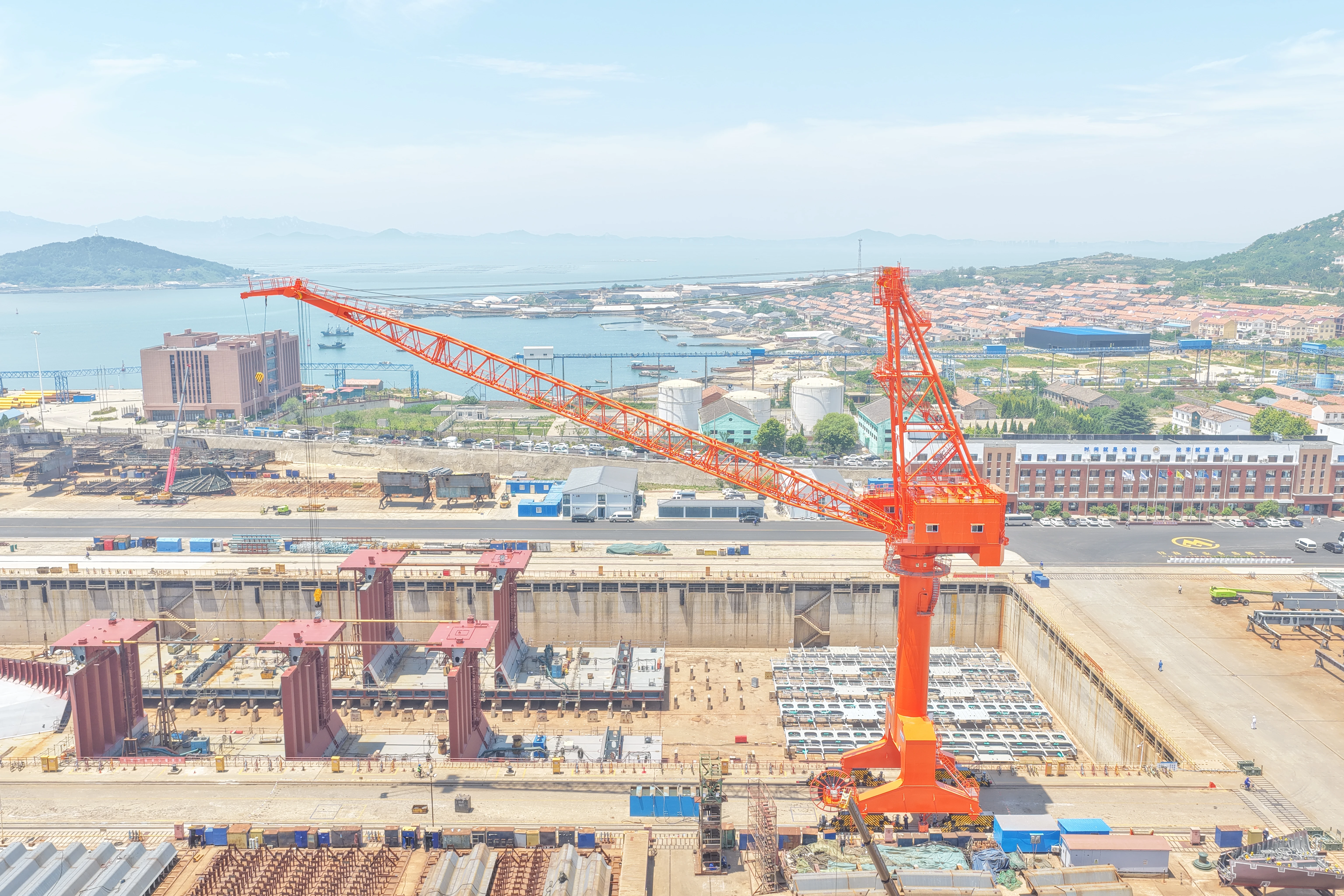
Portal crane blind-spot monitoring reduces collisions and enhances safety in operations. Visibility issues due to blind spots, poor lighting, and adverse weather conditions can lead to accidents.
-
Stack crashes can damage cranes, containers, and cargo.
-
Human errors and miscommunication can further increase the risk of accidents.
CEGC provides market-standard choices along with custom options for all your lifting equipment needs.
Key Takeaways
-
Portal crane blind-spot monitoring makes things safer. It uses sensors and cameras to find hidden dangers. This helps lower the chance of accidents.
-
Using these systems can make crashes happen less often. Some ports say accidents went down by 23%.
-
Changing your monitoring system to fit your port helps a lot. It can make work faster and safer. This means things work better.
Portal crane blind-spot monitoring reduces collisions
Blind-spot monitoring technology overview
Operating a portal crane can be risky. Blind spots can hide people, vehicles, or things. Blind-spot monitoring helps you avoid crashes by showing what is around you right away. One main tool is the Portal Crane Jib Collision Prevention Early Warning System. This system uses LiDAR sensors to scan where the crane jib moves and nearby areas. You get loud sounds and flashing lights if the system finds a possible crash. The system can even stop the crane by itself to keep people and equipment safe.
Wireless camera systems help you see places that are hard to view from the operator’s cabin. These cameras send live video to your control panel. This lets you spot dangers during blind lifts or when moving containers in tight spaces. Blind-spot monitoring helps you avoid crashes by making you more aware, especially in bad weather or low light.
CEGC gives you sensor sets and safety interlocks for all kinds of container cranes, ship cranes, and cargo cranes. You can pick custom options for your lifting equipment, like different sensors, anti-collision zones, and extra safety levels. This lets you match the system to your port’s needs.
How detection systems prevent accidents
Blind-spot monitoring helps you avoid crashes by fixing three main problems: collision exposure, load sway, and operator skill differences. It can be hard to control load sway, especially when it is windy or when working fast. This makes it tough to place loads exactly and raises accident risks. Operators have different skill levels, which can lead to uneven safety results.
CEGC’s anti-sway and safe lifting control system gives you tools to solve these problems. The system includes features such as:
|
Feature |
Description |
|---|---|
|
Checks motor health and finds issues early for maintenance. |
|
|
Motor Temperature Monitoring |
Alerts you if the motor gets too hot to prevent damage. |
|
Hoist Motor Vibration Analysis |
Tells you when maintenance is needed based on wear. |
|
Crane Operation Usage Monitoring |
Tracks how you use the crane and its performance. |
|
Load and Overload Monitoring |
Makes sure you handle loads safely to prevent accidents. |
|
Motor Brake Fault Monitoring |
Warns you if brakes fail, so you can act quickly. |
|
SCADA, VFD, and PLC Integration |
Gives you insights into control settings and system status. |
|
Real-Time Monitoring |
Offers continuous updates on crane performance and safety. |
|
Enhanced Safety |
Monitors key safety parameters to reduce risks. |
|
Mobile Integration |
Lets you access crane data on your mobile device. |
|
Data-Driven Insights |
Provides information for better decision-making. |
Detection systems work right away to keep you safe. They use load moment indicators to check the weight and balance of each lift. These indicators stop over 95% of overload problems by warning you before trouble starts. Automated safety systems can stop the crane fast if they find danger. These systems reach over 98% protection reliability, so you can trust them to act quickly.
You also get help from environmental monitoring networks. These networks check wind speed, temperature, and other things that affect safe lifting. The system changes lifting settings to match current conditions. This helps you avoid accidents caused by sudden changes in the environment.
Here are some common accidents that blind-spot monitoring helps prevent:
|
Type of Accident |
Prevention Method |
|---|---|
|
Struck-by incidents |
|
|
Blind lifts |
Real-time video gives you better situational awareness |
|
Accidental contact with power lines |
Better decision-making during complex lifts |
Tip: You can cut downtime and boost safety by picking a system with real-time monitoring and automatic stop features.
Blind-spot monitoring helps you avoid crashes by using sensors, cameras, and smart control systems. You get better visibility, quicker warnings, and automatic safety actions. CEGC lets you change your system to fit your port’s needs, from sensor types to safety interlocks. This helps you protect your team, your equipment, and your cargo every day.
Benefits & real-world evidence
Safety improvements & reduced downtime
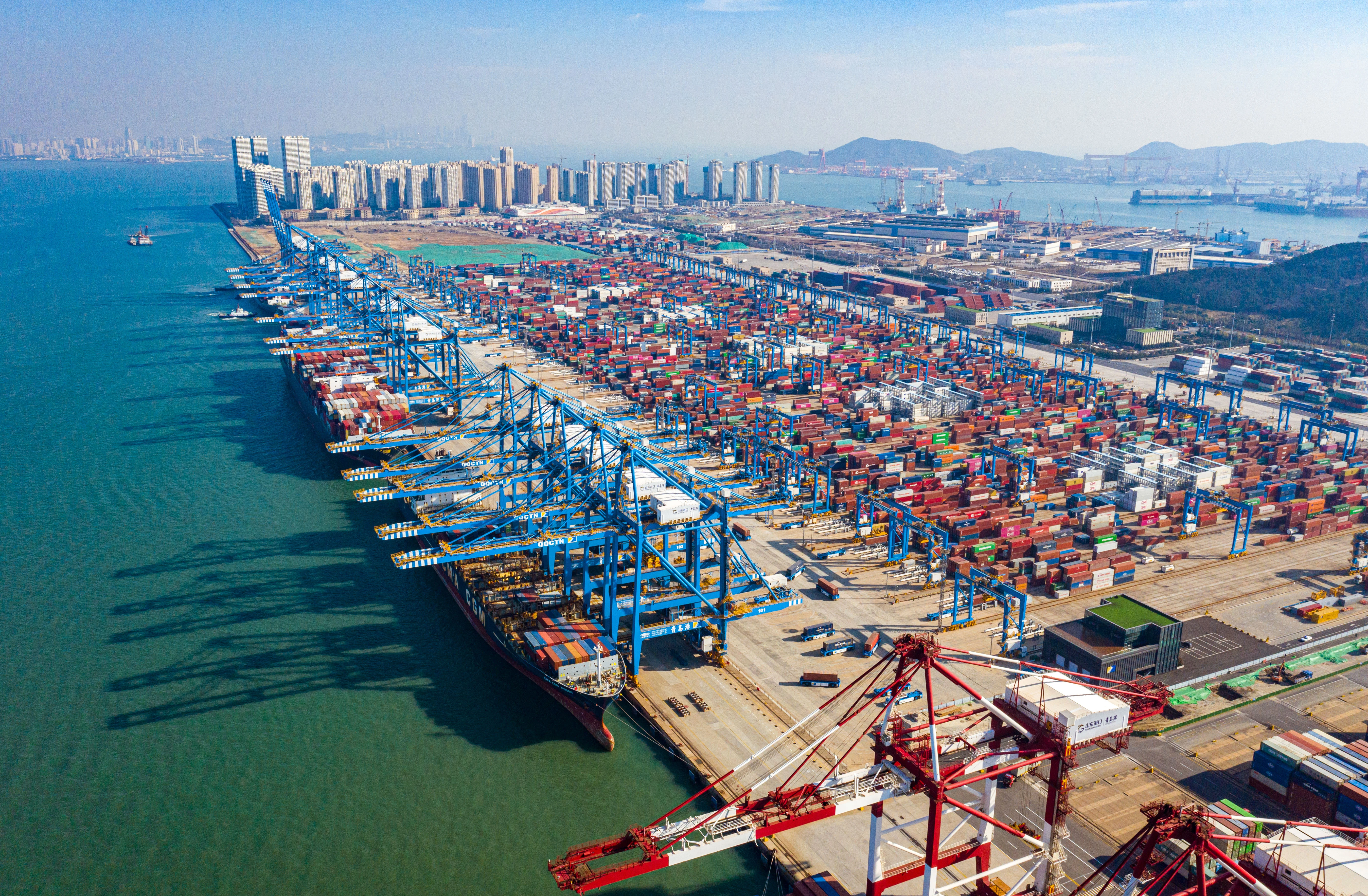
You want your port to be safe and run well. Portal crane blind-spot monitoring helps you see your work area better. You can spot dangers before accidents happen. This means fewer injuries and less broken equipment. When you avoid crashes, you have less downtime. Your cranes work longer, and your team spends less time fixing things. Many ports saw up to a 23% drop in collisions after using these systems. You save money on repairs and keep your port running.
Here is how fewer crashes help your business:
|
Impact Type |
Description |
|---|---|
|
Economic Losses |
Fewer accidents mean less money lost from damage to ships, infrastructure, and cargo. |
|
Supply Chain Reliability |
Fewer crashes make the supply chain more reliable, with fewer delays and problems. |
|
Operational Efficiency |
Better safety and smoother vessel movement lower costs for port authorities. |
Case studies and statistics
Ports all over the world use portal crane blind-spot monitoring to stay safer. For example, a big Asian container terminal saw a 23% drop in crane crashes in the first year. Operators had fewer close calls and moved containers more easily. CEGC lets you pick sensors and safety features that fit your port. You can match your system to your port’s size, weather, and how you work.
Implementation tips for port operators
You can get the most from your system by following some easy steps:
-
Start with a risk check to find your biggest safety problems.
-
Pick a system that fits your crane and port layout.
-
Add blind-spot monitoring with anti-sway and maintenance tools for full safety.
Here is how these systems work together:
|
Integration Method |
Description |
|---|---|
|
Sensor Integration |
Sensors cover blind spots and use smart software to spot dangers early. |
|
Smart Anti-Sway Technology |
This feature reduces load swing and helps you move containers faster and safer. |
|
Predictive Maintenance |
The system warns you about wear and damage so you can fix problems before they cause downtime. |
Tip: Train your operators on new features and check safety data often. This helps you keep getting better results.
Portal crane blind-spot monitoring lowers crashes and helps you build a safer, more efficient port.
Portal crane blind-spot monitoring helps stop crashes and keeps your port safe. You can see what is happening right away. The system finds risks and warns you early.
-
Operators pay attention and find dangers quickly.
-
The system covers every blind spot and gives smart alerts.
|
Feature |
Benefit |
|---|---|
|
Automation |
|
|
Anti-sway systems |
Stops accidents and makes things safer |
|
Tailored configurations |
Fits your needs and makes work better |
|
Overload protection |
Keeps cranes safe by stopping overloads |
|
Limit switches |
Sets safe limits for crane operation |
|
Emergency stops |
Gives quick safety help in emergencies |
Pick CEGC’s custom solutions to make your port safer and more efficient.
FAQ
What is portal crane blind-spot monitoring?
You use portal crane blind-spot monitoring to see hidden areas around your crane. This system helps you avoid accidents and keeps your team safe.
Can you customize CEGC’s monitoring system for your port?
Yes, you can choose sensor types, safety zones, and extra features. CEGC lets you match the system to your port’s needs.
How does anti-sway technology help you?
Anti-sway technology keeps loads steady. You move containers more safely and quickly. This reduces accidents and improves your work speed.


