
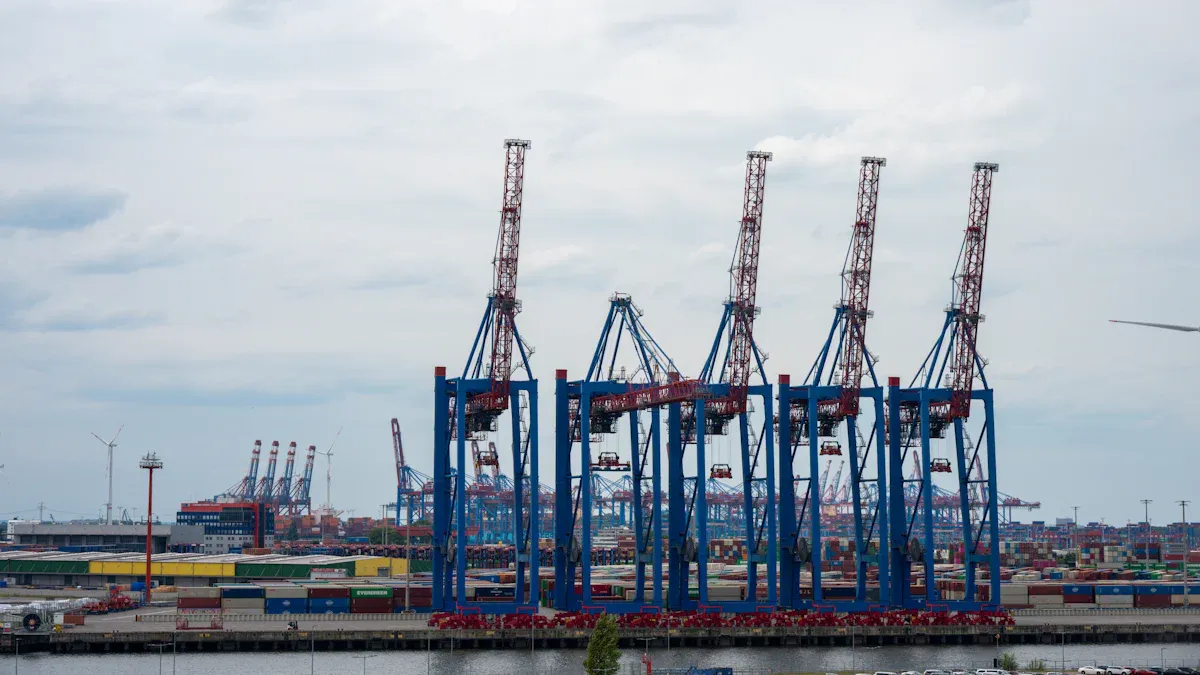
Port crane blind-spot monitoring saves maintenance too by reducing unexpected breakdowns and minimizing costly downtime. With CEGC, you benefit from advanced predictive maintenance and robust materials across portal cranes, container cranes, and container handlers. This means fewer accidents, lower repair costs, and enhanced safety for your operations. Plus, CEGC’s solutions give you greater operational control and improved visibility, ensuring your port crane blind-spot monitoring saves maintenance too while optimizing overall efficiency.
Key Takeaways
-
Use blind-spot monitoring systems to help stop accidents and cut maintenance costs. This makes work safer and helps things run better.
-
Use predictive maintenance with AI and IoT sensors to find problems early. This saves money and helps cranes last longer.
-
Teach your team about new technology and safety rules. Learning all the time helps people make better choices and keeps crane work safer.
Maintenance cost drivers in port cranes
Blind spots and collision risks
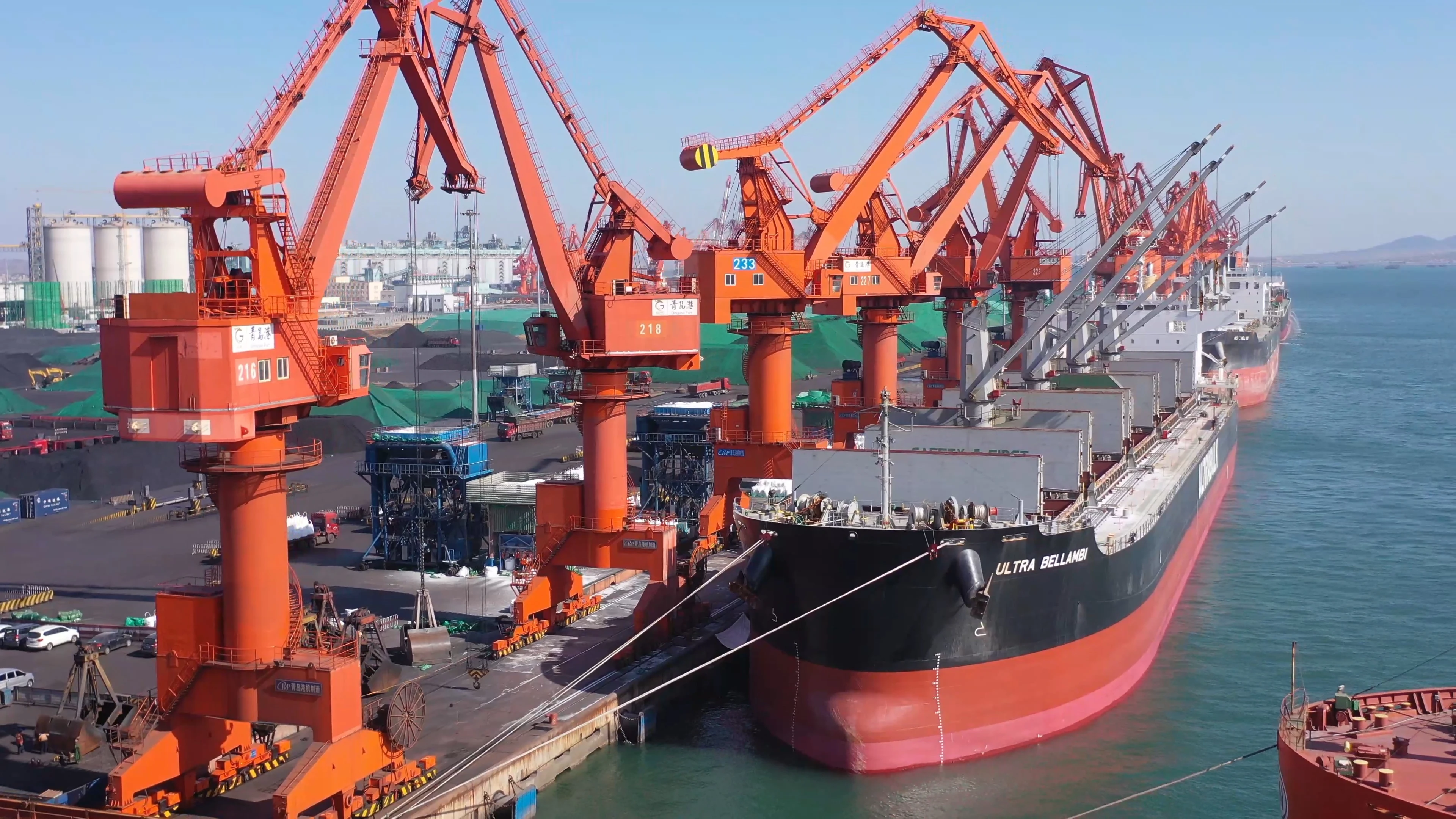
Operating port cranes can be risky. Blind spots make it hard to see everything. You might not notice workers or equipment nearby. This raises the chance of accidents and collisions. Collisions can hurt people and damage property. These problems make maintenance more expensive. Some accidents are dropped loads, pinch points, and hitting vehicles or people. These events need quick repairs and checks. Portal cranes, container cranes, and ship cranes all have these issues. You should watch for wire rope damage, worn wheels, and electrification system problems. Doing regular maintenance helps stop these issues. But accidents from blind spots still make costs go up.
Load sway, operator error, and environmental factors
Load sway is another problem for you. New operators may find crane control hard. This can cause swaying and drifting loads. Mistakes by operators can make loads fall. Falling loads break equipment and need more maintenance. Mechanical wear causes hydraulic problems. This means you need maintenance more often. The environment makes things worse. Salt spray and humidity cause rust, especially at coastal ports. Wind puts extra force on crane parts. You need materials that resist rust and special coatings. These help lower maintenance needs. Stronger structures and wind checks make cranes safer. Heavy use can make cranes fail without warning. This stops work and raises maintenance costs. Using smart analysis and regular checks helps you handle these risks and keep cranes working longer.
Saltwater and high humidity cause rust on port gantry cranes. Using strong, rust-resistant steel and coatings lowers maintenance needs over time.
|
Description |
|
|---|---|
|
Growing Regulatory Focus on Lifting Safety |
Rules require inspections and certifications, so maintenance services are needed more. |
|
Expansion of Construction and Infrastructure Activity |
More crane use means more inspections and maintenance. |
|
Aging Crane Fleet Across Industrial Markets |
Older cranes break more and need extra maintenance. |
|
Increased Outsourcing of Maintenance Functions |
Outsourcing makes downtime less and maintenance easier to plan. |
Real-time monitoring and accident prevention
Working with cranes in busy ports is risky. Blind spots make it hard to see people and things. This can lead to accidents and expensive repairs. Port crane blind-spot monitoring saves maintenance too by giving you live video and quick alerts. You can use cameras, radar, lidar, and sensors to watch every area. These tools help you find dangers before they cause problems.
AI safety systems have features like 360° views and smart detection. They show you what is happening around the crane. The system warns you right away if someone enters a no-go zone or if a vehicle gets close. Driver monitoring checks if operators are tired or not paying attention. This lowers mistakes. You also get clear zoom cameras to help place loads safely. These tools stop crashes and protect your equipment.
|
Functionality |
Description |
|---|---|
|
Overload detection |
Identifies when loads approach dangerous thresholds, preventing potential accidents. |
|
Dynamic load monitoring |
Tracks changes in load during operations to ensure stability and safety. |
|
Structural stress indicators |
Monitors critical components for signs of stress that could lead to failure. |
|
Environmental monitoring |
Assesses external factors like wind that could affect load stability. |
|
Wireless technology integration |
Enables remote monitoring, enhancing safety oversight from a distance. |
|
Data-logging capabilities |
Records operational parameters for analysis, aiding in preventive maintenance and incident review. |
You can add sensor packs to old cranes. This makes them safer without replacing everything. Anti-collision systems stop booms from hitting things. Remote monitoring lets you watch from a safe place. Fully automated terminals have fewer crashes and less downtime after adding safety systems. Using port crane blind-spot monitoring saves maintenance too means fewer accidents and lower repair bills.
Many ports have seen big changes. For example:
-
One terminal had over 150 rubber-tired gantries. They lost $50,000 every hour from unplanned stops. After adding sensors and real-time status checks, they made their equipment work better with less than 1% error.
-
Real-time checks removed 12-hour blind spots, helped teams talk more, and stopped schedule mix-ups.
You must fix crane blind spots to meet world safety rules. Add smart cameras and AI to watch in real time. Make sure your safety system follows rules like OSHA and UNECE. This helps you win jobs and keeps your team safe.
Predictive maintenance in ports with AI and sensors
Predictive maintenance in ports uses AI, IoT sensors, and data to keep cranes working well. You can check the health of cranes with condition monitoring. Sensors track things like temperature, shaking, load, and stress. AI looks at this data to find problems before cranes break down. This helps you avoid surprise stops and keeps work running smoothly.
|
Benefit |
Description |
|---|---|
|
Reduced Downtime |
Predictive maintenance helps in predicting and preventing crane failures, leading to improved vessel turnaround times. |
|
Cost Savings |
Significant savings through avoided downtime and extended equipment life. |
|
Improved Equipment Reliability |
The technology achieves 85-98% predictive accuracy, ensuring better reliability of equipment. |
|
Enhanced Operational Efficiency |
30-50% reduction in downtime allows terminals to move more volume with existing equipment, boosting revenue. |
Predictive maintenance gives you many good results. You have less downtime, save money, and your equipment lasts longer. AI can predict failures with 85-98% accuracy. This means you can fix things before they break. Overhead crane maintenance gets easier and more dependable. You also get your money back fast, sometimes in just a few months.
Remote diagnostics are important. IoT sensors let you test cranes without taking them apart. You collect data on stress and other important things. Software finds patterns and warns you about possible problems. Maintenance teams get alerts to fix things on time, so there are fewer emergencies. You spend less on workers and spare parts, and your equipment lasts longer because you only replace parts when needed.
|
Feature |
Benefit |
|---|---|
|
Integration of sensors with IoT |
|
|
Enhanced safety |
Reduces risks associated with crane operation |
|
Cost reduction |
Lowers maintenance costs through predictive insights |
|
Improved operational efficiency |
Minimizes downtime and optimizes performance |
Here are steps to use predictive maintenance in ports:
-
Add sensors and automatic brakes to stop crashes.
-
Use condition monitoring to check equipment and avoid downtime.
-
Add modules that watch motor loads and part wear.
-
Pick modular designs so you can add them to old cranes.
-
Train workers and set clear rules for new tech.
Training is very important. Workers need special skills to understand data and make good choices. Simulation training lets them practice safely. Learning all the time keeps everyone up to date on safety and new systems. A safe and open team helps everyone share ideas and handle risks.
When you use port crane blind-spot monitoring saves maintenance too, you get strong safety. Wide sensors and smart cameras cut down on blind spot accidents. Vibration sensors help you find wear early. Predictive maintenance lets you plan repairs and avoid costly stops. You see fewer accidents and save money. Your cranes stay on schedule and last longer.
CEGC’s solutions for anti-sway, safety locks, and predictive maintenance in ports meet market rules. You get flexible anti-sway systems, strong wind alarms, and safety scanning. Automated fault checks and live data keep cranes safe and working. These features help with regular and predictive maintenance, making your cranes more reliable and saving money.
You get the best results by:
-
Adding smart cameras and AI for non-stop blind spot checks.
-
Following world safety rules.
-
Using predictive data to plan maintenance only when needed.
-
Training your team to use safety tools and data for better choices.
Port crane blind-spot monitoring saves maintenance too by lowering accidents, making cranes more reliable, and supporting predictive maintenance in ports. You get more control, spend less, and have safer, better working equipment.
You can spend less on repairs and have less downtime with port crane blind-spot monitoring and predictive maintenance. Many companies saved a lot of money and made their cranes last longer by using these systems:
-
Cranes worked for six more years.
-
Yearly downtime costs dropped by 4.7 million yuan.
CEGC lets you pick solutions that fit your needs. You find problems early with AI and smart tools. You use less energy and stop breakdowns before they happen. These changes help you work safer and make better choices.
|
Metric |
Description |
|---|---|
|
Reduced maintenance costs |
Fewer breakdowns and faster repairs save you money. |
|
Increased uptime |
More working hours mean higher revenue. |
|
Extended asset lifespan |
Cranes last longer with proactive care. |
|
Fewer safety incidents |
Safer operations protect your team. |
|
Lower energy use |
Efficient cranes cut power bills. |
Pick CEGC to make your port safer, more dependable, and save money.
FAQ
What is predictive maintenance for port cranes?
Predictive maintenance helps you check if cranes are healthy. Sensors watch for problems and collect important data. AI looks at the data and finds issues early. You can fix things before cranes break down. This saves money and helps you spend less.
How does predictive maintenance lower costs in ports?
Predictive maintenance lets you plan repairs before things go wrong. You do not have to fix cranes suddenly. This means cranes stop working less often. You have fewer accidents and save more money. Your costs get lower as time goes on.
Can predictive maintenance increase savings for my port?
Predictive maintenance helps you save more money each year. You do not need to pay for emergency repairs as much. Cranes work longer and do not break as often. You can control your spending better. You see good results every year.


