
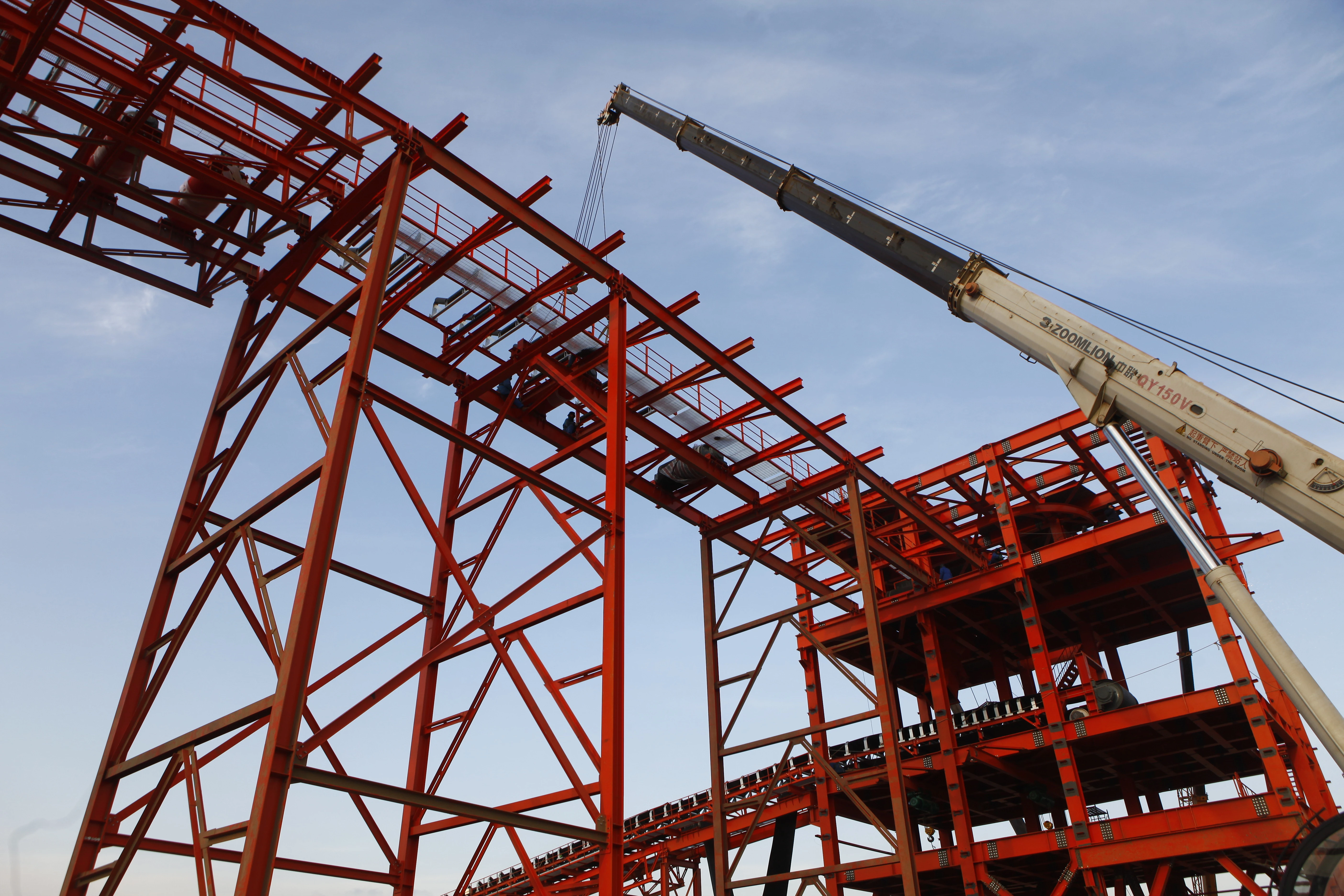
Every day, operating portal cranes, container cranes, or container handling equipment comes with safety risks. Load sway and collisions can lead to costly breakdowns and reduced productivity. CEGC supports you in minimizing these risks immediately with advanced port crane fault warnings that reduce breakdown surprises. The table below highlights how these systems enhance safety:
|
Description |
|
|---|---|
|
Wind Monitoring Systems |
Detects wind speed and triggers alarms or halts crane operation if conditions are unsafe. |
|
Overload Protection |
Prevents lifting when the load exceeds safe limits. |
|
Anti-Sway Technology |
Reduces container sway to help avoid accidents and operational delays. |
|
Collision Avoidance |
Prevents cranes or equipment from colliding, protecting your team and assets. |
Port crane fault warnings from CEGC help eliminate unexpected breakdowns, ensuring your operations remain reliable.
Key Takeaways
-
Port crane fault warnings give alerts right away. This lets you fix problems before they get worse.
-
Predictive maintenance finds issues early. It lowers repair costs and makes equipment last longer.
-
Anti-sway technology and safety controls make work safer. They help things run better and lower accident risks.
How port crane fault warnings reduce breakdown surprises
Real-time alerts and early detection
You must notice warning signs before they get worse. Real-time alerts from LMI and condition monitoring systems tell you right away about load and equipment status. These alerts help you keep your portal crane, container crane, or container handling equipment safe. When you spot warning signs, you can act quickly and stop overhead crane breakdown. You avoid sudden shutdowns and keep things running well.
Operator HMIs make warning signs easy to see. You get instant updates about pressure, temperature, and motor speeds. Loud and bright alarms get your attention, even if it is noisy. You can react fast to strange conditions and stop overhead crane breakdown before it starts. HMIs also let you control machines from far away, so you stay safe and out of danger.
Data logging and fault history are built in. These tools help you study warning signs and close calls. You learn from old problems and plan maintenance before things break. This way, you stop future overhead crane breakdown and keep your equipment working well.
Common faults detected in container cranes
You see many warning signs when you use container cranes. Fault warning systems help you find these problems early and stop overhead crane breakdown. Here are the most common faults you should watch for:
-
Short circuit protection
-
Ground fault protection
-
Phase loss and phase sequence protection
-
Limit switch and travel protection
-
Emergency stop and control protection
These warning signs happen a lot during daily work. When you notice them, you can fix things and avoid overhead crane breakdown. CEGC’s anti-sway technology and safety interlocks help you handle these warning signs. You get clear alarms and step-by-step help, so you make safer choices and have fewer crane emergencies.
HMIs work with emergency stop systems, fire alarms, and gas leak detectors. This teamwork helps you react faster in emergencies and keeps your whole system safe. You protect your team and avoid overhead crane breakdown.
CEGC anti-sway and safety control systems
You need smart systems to handle warning signs and stop overhead crane breakdown. CEGC gives you anti-sway control, safety interlocks, and operator-focused HMIs. These tools help you lower load sway, make placement steadier, and avoid crashes. You get clear warning signs and helpful support, so you learn faster and do jobs better.
CEGC gives you standard features and lets you customize for portal cranes, container cranes, ship cranes, reach stackers, and other container handling equipment. You can pick sensor sets, anti-collision zones, safety backups, and certification needs. This choice helps you fit your equipment to your project and stop overhead crane breakdown.
Here is how CEGC’s options help your work:
|
Benefit |
Description |
|---|---|
|
Better materials mean fewer repairs and lower costs over time. |
|
|
Extended Equipment Life |
Stronger cranes last longer, so you do not need new ones soon. |
|
Increased Efficiency |
New technology makes work faster and better. |
You see fewer warning signs and stop overhead crane breakdown. You get safer, better port crane fault warnings that reduce breakdown surprises. You keep your work steady and your team safe.
Preventing unplanned shutdowns and crane emergencies
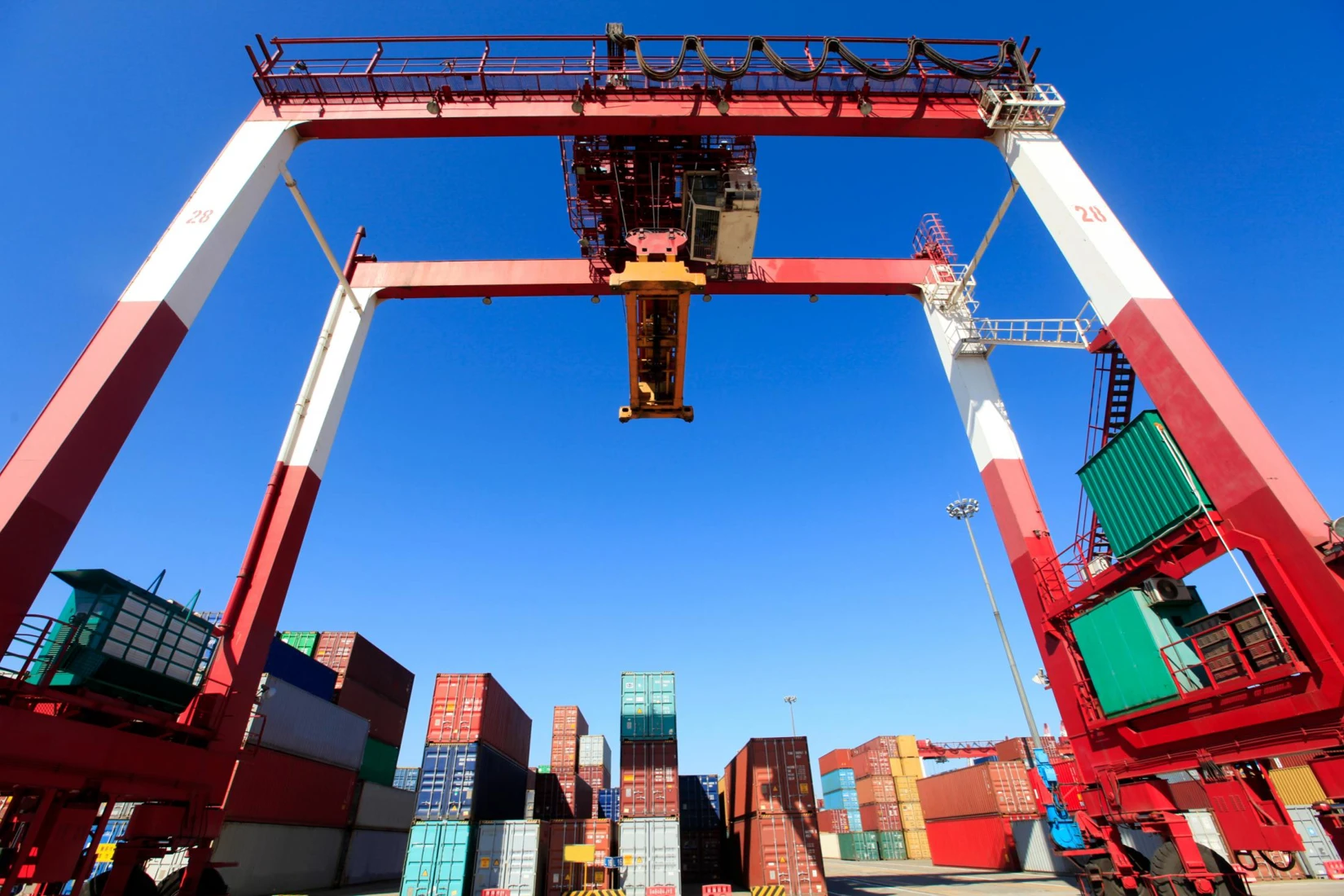
Acting on fault warnings in daily operations
You need to act fast when you see fault warnings. Follow simple steps to keep your team safe and avoid crane emergencies. Watch for warning signs and use the emergency stop if needed. Move people away from the area and tell important staff. Check if anyone is hurt and give first aid. Turn off the crane and cut the power. Use Lockout/Tagout to keep things safe. Find out what caused the problem by checking the crane parts. Look at hydraulics, electrical systems, and mechanical parts for hoist system issues. After each incident, talk with your team to learn and stop shutdowns.
Integrating predictive maintenance for crane breakdown prevention
You can use preventive maintenance to stop crane emergencies and shutdowns. Predictive maintenance uses monitoring and data to find problems early. Machine learning and AI systems help you spot hoist system issues and overloading. This lets you fix things before they break. Regular checks and operator training from CEGC help you prevent problems. You make your equipment last longer and spend less on repairs. The Port of Singapore shows that predictive maintenance saves money and keeps cranes working.
|
Strategy |
Description |
Key Findings |
|---|---|---|
|
Uses algorithms for preventive maintenance |
Genetic algorithms predict crane health best |
|
|
AI-Driven Models |
Analyzes logs for breakdown prevention |
64% accuracy in classifying forklift status |
Best practices for reducing unplanned shutdowns
You need to use good habits to stop crane emergencies and shutdowns. Keep watching and checking cranes to find dangers early. Change maintenance plans using real-time data. Use a strong CMMS to track jobs and steps. Add fault warnings to daily routines to help prevent problems. Regular checks like thermal imaging, testing, and emergency stop checks lower risks. Make maintenance plans for each crane to stop hoist system issues. Operator training helps you know about the environment and avoid overloading.
Tip: Regular checks and preventive maintenance keep your container handling equipment safe and working well.
You can stop breakdown surprises with port crane fault warnings and CEGC’s smart systems.
-
Early alerts help you fix problems before they get worse.
-
Predictive maintenance and anti-sway controls make things safer and faster.
|
Solution Example |
Result |
|---|---|
|
Container handling is quicker, safer, and more efficient |
Pick CEGC for port machinery that works well and fits your needs.
FAQ
What should you do when you see a fault warning on your harbor crane?
You need to follow the right steps. Move your team to a safe place. Start checking what is wrong with the crane. This helps stop work from being delayed and keeps people safe.
How do load monitoring systems help reduce costly downtime?
Load monitoring systems show you data right away. You can see if there is too much weight early. This helps stop crane breakdown and keeps work going. Doing regular checks also helps you avoid long delays.
Why is regular maintenance important for diagnosis and troubleshooting?
Regular maintenance lets you find problems before they get worse. You can use tools to check your equipment. This keeps your harbor crane safe and working well.


