
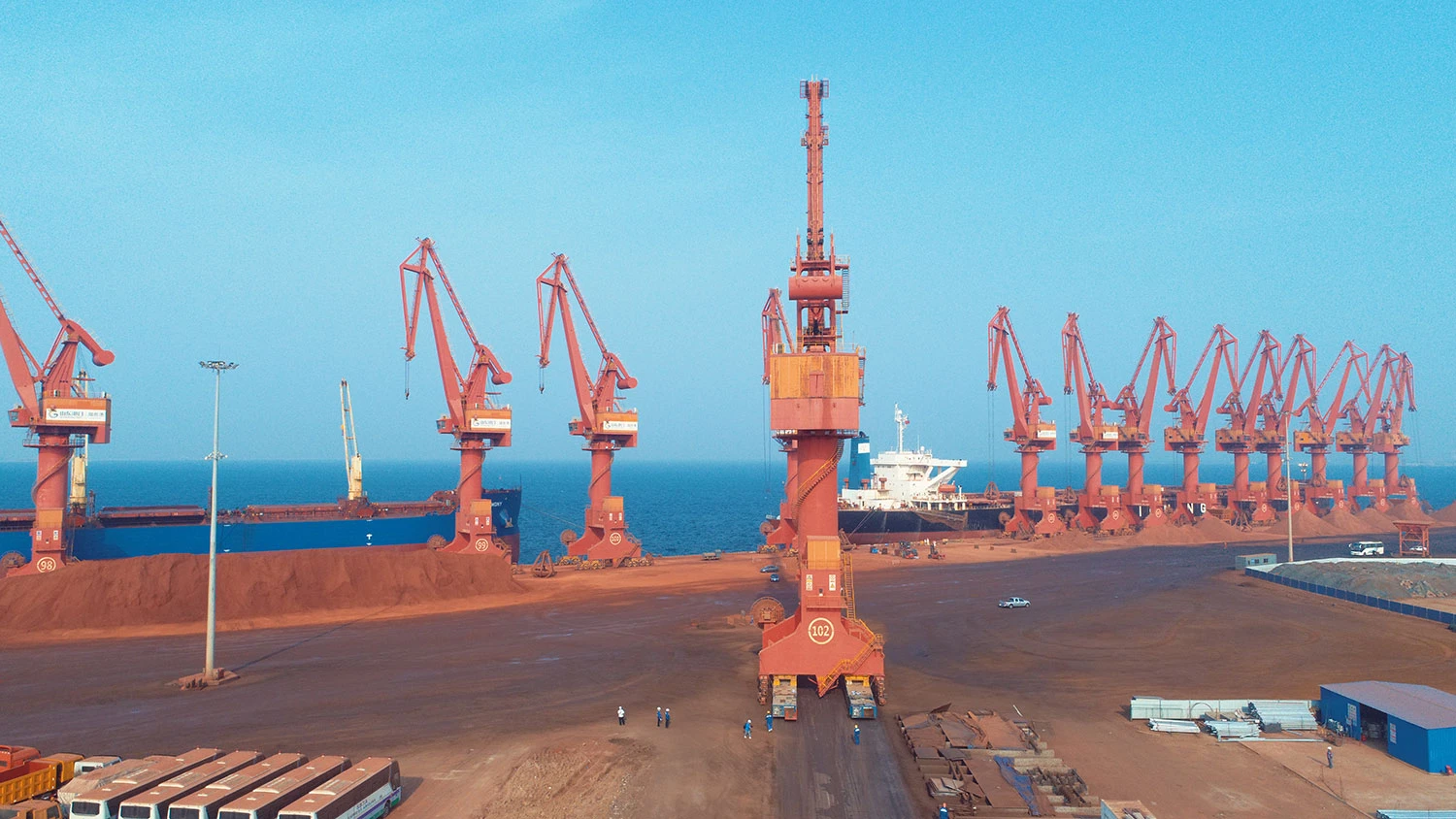
Predict faults early on a container crane to cut downtime. You can do this by using regular inspections, predictive maintenance, and advanced control systems. Crane downtime affects your port’s operations. It can cause expensive delays. CEGC gives you container handling equipment with market-standard features. You can also choose customizable options. These help you avoid unexpected failures.
Key Takeaways
-
Checking cranes often and keeping maintenance records helps find problems early. This stops small issues from turning into big failures.
-
Predictive maintenance and remote diagnostics use technology to watch how cranes work. This helps people fix problems fast and keeps downtime short.
-
Training operators and using advanced HMI systems make cranes safer and work better. Operators who know what to do can see problems fast, so things run more smoothly.
Predict faults early on a container crane to cut downtime
Routine Inspections & Maintenance Logs
You should check cranes often to find faults early. This helps you fix problems before they get worse. How often you check depends on how much you use the crane, where it works, and how long it sits unused. The table below shows when to do inspections:
|
Inspection Type |
Frequency/Interval |
|---|---|
|
Complete Inspections |
At intervals defined by activity, severity of service, and environment. |
|
Cranes idle for 1-6 months |
Inspection as per specific requirements before placing in service. |
|
Cranes idle for over 6 months |
Complete inspection required before placing in service. |
|
Standby Cranes |
Inspected at least semi-annually. |
You need to keep good maintenance logs for every container crane and portal crane. These logs help you see how your equipment is doing. When you look at these records, you can spot patterns or strange changes. This lets you fix small problems before they turn into big ones. Maintenance logs also help you plan repairs at the right time. Using these logs means less downtime and safer cranes.
Predictive Maintenance & Remote Diagnostics
You can use predictive maintenance and remote diagnostics to find faults early. Predictive maintenance uses sensors and data to catch problems before they cause breakdowns. Sensors watch things like vibration and temperature. Machine learning and AI look at this data to find patterns and warn you if something might break soon.
The table below lists faults you can find early with predictive maintenance:
|
Fault Type |
Common Issues |
|---|---|
|
Gearbox Defects |
Wear, cracks, eccentricity, backlash, loose bearings |
|
Bearing Defects |
Wear, cracks, pitting, lubrication issues |
|
Motor Defects |
Rotor issues, unbalance, cracked bars |
|
Coupling and Structural Issues |
Misalignment, mechanical looseness, resonances |
Remote diagnostics let you check your container handler or portal crane from anywhere. Special sensors and data systems send live data to software. The software looks for warning signs and tells you if there is a problem. Here is how remote diagnostics work:
|
Component/Mechanism |
Description |
|---|---|
|
Advanced Sensors |
Monitor forces, pressures, temperatures, and movements in real-time. |
|
Data Acquisition |
Collects and transmits operational data for analysis. |
|
Analytical Software |
Interprets data patterns to identify potential issues. |
|
Early Warning Detection |
Identifies anomalies in operational patterns before they escalate. |
|
Trend Analysis |
Tracks gradual performance degradation over time. |
|
Threshold Alerts |
Notifies operators when parameters approach critical levels. |
|
Performance Benchmarking |
Compares current performance against established norms. |
When you use both predictive maintenance and remote diagnostics, you have less downtime and better reliability. Studies show predictive maintenance can make equipment more reliable by 19% and boost yearly output. Real-time monitoring helps you act fast and avoid sudden stops. This keeps your container handling equipment working well.
Operator Training & HMI Systems
Operator training is important if you want to find faults early and cut downtime. Trained operators know how to use cranes safely and spot trouble quickly. Training with real-life practice and emergency drills helps your team react fast. This means less downtime and safer cranes.
Human-machine interface (HMI) systems help operators watch over cranes. These systems give clear alarms, updates, and easy-to-read data. The table below shows how HMI systems help cut downtime:
|
Evidence Description |
Explanation |
|---|---|
|
Easy access to vital information |
HMI systems provide operators with quick access to essential data. |
|
Clear visual representation of data |
Operators can view data in charts or graphs for faster decision-making. |
|
Detailed error notifications |
HMI systems offer specific alerts for errors, enabling rapid responses. |
Alarm management in HMI systems warns you about problems right away. You can act quickly and stop small faults from getting worse. CEGC’s HMI and safety features help operators work safely and keep cranes running smoothly. These tools help you find faults early and reduce downtime at your port.
If you use routine inspections, maintenance logs, predictive maintenance, remote diagnostics, operator training, and advanced HMI systems together, you make a strong plan. This plan helps you cut downtime and keep your cranes working their best.
Reduce downtime with intelligent systems & spare parts management
Intelligent Control & Anti-Sway Technology
You can make crane downtime shorter by using intelligent control and anti-sway technology. These systems help your container gantry crane work faster and safer. Anti-sway control helps the crane move containers smoothly. The system fixes sway by itself. Operators do not need to fix load swings by hand. This lets them spend more time moving cargo.
-
Anti-sway technology helps cranes work fast by fixing sway on its own.
-
You get containers moved quicker, which makes the terminal work better.
-
Cranes can lift and move containers faster, so you get more done and have less downtime.
-
Less sway means crane parts do not get as worn out, so they last longer and need fewer repairs.
-
Smoother crane moves use less energy, which saves power in busy ports.
Many people see a big drop in the time it takes to place loads when they use anti-sway control. Some say it goes from four minutes to less than two minutes for each load. Most people see cycle times go down by 10% to 50%. This helps you use your equipment better and keeps things running well.
CEGC gives you intelligent control systems that make your crane smarter. These systems use automation, predictive maintenance, and energy-saving upgrades. You can see the main features in the table below:
|
Feature |
Description |
|---|---|
|
Automation |
Moves containers faster with less human input. |
|
Predictive Maintenance |
Uses AI to spot problems before they cause delays. |
|
Energy Efficiency |
Variable-frequency drives cut power use but keep performance high. |
|
Integration with Terminal Systems |
Connects cranes to terminal software for real-time updates and better job planning. |
When you add automation, you can plan jobs better. This makes equipment use go from 65% to over 85%. Delays go down by at least 10%. Your terminal works better and is less crowded. Automation also means cranes wait less and loading and unloading is smoother. Predictive maintenance helps you stop failures and keeps cranes working.
Spare Parts Strategy & Serviceability
You need a good spare parts plan to cut crane downtime. When you have the right parts ready, you can fix things fast. Modular design in container handling equipment lets you repair only the part that is broken. You do not have to stop the whole crane. This makes checks and repairs faster. You get more time working and make more money.
-
Modular design lets you fix just one section without stopping the whole crane.
-
Maintenance is easier, so you can check and fix things quickly.
-
Faster repairs mean your projects stay on track and you do not have surprise downtime.
Serviceability features in CEGC’s cranes help you fix things faster. Preventive maintenance is important. When you check your cranes often, you find problems before they get big. Routine checks help you spot trouble early. Upgrading to a predictive maintenance system lets you watch important parts in real time. You get alerts and can act before something breaks.
-
Preventive maintenance stops surprise downtime and keeps cranes working.
-
Routine checks help you find and fix problems before they stop the crane.
-
Real-time monitoring lets you act fast and avoid expensive breakdowns.
-
Preventive maintenance, when done right, keeps your equipment safe and working well.
You should always watch things like repair times and how often you change parts. This helps you plan better and keep the right spare parts ready.
Software Updates & System Calibration
Software updates and system calibration are important for less crane downtime. Many failures happen because of software bugs or wrong settings. You need to keep your PLC and HMI firmware up to date. This fixes bugs and makes your system work better. If you see logic errors or wrong settings, you should check and update your PLC program.
|
Fault Type |
Resolution Steps |
|---|---|
|
Software bugs |
Update PLC and HMI firmware to the latest version. |
|
Incorrect PLC settings |
Update or reset PLC settings; check that values match your needs. |
|
Logic errors in PLC program |
Review the program; fix instructions in the logic ladder or function blocks. |
Calibrating your crane’s systems often makes sure performance is correct. When you calibrate sensors and controls, you get better data and fewer false alarms. This helps you find real problems and avoid stopping for no reason. You should plan software updates and calibrations as part of your preventive maintenance.
Tip: Set reminders for software updates and calibrations. This keeps your container handling equipment working well and helps you avoid surprise downtime.
By using intelligent control, anti-sway technology, a good spare parts plan, and regular software updates, you can cut crane downtime. Your container gantry crane works longer and safer. You also watch your equipment better and catch problems before they stop your work.
You can cut down on crane downtime by using regular checks, predictive maintenance tools, and smart systems together. CEGC’s solutions let you see how your cranes are doing right now and help you handle risks. You make your equipment work better, keep people safer, and get more work done. Upgrades like variable-frequency drives and smart standby modes help save energy and let you grow in the future.
|
Upgrade Type |
Benefit |
|---|---|
|
Variable-frequency drives |
Use less energy, start smoothly |
|
Intelligent standby modes |
Use less power when not working |
FAQ
How does remote diagnostics help you reduce crane downtime?
Remote diagnostics lets you check crane health from anywhere. You can find problems early and plan repairs. This helps your container crane work well.
What is preventative crane maintenance and why is it important?
Preventative crane maintenance means you look for issues before they happen. You fix cranes early so they do not break down. This keeps your container handler safe and reliable.
Can real-time fault detection improve crane safety?
Real-time fault detection tells you about faults right away. You can act fast to stop accidents. This protects your portal crane and keeps workers safe.
Tip: Use remote diagnostics and real-time fault detection together. You can solve problems faster and keep operations safer.
-
Remote diagnostics gives you quick updates about crane performance.
-
Remote diagnostics helps you know when to fix things.
-
Remote diagnostics lets your team use data to make choices.
-
Remote diagnostics makes cranes more reliable and cuts downtime.
-
Remote diagnostics works with your container handling equipment for better results.
|
Benefit of Remote Diagnostics |
Description |
|---|---|
|
Early Issue Detection |
Find faults before they cause stops |
|
Faster Repairs |
Fix problems quickly |
|
Safer Operations |
Keep cranes and workers safe |


