
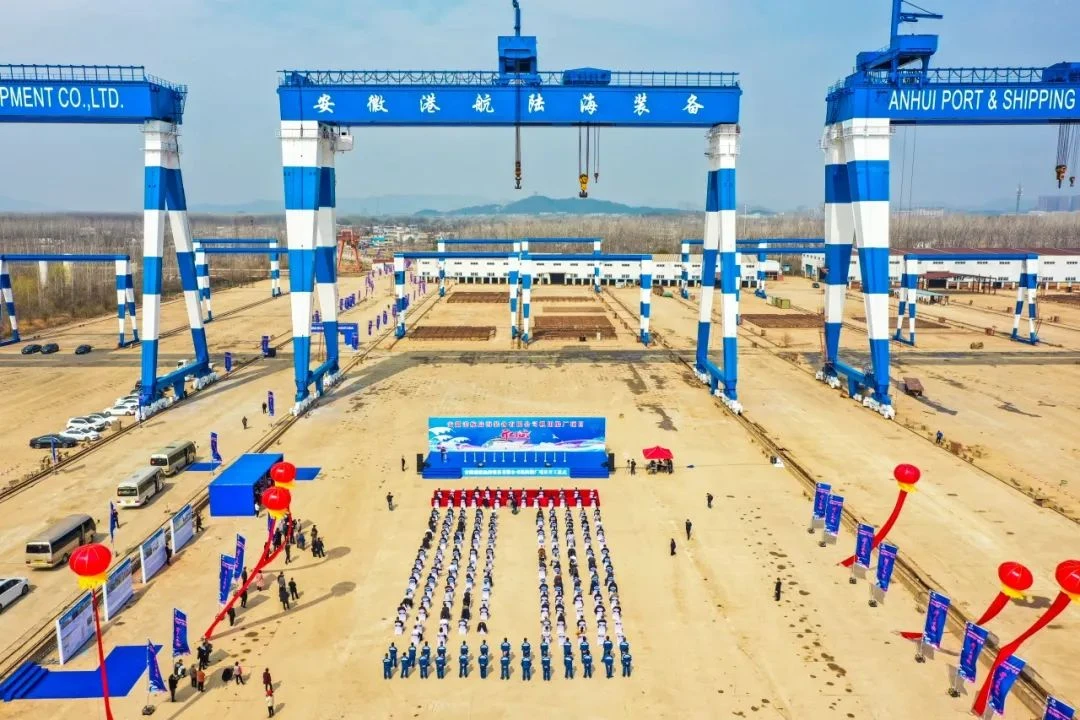
In a busy port environment, understanding port crane hoist speed is crucial for both safety and operational efficiency. Many operators misunderstand the impact of hoist speed, leading to errors that can result in accidents or costly work stoppages. The topic of "Port crane hoist speed: what operators get wrong" is essential for every team to address. Even small mistakes in speed control can disrupt the entire workflow and increase expenses. CEGC provides expert guidance on these risks and offers solutions to help operators avoid common pitfalls, ensuring smoother and safer port operations.
Key Takeaways
-
Always look at the load weight before you lift. Use load sensors to stop accidents and keep everyone safe. Watch the weather before you start. Change hoist speed if it is windy or rainy to stay safe. Do regular maintenance on the crane. Follow the inspection schedule to keep cranes working well and stop expensive problems.
Common mistakes with port crane hoist speed
Misjudging load weight
It is easy to guess a load’s weight wrong. This can happen when you are tired or stressed. RTG crane operators work long shifts, sometimes 8 to 12 hours. When you get tired, it is harder to focus. You might make mistakes in judging how heavy something is. These mistakes can cause safety problems and slow down work.
Here is what can happen if you guess the load weight wrong:
|
Consequence |
Description |
|---|---|
|
Increased Risk of Accidents |
Guessing wrong can make the load slip or the crane fall. This is dangerous for everyone. |
|
Crane Damage |
Lifting too much can break parts and cost a lot to fix. |
|
Load Damage |
If the crane cannot lift enough, things can fall or get damaged. |
|
Operational Delays |
Using the crane too hard slows work and costs more money. |
CEGC container cranes and portal cranes have special load sensors. These sensors show you the load weight right away. This helps you avoid mistakes. Anti-sway systems keep loads steady, even if you guess wrong.
Overloading the crane
You might think your crane can lift a little more, but this is not safe. Cranes are built with safety in mind. They can handle some extra stress, but not too much. If you lift too much, the crane wears out faster. It will need more repairs and might break down. Overloaded cranes can fail and cause accidents. This also makes the crane not last as long.
CEGC container handling equipment has safety interlocks. These stop you from lifting too much. You get alarms and the crane stops if it is not safe.
Ignoring environmental conditions
You should always pay attention to the weather. Wind, rain, cold, ice, salt air, and storms all matter. Wind can make loads swing or tip. Rain can hurt electrical parts. Ice makes things slippery.
|
Environmental Condition |
Impact on Crane Operations |
|---|---|
|
Wind |
Makes loads move, boom sway, and can tip or drop cargo. |
|
Rain |
Hurts electrical parts and makes the crane work worse. |
|
Humidity |
Can cause electrical problems over time. |
|
Cold Weather |
Makes hydraulic systems slow and electrical parts not work. |
|
Ice |
Makes the crane less stable and more dangerous. |
|
Salt Air |
Rusts metal and makes the crane weaker. |
|
Storms |
Makes accidents and problems more likely. |
Wind gets stronger as it blows faster. This puts more force on the crane. Strong winds can make the crane less safe. Bad weather makes mistakes and accidents more likely.
CEGC’s anti-sway control and wind sensors help you change hoist speed. This keeps things safe, even in bad weather. Special coatings protect your crane from salt and humidity.
Inadequate inspection and maintenance
You must check and fix your crane often. If you skip this, the crane can break suddenly. Each crane has a service class. Each class needs checks at certain times.
|
Service Class |
Maintenance Multiplier |
|---|---|
|
Class F |
4–5× standard intervals |
|
Class E |
3× standard intervals |
|
Class D |
2× standard intervals |
If you miss these checks, the crane can get weak or rusty. It might break without warning. CEGC’s systems help you know when to fix things. This keeps your crane working well.
Poor communication on site
Bad communication can be dangerous. You might not see the load. Workers might stand in unsafe spots. Loads can hit things, swing, or fall. If you cannot see well or signals are not clear, mistakes happen.
You can stay safe by doing these things:
-
Make a plan for lifting.
-
Use a trained banksman and signalman.
-
Block off the area under the crane.
-
Use tag lines to stop loads from swinging.
-
Check wind speed before you lift.
-
Stay away from buildings and power lines.
-
Use radios if you cannot see the load.
The best way to avoid mistakes is to have one person give signals. Use backup ways to talk. Make sure everyone knows who is in charge during hard lifts.
CEGC’s HMI and safety interlocks help you talk clearly. These features help you avoid mistakes and keep everyone safe.
Why these mistakes happen
Lack of training or experience
Being a crane operator is hard if you do not get enough training. New operators make more mistakes because they have not practiced much. The best training uses simulators. Simulators let you practice without any danger. You can try tough situations and learn what to do. You also build muscle memory by repeating actions. The table below shows why simulator training is helpful:
|
Benefit |
Description |
|---|---|
|
Risk-free practice |
You can make mistakes and not get hurt or break things. |
|
Complex lift scenarios |
Simulators let you try hard lifts you cannot do for real. |
|
Muscle memory development |
You repeat moves until they feel easy. |
|
Cost-effectiveness |
You save money because you do not use fuel or wear out equipment. |
|
Objective assessment |
Trainers can see how you are doing with real numbers. |
You also need to practice with experts. This helps you know what to do in emergencies. You learn to pay attention to everything around you. CEGC gives you tools and training that make learning easier.
Not following manufacturer specs
You should always do what the equipment maker says. If you do not follow the instructions, you can get hurt or hurt others. Every portal crane, container crane, or ship crane has rules for speed, weight, and weather. If you break these rules, you can damage the crane or cause accidents. CEGC gives you clear manuals and guides on their HMI to help you.
Relying too much on automation
Automation helps you work faster and safer. It makes fewer mistakes and puts containers in the right place. The table below shows some good things about automation:
|
Benefit |
Description |
|---|---|
|
Reduction in Human Error |
Less manual work means you make fewer mistakes. |
|
Wrong Container Pickups |
Automation stops you from picking the wrong box. |
|
Misplacement in the Yard |
You put containers in the right spot. |
|
Damage from Improper Handling |
Automation keeps cargo safe. |
|
Continuous Operation |
Machines do not get tired. |
But you should not trust machines all the time. If you only use automation, you might miss problems. Cyberattacks or system problems can be dangerous. You need to stay alert and be ready to take control. CEGC’s systems give you alarms and updates so you always know what is going on.
Consequences for safety and efficiency
Increased collision and load sway risk
There are many dangers if you do not follow safety rules. Moving the hoist too fast can make the load swing. This makes it hard to put containers in the right spot. You might hit other containers or the crane. The wire ropes and trolley frames can get damaged from too much force. People working close to the crane can get hurt. You need to use safety rules every time you lift. CEGC’s anti-sway control helps keep loads steady. You get alarms and signals to help you not make mistakes.
-
Hitting other containers or crane parts
-
Too much force on wire ropes and trolley frames
Equipment damage and downtime
If you do not follow safety rules, you can break your equipment. The crane operator should look for signs of damage. Lifting too much or moving too fast can break parts. You may have to stop work to fix the crane. This means you lose time and money. CEGC’s safety interlocks stop the crane from lifting too much. Predictive maintenance systems warn you before something breaks. You can plan repairs and keep your crane working longer.
Lower terminal throughput
Not following safety rules slows down the whole terminal. You spend more time fixing things or handling accidents. Ship schedules get delayed. Work in the yard stops. You lose money and miss important deadlines. CEGC’s systems help you keep working at a steady speed. You get updates and instructions in real time. This helps you avoid mistakes and keep your terminal running well.
Technical solutions for port crane hoist speed
Anti-sway and safe lifting controls
Anti-sway and safe lifting controls make cranes safer and faster. These systems have sensors that check how much the load swings. They also measure rope tension and where the load is. The crane changes how it moves right away. This keeps the load steady. It helps you put containers in the right spot. Anti-sway technology lets you move containers quickly and safely. The table below shows the main benefits:
|
Benefit |
Description |
|---|---|
|
Higher crane throughput |
Anti-sway systems allow for faster hoisting and movements without compromising safety. |
|
Shorter container cycle time |
This leads to improved efficiency in handling containers. |
|
Improved ship turnaround time |
Increased speed accuracy translates to greater revenue for terminals. |
You can use these controls on portal cranes, container cranes, and ship cranes. CEGC can make them fit each type of crane.
Motion coordination and speed profiles
Motion coordination helps the hoist, trolley, and gantry move together. Sensors watch the load and change the speed and how fast it starts or stops. This means there are fewer stops and starts. You get smoother and faster work. Load-dependent speed profiles match the speed to the weight and wind. This keeps things safe and working well. Even small changes in hoist speed can help you move more containers each hour. CEGC can set up these features for your equipment or platform.
Predictive maintenance and monitoring
Predictive maintenance helps you stop sudden breakdowns. Condition monitoring uses sensors to check shaking, heat, and oil quality. Early warnings let you fix problems before they get worse. This helps your crane last longer and not stop working. Monitoring alerts tell you about overloads and motor heat. This protects your crane. You get better performance and move more containers each year. CEGC’s predictive maintenance package works with all crane types, like container gantry cranes and ship loaders. As a crane operator, you have fewer surprises and safer work days.
Port crane hoist speed: what operators get wrong in practice
Real-world scenarios
Many mistakes happen when using cranes at busy ports. Sometimes, people hurry to finish and forget to check the weather. They might not look at the load weight or skip a safety check. These choices can cause problems. For example, you might move a container too fast. The container can start to swing. It could hit another container or even break the crane. In other cases, you might trust automation too much. You may miss a warning on the screen. These real stories show why it is important to know about port crane hoist speed: what operators get wrong.
Tip: Always watch for alarms and signals when using the crane. They help you stay safe and avoid accidents.
How to avoid common mistakes
You can stop most mistakes if you follow some easy steps. First, always check the load weight before lifting. Use the sensors and screens on your crane. Second, look at the weather and change your speed if you need to. Third, do not skip daily checks. Fourth, talk with your team before you lift anything. Good communication keeps everyone safe. Fifth, do not trust automation all the time. Stay awake and ready to take over. If you use CEGC’s systems, you get alarms, anti-sway controls, and easy-to-read screens. These tools help you avoid the main problems with port crane hoist speed: what operators get wrong. You make crane work better and keep your port running well.
|
Common Mistake |
How to Avoid |
|---|---|
|
Ignoring load weight |
Use load sensors and displays |
|
Overlooking weather |
Check wind and adjust speed |
|
Skipping maintenance |
Follow daily inspection routines |
|
Poor communication |
Hold team briefings before lifts |
|
Over-trusting automation |
Stay alert and monitor all systems |
You can get better at port crane hoist speed: what operators get wrong by using good habits and CEGC solutions. This will make crane work safer and help your port work better.
-
You can stop expensive mistakes if you check the load weight. Watch the weather and keep your crane in good shape.
-
CEGC’s training and technical solutions help you work safer and quicker.
Tip: Pick CEGC’s port machinery that you can customize. This will help you stay safe and work better. Always make hoist speed management your main focus.
FAQ
What is the best way to improve safety during crane operations?
You should always look at the load before lifting. Use anti-sway controls every time you work. Always follow safety signals and rules. These steps help keep everyone safe. They also make crane work go faster and smoother.
How do weather conditions affect crane operations?
Wind, rain, and humidity can make crane work dangerous. You need to check the weather before you start. Change your hoist speed if the weather gets bad. This helps keep people safe while using the crane.
Why is regular maintenance important for crane operations?
Regular checks help you find problems early. This means the crane works well and does not break suddenly. You can stop big repairs before they happen. This saves money and keeps the crane running.


