
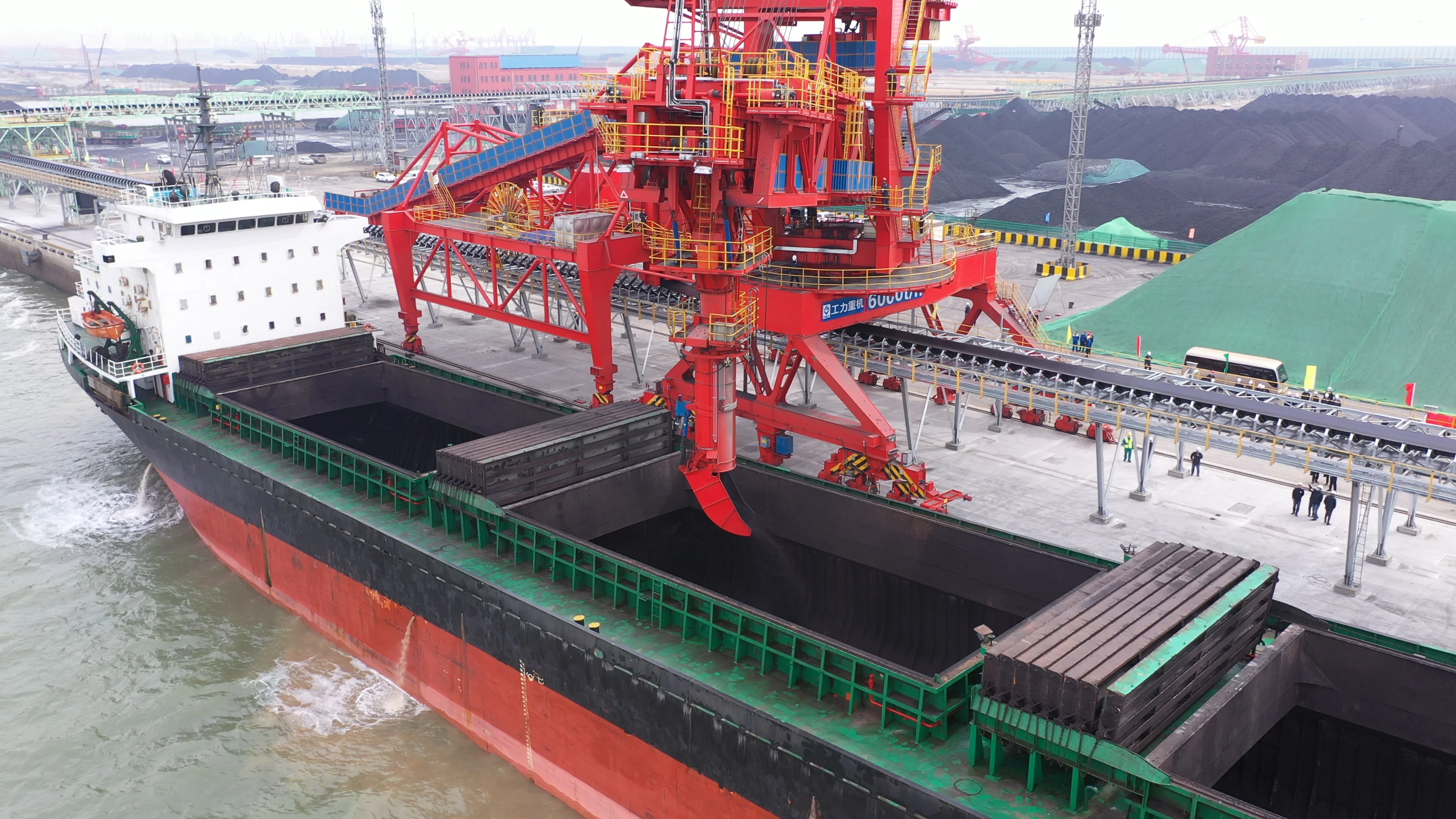
You use data logs to help with container crane swing: diagnose with data logs problems. These logs give you facts with dates and times. This helps you know when swings happen and why. The table below shows how real-time data helps container crane swing: diagnose with data logs.
|
Evidence Description |
Impact on Diagnosis |
|---|---|
|
Real-time data collection from multiple sensors (position, speed, stress, vibration, swing angle) |
Makes finding swing problems faster and more correct |
|
Integration of data into a digital twin model for monitoring |
Lets you check and control things right away, making work safer |
|
Historical data reproduction for further analysis |
Helps you learn from old problems and fix new ones better |
With container crane swing: diagnose with data logs, you get quick and correct answers. CEGC gives you tools for safety, anti-sway, and fixing things before they break. Container crane swing: diagnose with data logs also helps you stop delays and do better work. You make smarter choices when you use container crane swing: diagnose with data logs.
Key Takeaways
-
Use data logs to find container crane swing problems fast and correctly. This helps stop accidents and keeps equipment safe from harm.
-
Check data logs often to spot patterns and main reasons for swing problems. Doing this early lowers the time cranes are not working and saves on fixing costs.
-
Add anti-sway systems and give operator training to make things safer and work better. These steps keep loads steady and help cranes work well.
Container crane swing: diagnose with data logs process
What is crane swing and why it matters
Crane swing happens when a load moves back and forth. This happens while the load hangs from a container crane. The movement can start when lifting or lowering. It can also happen when the crane moves. Sway control technology helps stop the swing. It keeps the load steady and safe. This stops accidents and damage to equipment. Using sway control makes work safer and faster. Operators can focus on steering and lifting. They do not have to worry about sudden swings.
-
Sway control technology is important for stopping load swing during crane work.
-
It helps stop dangerous swinging that can cause accidents or damage.
-
With sway control, operators can lift and lower loads safely without worrying about swing.
Key data logs for swing diagnosis
You use different data logs to find problems. Load logs show how much weight the crane lifts. Motion logs track the crane’s speed, direction, and position. Wind logs record how fast the wind blows and which way it goes. Wind load data is important because strong winds can make the swing worse. High winds can also mess up the crane’s alignment. You also check hydraulic and electrical logs. These help you find steering problems or other warning signs. The logs help you spot problems before the crane breaks down.
Indicators and patterns in logs
You look for patterns in the logs to help find problems. Sudden changes in swing angle can be a sign. Spikes in wind speed or strange hydraulic pressure can also show issues. If you see swings after every lift, you might need to fix the anti-sway system. CEGC’s condition monitoring and safety interlocks help you find these problems early. Checking logs often helps you fix things before they break. This keeps your equipment working well and reduces downtime.
Troubleshooting swing issues with data logs
Step-by-step log analysis
You can fix crane swing problems by using a simple process. First, collect all the data logs from your container crane. These logs have load, motion, wind, hydraulic, and electrical data. Use crane management software like Kuenz Information System or Crane Management System. These tools help you look at alarms, maintenance records, and crane state in one place.
Next, check the logs for the time when the swing happened. Look for changes in swing angle, fast wind, or strange motor actions. Compare these things with what the operator did and the weather. Use replay tools in your software to see how the crane moved during the problem. This helps you find patterns and figure out what caused the swing.
You can also use CPA's crane analysis software to check if your crane is strong and stable. This software lets you model the crane and see if any part is stressed. By following these steps, you can fix problems faster and more correctly.
Interpreting results and finding root causes
When you finish looking at the logs, you need to find out why the swing happened. Common causes are wind load, operator mistakes, or problems with hydraulic or electrical systems. You can spot wind load problems by checking for high wind speed before or during the swing. Operator mistakes show up as sudden or jerky moves in the motion logs. Hydraulic or electrical problems may look like pressure drops or voltage spikes.
The table below shows how log patterns match root causes:
|
Log Pattern |
Possible Root Cause |
|---|---|
|
Sudden swing after wind spike |
Wind load |
|
Irregular motion or abrupt stops |
Operator error |
|
Pressure drop or voltage spike |
Hydraulic/Electrical fault |
|
Repeated swings after each lift |
Anti-sway system issue |
You can use advanced troubleshooting to learn more. For example, AI and math models can help you guess problems before they happen. Looking at sensor trends and old logs lets you see if a motor or part is wearing out. This helps you stop emergency repairs and save money.
Practical troubleshooting actions
After you find the cause, you need to act. If wind load caused the swing, change your crane’s limits during strong winds. If you see operator mistakes, give more training or use better HMI systems. For hydraulic or electrical problems, plan maintenance or change bad parts.
You can also upgrade your equipment to stop future problems. Vision-based systems with RGB-D cameras help with alignment and reduce swing. Modular mounts and AI cameras help you get better position data. Motor torque control with variable frequency drives can lower load movement.
Anti-sway controls help keep the swing angle small. Data logs show these systems keep the hook swing angle safe, even with problems. Operator training also helps stop mistakes and keeps the load steady.
Checking logs often helps with predictive maintenance. This helps you avoid sudden breakdowns and makes your crane last longer. You save money by stopping emergency repairs and keeping your equipment safe. Digital systems also help you follow safety rules by keeping good records.
CEGC lets you pick the right sensors, anti-sway systems, and monitoring points for your crane. Predictive maintenance from CEGC gives you real-time checks and early warnings. This helps your container handling equipment work well and stay safe.
Tip: Checking and fixing problems with logs often makes your crane safer, better, and cheaper to run.
You get clear help when you use data logs for crane swing diagnosis. CEGC’s anti-sway systems and safety interlocks keep loads steady and stop accidents. The table below shows how these things make cranes work better:
|
Feature |
Benefit |
|---|---|
|
Anti-sway systems |
Safer, smoother operations |
|
Safety interlocks |
Faster, safer loading |
|
Automation and sensors |
Better efficiency and control |
You can make your crane more reliable by teaching your team to read logs. Add log checks to your regular maintenance. Start with watching data in real time and finding problems early. This stops breakdowns and helps your container equipment last longer.
FAQ
How often should you check data logs on your container crane?
Check your data logs every day. This helps you find problems early. It also keeps your container crane safe and working well.
What is the main benefit of using expert crane diagnostics?
You can solve problems faster and work more safely. Expert crane diagnostics help you find swing issues quickly.
Can you use data logs for predictive maintenance?
Yes, you can use data logs to plan repairs early. This helps stop breakdowns and saves you money.


