
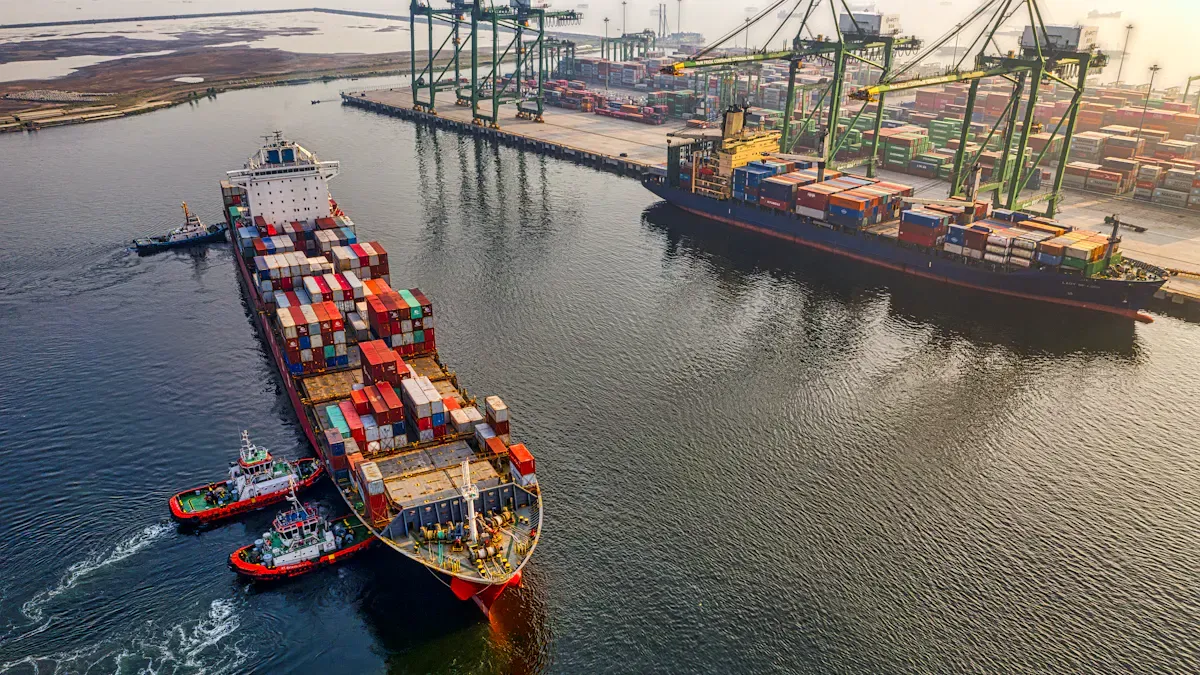
Port crane: raise pick success. You see the effects every day in port work. Mechanical problems like stuck bearings or worn grooves can stop container moves. These problems can cost thousands of dollars each hour. Fix these problems by improving operator skill, using automation, and adding new technology. CEGC gives market-standard specs and can customize projects.
|
Mechanical Issue |
Description |
|---|---|
|
Trolley |
Moves the spreader along the boom and girder; can have problems from rail surface defects that hurt bearings and gearbox life. |
|
Boom Lift |
Raises or lowers the boom; very important during ship work; can get bearing problems from False brinelling. |
|
Wheel's Drive |
Moves the crane on rails; spreads weight and loads across wheels. |
|
Gearbox Defects |
Includes wear, cracks, and loose bearings. |
|
Bearing Defects |
Means wear, cracks, and problems with lubrication. |
|
Motor Defects |
Covers rotor problems and unbalance. |
|
Coupling Issues |
Includes misalignment and mechanical looseness. |
Key Takeaways
-
Find and fix mechanical problems to stop expensive delays. Doing regular maintenance and teaching operators can make cranes work better.
-
Use predictive maintenance to spot issues early. This method can lower sudden breakdowns by more than 20%. It helps cranes work well without stopping.
-
Use advanced anti-sway systems to make things safer and faster. These systems can reduce load sway by over 90%. This makes crane jobs quicker and safer.
Port crane: raise pick success
Identify failure causes
You need to know why rmg cranes sometimes do not pick up containers. Many things can stop your port crane: raise pick success. If you know the reasons, you can fix them faster. This helps your rmg cranes work better. Here are the main reasons for pick failures:
-
Mechanical failures in rmg cranes, like worn bearings or broken gearboxes
-
Motor and drive system failures that stop the crane from moving
-
PLC and sensor failures that mess up control and feedback
-
Power supply and cable reel issues that cut off energy
-
Hydraulic and braking system failures that make stopping unsafe
-
Human and operational factors, such as operator mistakes or poor training
-
Environmental and outside factors, like strong winds or bad weather
Operator mistakes are a big problem too. Sometimes, someone starts a lift without checking if the cargo is safe. Operators may not know the load limits of rmg cranes. Bad maintenance can mean missed checks and hidden problems.
The port environment can make things worse. Salt in the air can cause rust. Very hot or cold weather can hurt equipment. Bad ground can stress rmg cranes and lower how well they work.
Anti-sway and safety systems
Load sway is a big problem for rmg cranes. When a container swings, it is hard to put it in the right place. This can slow down your port crane: raise pick success and make crashes more likely. You need strong anti-sway and safety systems to keep your rmg cranes safe and working well.
|
Study |
Findings |
|---|---|
|
Kim et al., 2004 |
Used an inclinometer for sway detection. It was cheap and lasted long. |
|
Serkan et al., 2021 |
Used motor torque control to stop load swing. |
|
Ngo & Hong, 2014 |
Used fuzzy-based control to fix cargo tilt and offset. |
|
Better Crane |
Electrical anti-sway systems cut sway by over 90% and boost work by 30%. |
|
Cranes DQ |
Anti-swing technology made crane work much better. |
You can use passive, semi-active, or active systems on your rmg cranes. Passive systems use strong frames and dampers. Semi-active systems use stabilizers. Active systems use sensors and smart controls to stop sway right away. These systems help your port crane: raise pick success by making moves more exact.
Safety interlocks are important too. The Anti-Two-Block (A2B) system can cut accidents by up to 70%. It stops the crane if a crash is about to happen. This keeps your team safe and protects your rmg cranes from damage. You get better work and fewer accidents.
Predictive maintenance
You want your rmg cranes to work all day with no surprise stops. Predictive maintenance helps you do this. It uses real-time data to find problems before they stop your port crane: raise pick success. Sensors watch for changes in vibration, temperature, and other signs. If something is wrong, you get a warning.
-
Predictive maintenance uses real-time data to find problems early.
-
It protects your rmg cranes and keeps your port running well.
-
Sensors on hydraulic and electrical systems help you avoid sudden stops.
-
Real-time checks can make equipment almost always ready.
-
You can cut surprise failures by over 20% with predictive maintenance.
-
Early warnings let you fix small problems before they get big.
CEGC gives predictive maintenance that meets or beats industry standards. You can see up to 35% less downtime and save up to 20% on costs. This means your rmg cranes keep working, your port crane: raise pick success stays high, and your work gets better every day.
You can also add automated positioning to your rmg cranes. This technology uses sensors and smart controls to put containers in the right spot every time. It boosts your port crane: raise pick success and makes your work even better.
When you use these solutions, you get the best from your rmg cranes. You raise pick success, improve work, and keep your port running fast.
Container handling optimization
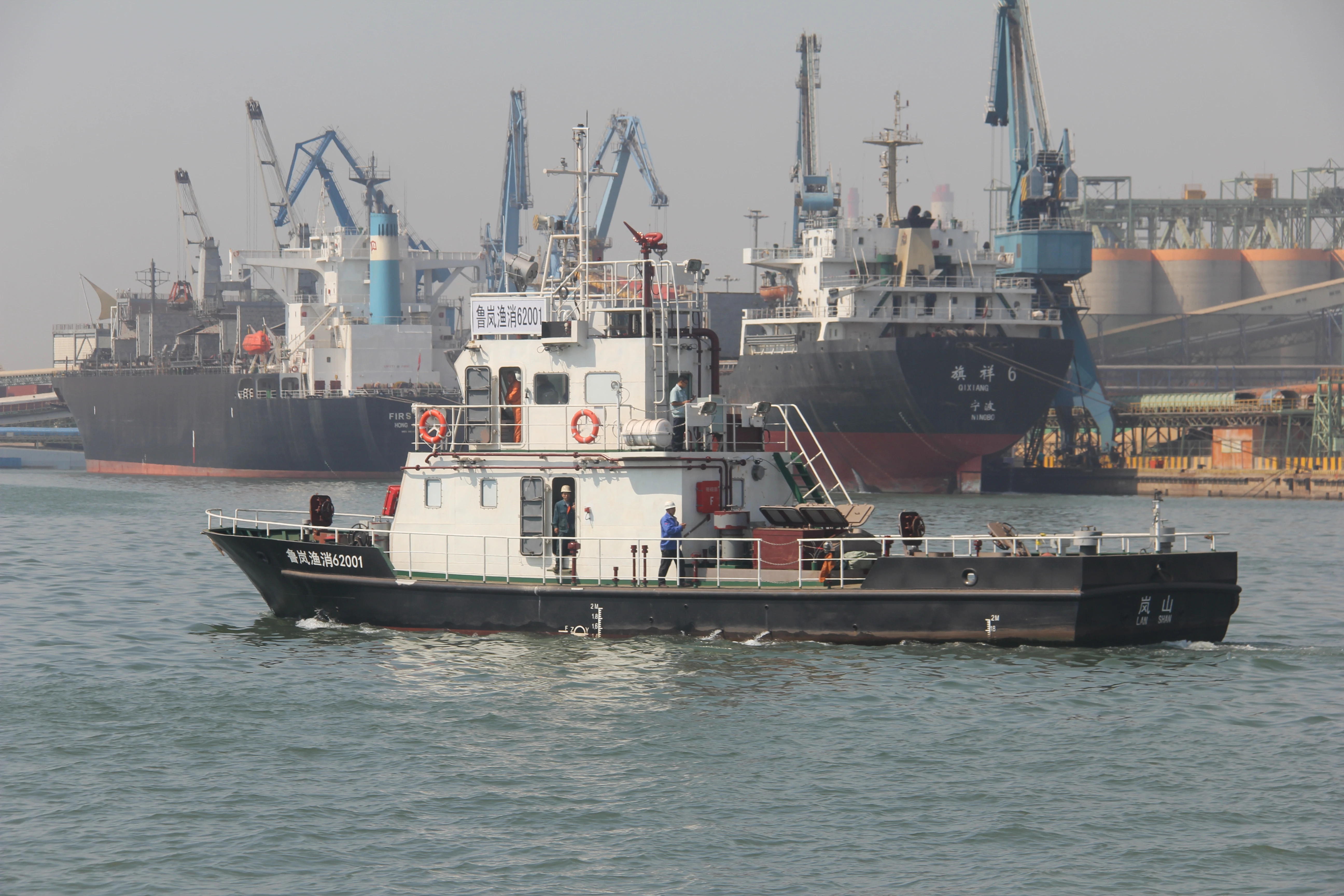
Motion coordination and cycle time
You want your port to move containers fast and safe. Good motion coordination helps you save time. It also cuts down on waiting. When rmg cranes move with care, you can handle more containers each hour. This makes your port work better and keeps the yard clear. Many ports use smart container handling systems. These systems help manage stacks and yard space. They stop traffic jams and keep things running smooth.
|
Benefit |
Description |
|---|---|
|
RMGs are great at moving containers fast. They use careful moves to make work easier. |
|
|
Reduced Idle Time |
RMGs help use yard space well and cut down on waiting. |
|
Increased Operational Productivity |
Automation helps ports get more work done. |
You can use smart container recognition and planning tools. These tools help put containers in the right place every time.
Data analytics and workflow integration
You can make your work better by using real-time data. This lets you see what happens in your port all the time. With smart analytics and machine learning, you can plan better. You also use your resources well. Many ports have seen ships leave 20% faster after using these tools. You can also lower pollution by up to 20% with better planning.
-
SMART PORTS use data to make ships leave 20% faster.
-
Smart analytics help you know when berths are free and save fuel.
-
Automated planning makes your port work better.
Smart container recognition helps you track containers and avoid mistakes. When you use these tools, your port works better and moves more containers.
Marine durability and lifecycle cost
You need your equipment to last in tough places. Salt, wet air, and dust can hurt your cranes. CEGC gives you container handling solutions with strong coatings and seals. These upgrades help your rmg cranes last longer and cost less to fix.
-
Strong materials and seals protect your cranes from rust and damage.
-
Rust-proof parts help your equipment last longer.
-
Regular checks and early fixes keep your cranes working.
-
Special maintenance plans help with your port’s needs.
You can pick custom coatings, speed levels, and maintenance plans for your equipment. This keeps your port running well and protects your money.
Port crane operator performance
Training and HMI support
You can make port crane operators do better with good training and easy-to-use HMI systems. Training starts with simple lessons and moves to harder skills. Many ports use simulators so you can practice safely. These simulators use VR and real controls to show problems you might face. You learn without any danger. CEGC gives simulator options that let you practice real situations and remote operation. This means you can get ready for emergencies and daily jobs before using a real crane.
|
Training Method |
Description |
|---|---|
|
Uses simulation tools to copy real-life situations. Trainees practice safely. VR makes training feel real in different conditions. |
|
|
Practical Operation Phase |
Hands-on training is split into modules. You learn basic moves, bigger tasks, and how to handle emergencies. You must pass tests to move forward. |
|
Safety Education Content |
Teaches about common risks, how to prevent them, and what to do in emergencies. Operators learn to be ready for dangers and emergencies. |
Training with simulators helps you learn faster and make fewer mistakes. CEGC’s support systems give you clear HMI screens. You see alarms, crane status, and step-by-step guides. This support helps operators do better and reach performance goals.
Safety protocols and consistency
You need strong safety rules to keep port crane operators working well. Safety checks and regular inspections help you find problems early. CEGC helps with smart systems that guide you through each step. You can use remote controls to run cranes from safe places.
|
Safety Protocol |
Description |
|---|---|
|
Pre-Operation Safety Checks |
Check the crane and area for dangers before starting. |
|
Operator Training and Certification |
Make sure all operators are trained and certified by NCCCO rules. |
|
Site Assessment and Planning |
Look at the worksite to find risks and make a safe plan. |
|
Ongoing Training and Education |
Update training often for everyone working with cranes. |
|
Regular Equipment Maintenance |
Inspect and fix equipment often to keep it working well. |
|
Establishing a Safety Culture |
Encourage people to talk about unsafe actions and report them. |
You get better results when you follow these steps. CEGC’s support systems help cut training time and make things safer. You see fewer accidents and more steady work. With good training, safety checks, and support, you can reach top port crane operator performance every day.
You can make pick success and throughput better by doing these things:
-
Add upgrades like electrical drive retrofits and PLC enhancements.
-
Do regular inspections to make work safer and more exact.
-
Train operators and use predictive maintenance to lower mistakes.
|
Improvement Area |
Measurable Result |
|---|---|
|
Yard Crane Productivity |
|
|
Workflow Efficiency |
Easier for operators |
Keep improving and use CEGC’s solutions to help your port stay strong.
FAQ
What makes CEGC port cranes reliable for container handling?
You get strong anti-sway systems. The cranes have marine-grade protection. Predictive maintenance is also included. These things help your cranes last longer. They also keep your cranes safe in hard port conditions.
How does predictive maintenance help my port operations?
Sensors and data help you find problems early. You can fix issues before your cranes stop working. This saves you time. It also lowers how much you spend on repairs.
Can I customize CEGC cranes for my port’s needs?
Yes, you can. You pick the capacity and span you want. You choose the duty cycle and power type. You can also pick the anti-corrosion grade. CEGC gives you the right features for your project.


