
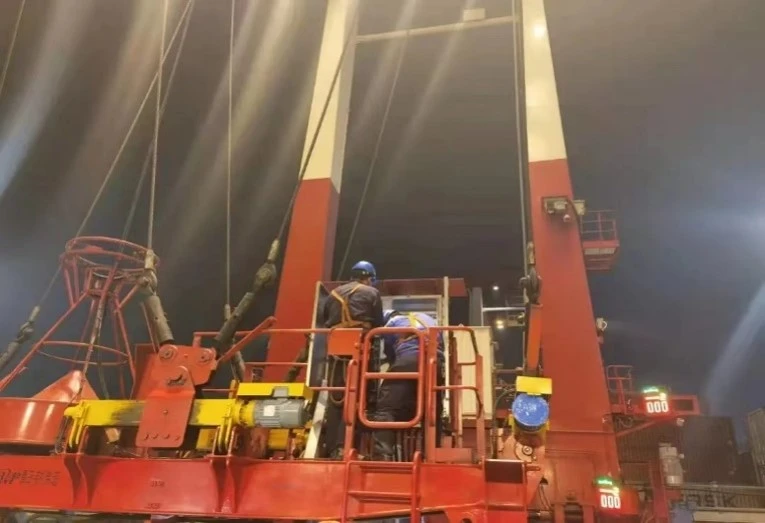
To address port crane swing accidents: how to prevent them, it’s essential to implement advanced smart control systems and provide frequent operator training. Safety and operational efficiency are top priorities for every port authority and terminal operator. CEGC delivers port machinery that not only meets market-standard specifications but also offers customized solutions tailored to your needs. By adopting these technical advancements from CEGC, you can significantly improve performance and reduce the risk of port crane swing accidents.
Key Takeaways
-
Use smart control systems to help stop crane swing and make things safer. - Give operators training often so they get better and avoid accidents. - Use anti-sway technology to keep loads steady and lower the chance of crane swing.
Causes & Impact of port crane swing accidents
Common causes of crane swing
When you use portal cranes, container cranes, ship cranes, or cargo cranes, there are many dangers. Port crane swing accidents can happen because of simple mistakes or things like bad weather. These are the main reasons why crane swing happens:
-
If the crane speeds up or slows down quickly, the load can start to swing.
-
Wind can push the crane and the container, making them move and bend.
-
Sometimes, operators make mistakes if they do not get enough training or if people do not talk clearly.
-
If the brakes do not work or the cables are old, the crane can become unstable.
-
Loads that are not balanced or are uneven can make the crane sway more.
-
Operators who do not have enough skill might use the controls too roughly, which makes the swinging worse.
-
If you do not get ready before lifting, it can be dangerous.
You can stop crane swing if you know these causes and use the right safety steps.
Wind and weather are very important for crane swing. Strong winds can push sideways and make lifting less safe. This also makes crashes more likely. Always check the wind speed and how tall the crane is before you start.
Effects on port operations and safety
Crane swing accidents can hurt your port in many ways. If you do not stop crane swing, you will see less work done and spend more money. Here are some things that can happen:
-
Accidents can kill people or cause bad injuries. OSHA says that one out of every 1,000 maritime crane operators dies from an injury.
-
Crane swing can break things and cost a lot of money.
-
Workers can get hit by machines or objects and get hurt.
-
When accidents happen, it takes longer to move containers and ships have to wait more.
-
If accidents happen a lot, people will not trust your safety rules.
You need to stop port crane swing accidents to keep your team safe and your port working well.
Prevention strategies & crane swing control
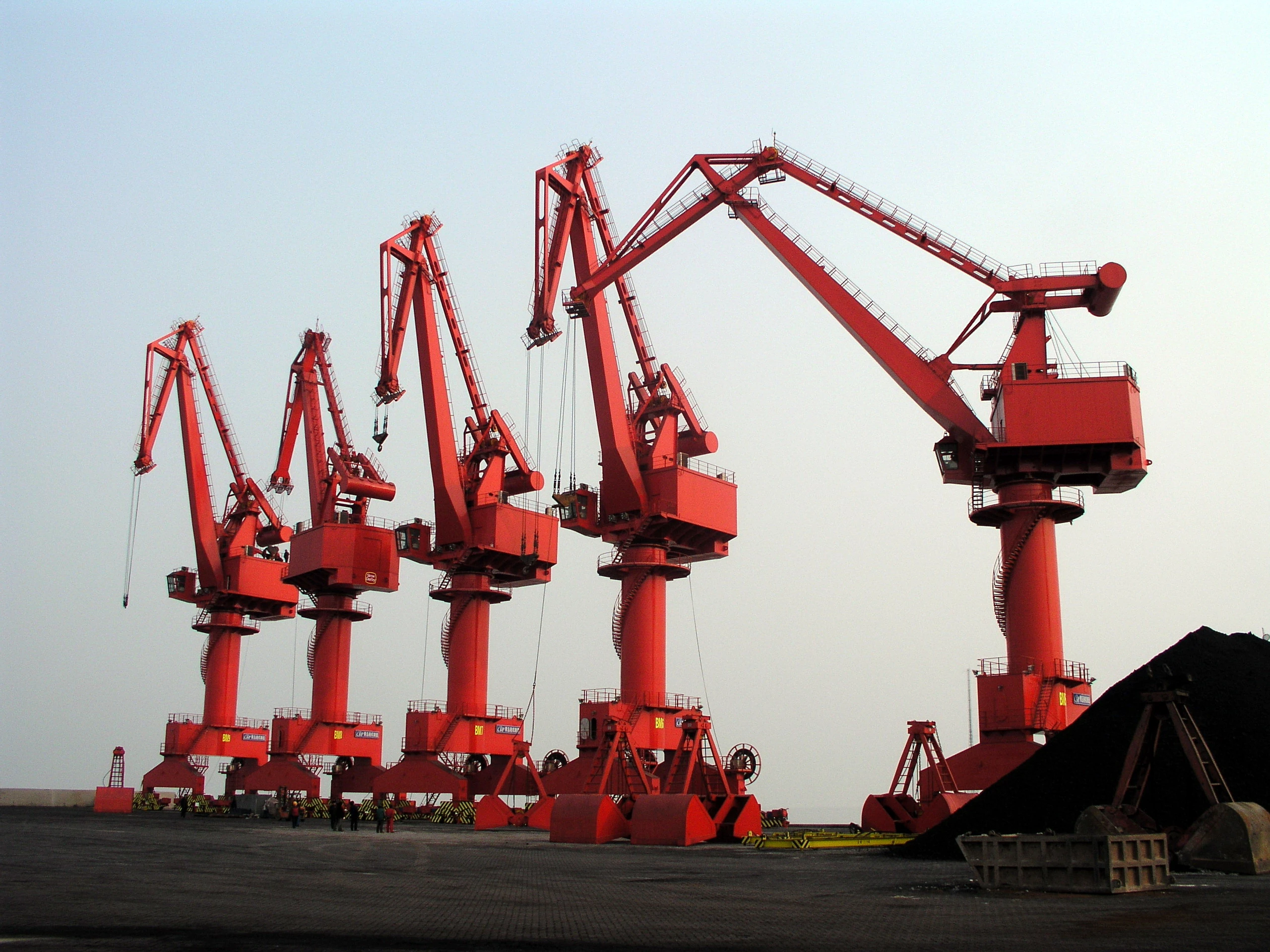
You can stop many port crane swing accidents by using smart technology and simple steps. Crane swing control means you need good operator training, anti-sway systems, safety interlocks, regular checks, and watching the weather. These ideas help keep your port safe and working well.
Operator training and certification
You need skilled operators to stop crane swing. Training shows your team how to use container gantry cranes, Reach Stackers, ship loaders, and other equipment safely. Operators learn to balance loads, read charts, and see dangers. Certification proves they know the rules and can handle emergencies. You must follow OSHA rules and check if operators are healthy. Training all the time keeps skills strong and helps your team deal with crane swing. Good operators finish lifts faster and make fewer mistakes.
-
Operators must finish both classroom and hands-on lessons.
-
Certification comes from trusted testing groups.
-
Employers must check health and skills of operators.
-
More training helps everyone get ready for new problems.
Anti-sway systems and crane swing control technology
Anti-sway systems are important for crane swing control. These systems use sensors and smart controls to keep loads steady. When you move shipping containers or work on offshore platforms, anti-sway technology helps you avoid accidents. It makes the load swing less and stops crashes with other cranes or trucks. You get better control, drop fewer loads, and crane parts last longer. New crane swing control technology also helps you work faster and pay less for repairs. Safety rules around the world tell ports to use anti-sway systems for safer work.
-
Anti-sway systems lower the chance of accidents.
-
They stop loads from swinging too much and help operators put cargo in the right spot.
-
Steady loads mean faster work and fewer delays.
-
CEGC has anti-sway solutions for container gantry cranes and ship loaders.
Safety interlocks and collision prevention
Safety interlocks keep your team and machines safe. These devices make sure cranes only move when it is safe. They stop unsafe moves and keep people safe during repairs. You find overload protection, anti-two-block devices, limit switches, emergency stop buttons, and outrigger interlocks in new cranes. Each one has a special job to keep your crane safe.
|
Safety Interlock Type |
Function |
|---|---|
|
Overload Protection System |
Shuts off power if you try to lift too much. |
|
Anti-Two-Block Device |
Stops hoisting if the hook block gets too close to the boom tip. |
|
Limit Switches |
Stops crane movement at set points to prevent damage. |
|
Emergency Stop Buttons |
Lets you cut power fast in emergencies. |
|
Outrigger Interlocks |
Makes sure outriggers are set before lifting to prevent tipping. |
Safety interlocks help you control crane swing and stop crashes. You can trust CEGC to give you cranes with many safety interlocks and easy-to-follow guides.
Equipment maintenance and inspection
Regular checks and repairs keep your cranes safe and working well. You must look at cables, brakes, and other parts often. Predictive maintenance uses sensors and data to find problems before they cause accidents. This way, you have less downtime and pay less for repairs. You should follow a plan for checks:
|
Frequency |
|
|---|---|
|
Daily Inspections |
Look over the crane before each shift |
|
Frequent Inspections |
Service checks every 3 months |
|
Periodic Inspections |
Full checks at set times |
|
Major Inspections |
Needed for older cranes |
You can use variable frequency drives (VFDs) for smooth starts and stops. VFDs help stop crane swing by controlling speed and power. Rail clamps lock container gantry cranes in place when it is windy. They use the crane’s weight to hold it still and keep it from moving.
Rail clamps are locking devices that stop cranes from moving when there is strong wind. They grab the rail and use the crane’s weight to hold tight against the wind, so the crane stays steady.
CEGC has predictive maintenance and tough options for your port.
Environmental monitoring and exclusion zones
Watching the weather helps you set safe rules for crane work. You must check wind speed and weather before lifting. Real-time systems warn you when it is not safe. You can make exclusion zones using weather data to keep people and machines away from danger. Setting wind speed limits for different cranes keeps your team and cargo safe.
-
Watching the weather finds dangers that cause crane swing.
-
Exclusion zones lower the chance of accidents from swinging or dropped loads.
-
Wind speed limits are between 20 and 39 mph for different cranes.
-
CEGC has solutions for watching the weather and setting up exclusion zones.
You can stop crane swing and keep your port running well by using these ideas together. CEGC gives you automation, anti-sway systems, and predictive maintenance to help you handle port crane swing accidents. You can pick the safety, strength, and automation features that fit your port best.
You can make your port safer and work better by using anti-sway controls. Regular maintenance and operator training also help a lot. CEGC lets you pick systems that fit your needs. This helps you get better results.
|
Benefit |
Description |
|---|---|
|
Watching cranes in real time helps stop accidents and lowers risks. |
|
|
Safety steps mean less time stopped and fewer accident costs. |
Pick CEGC if you want your crane work to be safer and smarter.
FAQ
What is crane swing and why does it happen?
Crane swing is when the load moves from side to side. This can happen if the wind is strong or if you move the crane too fast.
How can you prevent crane swing accidents at your port?
You can stop crane swing by using anti-sway systems. Train your operators often and check your equipment a lot. CEGC has crane swing control solutions to make container handling safer.
Which CEGC products help with crane swing control?
|
Product Name |
Feature |
|---|---|
|
Anti-sway technology |
|
|
Safety interlocks |
|
|
Predictive maintenance |


