
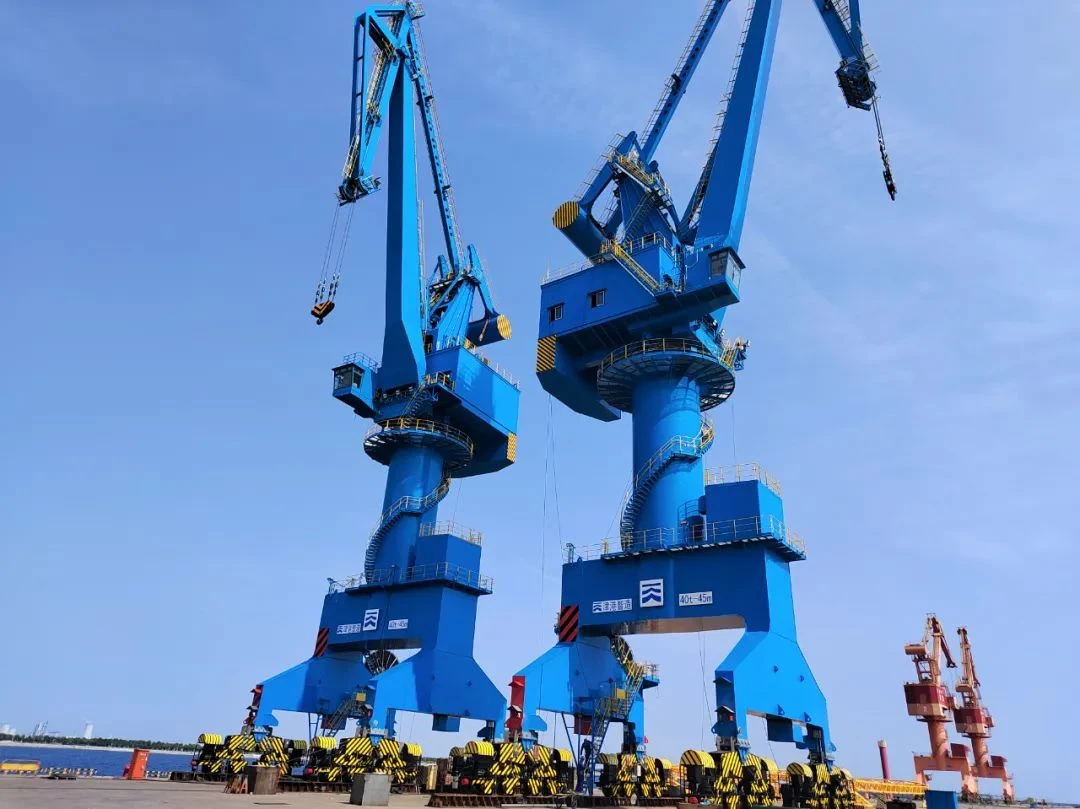
You see port crane: weather resilience that wins tenders helps you do well at every port. Weather can be tough with wind, rain, and salt. You know safety is important when weather makes things hard for your team. Safety is the most important part of port crane: weather resilience that wins tenders. CEGC gives you port crane: weather resilience that wins tenders. Port crane: weather resilience that wins tenders means you believe your equipment can handle bad weather. Safety gets better when you pick port crane: weather resilience that wins tenders.
Key Takeaways
-
Weather-resilient cranes make work safer and faster in bad weather. They help keep things running and keep your team safe.
-
Doing regular check-ups and using smart technology can cut down on breaks. This can make cranes ready to use up to 30% more.
-
You can change cranes to fit what your port needs. This helps them work better and can help you win more tenders.
Extreme weather and harsh conditions for port cranes
Wind, rain, and temperature extremes
Ports often have bad weather. There can be strong winds and heavy rain. These can stop portal crane and container crane work. When winds are strong, you must stop moving cargo. This keeps your team safe. Rain and floods can cover container yards. Floods can also block roads. You also face big changes in temperature. Heat makes metal parts get bigger. Cold can make steel break more easily. Both hot and cold weather can slow your work. They can also hurt your equipment. The table below shows how weather can change your port crane work:
|
Extreme Weather Event |
Impact on Port Crane Operations |
|---|---|
|
Storms |
Berthing and unberthing may be canceled or delayed |
|
Strong Winds |
Crane work stops, cargo loading and unloading is delayed |
|
Flooding |
Container yards get covered, roads can be blocked |
|
Droughts |
Supply chains are disrupted by low water in waterways |
Corrosion and saltwater exposure
You work where salt and humidity are always around. Salt in the air and wet weather hurt metal parts. Corrosion is a problem every day for your portal crane, container crane, and ship crane. Salt and water can wear away coatings that protect metal. You need to check for corrosion often. Damaged parts must be replaced. Cranes in these places need more oil to keep salt off moving parts. Dust and sand can get inside systems too. You use dust seals and special oils to help. In dirty areas, you add filters to protect engines and hydraulics. If you do not fix corrosion, your equipment can break. This will cost you more money.
Operational challenges in harsh conditions
You must keep your port open even when weather is bad. Hard weather, salt, and humidity can cause your cranes to stop working. Sometimes you must stop work during storms. This slows down cargo handling and changes your schedule. Sea levels are rising and storms are happening more often. This can hurt quay infrastructure. Heavy rain can flood your work area. Extreme heat can make your team tired and damage equipment. Bad weather can make your work slower. It can also make customers worry. You need strong container handling equipment. You also need a good maintenance plan to deal with tough weather.
Weather-proofed performance: technical solutions and safety
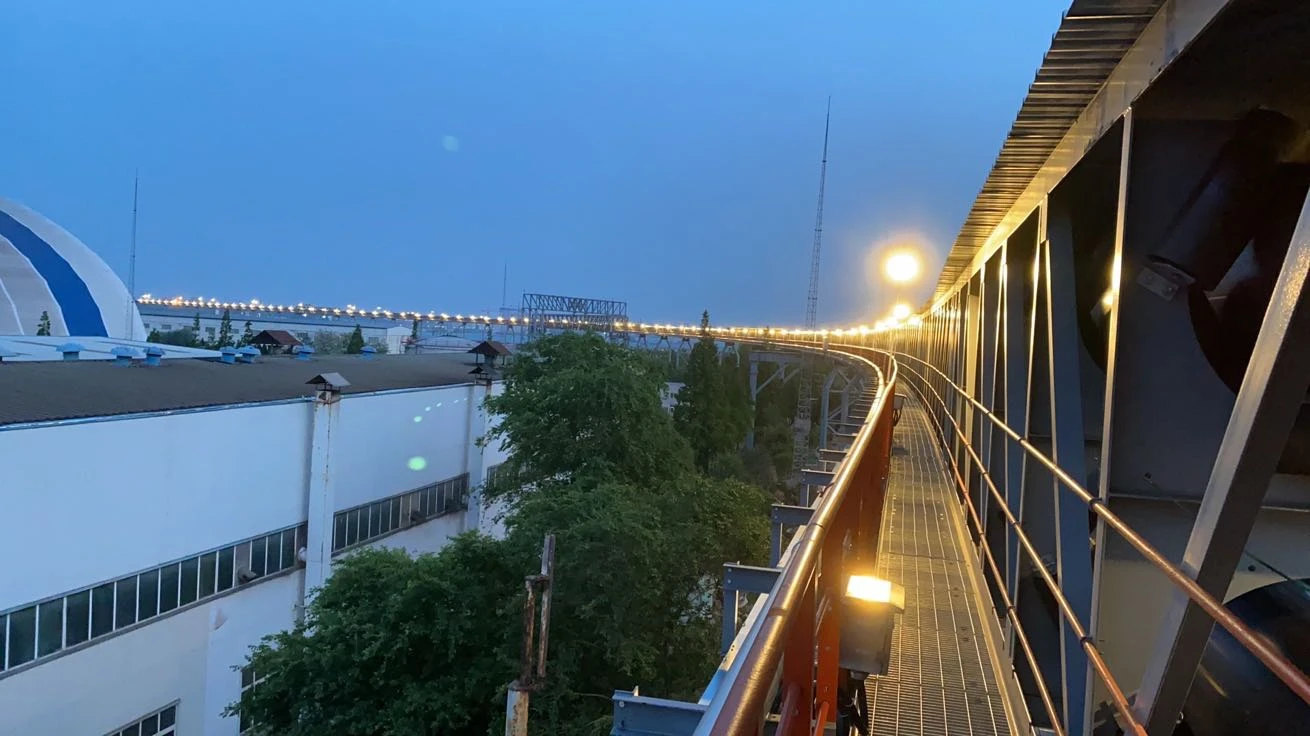
Anti-sway and safe lifting control
Strong marine crane controls help keep your team safe in storms. Anti-sway systems stop loads from swinging and keep cargo steady. Sensors and special controls watch wind and movement. The table below shows how different technologies work:
|
Technology/Method |
Description |
|---|---|
|
Anti-sway crane systems |
These systems stop load sway, reduce operation time, and improve handling efficiency and safety. |
|
Environmental Monitoring Systems |
Sensors track wind, temperature, and humidity, adjusting operations in real time. |
|
Automation and Remote Operation |
Reduces operator exposure to extreme conditions and improves precision in challenging environments. |
Anti-sway systems help control how loads move. This lowers accidents and makes cranes safer. They stop loads from swinging out of control. Anti-collision systems help avoid crashes and keep work going. You keep your work smooth and lower the chance of dropping loads. Crane performance gets better and safety rules are followed. Marine crane controls help you lift safely every day.
-
Anti-sway systems stop loads from swinging and lower accident risk.
-
They help keep work fast and follow safety rules.
-
These systems protect people and equipment from swinging loads.
-
Anti-collision systems stop crashes that can hurt people and equipment.
-
They cut downtime by stopping problems that need fixing.
-
Better load handling lowers dropped loads and keeps work moving.
Marine-grade corrosion protection
Salt, humidity, and dust are always around you. You need control units and panels that resist corrosion to protect your equipment. The best coatings use three layers. Rust Grip® locks in rust. Moist Metal Grip adds a layer that keeps water away. Enamo Grip gives a strong top coat. This system lasts for years in tough marine places.
The table below shows how advanced protection methods help you:
|
Technique |
Description |
|---|---|
|
Surface preparation and repainting |
Sandblasting to bare metal, priming, and applying multi-layer marine-grade coatings. |
|
Cathodic protection |
Sacrificial anodes or impressed current systems for submerged or splash zone components. |
|
Regular coating inspections |
Systematic checks for coating breakdown and rust spots to enable timely repairs. |
|
Improved coating technology |
High-performance epoxies and polyurethanes extend maintenance intervals. |
Strong control enclosures and corrosion-resistant units fight salt and humidity. You check coatings often and fix any damage fast. Marine crane controls help keep your equipment strong. You make your crane last longer and lower maintenance costs. Marine-grade panels give electrical resistance and keep your crane safe.
Predictive maintenance and energy efficiency
You want your crane to work well and not break down. Predictive maintenance uses sensors and AI to find problems early. You track temperature, vibration, and resistance in real time. Marine crane controls collect data and spot issues before they get worse. Predictive maintenance can make cranes available 20%–30% more. Terminals see 25% less downtime.
|
Metric |
Improvement |
|---|---|
|
Crane availability |
|
|
Unscheduled downtime |
25% reduction |
Digital twin technology helps you see how cranes act. Data analysis helps plan repairs and keep cranes working well. Smart controls and efficient systems save energy. You keep operations safe during busy times. Weather-proofed performance keeps crane safety high and costs low.
-
Predictive maintenance finds faults early and lowers downtime.
-
It helps plan maintenance and schedules.
-
Supports smooth work during busy times and mixed vessel calls.
-
AI and machine learning look at data to predict equipment failures.
Operator training for extreme weather
You need skilled operators to keep cranes safe in bad weather. Marine crane controls and weather-tested systems help train your team. Special training teaches operators to handle wind, rain, and low visibility. The table below shows what operators learn:
|
Training Focus Area |
Description |
|---|---|
|
Wind Effects |
Understanding how steady winds and gusts impact crane operations. |
|
Load Security |
Techniques for securing loads and choosing safe laydown areas. |
|
Weather Monitoring |
Methods for obtaining real-time weather data and documenting decisions. |
|
Wind Policy Application |
How to interpret wind charts and apply port-specific wind policies. |
|
Visibility Management |
Strategies for adapting operations in reduced visibility conditions. |
Simulator training helps your team get ready for bad weather and crane problems. Operators learn to spot dangers and change plans. This lowers weather-related incidents and keeps cranes safe. Marine crane controls guide your team and keep the port running well. You make cranes stronger against hazards and boost performance every shift. Good design and training help you work safely and reliably.
Tip: Regular training and real-time weather checks help keep crane safety high and lower incidents during storms.
Port crane weather resilience: winning tenders through reliability
Operational continuity and compliance
You want your port cranes to work every day. Bad weather should not stop your cranes. CEGC makes cranes that keep working in storms or heat. This helps you avoid delays and keep ships on time. It is easier to follow safety and environmental rules. You meet port rules and do not get fined. Your team and cargo stay safe with strong systems. There are fewer accidents and less time when cranes are not working. Your cranes are always ready, even in tough weather.
Tip: Doing regular maintenance and using weather-proof parts helps you follow all rules and keeps cranes working.
Customization for project needs
Every port has its own problems. CEGC lets you change portal cranes, container cranes, and ship cranes to fit your needs. You pick how much weight the crane lifts and how wide it is. You choose how often it works and what power it uses. You can pick special coatings and how much automation you want. Your crane fits your work and space. You can add more sensors or safety tools if needed. You get a crane that matches your job and helps you win bids.
-
Pick the best crane for your port.
-
Change features for weather, cargo, or space.
-
Add more automation or safety if you need it.
Real-world outcomes for B2B clients
You see real benefits when you use weather-resilient cranes. Terminal operators say cranes work more and move containers faster. You can handle more cargo and make more money. You spend less on repairs and avoid big delays. The table below shows how these cranes help:
|
Metric |
Result |
|---|---|
|
97.2% over 20 months |
|
|
Container Handling Capacity |
40% increase |
|
Operational Efficiency |
25% faster container moves |
|
Safety Record |
Zero accidents |
|
Revenue Impact |
US$3.2M annual increase |
|
Cost Savings |
US$580K saved |
|
ROI Timeline |
Paid for itself in 11 months |
|
Avoided Costs |
Zero penalty costs |
|
Parts Availability |
99% |
|
Scheduled Maintenance |
100% compliance |
|
Unscheduled Downtime |
<3% of operating hours |
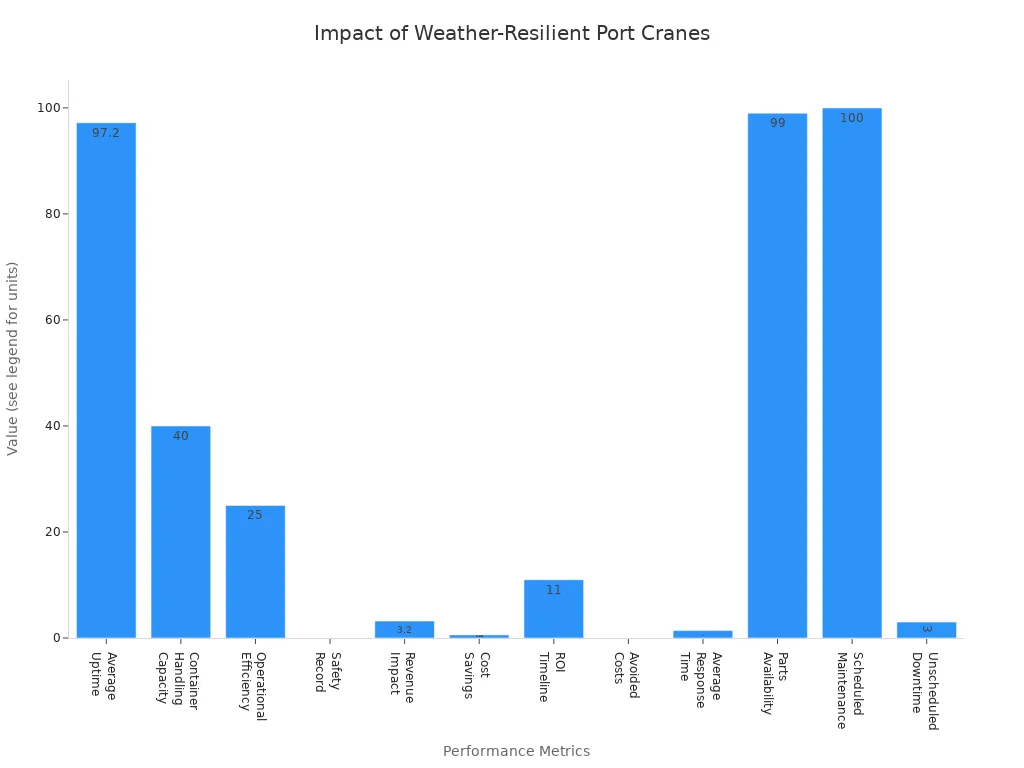
You have a better chance to win tenders when you show your cranes work well. Weather resilience helps you get good results that matter.
You see climate change bring more storms and flooding to ports. You need weather-resilient cranes to keep your operations safe and reliable. CEGC gives you advanced controls and strong designs. You win more tenders when you choose equipment that stands up to harsh weather. Put weather resilience first for your port’s future.
FAQ
How do weather-resilient cranes help you win tenders?
You show clients your cranes work in storms, heat, or salt. This proves you can keep cargo moving. You get more trust and better chances to win bids.
Can you customize CEGC cranes for your port?
-
Yes, you choose lifting capacity, span, power, and coatings.
-
You add sensors or automation.
-
Your crane fits your port’s needs.
What maintenance do weather-proofed cranes need?
|
Task |
How Often |
|---|---|
|
Check coatings |
Every month |
|
Inspect sensors |
Every week |
|
Clean controls |
Every shift |


