
You face weather challenges every day in container vessel ops: weather delays cut by planning. Strong winds and heavy rain can change your shipping schedule. Weather affects your costs and your team’s safety. CEGC gives you tools that help you plan for weather and keep your operations moving.
Key Takeaways
-
Make plans early to cut down on weather delays. Use advanced weather monitoring tools to get updates fast and change routes quickly.
-
Use flexible scheduling and strong communication rules. This helps you react to sudden weather changes and keeps your work going well.
-
Use predictive maintenance with CEGC equipment. This lowers surprise breakdowns and makes sure your machines are ready for bad weather.
Weather Impacts Shipping: Core Challenges in Container Vessel Ops
How Weather Causes Delays
You notice weather affects shipping every day. High winds can make container vessels shaky. Heavy rain makes it hard to see and steer. Rough seas move cargo and put your ship in danger. These things can stop or slow your work. Sometimes you must cancel berthing or stop pier work when storms come. This wastes time and costs your port more money.
Here are some usual weather events that mess up your work:
-
High winds raise the risk of tipping and losing control.
-
Heavy rain makes it tough to see, so crashes can happen.
-
Rough seas shift cargo, which can break containers and ships.
-
Storms and strong winds often make you delay or stop loading and unloading.
You might have to close the port during bad weather. These closures last about 6 days on average. Even partial limits can last 5 days. These delays mess up your schedule and cost you money.
Operational Risks: Load Sway, Collision, and Downtime
Weather causes more than just delays. It brings real risks for your team and gear. Load sway gets worse when wind speeds go up. You may find it hard to place containers exactly. This raises the chance of crashes between containers, cranes, and ships.
Cycle time can change each shift. Heavy rain or wind slows your work. This means longer vessel turnaround and more trucks waiting at the dock. Salt fog and humidity make cranes and machines rust faster. Over time, this causes more breakdowns and higher repair costs.
You also lose time when weather breaks your equipment. In many places, even if the average risk is low, the extra effects can be big. For example:
|
Geographic Region |
Potential for Knock-on Effects |
|
|---|---|---|
|
Southern Australia |
Low |
High (>80% of total downtime risk) |
|
Middle East |
Low |
High (>80% of total downtime risk) |
|
Western Africa |
Low |
High (>80% of total downtime risk) |
|
South America |
Low |
High (>80% of total downtime risk) |
|
Western United States |
Low |
High (>80% of total downtime risk) |
|
Parts of Northern Europe |
Low |
High (>80% of total downtime risk) |
You need to plan for these risks to keep your work safe and smooth.
CEGC Solutions: Anti-Sway, Safety, and Durability
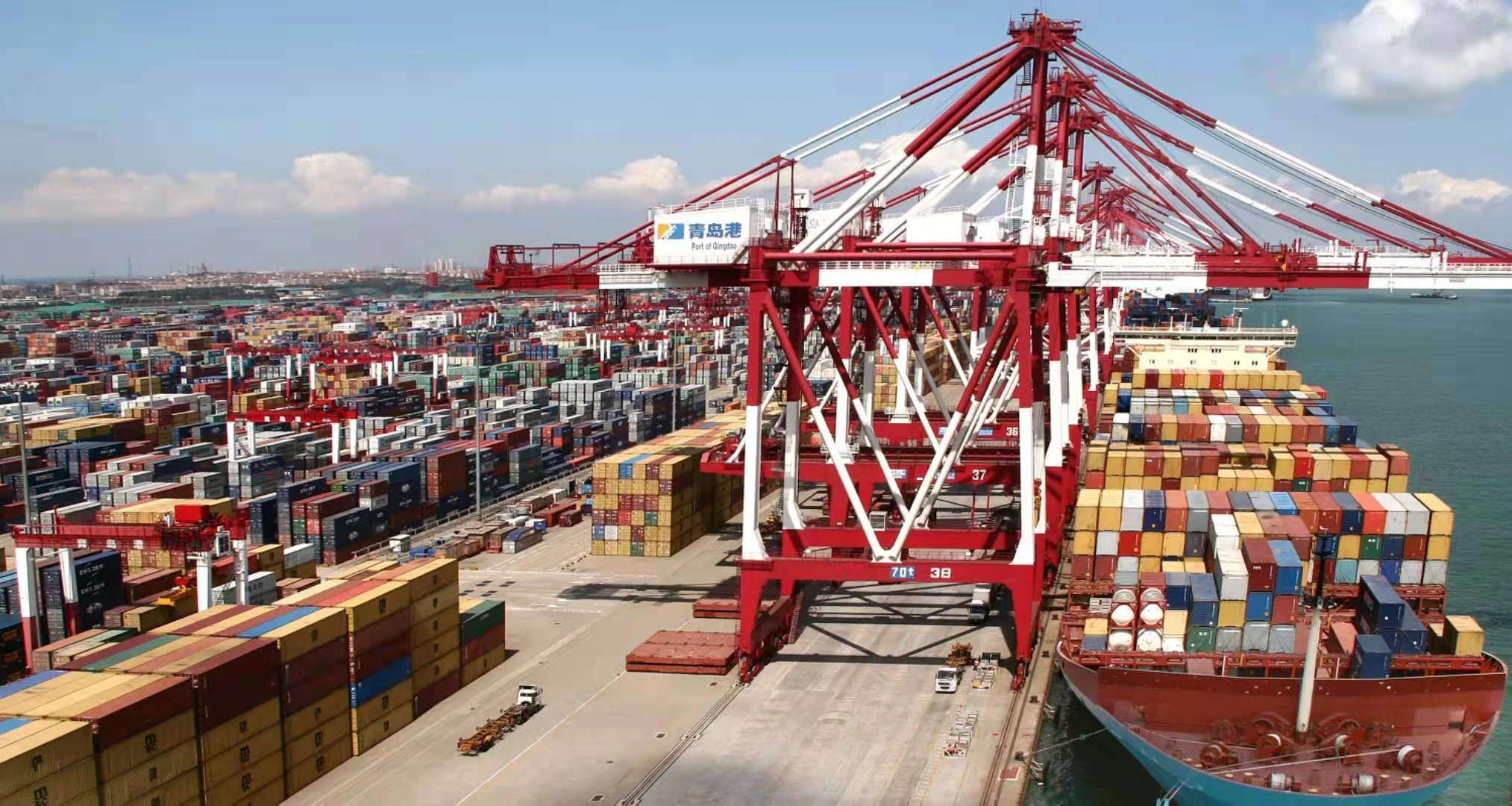
You can lower weather risks with good equipment and technology. CEGC gives you tools to handle these problems. Our container crane, portal crane, and reach stacker forklift have anti-sway control systems. These systems use smart moves and brakes to keep loads steady, even in strong winds.
You get safety interlocks that protect against overloads and crashes. Clear alarms and easy controls help your workers stay safe and fast. Our marine-grade anti-corrosion systems protect cranes and container gear from salt, humidity, and dust. This means less downtime and fewer repairs.
You can use predictive maintenance tools to find problems before they cause breakdowns. Condition monitoring checks temperature, vibration, and other signs of wear. This helps you plan repairs and avoid sudden stops. Energy-saving features, like variable-frequency drives, help you use less power during bad weather.
With CEGC’s custom projects, you can match your equipment to your port’s needs. You can pick the right capacity, span, duty cycle, and anti-corrosion grade. This keeps your work running well, even when weather affects shipping.
Tip: Watch key numbers like crane moves per hour, vessel turnaround time, berth occupancy, and uptime. These numbers show how well your anti-sway and safety systems work in tough weather.
You face more storms and extreme weather now than before. These events mess up shipping routes and supply chains. You can stay ahead by using smart plans and advanced equipment from CEGC.
Planning for Weather in Advance: Strategies to Cut Delays
Advanced Weather Monitoring and Routing
You can make your weather planning better with advanced weather monitoring. This technology uses forecasts and ocean models to show weather on your vessel’s route. You get weather updates right away, so you can change your path and avoid delays. AI looks at weather data and how your vessel performs to find the best routes. You can make smarter choices and have fewer weather delays.
-
Real-time weather updates help you change your route fast.
-
You use less fuel and make fewer emissions by missing bad weather.
-
Weather-optimized routing finds the safest and fastest way.
-
Continuous changes help you control speed, cost, and fuel.
You see real benefits when you use real-time weather data in your plans. Multi-leg voyage optimization saves fuel and lowers emissions. You find the best speed and route by looking at weather and sea currents. This helps you plan better and stay ahead of weather problems.
Note: Pick a provider with good forecasts and lots of data. Customization and integration are important for your port.
Flexible Scheduling and Communication Protocols
Flexible scheduling helps you deal with sudden weather problems. Dynamic freight allocation uses real-time data to change plans and move containers. You can cut delays by 25–30% with real-time planning. This keeps vessel turnaround times steady and lowers shipper costs.
You must change your operations when weather changes delivery times. Using weather monitoring and flexible schedules keeps your supply chain strong. You keep things running well and customers happy by acting fast during weather events.
Good communication is important during weather delays. Strong communication systems connect port operators and shipping lines. Working together and making quick choices helps you handle bad weather. Teamwork and sharing information make your supply chain stronger.
Tip: Real flexibility means seeing things in real time and having good partners. You can change cargo routes in hours, not days.
|
Strategy |
Benefit |
|---|---|
|
Flexible scheduling |
Reduces delays and costs |
|
Real-time communication |
Improves coordination |
|
Dynamic allocation |
Keeps vessel turnaround steady |
Predictive Maintenance and Energy Efficiency with CEGC Equipment
Predictive maintenance with CEGC equipment cuts down on surprise stops during bad weather. Data analytics spot equipment problems before they happen. You plan maintenance using real-time data, so you have fewer sudden stops. Smart systems check cranes for damage and wear. Early warnings let you fix things before they break.
-
Predictive maintenance makes cranes available 20%–30% more.
-
You get 25% fewer surprise stops.
-
Smart monitoring stops work problems during bad weather.
Energy-saving options, like variable-frequency drives and smart idle, help you use less power. You spend less money and help the environment. CEGC’s container crane, portal crane, and reach stacker forklift support these weather plans. You can set up custom monitoring, alarms, and power options for your port.
Callout: You can match your equipment to your port with custom projects. Pick the right size, span, duty cycle, and anti-corrosion grade.
Collaboration and Contingency Planning
Working together and having backup plans are key to cutting weather delays. You keep extra stock in smart places to shorten wait times if routes are blocked. Setting up communication rules gives quick updates to customers and teams during delays. Using backup schedules adds buffer days to handle small problems without extra cost. Good shipping data stops delays from wrong information.
Planning before a trip is important for safety and rules. You think about all risks and have backup plans ready. Updating voyage plans often helps you handle changes at sea. Backup plans get your crew ready for surprise weather or emergencies. You make other routes and think about safety and the environment. This helps you face problems and deliver on time.
Example: Port Muskogee made a plan with flood protection and better buildings. The plan makes the port stronger against future weather and focuses on repairs.
You can make weather plans that fit your port. Look for accuracy, trust, and detailed forecasts. Make solutions that fit your business and work with your systems. Good planning and watching ahead help you beat weather problems.
You can stop weather delays by planning ahead and using new equipment. CEGC’s container handling solutions help you ship faster and have fewer delays. When you keep buying better weather planning tools, your schedules get better and you have less trouble from weather. Here are some ways this helps:
|
Aspect |
Description |
|---|---|
|
Make schedules and use resources in the best way |
|
|
Performance Optimization |
Ship goods as quickly as possible |
|
Cost Reduction |
Cut down on weather delays and problems |
-
Use AI to guess how weather will affect you.
-
Try different shipping routes.
-
Work with partners to stay strong.
FAQ
How do you keep container delivery on schedule during a hurricane?
You use container vessel ops: weather delays cut by planning. You look at weather reports often. You move containers to safe places. You make a plan for delivery before the hurricane comes.
What steps help you reduce container vessel ops: weather delays cut by planning?
You use weather tools that show updates right away. You change delivery times when needed. You talk with your team about the plan. You move containers fast and safely. You always think about container vessel ops: weather delays cut by planning.
Why does container delivery slow down after a hurricane?
You see roads are blocked. You find some container yards are damaged. You wait until it is safe to work. You check every container for problems. You use container vessel ops: weather delays cut by planning to help things get better.
Tip: Always look at your delivery plan before a hurricane. You keep containers safe this way. You can deliver faster after storms.
|
Issue |
What You Can Do |
|---|---|
|
Hurricane warning |
Put containers in safe storage |
|
Delayed delivery |
Change your delivery plan |
|
Damaged container |
Check it before the next delivery |


