
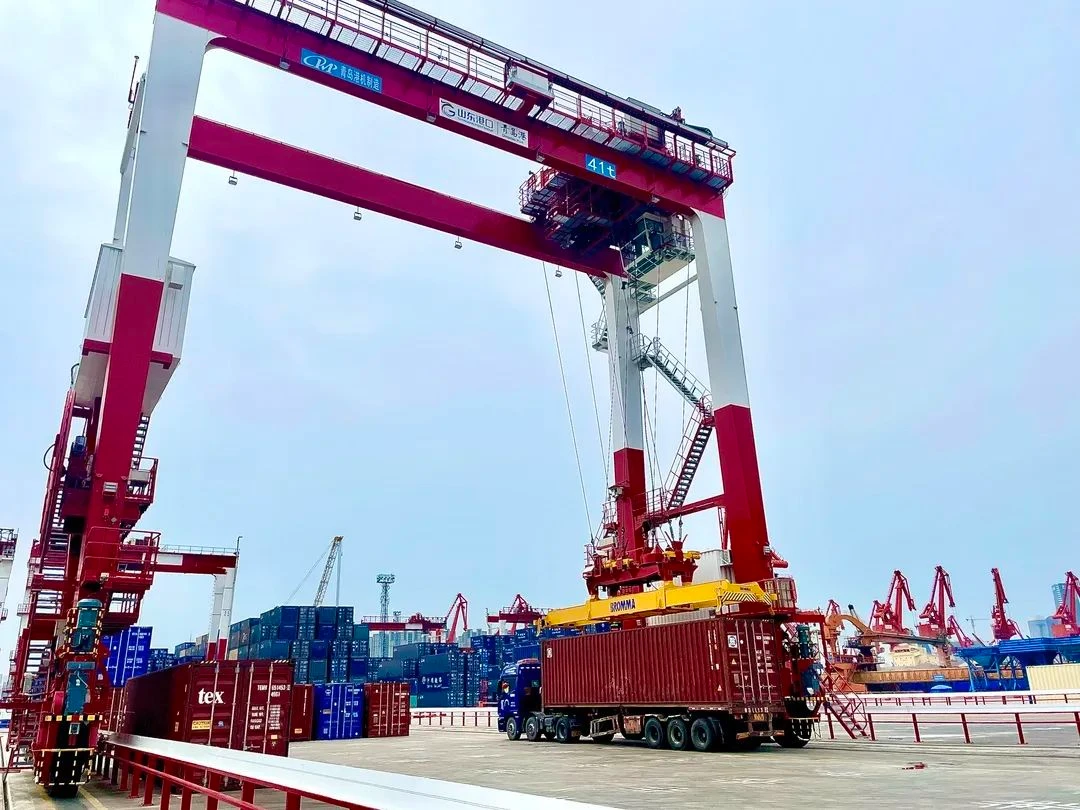
You can prevent portal crane collision incidents and how to stop them by implementing effective training, clear safety rules, and advanced technology. Comprehensive training ensures that every operator is well-versed in crane safety protocols. Essential features such as limit switches, brakes, and emergency stops enhance safety measures. CEGC provides solutions that integrate thorough training and safety enhancements for your crane operations.
Key Takeaways
-
Good training is very important. It helps operators learn safety rules. This lowers mistakes by people. Human error causes most crane accidents.
-
Use new technology like anti-sway systems and collision avoidance tools. These tools make cranes safer. They help stop accidents from happening.
-
Regular maintenance and checks are needed. They find problems before accidents happen. This keeps cranes safe and working well.
Crane collision risks and safety challenges
Operator error and inconsistent skills
There are many dangers when you use a crane. Most accidents happen because people make mistakes. The Crane Inspection & Certification Bureau says 90% of crane accidents are caused by human error. These mistakes include lifting too much, not talking clearly, and ignoring safety rules. Sometimes, operators use the crane the wrong way or stand in the wrong place. They might not talk well with the rigging team. Lifting too much weight or tipping over can cause big problems. Training and good communication help stop these risks. When you follow crane safety rules, you make accidents and tipping less likely.
"Better training helps new workers learn faster and avoid accidents," said crane expert Jim D. Wiethorn, who found that 94% of crane accidents are caused by people making mistakes.
Load sway, wind, and environmental factors
Wind and load sway make using a crane harder. Strong winds can push the crane or its load. This makes tipping and collisions more likely. You need to know the safe wind speed for your crane. Load sway makes accidents more likely, especially with heavy loads. Rain and fog make it hard to see, so you might miss obstacles. Bad visibility can cause accidents and tipping. Tools that help you see better and systems like Active Sway Control keep you safer.
-
Heavy rain and fog make it hard to see, so crane accidents are more likely.
-
Rain can also make the crane less stable, which makes tipping more likely.
Equipment malfunction and outdated systems
Crane accidents can also happen when equipment breaks. If brakes fail or a wire rope snaps, the crane can tip or crash. Not taking care of the crane makes these problems worse. The crane’s shape can block the operator’s view, making blind spots. Blind spots hide people and things, so accidents can happen. Regular maintenance and better visibility tools help you avoid these dangers.
Ineffective safety protocols
Old safety rules do not always work in busy ports. Manual checks and simple limiters cannot keep up with fast changes. This can cause more accidents and tipping. New systems that predict movement and stop crashes work better. You need strong safety rules and regular checks to keep everyone safe. Doing regular maintenance and following safety rules lowers the risks.
-
Checking cranes often and doing maintenance helps you find problems before they cause accidents.
-
A strong safety culture means everyone cares about safety and follows the rules.
CEGC has many port machines, like portal cranes, container cranes, ship cranes, and reach stackers. These machines have the same risks. You can lower the chance of accidents and tipping by using safety steps, training, and new safety technology.
Portal crane collision incidents and how to stop them: solutions and technologies
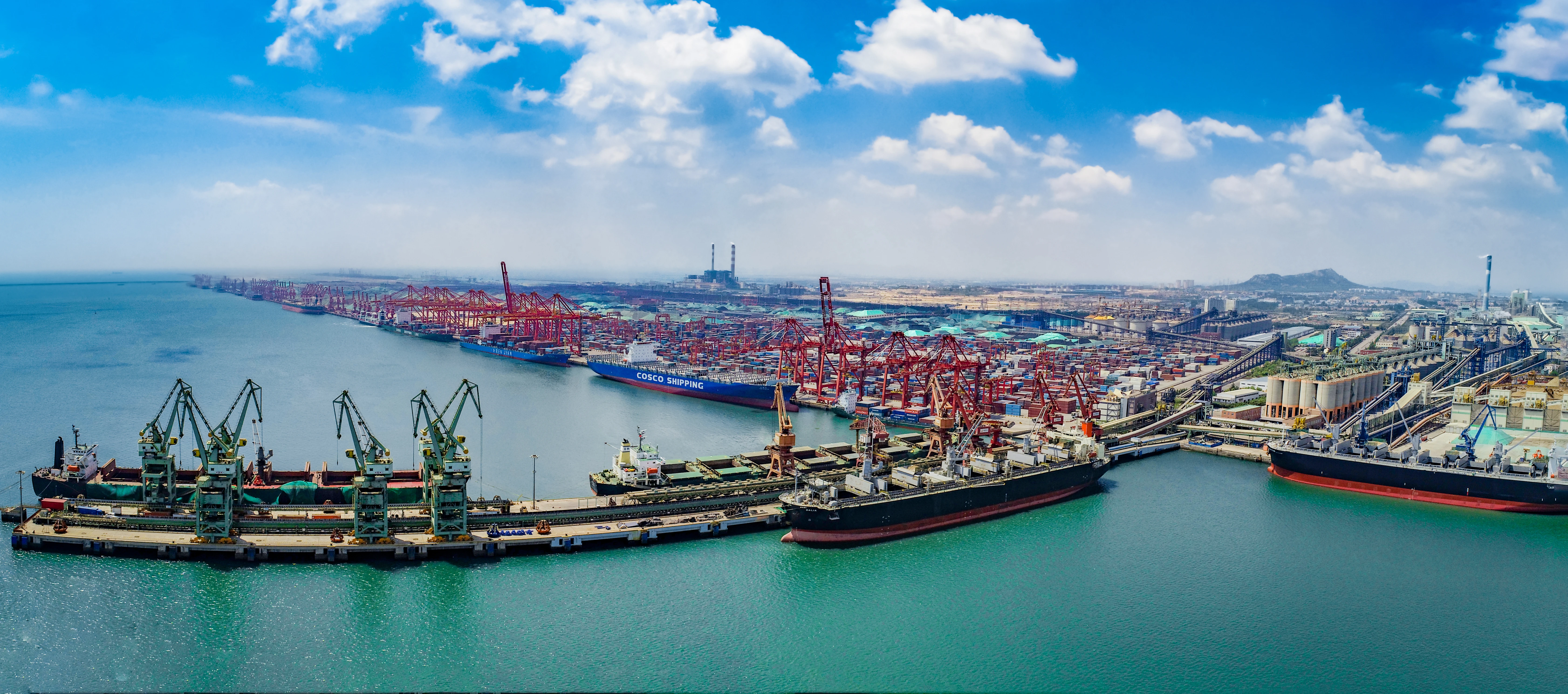
Anti-sway and safe lifting control systems
Anti-sway and safe lifting control systems help stop crane accidents. These systems keep the load steady, even if wind or sudden moves happen. Advanced sensors and data tools give you live updates about the load and crane. This helps you make fast choices and avoid mistakes.
|
Advancement Type |
Description |
|---|---|
|
Sensors and Data Collection |
Uses encoders, load cells, accelerometers, and cameras to track load and crane movement. |
|
Data Processing Algorithms |
Analyzes sensor data to predict and manage load sway, improving safety. |
|
Predictive Control Strategies |
Anticipates load swing and adjusts crane actions for better stability. |
|
Real-Time Monitoring |
Gives feedback to the operator about sway and needed corrections. |
|
Adaptive Capabilities |
Uses machine learning to improve control over time. |
|
Types of Anti Sway Systems |
Includes pendulum-type, rope-type, and model-based systems. |
These systems make a big difference. Studies show anti-sway control can cut swing by up to 95%. This means you can place loads more exactly and avoid crashes. Less swing also means fewer injuries and accidents. These systems help you work faster and safer in busy ports.
Collision avoidance and safety interlocks
Collision avoidance technology stops your crane from hitting things. You can use systems like DCS 61-S to manage crane interference and set safe zones. This system uses GNSS to know where the crane is and wireless signals to make quick changes. You can also use distance checks, area limits, and height alerts to keep the crane safe.
-
Distance detection checks how close your crane is to other things and warns you if you get too near.
-
Area restriction slows or stops the crane if it leaves a safe spot.
-
Height monitoring warns you if you get close to height limits.
-
Speed and acceleration control keeps the crane moving safely.
-
Dynamic path planning finds new ways to avoid obstacles.
Safety interlocks add extra protection. They stop the crane if something goes wrong, like an overload or a limit switch. You can use many layers of safety interlocks to lower human mistakes and keep things safe. CEGC lets you pick sensor sets, anti-collision zones, and automation levels to fit your needs.
Operator-centered HMI and simulation training
Focusing on the operator helps make cranes safer. Operator-centered HMI gives clear alarms, updates, and step-by-step help. These systems use real-time motion sensing and 3D models to show what is happening around the crane. This helps you spot dangers and make better choices.
-
Operator-centered HMI helps you see risks and act fast.
-
It makes you more aware and helps you make fewer mistakes.
-
Tests show these systems help lifts and cut down on errors.
Simulation training is also very helpful. You can practice dangerous situations in a safe place. This training helps you get ready for rare events and emergencies. At Conewago Enterprises, simulation training made operator training much faster. Bay Ltd. uses simulators to test new workers before they use real cranes. This way, everyone stays safer.
Tip: Good training and clear talk help build a strong safety culture. When you use simulators, you learn how to handle emergencies and avoid crane accidents.
Predictive maintenance and energy efficiency
Routine maintenance is good, but predictive maintenance is even better. Smart tools check your crane’s condition before something breaks. These tools warn you early about parts that need fixing, like old bearings. Fixing problems early stops sudden breakdowns and accidents.
-
Predictive maintenance uses monitoring and data to find problems before they get bad.
-
You can plan repairs and avoid surprise stops.
-
Regular checks keep your crane safe and working well.
Modern portal cranes also save energy. Smart cranes use about half the energy of old ones. They have features like regenerative braking, energy recovery, and lighter parts. These upgrades lower your bills and mean less fixing. When your crane runs quietly and smoothly, work is safer and more comfortable.
|
Benefit |
Description |
|---|---|
|
Energy Consumption Reduction |
Smart cranes use about 50% less energy than traditional cranes. |
|
Operational Cost Savings |
Lower energy use means you spend less on operations. |
|
Environmental Impact |
Using less energy helps the environment and supports green practices. |
|
Noise Pollution |
Quieter cranes make the workplace safer and more pleasant. |
Overcoming implementation challenges
Adding new safety tech to your port can be hard. High costs, tricky setups with old systems, and bad weather can cause problems. You can beat these problems by picking solutions that fit market standards and can be customized. CEGC offers port machines, like portal cranes, container cranes, ship cranes, and reach stackers, with safety features you can choose. You can pick the right size, span, duty cycle, power, and anti-corrosion level for your needs.
When you buy advanced safety systems, you protect your workers and lower crane accidents. You also help your team talk better and make your port ready for the future.
You can stop crane collisions if you follow these safety steps. Always talk clearly and make sure you can see well when using a crane. Train operators, use safety rules, and add new technology to your work. Check cranes often and keep learning about safety. Pick CEGC for safety tips that fit your needs and cranes you can trust.
Keep making your safety steps better for your team and cranes.
FAQ
What is the main cause of portal crane collisions?
Most portal crane collisions happen because of operator error. You can lower this risk with good training and clear safety rules. Using advanced control systems also helps keep cranes safer.
How does CEGC help you prevent crane collisions?
CEGC gives you anti-sway systems, collision avoidance technology, and operator training. You can pick and change these solutions to fit your port’s needs.
Can you upgrade old cranes with new safety technology?
Yes, you can add sensors, safety interlocks, and monitoring systems to most old cranes. This lets you make cranes safer without needing to buy new ones.


